
 Talk to Mr. Saroj
 Plan Your Trip
Latest Travel News from Nepal: Rasuwa Flood and Affected Routes
The Latest Travel News from Nepal is focused on the serious flash flood that struck Rasuwa and parts of the Bhotekoshi and Trishuli river corridors on August 26, 2026. The disaster caused major damage around Rasuwagadhi, Timure and nearby areas, destroying sections of roads and bridges and disrupting travel toward the Nepal China border.
The effects are serious in the affected northern corridor, but they do not represent the travel situation across the whole country. Most of the tourist and trekking sites are located beyond the direct area of impact, and so the travelers have alternatives as the recovery efforts proceed.
What Happened in Rasuwa?
The August 26 disaster caused extensive destruction along the Bhotekoshi River corridor. Rasuwa was strongly affected in and around Rasuwagadhi and Timure, and the road between Betrawati in Nuwakot and the Rasuwagadhi border was damaged in several places. A number of bridges were swept away too.
The damage has also affected a significant route from Nepal to China that has been used in travel and trade. Search, rescue and recovery is ongoing and authorities are still assessing damaged infrastructure.
Travelers should check the latest information before traveling through or near the affected area.
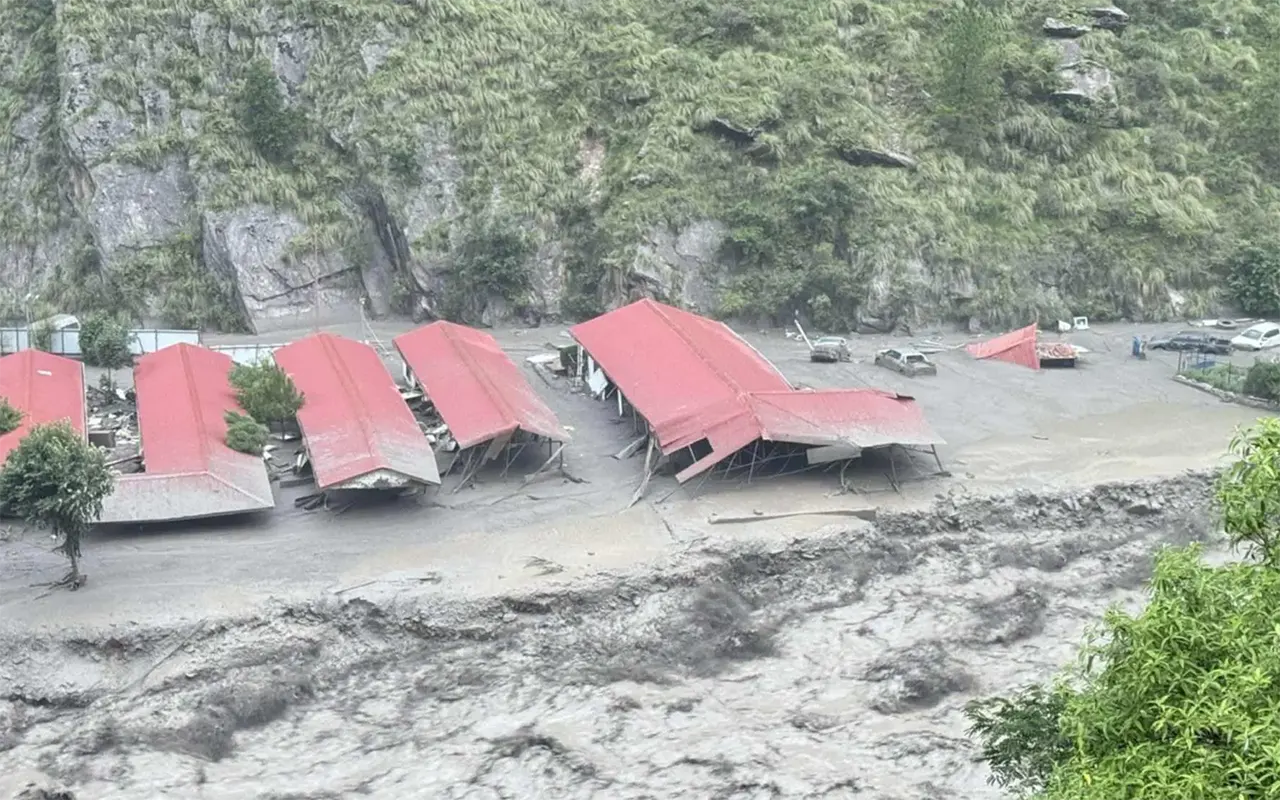
Northern Routes Remain the Main Concern
The latest Nepal travel news shows that the biggest travel disruption is concentrated around northern Rasuwa. The Rasuwagadhi and Kerung border route has been affected, while the usual road corridor toward Syabrubesi has also been disrupted.
The U.S. Embassy in Nepal has advised U.S. citizens not to travel to the Rasuwagadhi, Timure and Syabrubesi area because of continuing hazards following the flood. This is important for visitors considering travel through the affected corridor.
Travelers should therefore avoid treating the affected northern corridor like a normal travel route at present. Conditions may change as roads are assessed and recovery work progresses.
Current Situation Along the Northern Corridor
| Area | Current Situation | What Travelers Should Do |
| Rasuwagadhi | Seriously affected by the flood | Avoid travel until access is officially confirmed |
| Timure | Heavily affected | Follow current local and official information |
| Rasuwagadhi to Betrawati road | Major damage reported | Do not assume normal road access |
| Syabrubesi approach | Normal access disrupted | Confirm the latest route before travel |
| Nepal China border crossing | Access affected | Check current border information |
| Rasuwa district | Recovery and assessment ongoing | Follow local travel guidance |
These conditions are developing and should be checked again before departure.
What Does This Mean for Langtang and Gosaikunda?
Langtang and Gosaikunda require more careful planning because their normal access is connected to the affected northern corridor.
TAAN has reported that the Langtang and Kyanjin Valley areas and Gosaikunda remain safe, while access through the Trishuli Betambeti corridor is affected and currently closed. TAAN has also suggested an alternative trekking approach through Sundarijal, Chisapani, Thadepati, Ghoptebhir, Gosaikunda, Thulosyabru, Pairo, Lama Hotel, Langtang and Kyanjin.
This does not mean that travelers should immediately start using the alternative route. It is a different trekking approach and requires confirmation of current trail conditions, accommodation and weather.
For anyone planning Nepal travel routes after flood, Langtang and Gosaikunda should therefore be treated separately from trekking regions that use completely different access corridors.
Travel Beyond the Affected Area
The Rasuwa disaster has not affected every tourist destination in Nepal. TAAN’s current assessment reports no direct impact from the recent flood on several major trekking regions, including Everest, Annapurna, Manaslu, Kanchenjunga, Makalu, Rolwaling, Helambu, Dhaulagiri and Dolpa. Rara, Jumla, Humla and several destinations in western Nepal were also reported as outside the direct impact area.
This gives travelers alternatives if their original plans depend on an affected northern route.
The important point is that each destination still has its own road, flight and weather conditions. Being outside the Rasuwa flood zone does not mean that every route is guaranteed to operate normally.
Places Travelers Can Consider
| Destination | Direct Rasuwa Flood Impact | Main Point to Check |
| Everest Region | Not directly affected | Flights and weather |
| Annapurna Region | Not directly affected | Roads and trail conditions |
| Manaslu | Not directly affected | Trailhead access |
| Mustang | Not directly affected | Current road conditions |
| Kanchenjunga | Not directly affected | Local transportation |
| Makalu | Not directly affected | Road and flight arrangements |
| Dhaulagiri | Not directly affected | Weather and local access |
| Dolpa | Not directly affected | Flights and road conditions |
| Rara and Jumla | Not directly affected | Transportation |
For travelers interested in Nepal tourism after flood, these destinations provide alternatives to routes currently affected in northern Rasuwa.
Can You Change Your Travel Plans?
Travelers whose original itinerary uses the affected northern corridor may have several ways to adjust their plans.
A person planning Langtang or Gosaikunda may be able to use an alternative trekking approach if current conditions permit. Someone planning a trip that depends on the Rasuwagadhi border crossing may need to choose another destination or postpone that part of the journey.
Travelers heading toward Ganesh Himal or Ruby Valley should also check their access route because traditional approaches from the north have been affected.
The best decision depends on the travel date and the condition of the route at that time.
Options When a Route Is Affected
| Original Plan | Possible Adjustment | Important Check |
| Langtang Trek | Consider an alternative trekking approach | Trail and accommodation |
| Gosaikunda Trek | Check another trekking approach | Current trail conditions |
| Rasuwagadhi Border | Choose another destination | Border and road status |
| Ganesh Himal | Consider a different access route | Current road condition |
| Ruby Valley | Check an alternative approach | Local transportation |
| Manaslu | Continue planning if access is available | Trailhead road |
Changing a route can sometimes be more practical than changing the entire holiday.
What Does This Mean for the Autumn Season?
The autumn trekking and travel season is approaching, but the Rasuwa flood has created a situation that travelers need to monitor closely.
The latest Nepal travel update does not mean that tourism has stopped throughout the country. It means that travelers need to distinguish between the affected northern corridor and destinations reached through other routes.
Everest, Annapurna, Manaslu, Kanchenjunga, Makalu and several other trekking regions remain outside the direct flood impact according to the current TAAN assessment.
For travelers who have not yet finalized their itinerary, this provides room to choose another destination. Those who have already booked a trip should speak with their trekking or tour operator about the current access route before departure.
Conditions may change as recovery work continues, so information available today may not remain valid several weeks from now.
A Few Things to Check Before Leaving Kathmandu
Travelers can keep their final preparation simple:
- Road access: Check whether the road to your destination is currently operating.
- Trail condition: Confirm the latest trekking route information if you are heading into the mountains.
- Weather: Check the latest forecast for your destination.
- Transportation: Confirm flights or vehicle arrangements before departure.
- Local information: Ask your trekking agency or guide for the latest route update.
These checks are particularly useful while recovery work continues in northern Nepal.
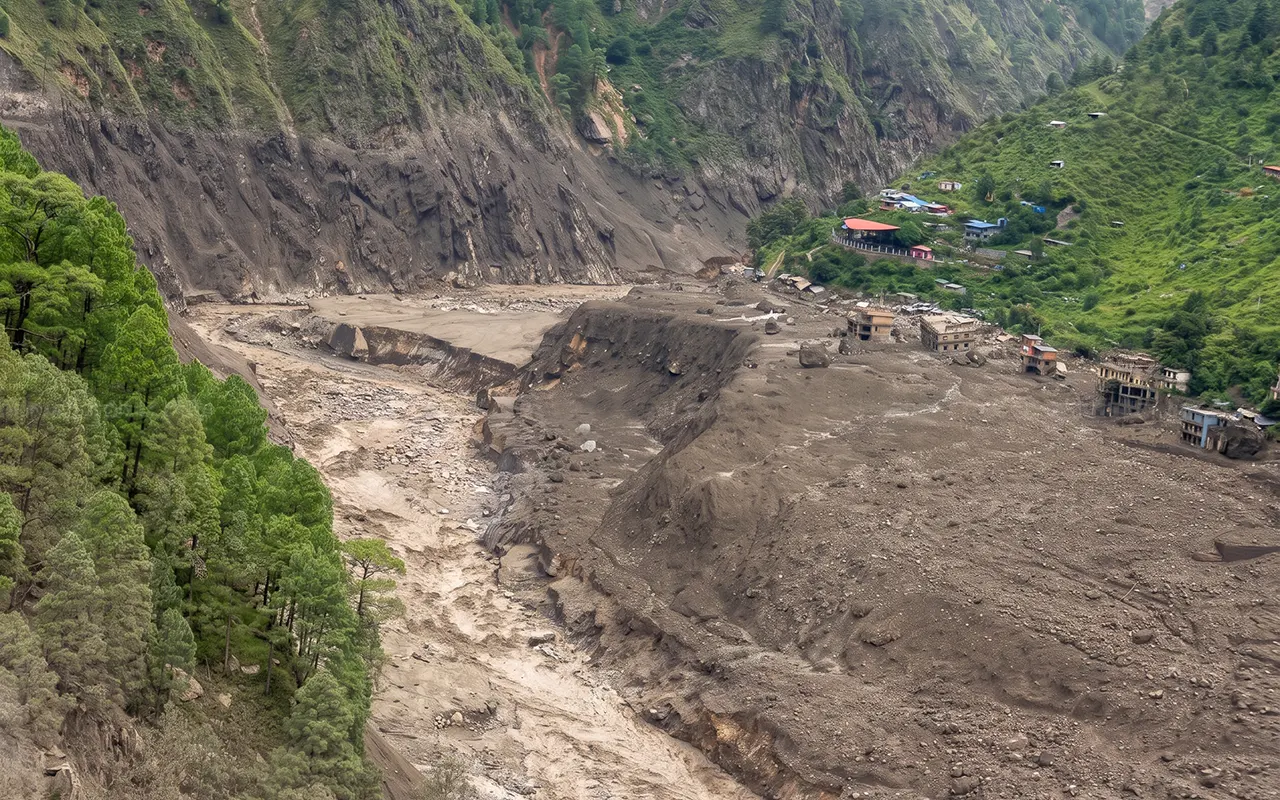
Nepal Travel Continues Beyond the Affected Routes
The Rasuwa flood has caused serious damage and has created difficult conditions for communities and travelers in the affected northern corridor. The situation around Rasuwagadhi, Timure and Syabrubesi needs to be treated carefully, and current official travel advice should be followed.
At the same time, the flood has not closed Nepal as a whole. Many tourist destinations and trekking regions are outside the direct impact area. Travelers can still consider different parts of the country, provided they check current transportation, weather and local access conditions.
For visitors following Nepal travel news, the main message is therefore to look at the individual route rather than assume that conditions in Rasuwa apply throughout Nepal.
Conclusion
The August 26 flood has significantly changed travel conditions in northern Rasuwa. Rasuwagadhi, Timure and important road corridors have been affected, while the route toward the Nepal China border remains disrupted.
Langtang and Gosaikunda also require additional planning because their usual access has been affected. TAAN has reported that the trekking destinations themselves remain safe and has suggested an alternative approach for Langtang.
Elsewhere, several major trekking and tourist regions remain outside the direct impact of the flood.For travelers planning Nepal travel routes after flood, the best approach is to check the current condition of the specific route, remain flexible and use recent information before departure.
Nepal continues to have many destinations to explore, but travel plans should be adjusted according to the latest conditions while recovery work continues.

