Talk to Mr. Saroj
- Home
- Destination
- Nepal Trekking
- Everest Region
- Everest View Trek
- Everest Base Camp Trek 14 Days
- Short Everest Base Camp Trek
- Luxury Everest Base Camp Trek
- Everest Base Camp Helicopter Trek – 12 Days
- Everest Base Camp and Gokyo Lakes Trek
- Everest Helicopter Tour in Nepal
- Gokyo Lakes Trek 12 Days
- Everest Three High Passes Trek
- Pikey Peak Trek – 10 Days
- Ama Dablam Base Camp trek – 9 Days
- Everest Region
- Annapurna Region
- Dhampus Sarangkot Trek
- Short Poon Hill Trek 3 Days
- Ghorepani Poon Hill Trek 4 Days
- Ghorepani Poon Hill Trek – 8 Days
- Mohare Danda Trek – 9 Days
- Annapurna Base Camp Heli Trek
- Short Annapurna Base Camp Trek- 6 Days
- Annapurna North Base Camp Trek– 9 Days
- Short Mardi Himal Trek
- Annapurna Base Camp Trek – 10 Days
- Mardi Himal Trek – 10 Days
- Annapurna Base Camp Trek Via poon Hill
- Ghorepani Poon Hill with Mardi Himal Trek
- Annapurna Base Camp and Mardi Himal Trek
- Short Annapurna Circuit Trek
- Annapurna Circuit Trek with Tilicho Lake
- Khopra Ridge Trek
- Kori Himal Trek -10 Days
- Nar Phu Valley Trek with Kang La and Thorong La Pass- 17 Days
- Ghorepani Poon Hill Yoga Trek
- Annapurna Base Camp Trek
- Mardi Himal Yoga Trek
- Annapurna Region
- Travel Info
- Company
- Contact
 Plan Your Trip
Bookings open for the 2026-2027 season! Start planning your dream journey.
Larke Pass Trek

Price starts from
US$ 1500
For group of minimum 3 Pax
Group Discount Price
-
2 -
5 personUS$ 1500
-
6 -
10 personUS$ 1425
-
11 over
9999
US$ 1350
US$
Need Help?

Managing Director
Saroj (+977-9806627713)

Duration
14 Days

Trip Difficulty
Moderate

Max Altitude
5,106m / 16,752ft

Activity
Trekking

Destination
Nepal

Group Size
2-20 People

Accommodation
Hotel, Lodge

Meals
Breakfast, Lunch and Dinner

Transportation
Bus
Highlights of Larke Pass Trek
- Cross the fantastic Larkya La Pass and enjoy the beautiful view of the Himalayan range.
- Experience the scenic and less crowded area of the Manaslu trekking area.
- Explore the old villages of Tibetan Buddhism and the ancient monasteries.
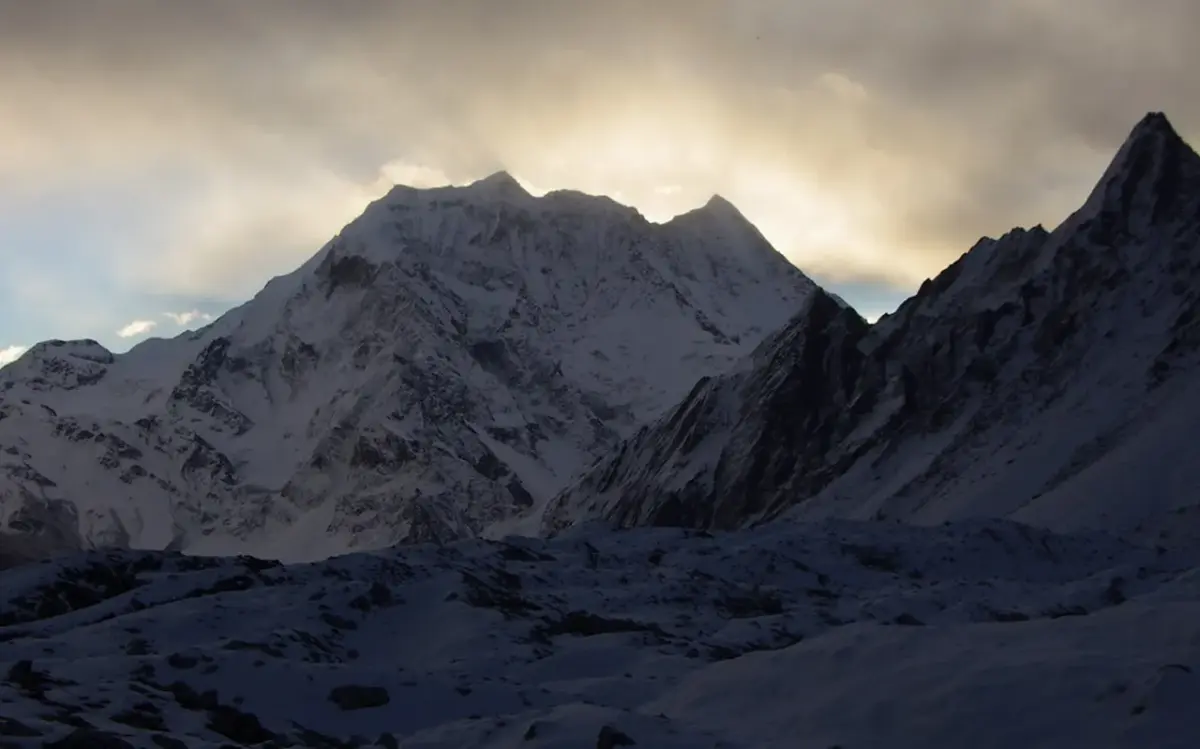
- Get a view of Manaslu, Himlung Himal, Kang Guru and Annapurna II.
- On your acclimatization day, take a hike up to the beautiful Birendra Lake.
- Stroll through forests, rivers, alpine meadows and glacier valleys.
- Cross over the Budhi Gandaki River with exciting suspension bridges.
- Overstay at traditional tea houses and experience the warm hospitality from the locals.
- Get a glimpse into the culture and lifestyle of the Himalayan villages.
- Go on a scenic Himalayan tour with all different kinds of landscapes and mountain views.
Trip Overview of Larke Pass Trek
The Larke Pass Trek is a rewarding Himalayan journey that takes you through remote mountain villages, peaceful forests, deep river valleys and high alpine landscapes in the Manaslu region of Nepal. The path is scenic and offers a glimpse into the traditional culture of the area, making it a great option for those who prefer a more off-the-beaten-path experience. It’s also a wonderful way for trekkers to experience a less-traveled route that offers beautiful scenery and a glimpse into the local culture. As you trek, you will pass across the suspension bridges, visit the traditional villages and experience changing landscapes as you slowly move into the high Himalayas along the Budhi Gandaki River.
The path winds through villages that have been visited by people over thousands of years and much of the life remains unchanged. The Tibetan Buddhist influence can be seen as you climb higher: the monasteries, prayer wheels, mani walls, prayer flags and the warm-natured locals. There is something new and different that can be seen every day: green hills, terraced farmland, rugged mountains and broad glacial valleys. Traveling is interesting and rewarding, from start to finish, because of the changing scenery.
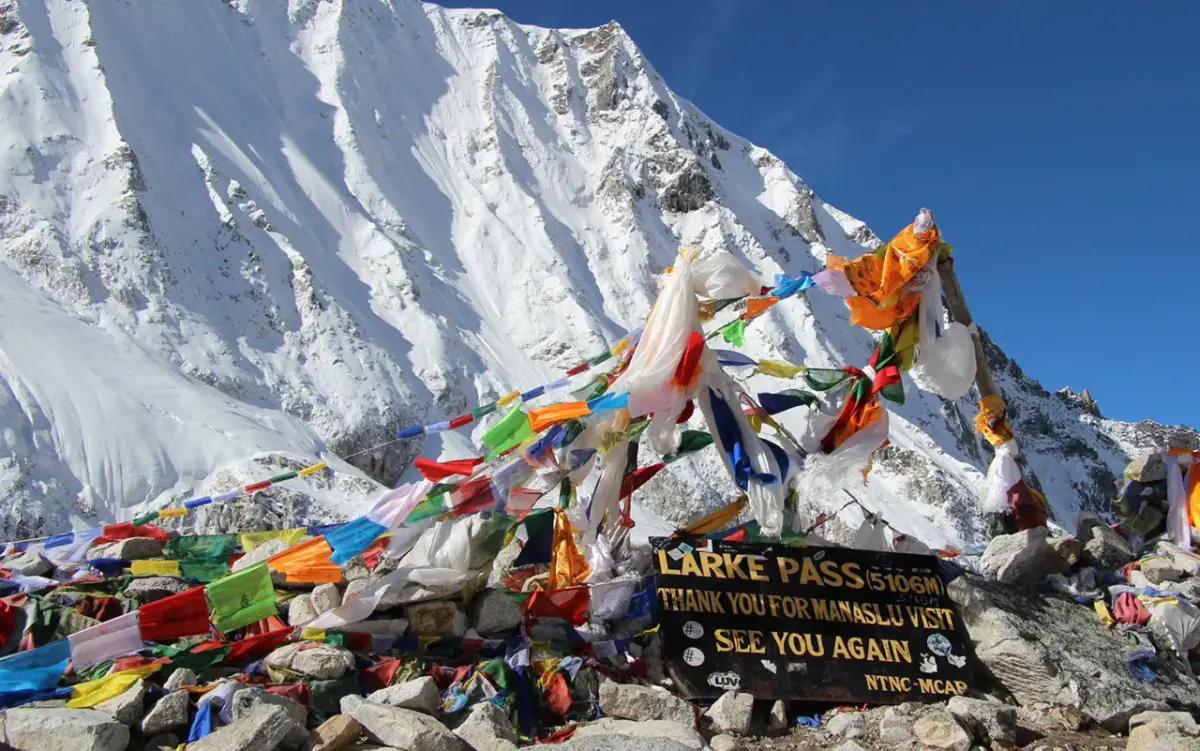
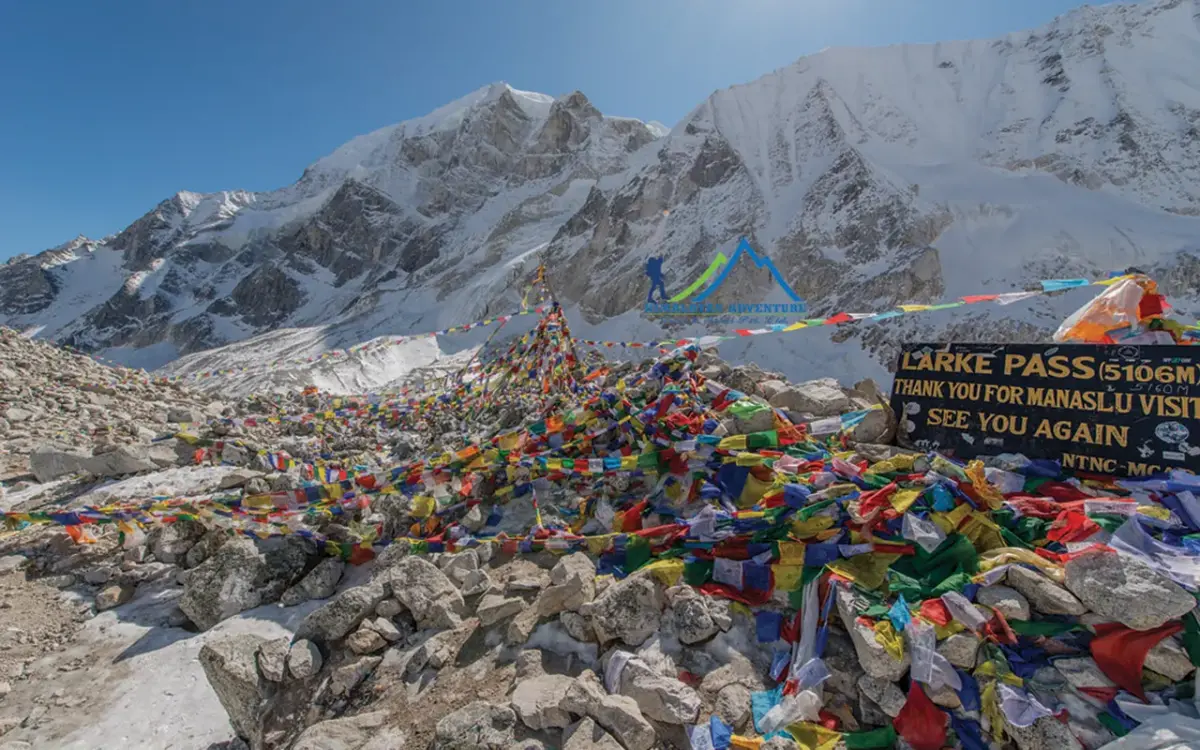
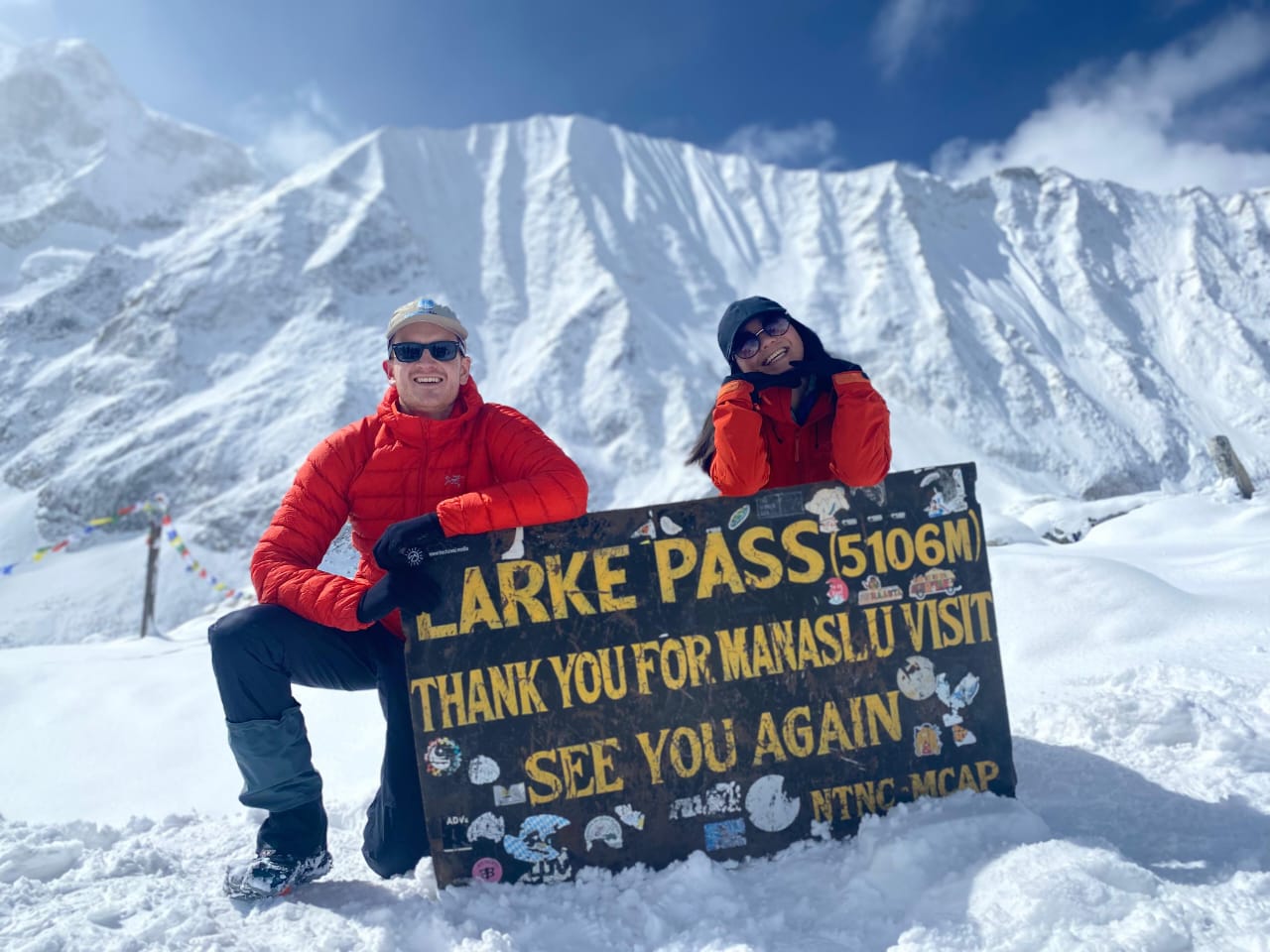
The Larkya La Pass Trek is the highest and most picturesque trekking pass in Nepal, at the elevation of Larkya La Pass (5,106 m / 16,752 ft). It is a wonderful achievement to reach the top, where we can see the panoramic view of the Himlung Himal, Kang Guru, Cheo Himal, Annapurna II and several other snow-covered peaks. The day before going over the pass of the mountain, the day is spent in Samagaon (3520 m / 11549 ft) for acclimatisation. This slow and steady approach will make the journey easier and more enjoyable.
The Manaslu Larke Pass trek is appropriate for physically fit and experienced trekkers willing to hike for several days in the remote mountain area. The walks are generally from 4 to 9 hours long and there are comfortable tea house lodgings along the way. A combination of natural beauty, local culture and high mountain adventure offers a well-balanced trek for all levels of experience and for the more enthusiastic first-time trekker.
From your arrival in Kathmandu to the end of your trek, Glory Adventure provides experienced guides, a well-planned trek and dedicated local support to enjoy a safe, well-organised and memorable trek.
Why Choose the Larke Pass Trek?
The Larke Pass Trek is a great trek for those who prefer to explore the mountains of Nepal, its traditional villages and tranquil scenery on a lesser-travelled path. The trail winds through forests, rivers, alpine meadows and far-flung villages, offering a panorama of scenery that changes daily. It’s equally a chance to experience the unique Tibetan Buddhist culture of the Manaslu region, the monasteries, prayer flags and the local hospitality.
From the Larkya La Pass (5,106 m / 16,752 ft) of the Larkya La Pass Trek, you can have a panoramic view of Himlung Himal, Kang Guru, Cheo Himal, Annapurna II and other Himalayan summits. Before crossing the pass, there is an acclimatization day at Samagaon (3,520 m / 11,549 ft) to acclimatize the body to the higher elevation.
Additionally, the Manaslu Larke Pass Trek offers a perfect blend of adventure, natural beauty and cultural experiences, making it a popular choice amongst trekkers. The Manaslu Larke Pass Trek is also known for its excellent balance of adventure, nature and local culture, making it popular amongst trekkers.
Trekking Route Overview
The Larke Pass Trek starts with an enjoyable drive from Kathmandu to the starting point of the trek – Machha Khola. The trail passes through forests and terraced fields, goes through some suspension bridges and into traditional villages like Lho, Samagaon, Samdo, Deng, Jagat and Budhi. The scenery transitions from the green hills of summer to alpine fields, rocky valleys and glacial uplands, as you climb higher.
An acclimatization day at Samagaon (3520m / 11549ft) before reaching Dharmasala is also an integral part of the Larkya La Pass Trek. This path then traverses Larkya La Pass (5,106 m / 16,752 ft), the highest point in the trek, with spectacular views of the surrounding peaks of the Himalayas. The trail takes you through Bhimtang and Goa down to Tilije and then back to Kathmandu via a drive. The Manaslu Larke Pass Trek is a full circuit trek, so you can enjoy different landscapes and cultures along the way.
Itinerary of Larke Pass Trek
Day 01: Arrival at Tribhuvan International Airport in Kathmandu (1,300 m / 4,265 ft) and Hotel Transfer
Welcome to Nepal. The airport representative will glory adventure team welcome to you at Tribhuvan International Airport and help you with your luggage upon arrival and then take you to your hotel in Kathmandu. It will take about 30 minutes to drive. Upon arrival, you may check in and unwind from your travels.
Later in the day, you will be introduced to the other members of your group and your trekking guide for a detailed trek brief. The guide will inform you about the route, safety measures and other essential information about the Manaslu Larke Pass Trek. You’ll have time to pick up any last-minute packing essentials or personal items in the local area. By the time you get up the next morning, the long journey to Machha Khola is in front of you, so it is advised that you get an early night’s sleep.

Activity & Duration
Airport transfer and trek briefing, 30 minutes
Highest Altitude
1300m / 4,265ft (Kathmandu)
Meals
-
Accommodation
Three Star Hote ln KathmanduDay 02: Drive from Kathmandu to Machha Khola (900 m / 2,953 ft)
After an early breakfast, we begin a long but scenic drive from Kathmandu towards Machha Khola. The route is taken on the Prithvi Highway, passing through Thankot and the Trishuli River Valley and then detours from the main highway near Dhading. While the road traverses the hills, take in sights of terraced farms, rivers, traditional villages and green forests.
As we cross through Arughat, Soti Khola and a few small villages, we enter a rough mountain track as the road turns into a dirt track. On clear days you can glimpse views of Manaslu, Ganesh Himal, Annapurna and Langtang along the way. Once you arrive at the village, you can relax in your lodge and get ready for the first day of the hike.
Activity & Duration
8 to 9 hoursHighest Altitude
900m / 2,953ft (Machha Khola)Meals
Breakfast, Lunch, DinnerAccommodation
LodgeDay 03: Trek from Machha Khola to Jagat (1,340 m / 4,396 ft)
This is the first day of your journey. After breakfast, the trail follows the Budhi Gandaki River and crosses a number of suspension bridges through small villages. This path climbs and descends the forests and farmlands and is a good introduction to the Manaslu region.
You will cross through Khorlabesi and end up at the natural hot springs of Tatopani (1,040 m / 3,412 ft), where numerous trekkers spend a brief period. Then the trail passes by Dobhan and passes the Yaru Khola on a long suspension bridge, then climbs through Thulo Dhunga to Jagat. Jagat is a traditional stone village and the official gate to enter the Manaslu Conservation Area.
Activity & Duration
7 to 8 hoursHighest Altitude
1340m / 4,396ft (Jagat)Meals
Breakfast, Lunch, DinnerAccommodation
LodgeDay 04: Trek from Jagat to Deng (1,860 m / 6,102 ft)
The route starts with a moderate, rocky ascent through a ridge and leads to Salleri (1,440 m / 4,724 ft), where you can see Chamar Peak. It then heads down to Sirdibas and then on through the large Gurung hamlet of Philim, which is characterised by its traditional stone houses and its terraced fields.
The trail runs through forested areas of Philim, Ekle Bhatti, Nyak Phedi and Pewa before heading into the narrow valley. As you continue deeper into the area, you will see prayer wheels, mani walls and Buddhist symbols increase in prevalence. After a final hike through forests and across suspension bridges, you arrive at a quiet village that is nestled amongst hills and mountains where you can spend an evening.
Activity & Duration
8 to 9 hoursHighest Altitude
1860m / 6,102ft (Deng)Meals
8 to 9 hoursAccommodation
LodgeDay 05: Trek from Deng to Namrung (2,630 m / 8,629 ft)
Once you have left Deng, the trail crosses the Budhi Gandaki River and then rises through the forest and through small villages. It goes through Bihi Phedi and crosses the river Serang Khola via a suspension bridge. You will see a change of cultural and natural scene as you ascend on the trail.
The footpath then passes through bamboo and rhododendron forests and then into Ghap and Prok villages. En route, you will also catch glimpses of Lidana Glacier and several snow-covered peaks. As you get closer to Namrung, you’ll see more prayer flags, mani walls and traditional Tibetan villages. Once there, one can spend time in the village monastery and enjoy stunning views of the mountains in the vicinity.
Activity & Duration
7 to 8 hoursHighest Altitude
2630m / 8,629ft (Namrung)Meals
Breakfast, Lunch, DinnerAccommodation
LodgeDay 06: Trek from Namrung to Lho Gaun (3,180 m / 10,433 ft)
Following breakfast, we climb through forests of oak, fir and rhododendron to a more alpine setting. The trail crosses through the traditional village of Lihi (2,910 m / 9,547 ft), where stone houses, prayer wheels and cultivated fields show the influence of the Tibetan Buddhist culture that prevails in the upper Manaslu region.
We leave Lihi and take a trail towards Larkya Pass rather than to the Base Camp of Himalchuli. You will pass through the village of Sho (3,000 m / 9,843 ft) and gain more of a view of Manaslu, Saula Himal and Himalchuli. We walk gently uphill through forest to reach the peaceful village of Lho Gaun, where we can visit Ribung Monastery and enjoy the view of Mount Manaslu.
Activity & Duration
4 to 5 hoursHighest Altitude
3180m / 10,433ft (Lho Gaun)Meals
Breakfast, Lunch, DinnerAccommodation
LodgeDay 07: Trek from Lho Gaun to Samagaon (3,520 m / 11,549 ft)
Today’s trek is a shorter one and you will be able to climb higher and higher while taking in the stunning scenery of the mountains. The trail from Lho goes through the valley of the Thusang Khola, through alpine meadows to the lovely village of Shyala. The surrounding peaks such as Manaslu, Himalchuli, Ngadi Chuli and Peak 29 are magnificent, providing a spectacular mountain view.
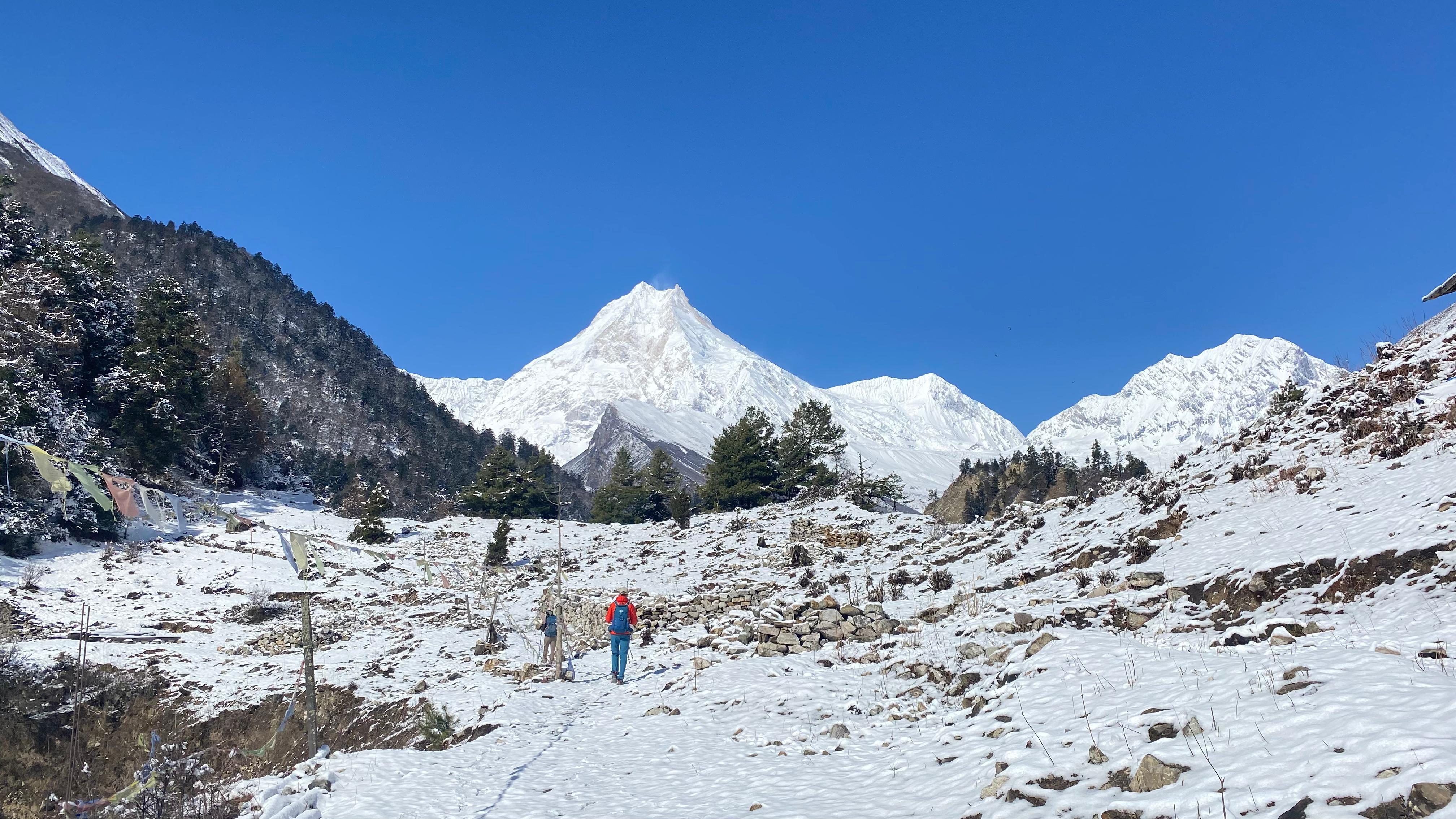
The track goes through light forests and over several suspension bridges before reaching the biggest settlement of the upper Manaslu region, Samagaon, from here. In this traditional Tibetan-influenced village, there are prayer walls, stone houses and monasteries. Once you have arrived, you can rest, walk around the village, or appreciate the great features of Mount Manaslu, which is rising above the valley.
Activity & Duration
4 to 5 hoursHighest Altitude
3520m / 11,549ft (Samagaon )Meals
Breakfast, Lunch, DinnerAccommodation
LodgeDay 08: Acclimatization Day at Samagaon with Hike to Birendra Lake or Manaslu Base Camp
It is a day for acclimatization to the higher altitude and a vital component of the trek. You’ll spend most of the day on a short hike to acclimatize, but view some amazing mountain views. The most popular choice is a hike to the beautiful and scenic Birendra Lake (3460 m / 11352 ft), a glacial lake surrounded by the rocky hills at the feet of Mount Manaslu.
For those who feel fit and want to go further, you can trek on to Manaslu Base Camp (4,800 m / 15,748 ft). This trail passes through the Manaslu Glacier and starts to get steep near the end, where you’ll be able to walk close to the glacier and to the surrounding peaks. After the hike, you will reach Samagaon again for another night.
Activity & Duration
3 to 7 hoursHighest Altitude
4800m / 15,748ft (Manaslu Base Camp)Meals
Breakfast, Lunch, DinnerAccommodation
LodgeDay 09: Trek from Samagaon to Samdo (3,875 m / 12,713 ft)
After Samagaon, the path is more open and rugged, less wooded and more open country. The path slowly ascends through Kermo Khanka, passing through yak grazing areas and the Budhi Gandaki Valley. As you climb higher, the views of the glaciers and neighbouring mountains grow impressive.
The path follows the glacier moraine, then ascends slightly to reach the traditional Tibetan village of Samdo, near the Nepal-Tibet border. It has a special cultural vibe and several Tibetan families inhabit the village. The rest of the day will be spent relaxing and/or strolling around the village, before tackling the higher ground up ahead.
Activity & Duration
4 to 5 hoursHighest Altitude
3875m / 12,713ft (Samdo)Meals
Breakfast, Lunch, DinnerAccommodation
LodgeDay 10: Trek from Samdo to Dharmasala (4,460 m / 14,633 ft)
This is a comparatively easy but higher elevation trek. The path then follows a gentle ascent through open alpine meadows which follow the Larkya Glacier. The walk traverses grazing grounds and then crosses the Salka Khola before ascending above it. On the way, you’ll find great views of the northern slopes of Manaslu and surrounding glaciers.
This leads you to Dharmasala (Larkya Phedi) by early afternoon, which is the last place before crossing Larkya La Pass. This is a small temporary village for housing trekkers. There is time for a bit of rest, fluid intake and preparations for the hard pass crossing early the following morning.
Activity & Duration
4 to 5 hoursHighest Altitude
4460m / 14,633ft (Dharmasala)Meals
Breakfast, Lunch, DinnerAccommodation
LodgeDay 11: Trek from Dharmasala to Bhimtang (3,590 m / 11,778 ft) via Larkya La Pass (5,106 m / 16,752 ft)
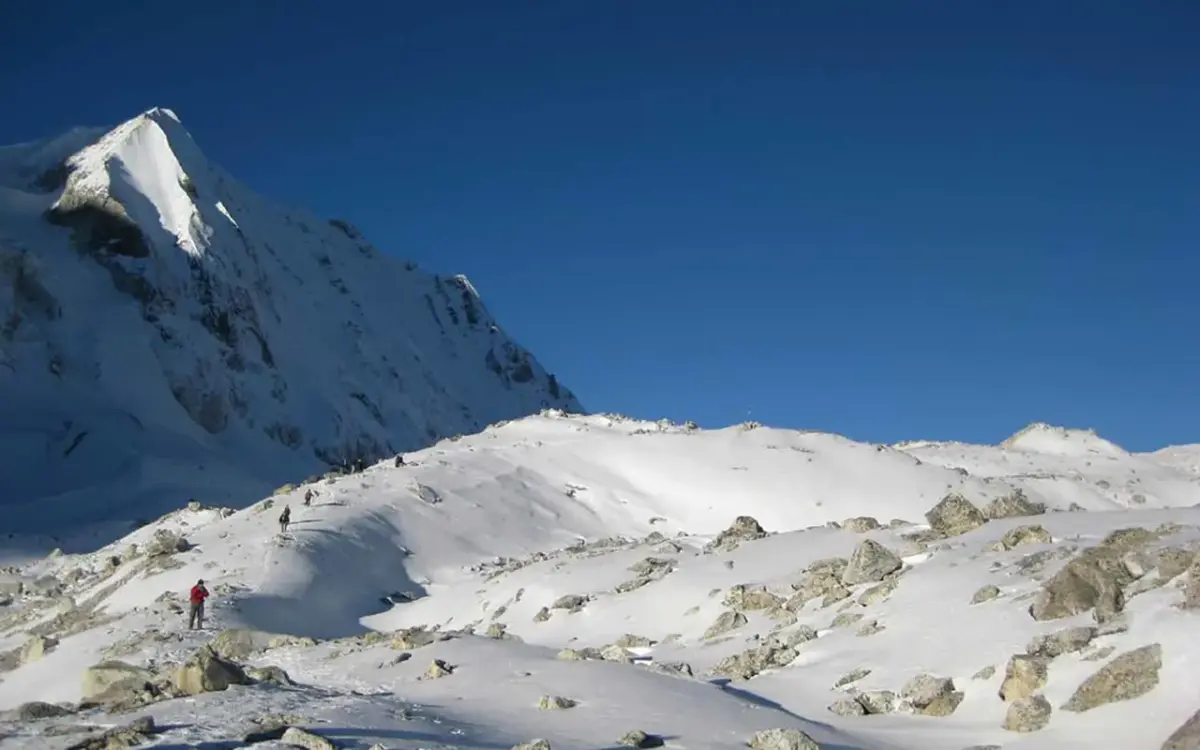
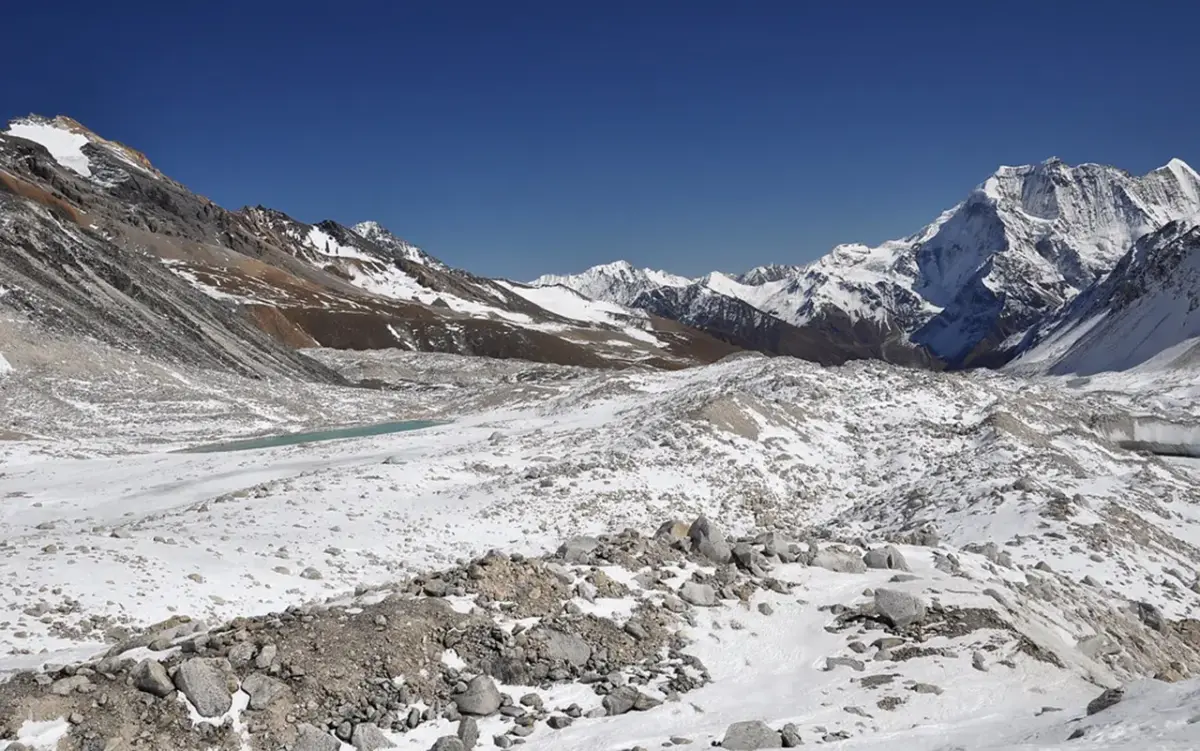
This is the hardest and best day during the trek. We depart early in the morning, enjoying the peace of the pre-dawn conditions, when we cross Larkya La Pass. The path ascends through the Larkya Glacier until it starts to rise steeply through rocky, snowy terrain. The last stretch is a bit harder but is worth it for amazing vistas of Himlung Himal, Kang Guru, Cheo Himal, Gyaji Kang, Annapurna II and other snow-capped mountains.
A long descent through both Larkya Kharka and the alpine meadows of Tanbuche follows after a few minutes at the pass. The trail eventually leads to the lovely village of Bhimtang amidst glaciers and peaks. You can unwind at the lodge and the quiet alpine environment is ideal for relaxation after a hard day’s work.
Activity & Duration
8 to 9 hoursHighest Altitude
5106m / 16,752ft (Larkya La Pass)Meals
Breakfast, Lunch, DinnerAccommodation
LodgeDay 12: Trek from Bhimtang to Goa (2,515 m / 8,251 ft)
The trail is followed after breakfast through beautiful alpine scenery until it slowly enters greener forests. After crossing a wooden bridge, we head towards Hampuk before passing some grazing grounds such as Jangli Kharka, Sangure Kharka and Puktu Kharka. The landscape is more distinct as the height lowers and pine forests take the place of the rocky high mountain landscape.
The track follows to Karche and then across the small Karche Pass (2715 m / 8907 ft). It then drops down gradually to the peaceful village of Goa, also known as Gho. Enjoy nice views of the hills, rivers and traditional villages along the way. Once you reach the Manaslu Circuit Trek, you’ll have the opportunity to unwind and toast to the completion of the most challenging part of the trek.
Activity & Duration
6 to 7 hoursHighest Altitude
2715m / 8,907ft (Karche Pass)Meals
Breakfast, Lunch, DinnerAccommodation
LodgeDay 13: Trek to Tilije, then Drive to Kathmandu
The last day is spent with a nice downhill walk along the river Dudh Khola. After we cross the forests, the farm and small settlements, we arrive at Tilije where our private car is waiting for us. After a short distance, we cross Dharapani where the Dudh Khola enters the Marshyangdi River and the famous area of Annapurna trekking starts.
We proceed along Dharapani Road to Besisahar and then back to Kathmandu via the highway. Along the way, the journey will take you through hills, rivers, villages and terraced fields. When you arrive in Kathmandu, you will check in at your hotel and will be given the rest of the evening free at your disposal to relax, enjoy a farewell dinner or explore Kathmandu one last time.
Activity & Duration
Trekking and private drive, 9 to 10 hoursHighest Altitude
1350m / 4,429ft (Kathmandu)Meals
Breakfast, LunchAccommodation
Three Star Hotel in KathmanduDay 14: Departure from Kathmandu
Today is the end of your Manaslu Larkya Pass trek. Our representative will send you to Tribhuvan International Airport from your hotel according to your flight time. The journey normally takes about 30 minutes, but may take longer during peak hours.
Please be sure to pack all your belongings and travel papers before leaving the hotel. If you have time to spare in Nepal, you can consider extending your time by doing another trek, another sightseeing tour, or another wildlife adventure. Hopefully you have great memories of the mountains, culture and people you met on the trip and look forward to coming back again in the future.
Activity & Duration
Airport transfer, 30 minutesHighest Altitude
1300m / 4,265ft (Kathmandu)Meals
BreakfastAccommodation
-Includes / Excludes of Larke Pass Trek
What is included?
- Private car pick up / drop off at the airport.
- Private jeeps from Kathmandu to Machha Khola .
- Private jeeps from the airport to Kathmandu.
- Three nights’ accommodation in Kathmandu with breakfast.
- Twin-sharing tea house accommodation while trekking.
- Lunch and dinner breaks along the way.
- Dinner was served at the end of each day accompanied by seasonal fresh fruits.
- Licensed, experienced, English-speaking trekking guide.
- For every two trekkers, one porter (portage combined weight is a maximum of 20kg).
- Guide and Porter Salaries, Insurance, Meals, accommodation and Transportation.
- Manaslu Restricted Area Permit (MRAP).
- Manaslu Conservation Area Permit (MCAP).
- Annapurna Conservation Area Permit (ACAP).
- Collects all necessary taxes and official charges from the Government.
- Detailed first aid kit with guide.
- Oximeter for normal oxygen saturation checks throughout the trek.
- Duffel bag for use on trek.
- Trekking completion certificate.
- Emergency response and coordination as needed.
What is excluded?
- International airfare (to and from Nepal).
- Entry visa fee in Nepal.
- High altitude trekking and emergency helicopter evacuation are included in the travel insurance.
- While in Kathmandu, lunch and dinner.
- Personal hiking gear and clothes.
- Hot showers, Wi-Fi, charging of batteries and laundry services.
- Tea, coffee, soft drinks, bottled water, alcoholic beverages and personal snacks.
- Shopping, tips, souvenirs, etc., which are personal expenses.
- Advice to the guide, porter and driver.
- Additional lodging or meals for any cause of delay, road closure, weather or personal circumstances.
- Other costs that are not expressly listed in the inclusions.
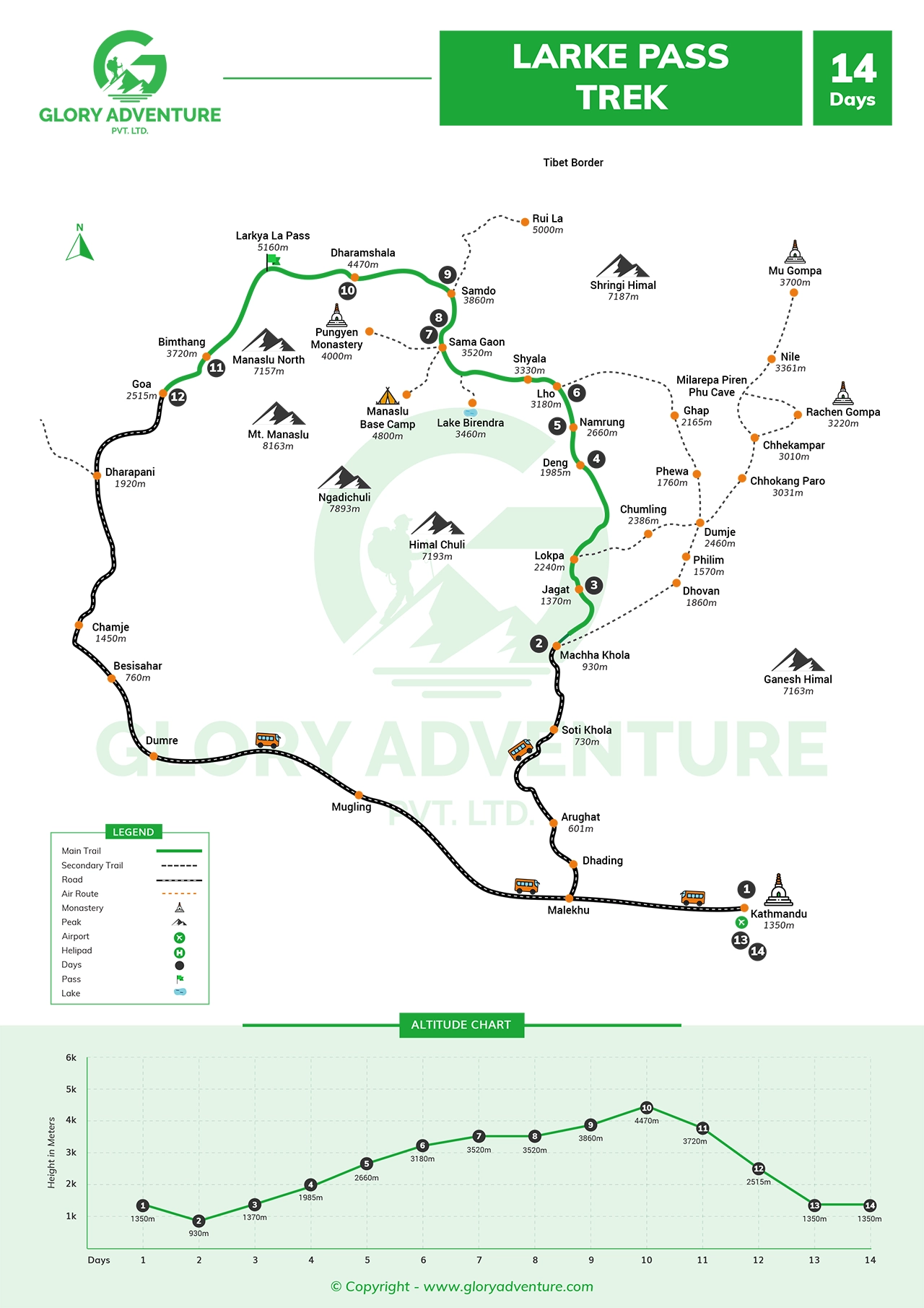
Route Map & Altitude Chart
Essential Information of Larke Pass Trek
Weather and the Best Season
The Larke Pass Trek can be done in various seasons, but the most comfortable ones are Spring (March to May) and Autumn (September to November). The weather is typically steady, the air is clear and daytime is mild in these months. Spring is also the time when the forests weave a carpet of rhododendrons at your feet and autumn is when you can enjoy clear skies and fresh air after the monsoon.
The winters are much colder above Samdo and Dharmasala. It can get very cold and heavy snowfall can cause closure of Larkya La Pass (5106 m / 16,752 ft). Trails may be muddy and slippery during the monsoon season and landslides can disrupt road travel.
Glory Adventure will keep you up to date on the latest weather forecasts before you travel and let you know what kind of clothing and equipment you’ll need for that season.
Difficulty and Altitude Sickness
The Larkya La Pass Trek is considered a moderately difficult to challenging trek. It covers long days of walking, long hard climbs and descents and high altitude. The days of this trek will be between 6 and 8 hours long, with a maximum of 9 hours on the day of the pass crossing. If physically prepared, previous trekking experience is helpful, but not required.
The summit of the trip is Larkya La Pass (5,106 m / 16,752 ft), where the reduced air pressure poses a heightened threat of altitude sickness. The common symptoms are headache, fatigue, loss of appetite, dizziness and sleep difficulties. Hiking at a moderate rate, drinking adequate fluid and observing the recommended acclimatization program significantly decrease the danger and increase your likelihood of a successful and safe hike.
Insurance, Visa and Permits for the Trip
Before embarking on the Larke Pass Trek, all trekkers are required to carry comprehensive travel insurance. Your policy should include coverage for high altitude trekking (over 5,106 m / 16,752 ft), emergency helicopter evacuation, medical treatment and trip cancellation. Bring a hard copy and digital copy of your insurance information along on the hike.
The majority of foreigners need a tourist visa to enter Nepal and they can apply for it either before coming into the country or at Tribhuvan International Airport. This hike is in a protected and restricted area and, therefore, multiple permits are necessary. These are issued as Manaslu Restricted Area Permit, Manaslu Conservation Area Permit (MCAP) and Annapurna Conservation Area Permit (ACAP). Glory Adventure will take care of all the necessary trekking permits and paperwork before your trip.
Training, Fitness Level & Mental Preparation
The Manaslu Larke Pass Trek is a demanding trek since it involves long days of trekking and a steady ascent in elevation. It is recommended to prepare 6-8 weeks ahead of your trip. Hiking, stair climbing, cycling, jogging and strength training will help make your body more accustomed to walking for several days and build endurance.
Mental preparation is also crucial. Weather in the mountains can turn rapidly, as can accommodation and some days of trekking are physically challenging. Be patient, positive and follow your guide’s instructions and the experience is bound to be enjoyable. Keep in mind that trekking is not a competition. With a moderate pace and sufficient rest, you will be able to reach Larkya La Pass (5,106 m / 16,752 ft) safely.
Risk Factors on the Trek
The Larke Pass Trek goes through remote mountain regions where weather and trail conditions may change very rapidly. Altitude sickness, snowfall, icy areas close to the pass, landslides during the monsoon and cold weather at high altitudes are possible risks. These risks can be minimised by careful planning and following the instructions of your guide.
The majority of the trails are well developed; some are narrow and rocky. When crossing suspension bridges and walking on uneven paths, it is important to be aware of your surroundings all the way. There are limited emergency medical facilities in the higher villages; so prevention is best. It is important to wear the right gear, drink plenty of water, eat regularly and give adequate acclimatization time in order to make the trek safely. Safety is always at the top of the list with Glory Adventure and they always keep an eye on weather and people’s health on the trail.
Health & Safety
The Larkya La Pass Trek involves crossing the mountains in remote regions where basic health precautions are important. By drinking plenty of water, eating balanced meals and getting plenty of rest each day, your body can acclimatize to the rising altitude. To prevent stomach illnesses, wash your hands regularly or use hand sanitizer before eating. Also bring along a personal first aid kit and your regular medications.
The upper part of the trail can be quite cold above Samdo and Dharmasala. Wear multiple layers to keep warm and shield from heat, wind and fluctuating weather. The guides at Glory Adventure are experienced and keep a close watch on your health throughout the entire journey and take the necessary steps if you develop symptoms of being at altitude.
Transportation
You will start your trek to Larke Pass from Kathmandu by a private jeep ride to the starting point of the trek, Machha Khola. The route runs both on the asphalt and on the rugged mountain roads, crosses rivers, passes through terraced fields, forests and traditional villages. The drive is long, but it is a good introduction to the Nepal countryside.
Once you have finished the hike, you will head back to Kathmandu on a bus or taxi while taking a stroll through Tilije. Roads in the mountain area may be rough at times after heavy rain, so travel times are approximate. Glory Adventure can organise all the necessary ground transport so that you are free to enjoy the trek and not have to worry about logistics.
Your Extra Expenses
Usually the Manaslu Larke Pass Trek package comes with accommodation and breakfast on the trek, permits, guide service and transportation. But you should also make a budget for personal expenses which are not covered by the package price.
Additional expenses may apply for hot showers, charging batteries, internet, drinking water (bottled/boiled), laundry, food (snacks, soft drinks, alcohol). Consider touring a monastery and purchasing souvenirs or making donations to the place. It is a common practice to tip the guide and porter in Nepal and is highly appreciated if the service is satisfactory. You should bring enough NRs with you before you leave Kathmandu as there are very few banking opportunities on the trekking trail.
Language & Communication
On your Larke Pass Trek you will encounter people from a variety of ethnic groups, including Gurung, Nubri and Tibetan-influenced villages. The national language is Nepali and local people use their traditional language as well. International visitors can easily communicate with many trekking villages in basic English, such as with the lodge owner and guide.
There are a few simple Nepali greetings that you can learn to make your interactions more enjoyable and a display of respect for the local culture. Namaste” and “Dhanyabad” (a term used for thank you) are appreciated. If traveling with Glory Adventure, your guide will also assist in the translation of conversations and understanding of local customs as needed.
Mobile Network, Internet & Charging Facilities
Cell phone reception is available on much of the Larke Pass Trek but decreases with altitude. NTC generally offers better coverage than Ncell in the upper Manaslu area, but coverage will not always be available in the remote areas of the trail.
The tea house will provide wi-fi in some places for an extra charge, but the speed of the internet is often slow and does not always work due to the weather and the network. Most lodges will charge you a small fee to charge your mobile phone, camera and other electronic devices. It is advisable to bring a fully charged power bank as there are fewer facilities for charging across Larkya La Pass (5,106 m / 16,752 ft).
Don’ts on this Trip
The Larke Pass Trek winds through isolated villages where traditional and religious life is an integral part of everyday existence. By following these traditions, visitors and locals alike can have a positive experience. In all cases, ask for permission before taking photographs of individuals, particularly monks, or at religious events. Dress modestly at monasteries and take off your shoes inside religious buildings.
Try not to litter on the trail at all and bring your own reusable water bottles when you can. Do not harm wildlife or collect plants in protected areas. Avoid alcohol and smoking at higher altitudes as it will make dehydration and altitude sickness more likely. You should not walk ahead of your guide or risk leaving the marked trail in areas where you are not familiar with the mountain.
Cultural Festivals on the Trail
The Manaslu Larke Pass Trek goes through villages with a rich Tibetan Buddhist culture, where traditional festivals are still significant to the life of the community. If you’re traveling during these events, you might be able to witness vibrant festivities, prayer services, traditional dances and village music performed at the monasteries and in the village squares.
The Lhosar festival, marking the Tibetan New Year, is one of the most significant events, when families gather, pray and perform cultural events. In addition, there are other Buddhist festivals observed throughout the year, depending on the local lunar calendar. These events are open to the public for observation in a respectful manner. If you are lucky enough to observe a festival, then your guide from Glory Adventure will tell you about what it means to the locals and help you understand the local customs.
Tips for First Time Nepal Visitors
The Larke Pass trek is a good introduction to the Nepalese mountain landscapes and culture but is a lot better fun if adequately prepared. Pack only what is necessary, wear comfortable trekking boots and dress in layers to adjust to temperature changes. A reusable water bottle and carrying personal medications are also recommended with you throughout the hike.
Nepal has its own currency, the Nepalese Rupee, while in remote villages, even ATMs are not available along the trek, so cash is preferred. Show respect for local customs by using “Namaste” as an introduction and as a means of catching the attention of others and take the advice of your guide throughout the walk. Adaptability to the weather and road conditions will make your experience a pleasant one and make the best use of your time in the Himalayas.
Frequently Asked Question (FAQ’s)
Yes. In Kathmandu, most hotels offer luggage storage facilities, allowing you to store any items you don’t need until you’re back.
No. Avoid relying on ATMs after Kathmandu as there are no reliable ATMs. Bring sufficient Nepalese cash with you for any personal expenses.
Yes. The majority of tea houses offer boiled drinking water, which is less hazardous than bottled water, for a small fee.
There are shared toilets in the tea houses. As you go up in elevation, facilities gradually get simpler.
Absolutely, physically fit teens with previous trekking experience, when properly supervised and prepared, can trek.
Yes. There are a few villages with Buddhist monasteries which allow visitors to enter in a respectful manner, outside the period of prayer.
There is a 20kg limit on each porter carrying up to 20kg of combined bags and packs to the trekkers, so each trekker should carry an average of 10kg.
Yes. Additional sightseeing, acclimatization or extra trekking days can usually be arranged before the start of your trip.
Himalayan birds, blue sheep, marmots and other native animals can be seen, but in accordance with seasons and weather.
Trip Reviews on Larke Pass Trek

Price starts from
US$ 1500
For group of minimum 3 Pax
US$
Need Help?
Managing Director
Saroj (+977-9806627713)
Related Trips

Saroj Sunar
Travel Consultant
Looking for a Private Trip?
Say Hello to Your Travel Consultant
Planning your next getaway? Our travel specialists are ready to design a fully customized package tailored to your interests. If you need help or have any questions, feel free to connect with us—we’re here to guide you from start to finish.
Price starts
US$ 1500
✖
Free Trip Planner
Talk to
Mr. Saroj Sunar