Talk to Mr. Saroj
- Home
- Destination
- Nepal Trekking
- Everest Region
- Everest View Trek
- Everest Base Camp Trek 14 Days
- Short Everest Base Camp Trek
- Luxury Everest Base Camp Trek
- Everest Base Camp Helicopter Trek – 12 Days
- Everest Base Camp and Gokyo Lakes Trek
- Everest Helicopter Tour in Nepal
- Gokyo Lakes Trek 12 Days
- Everest Three High Passes Trek
- Pikey Peak Trek – 10 Days
- Ama Dablam Base Camp trek – 9 Days
- Everest Region
- Annapurna Region
- Dhampus Sarangkot Trek
- Short Poon Hill Trek 3 Days
- Ghorepani Poon Hill Trek 4 Days
- Ghorepani Poon Hill Trek – 8 Days
- Mohare Danda Trek – 9 Days
- Annapurna Base Camp Heli Trek
- Short Annapurna Base Camp Trek- 6 Days
- Annapurna North Base Camp Trek– 9 Days
- Short Mardi Himal Trek
- Annapurna Base Camp Trek – 10 Days
- Mardi Himal Trek – 10 Days
- Annapurna Base Camp Trek Via poon Hill
- Ghorepani Poon Hill with Mardi Himal Trek
- Annapurna Base Camp and Mardi Himal Trek
- Short Annapurna Circuit Trek
- Annapurna Circuit Trek with Tilicho Lake
- Khopra Ridge Trek
- Kori Himal Trek -10 Days
- Nar Phu Valley Trek with Kang La and Thorong La Pass- 17 Days
- Ghorepani Poon Hill Yoga Trek
- Annapurna Base Camp Trek
- Annapurna Region
- Travel Info
- Company
- Contact
 Plan Your Trip
Bookings open for the 2026-2027 season! Start planning your dream journey.
Nepal Bhutan Tour – 10 days

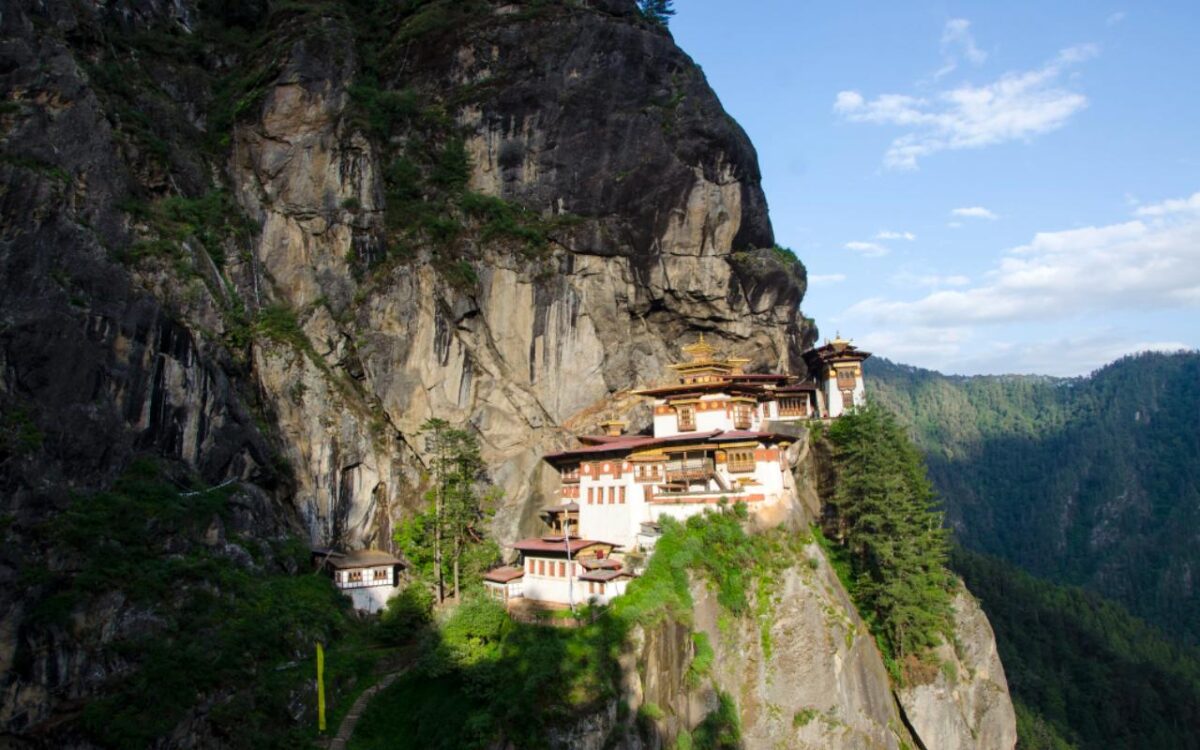
Tiger Nest Monastery
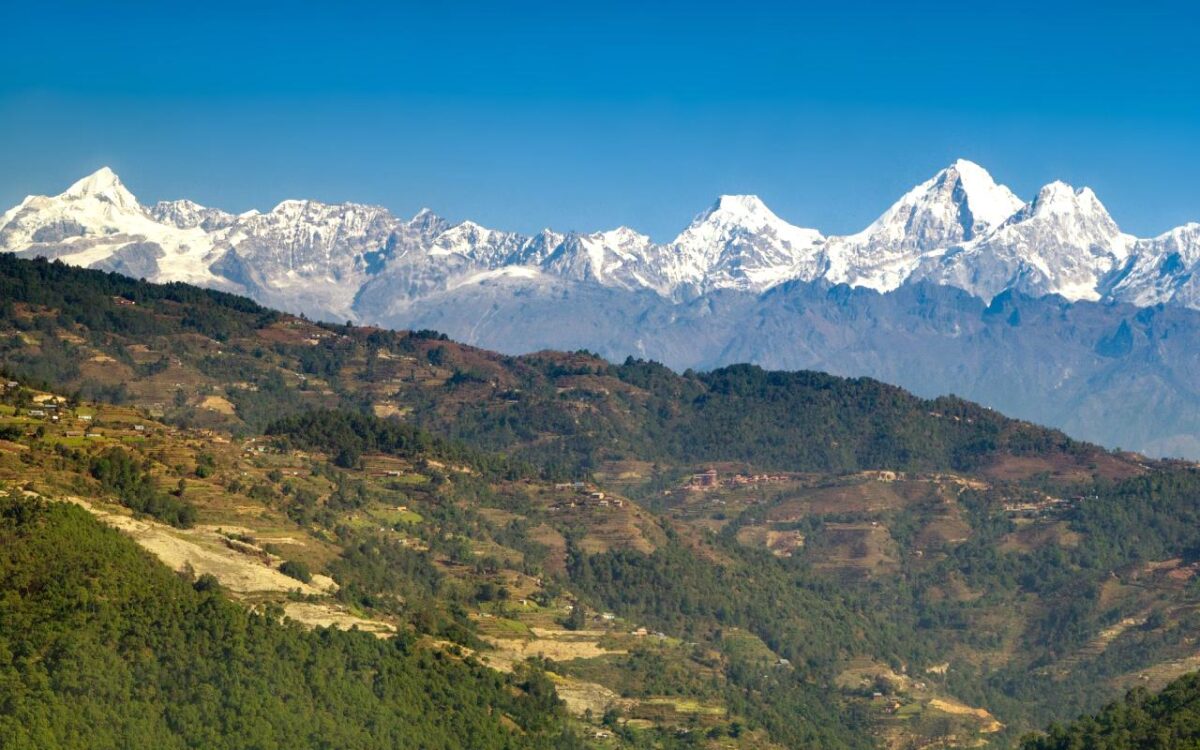
Nagarkot View
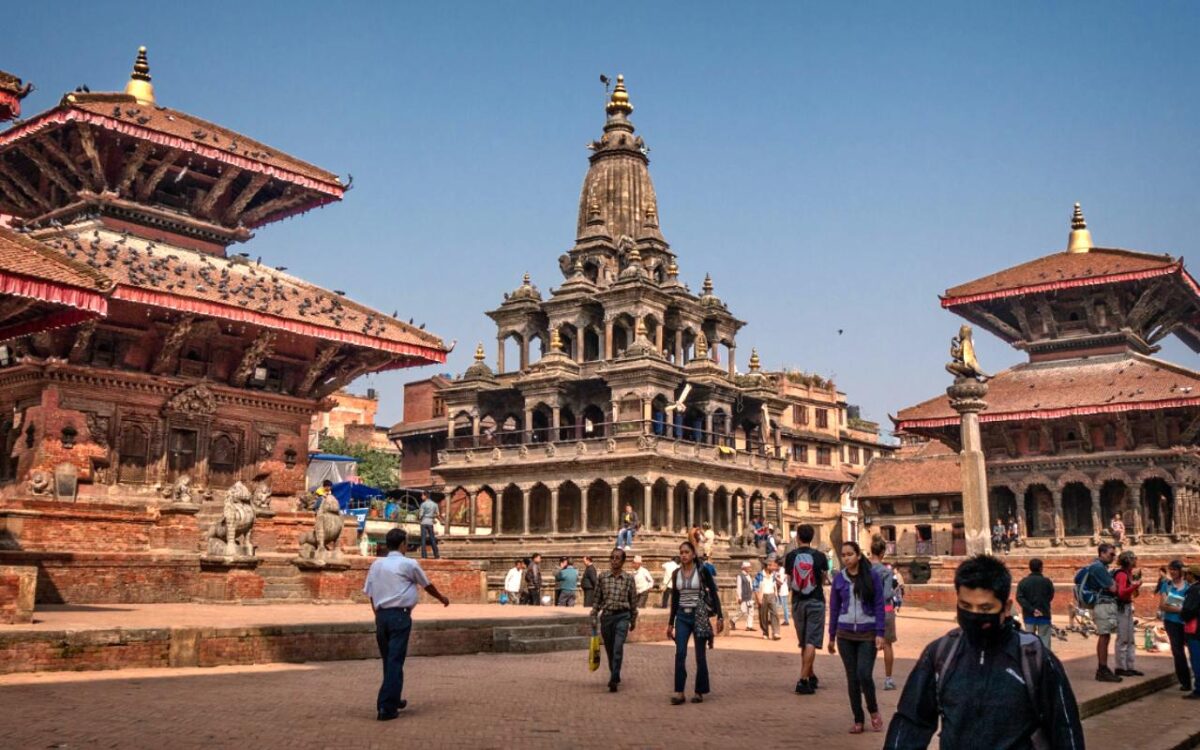
Patan Durbar Square
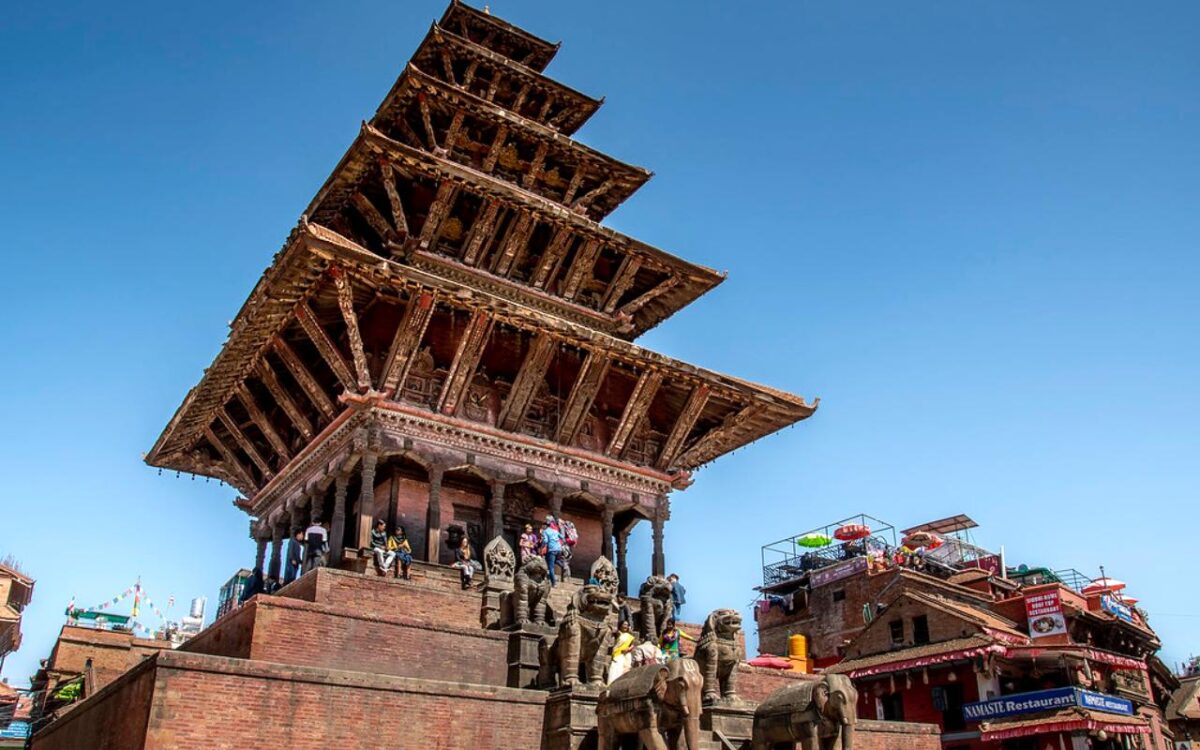
Bhaktapur Durbar Square
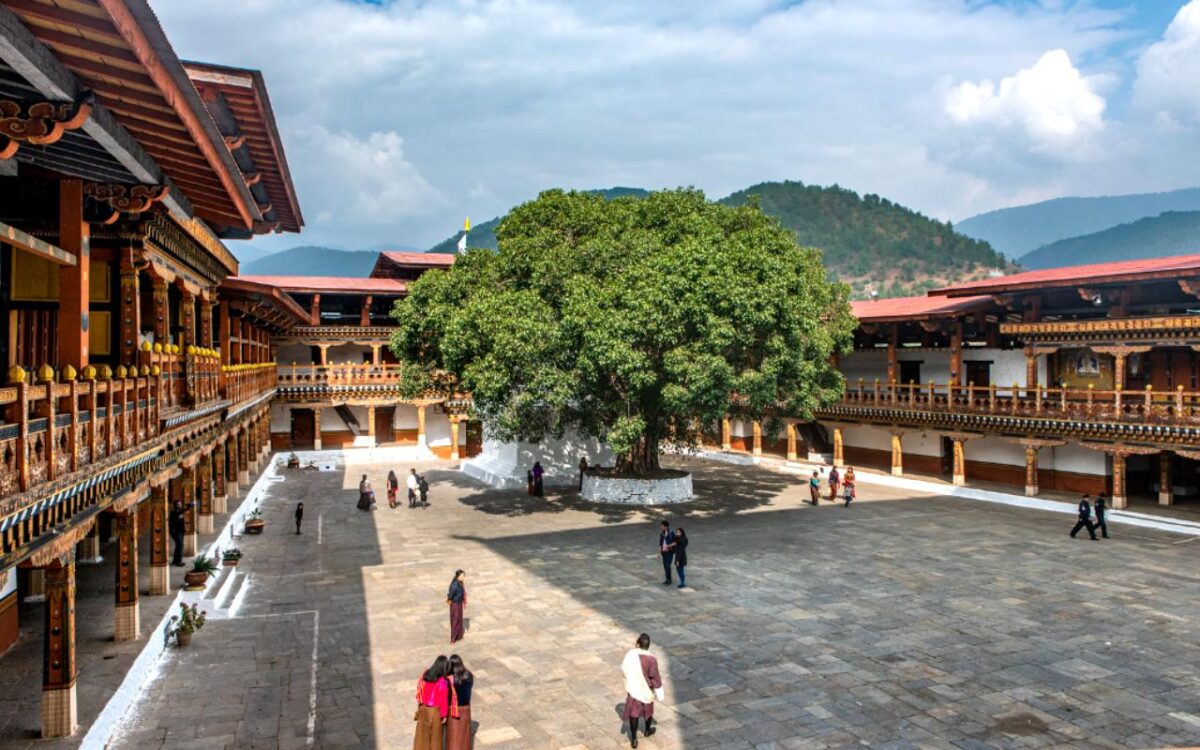
Punakha Dzong
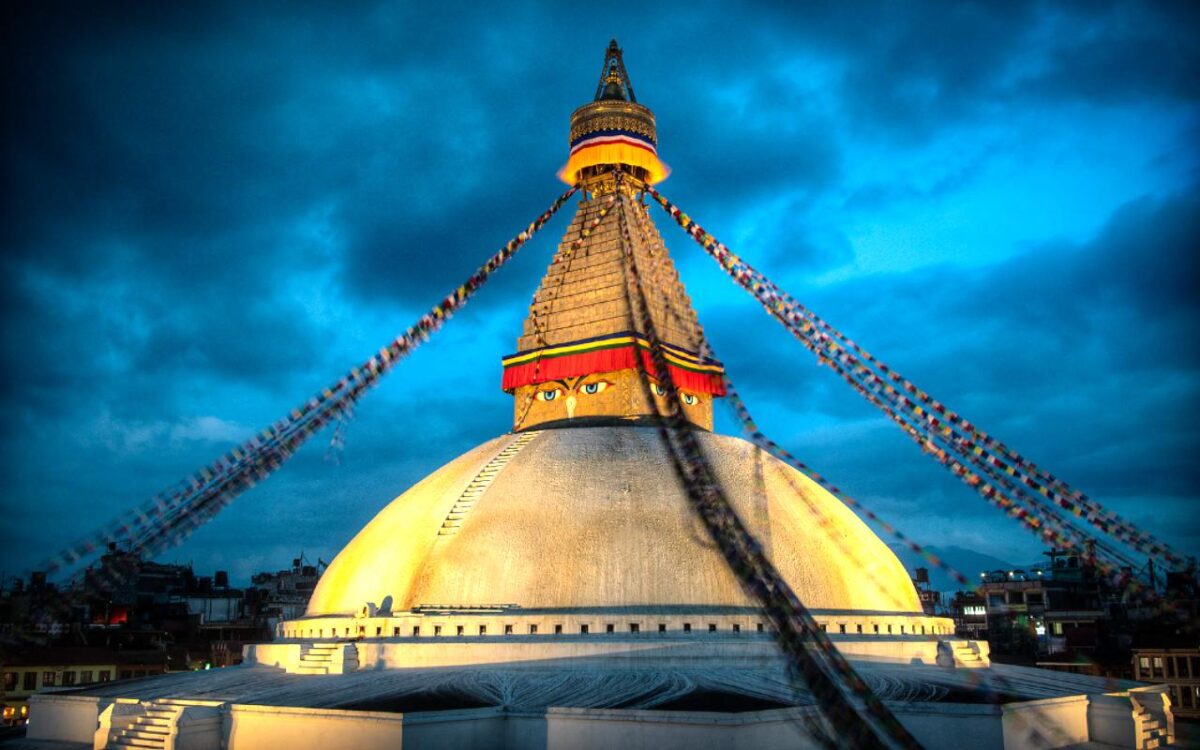
Boudhanath Stupa
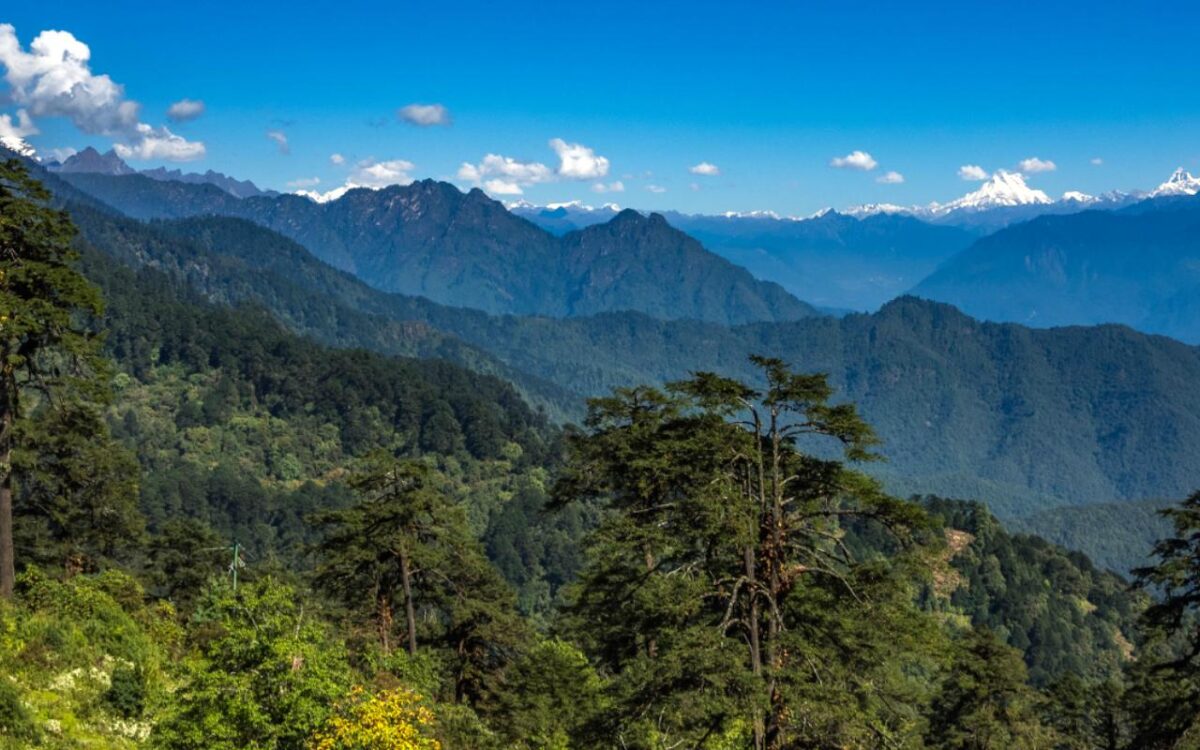
Dochu La Pass
Price starts from
US$ 2280
For group of minimum 3 Pax
Group Discount Price
-
1 personUS$ 2400
-
2 over
9999
US$ 2280
US$ 2400
Need Help?

Managing Director
Saroj (+977-9806627713)

Duration
10 Days

Trip Difficulty
Easy

Max Altitude
3,558m / 11,673ft

Activity
Sightseeing, Tour

Destination
Bhutan, Nepal

Group Size
1-20 People

Accommodation
Hotel

Meals
Breakfast, Lunch ,Dinner

Transportation
Flight, Private Vehicle
Highlights of Nepal Bhutan Tour – 10 days
- UNESCO World Heritage routes Kathmandu Valley (Kathmandu: Pashupatinath Temple, Kathmandu: Boudhanath Stupa, and Kathmandu: Patan Square).
- Panorama of Nagarkot, view of the Himalaya sunrise or sunset.
- Man-made mountain flight between Kathmandu and Paro with the Everest and the Everest range scenery.
- The most notable site of the Trek to Bhutan is the Tiger’s Nest Monastery, located on a cliff.
- And majestic Bhutan sa Dzongs and temples in Paro, Thimphu, and Punakha (Rinpung Dzong, Punakha Dzong, etc.).
- The immersion into the local culture in the Himalayan villages, local markets, and vibrant festivals.
Trip Overview of Nepal Bhutan Tour – 10 days
A Nepal Bhutan Tour provides a visitor with the unique prospect to visit two grand Himalayan kingdoms within one trip and explore the unique and beautiful terrain, in addition to spiritual revelation. This 10-day adventure will start in Kathmandu, the ancient city full of centuries-old temples and colorful markets, and medieval palaces, which will prepare you for the trip.
During this Nepal Bhutan Tour, you will be able to explore the Nepal bazaars, taste some real Nepalese food in family restaurants, and also get to see some of the traditional festivals and rituals that depict a rich heritage in Nepal. One such place is the medieval city of Bhaktapur, where woodwork, pagodas, and narrow streets made of cobblestone will take you back in time.
The tour starts in Kathmandu, followed by a picturesque flight to Bhutan around the Himalayas, where you have a bird’s-eye view of snow-capped mountains. The isolated Buddhist state of Bhutan is famous for its cliff monasteries, fort-like dzongs, and clean valleys.
In this Nepal Bhutan Tour, you will be hiking to one of the most famous monuments in Bhutan, the Tiger Nest Monastery, located high up on the mountainside in Paro; this is a stunning spiritual experience.
The tour given by Glory Adventure also entails trips to Thimphu, the capital city of Bhutan, where you will be able to visit museums, traditional crafts markets, and colorful street life, and to Punakha, from where the riverside Punakha Dzong and idyllic small mountain villages give the impression of a relief from bustling city life.
Food experiences add extra flavour to this Nepal Bhutan Tour as tourists get to enjoy the traditional dal-bhat in Nepal and the spicy ema datshi in Bhutan, staying in well-furnished, comfortable hotels.
Every day is a new view: whether it is a valley in the Kathmandu Valley included in the UNESCO World Heritage list, or a panoramic sunrise in Nagarkot, the green valleys of Bhutan, grand palaces, or peaceful villages.
It can be the search for ancient buildings, the hiking around sacred locations, or warm Nepal and Bhutanese hospitality: this Nepal Bhutan Tour will be an adventurous journey, a culture, and nature all in one.
Essentially, a Nepal Bhutan Tour is not just a trip, but a voyage through two kingdoms that are rich in spiritual heritage and some of the most beautiful sceneries along the Himalayan ranges, the embodiment of cultural experience, the beauty of nature, and the most memorable experiences.
Itinerary of Nepal Bhutan Tour – 10 days
Day 01: Arrival in Kathmandu – City Welcome
Land at Tribhuvan International Airport, Kathmandu (1400m), where the driver receives you and has a short 6 km journey (30 minutes) to your hotel in Thamel.
Once you have checked in, do relax or take a pleasant stroll around the busy streets of Thamel.
Later in the afternoon, the group meets for a welcome briefing where they are told about the Nepal Bhutan Tour itinerary, local customs, currency, and the culture of tipping.
Unless time is of the essence, go to the peaceful Garden of Dreams or take a ride to Swayambhunath Stupa (Monkey Temple) to experience the sunset sights of Kathmandu.
During the evening, enjoy a traditional Nepali welcome meal, which is a sample of the countryside food.
This is a trendy first day to familiarize with the altitude and to establish the tone for the immersion experiences that are to occur later on during the Nepal Bhutan Tour.

Highest Altitude
1400m / 4,593ft
Meals
Welcome Dinner
Accommodation
HotelDay 02: Kathmandu Cultural Tour – Heritage Sites
The modern-day all-day cultural tour includes up to 15 km of sightseeing (and about 8-9 hours) that reflects the heritage of Kathmandu Valley.
One can begin with Boudhanath Stupa, which is one of the largest Buddhist structures in Asia and is at the core of the spiritual heart of Nepal, after breakfast.
Move to Pashupatinath Temple, which is located along the Bagmati River, where the sacred rituals are being performed by pilgrims.
Have lunch around and then go sightseeing to the Patan Durbar Square (Lalitpur) with 17th-century palaces, carved temples, and traditional artisans.
Provided that there is time available, climb up to Swayambhunath Stupa to have a panoramic view of the city and valley. The informed guide demonstrates the cultural and historical importance of each location.
Evening is not so occupied with sightseeing, and one can visit the markets of Thamel or taste local products. The day is an ideal introduction to Nepalese culture and culture, which is a must-have feature in any Nepal Bhutan Tour.

Activity & Duration
Cultural TourHighest Altitude
1400m / 4,593ftMeals
BreakfastAccommodation
HotelDay 03: Bhaktapur Durbar Square & Nagarkot Hilltop
Take an 8-9 hour, 32km long, loop drive across Kathmandu, Bhaktapur, Nagarkot, (30-40km) km up to Nagarkot at about 2175m. Start with the area of Bhaktapur Durbar Square, which has 15th-century temples, palaces, and galleries of artisans.
Observe the local practice of the pottery industry and taste the popular JuJu Dhau yogurt. Following a cultural morning, have lunch in Bhaktapur and then climb Nagarkot, which is a picturesque hill station with some of the best Himalayan panoramas.
Look out of the ridge: during clear days, a sunrise or a sunset sufficiently far beyond the range of the snow-capped mountains–many of them of the Annapurna group, and beyond Langtang, as well.
Go back to Kathmandu in the evening. This day is a blend of both heritage and natural beauty, combining Nepal’s medieval charm with Himalayan scenery, an unforgettable part of your Nepal Bhutan Tour that almost perfectly introduces the spiritual contours of Bhutan to come.
Activity & Duration
8-9hrs driveHighest Altitude
2175m / 7,136ftMeals
BreakfastAccommodation
HotelDay 04: Fly to Paro, Bhutan – Paro Sightseeing
The early morning flight takes you from Kathmandu to Paro, Bhutan, a distance of approximately 406km within a period of about 1 hour 20–25 minutes.
Visiting Nepal Bhutan Tour is an unforgettable excursion that takes a scenic flight over the Himalayas on one of the tour days, which is a memorable experience where, in clear weather, you see the snow-covered mountains, including the Everest.
On arrival at the Airport at Paro, your guide takes you to Ta Dzong, the National Museum, where Bhutanese fine art, weapons, and cultural relics are exhibited.
Then go to Kyichu Lhakhang, a temple of the 7th century, which is regarded as one of the most ancient and religious temples in Bhutan.
The day is now followed by a trip to Rinpung Dzong, a fortress-monastery of architecture that is impressive and which peaks in the Paro Valley.
The lunch and dinner will be part of the local restaurant or hotel, which will provide you with the flavor of the traditional Bhutanese cuisine.
This is the first day of your visit to the Bhutanese country in your Nepal Bhutan Tour, and it is both the best introduction to the kingdom and also introduces you to the country in the most fascinating way ever.
Activity & Duration
1.5hrs flightMeals
B L DAccommodation
HotelDay 05: Hike Taktsang (Tiger’s Nest) Monastery – Drive to Thimphu
This trip starts with a 6.4 km round-trip hike to Taktsang Monastery, a 3120 m dramatic cliff, after breakfast in Paro.
The 2–3-hour walk is located in pine forests, and the view of the Paro Valley that is located down the hill is breathtaking and is one of the best things to do in any Nepal Bhutan Tour.
Taktsang or Tiger Nest is the most recent and the most sacred temple in Bhutan and has a substantial spiritual background.
Then have lunch, and then a 50km, say 2 hours’ drive, to Thimphu, capital of Bhutan. You can have some rest or go on a quick walk around the Thimphu city center and go to the local markets or stores upon your arrival.
Dinner is served at the hotel. A light mix of adventure and cultural sightseeing, this day unites one of the most mythical places in Bhutan with the gentle progression of the journey into the very core of the bustle of Bhutanese culture on your Nepal Bhutan Tour.
Activity & Duration
2-3hrs hikeHighest Altitude
3119m / 10,233ftMeals
B L DAccommodation
HotelDay 06: Thimphu City Tour – Bhutan’s Capital
The historical tour offers a sightseeing excursion of approximately 8 hours around Thimphu city, visiting about 15 km of the Bhutan tradition and culture today.
Start with Kuensel Phodrang, where one can view the giant statue of Buddha Dordenma at 2,334 m, overlooking the valley.
Next visit Takin Preserve, which houses the national animal in Bhutan, and afterwards the gilded Memorial Chorten, which is one of the significant religious sites.
Lunch and in the afternoon have a visit to the National Textile Museum and Folk Heritage Museum to know about the weaving, paper making, and local handicrafts in Bhutan.
The afternoon will consist of a tour of a crafts bazaar to acquire souvenirs. There are breakfast, lunch, and dinner at your hotel or your local restaurants.
One of the main attractions of the Nepal Bhutan Tour is being introduced to the royal history, spiritual sites, and colorful markets of Thimphu, which provide those who visit Nepal with the opportunity of getting an emotional and cultural experience and impression.
Activity & Duration
8hrs tourHighest Altitude
2334m / 7,657ftMeals
B L DAccommodation
HotelDay 07: Punakha via Dochula Pass – Lungchutse Hike
Have breakfast and drive to Punakha (77 km) and stop at Dochula Pass (3,100 m), a scenic drive of 77km out of Thimphu.
In this case, it is housed with the 108 memorial chortens that have been used to honor the Bhutanese soldiers, and the best days are the clear days because they have the Himalayan panoramas that are customized to take amazing photographs to add to the memory of your Nepal Bhutan Tour.
Proceed to Punakha (1,250 m) and have lunch, and then a 4 km uphill walk to Lungchutse Temple, 3,560 m high, and reach it in about 2-3 hours. The path goes through pine forests and provides grand sightseeing of such mountain peaks as Jomolhari.
Then, go down further and check out the beautiful Punakha Dzong, which is situated at the junction of the Pho Chuy and Mo Chuy rivers, both of which have ornate architectural designs and a rich history.
Go to the hotel to have dinner, spend the night at the hotel, and soak in the tranquil atmosphere of this classic Bhutan valley, a part of the Nepal Bhutan Tour.
Activity & Duration
2-3hrs hikeHighest Altitude
3100m / 10,171ftMeals
B L DAccommodation
HotelDay 08: Punakha – Gangtey (Phobjikha) Valley – Paro
Then, post-breakfast, you take a long, picturesque journey into the heart of Bhutan, a distance of 260km, which is one of the important parts of your Nepal Bhutan Tour.
Visit Gangtey (Phobjikha) Valley, a high, deserted glacial valley at an altitude of 3,000 m, where the wintering black-necked cranes can be found.
Attend Gangtey Gompa of the valley, which is a big monastery that stands over the valley with a wonderful view of the background forest and farmlands. Keep going westward, passing through Wangdue Phodrang and Bjena villages through thick pine forests, terraced lands, and rivers.
Between 8-9 hours are spent on the drive, stopping every few hours to take photos and refreshments, giving one a complete exposure to the rural scenery of Bhutan.
In the evening, come to Paro and stay at the hotel, and have dinner. This day presents a chance to see the cultural and natural diversity of Bhutan, which is exactly the complement of the previous points of your Nepal Bhutan Tour.
Activity & Duration
8-9hrs driveHighest Altitude
3000m / 9,843ftMeals
B L DAccommodation
HotelDay 09: Paro – Fly to Kathmandu – Leisure Day
In the morning, have breakfast and take a flight to Kathmandu (around 406km and about 1.5 hours), a picturesque flight across the Himalayas and an unforgettable moment of any Nepal Bhutan Tour.
After landing, take the transfer 6km (about 30 minutes) to your hotel in Thamel. Afternoons and evenings are available on a free basis, contingent on the activities which could be taken to pass in Thamel, either by walking its vibrant markets, creating a final Nepalese dinner, or Getting Gifts.
It can be a good time to recount the fantastic experience of the journey in the two Himalayan kingdoms, the spiritual temples and dzongs of Bhutan, to the colorful streets of Kathmandu, and the heritage sites.
Dinner is not famous, and you can get to experience the local flavors at your own speed; therefore, the last evening of this Nepal Bhutan Tour will be a relaxing and enjoyable one.
Activity & Duration
1.5hrs flightHighest Altitude
1400m / 4,593ftMeals
BreakfastAccommodation
HotelDay 10: Departure from Kathmandu
Have your breakfast at your hotel, then check out and take a 6 km (approximately 30 minutes) drive to Tribhuvan International Airport for your departure.
This is the end of the Nepal Bhutan Tour and will be remembered as you leave Nepal, with the memorable Himalayas, ancient temples, monasteries on cliffs, and the most hospitable people in Nepal, India, and Bhutan.
Imagine the exercise of getting out of the busy streets of Kathmandu and heading to the beautiful valleys and sacred places of Bhutan. The airport personnel aid in the check-in and departure proceedings, which will be a nice climax to the tour.
The end of the trip does not in any way dull the experience, cultural learning, and panoramic sights to enjoy stories and photographs about.
All of them – Kathmandu to Paro, Thimphu to Punakha – are legacies to the special combination of adventure and culture in this special Nepal Bhutan Tour.
Highest Altitude
1400m / 4,593ftMeals
BreakfastIncludes / Excludes of Nepal Bhutan Tour – 10 days
What is included?
- Pick-up and drop-off of the private vehicle at the airport.
- Kathmandu-Paro round-trip flight (taxes included).
- All rooms (twin) in hotels/lodges for 9 nights.
- Professional English-speaking guides (one in Nepal, one in Bhutan) and all ground transportation according to the itinerary.
- All of the mentioned meals (mostly breakfasts; everything in Bhutan).
- Admission charges/ticket door to all the planned sightseeing (museums, temples, parks).
- Bhutan visa charges and royalties charged by the government.
What is excluded?
- Air fares to Kathmandu abroad.
- A visa charge in Nepal (can be acquired upon entry; price is not mentioned).
- Travel insurance (hospital and evacuation cover).
- Dinners and lunches in Nepal (unless otherwise mentioned above).
- Personal expenditures (drinks, laundry, telephone, internet charges, and so on).
- Gifts and bribes to guides, drivers, and hotelers.
- Other activities and entrances are not included in the list (e.g., cultural shows, pony rides).
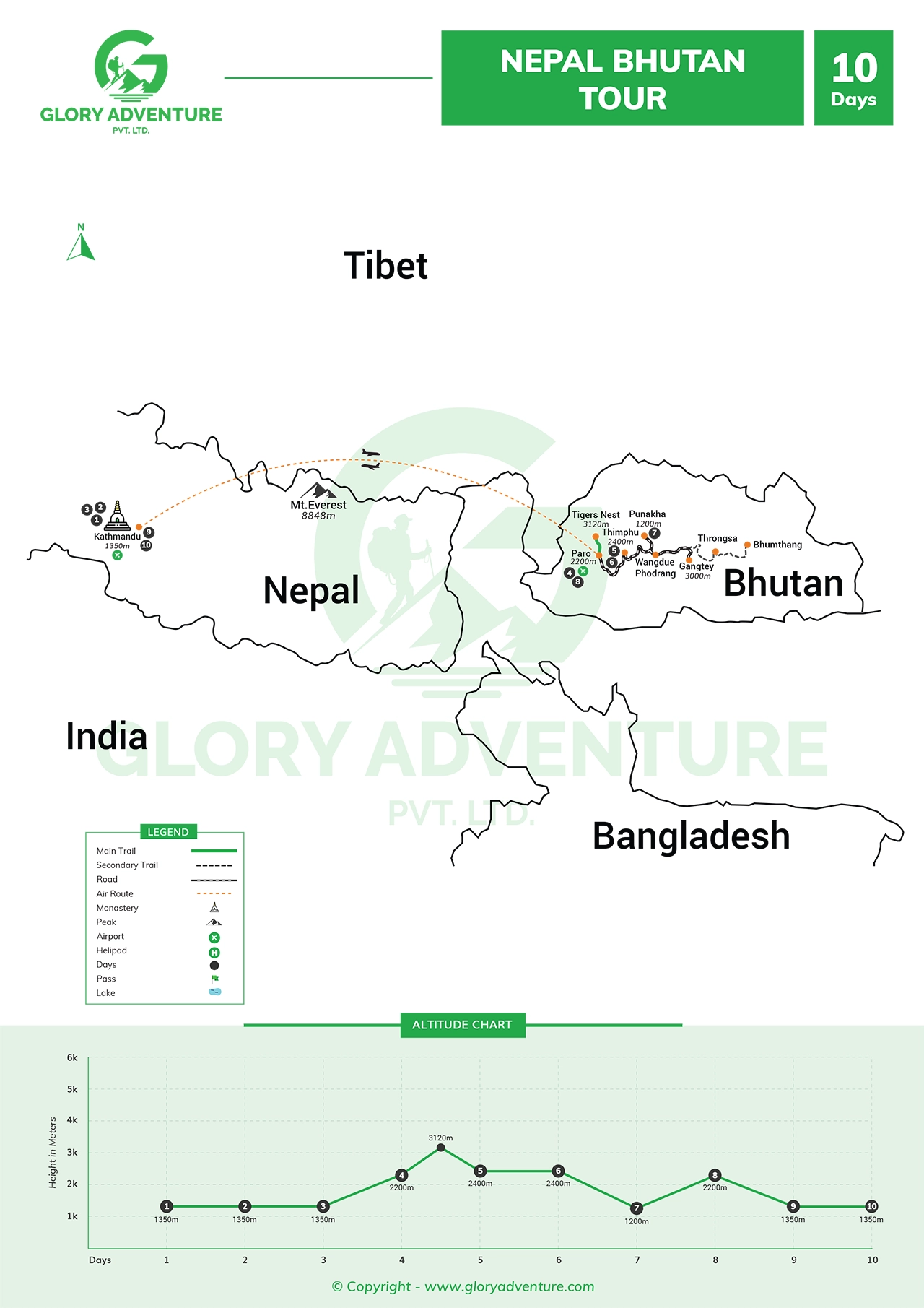
Route Map & Altitude Chart
Essential Information of Nepal Bhutan Tour – 10 days
Weather and Best Season
The Himalayan monsoon climate in Nepal and Bhutan makes time very important during the successful Nepal Bhutan Tour. Spring (March-May) and autumn (September-November) are considered the most appropriate times to travel.
During spring, it is warm in the day, rhododendrons are in blossom in the valleys, and sightseeing, whether in Kathmandu with its temples or the Tiger Nest in Bhutan, is pleasant.
Autumn also means clear skies, mountain air, and clear visibility of the Himalayan mountains on scenic flights such as Kathmandu-Paro (406km, approximately one hour).
The Summer (June-August) is during monsoon season, and due to torrential rains, it restrains the outdoor activities and makes trails dangerous when hiking to Lungchutse Temple (3,560 m). The hills are cold in winter (Dec-Feb) with mornings below zero, but lower valleys like Punakha will be sunny.
In this Nepal Bhutan Tour, the warm days and cold nights will require packs and rain gear in case of the late summer months, with the weather and climate beginning to change, so that sightseeing, hikes, and visiting the culture would be comfortable.
Difficulty and Altitude Sickness
This 10-day Nepal Bhutan Tour is easy to moderate in nature. The majority of the sightseeing is done by cars, 6-77km (30 minutes-3 hours) of short transit in the city and limited walks, which are accessible to the larger part of travelers.
The main highlights, which include Taktsang Monastery (3,120 m) and Lungchutse Temple (3,560 m), entail 2–3-hour ascents of 4-6 km of mountainous pine forest, the views of which are panoramic of the Himalayas.
Part of the Tiger Nest trail has ponies or horses at an additional set charge. Altitude is acquired slowly, eliminating the threat of serious cases of altitude sickness, but light symptoms may manifest above 2,500 m.
The precautions involve gradual ascending, drinking water, and alcohol should be avoided during the first day. Bring a first aid kit, own drugs, sunscreen, lipstick, and sunglasses.
This Nepal Bhutan Tour enables the participant to have scenic drives, enjoyment of cultural sites, and hikes, which can be made comfortable with preparation.
Insurance, Visa, and Permits
Medical evacuation and trip cancellation in the form of a comprehensive travel insurance is highly advisable for your Nepal Bhutan Tour, to undertake a safe and hassle-free trip to the country; it is not covered by the package. Both Nepal and Bhutan require visas for people traveling. Visa-on-arrival.
The Nepal visa is available at Tribhuvan International Airport in Kathmandu (visa fee not included), and the hotel transfer within 6km (approximately 30 minutes) is included in this.
Bhutan visa is to be organised by a licensed tour operator, and Bhutan visa is going to be organised in Bhutan by Glory Adventure through the submission of passport copies and photos.
The passport that you are using should have a minimum of six months remaining to the date of the tour. The package will include Bhutan visa charges and Sustainable Development Fee (SDF).
To visit as many cultural sights as possible, hiking to Taktsang Monastery, Lungchutse Temple, and driving tours around Bhutan and Nepal, it is important that the visa, permits, and insurance are prearranged to enjoy this immersion in Nepal Bhutan Tour.
Health & Safety
Generally, Nepal and Bhutan are safe and friendly destinations, so this Nepal Bhutan Tour would be suitable for most tourists. The tap water of both nations is not drinkable and therefore use the bottled or filtered water; most hotels offer the filtered water. Food in tourist spots is of high standards, although, with a delicate stomach, have freshly cooked dishes and/or no icy cold vegetables.
There are common drugs such as pain relief and stomach medicine in Kathmandu and Thimphu; however, carry along the prescription medicines that you require.
The laws in both nations are very rigid, with Bhutan having a strict tobacco importation policy (up to 200 cigarettes and tobacco by weight, depending on the category) and severe penalties for illegal drugs or pornography. The use of sunscreen and insect repellent is recommended, particularly in the valleys or on sunny days.
There are emergency medical facilities in large cities; small, remote regions only have first aid. You should always carry a small first-aid kit in case of a hike or drive, so that you are safe on your Nepal Bhutan tour.
Transportation
The entire transportation and sightseeing of this Nepal Bhutan Tour will be in private cars. In Kathmandu, commuters are driven in comfortable vehicles or vans, whereas in Bhutan, the commuters are driven in 4×4 fuel-guzzlers or mini-buses through routes that are very narrow. The tour package includes the flight Kathmandu-Paro round-trip (1-1.5 hours, ~406 km).
Thamel is approximately 6-7 km away from Kathmandu airport (takes about 30 minutes by traffic to get there, again depending on traffic conditions), and Bhutan roads (greater length of any drive, no matter the direction) are long, consequently scenic, but slow.
The drivers are seasoned and offer assistance with luggage, stops, and roadside assistance. During hiking days like the Tiger Nest monastery hike (6.4 km, and approximately 2-3 hours one-way), horses or ponies can be hired at an additional fee.
Seat belts are available in all the vehicles, and this makes them safe. Transportation Systems are efficient so that you can enjoy all the highlights of the Nepal Bhutan Tour not being bothered with logistics.
Your Extra Expenses
Although the primary services and meals are part of the package, there are other costs to consider when visiting Nepal Bhutan Tour. Flights in and out of Kathmandu, Nepal, visas are USD 30 (15 days), USD 50 (30 days), USD 125 (90 days) (standard tourist visa), and overall tourist travel insurance is also excluded. Lunch and dinner are usually out-of-pocket in Nepal, except on Day 1 during the welcome dinner.
Extras include drinks like bottled water, soft drinks, tea, or coffee. Guides, drivers, and hotel employees are expected to receive tips. Additional expenses can also be optional activities, such as cultural shows, pony ride to Tiger Nest (prices may range between US$30 and 40), or luxurious accommodation.
Some of the attractions in Bhutan have a minimal photography fee. Extra expenses of a personal nature, such as souvenirs, washing, telephone calls, etc. By accounting for such costs, one is guaranteed a trouble-free Nepal Bhutan Tour to enjoy the culture, scenic tours, and memorable hikes.
Language & Communication
Nepal, as well as Bhutan, has Nepali and Dzongkha as the official languages, respectively; therefore, they are the key factors in the cultural identity of this Nepal Bhutan Tour. Most of the hotels, restaurants, and shops that you will visit and be accompanied by could easily communicate using English, and where the people do not speak fluent English, your guide will translate.
The signage in the city is normally bilingual, using English and local writing, and this assists in navigation and sightseeing. A few simple phrases can be respectful: in Nepal, Nepal can be greeted with Namaste, and in Bhutan with Kuzuzangpo la; in Nepali, one can say Dhanyabad (thank you), and in Dzongkha, they can say Kadrinchey la (thank you).
Speaking the local language helps to improve your time interacting with residents when you visit monasteries, marketplaces, and villages. Teamwork entails effective communication, which makes your Nepal Bhutan Tour an atmosphere to look forward to.
Mobile Network, Internet & Charging Facilities
Mobile communication is normally good in Nepal and Bhutan Tour cities and towns. NTC and Ncell are good in Kathmandu and in big towns in Nepal, and DrukTel and TashiCell in Paro, Thimphu, and Punakha in Bhutan.
The coverage may fail at high passes or remote valleys, and hence a strategy or schedule for GPS or emergency communication is required. Hotels in the itinerary all will have Wi-Fi (commonly free, but not always at the same speed).
Electricity is 230 V, 50 Hz AC in both countries. Nepal has plug Type C/D/M, and Bhutan uses plug type D and G (and sometimes C); hence, it is important to carry a universal adapter.
Power outages are rarely the situation in the city, still, it is better to carry along a spare battery or power bank. This immersive Nepal Bhutan Tour will be an uninterrupted journey of sharing photos, navigating routes, and staying connected, which is achievable when staying connected and powered.
Don’ts on this Trip
The major consideration of the Nepal Bhutan Tour is respecting local customs. The two countries do not allow smoking outside, and visitors should also wear modesty as they expose areas like shoulders and knees, particularly in temples.
Feet should not be pointed at religious items or individuals, touching monks and their robes, walking under prayer flags, or climbing religious edifices. In Bhutan, there are rules that no photography is allowed in certain religious interiors, and to avoid photographing military installations, it may vary through sites; your guide will let you know about it beforehand.
Shoes and hats should always be removed when entering temples or houses, and spit must be avoided, littering should be kept down, and public displays of affection should be avoided. By following these laws, you will have a wonderful cultural experience in the monasteries, dzongs, villages, and markets.
With such practical aspects, your Nepal Bhutan Tour would continue to be peaceful, friendly, and completely indulgent to the cultural and social aspects of the two Himalayan kingdoms.
Cultural Festivals on the Trail
A Nepal Bhutan Tour is a great adventure that gives a person a taste of local festivals and gives color and flavor to this adventure. In Nepal, Streets become a place of colored powders during Holi (March) and Tihar (October-November), Dashain (September-October), which are great family festivals, and include lights, rites, and feasts.
Chariot processions and masked dances are done in Indra Jatra (August-September) in Kathmandu. Tsechu festivals in Bhutan, e.g., Paro Tshechu in spring and Thimphu Tshechu in autumn, represent sacred masked dances that were performed in monasteries and dzongs. The coming of black-necked cranes in Phobjikha Valley is locally celebrated during spring.
The festivals are based on the lunar calendar, and in case your Nepal Bhutan Tour overlaps with a festival, then your guide will make sure that you can have a glimpse of these culturally deep and exciting festivals to give you a rare view of the spiritual practices and the merriment of everyday festivals of both the Himalayan kingdoms.
Tips for First-Time Nepal Visitors
Trip planning: As a first-time visitor, appropriate planning can make your Nepal Bhutan Tour an excellent one. To have a universal adapter 220 V power (Type D/G), which you can charge overnight, and have a power bank to use in long trips. ATMs in Nepal are widespread, whereas they are inaccessible, and there are only a few in Bhutan.
Nepal operates using NPR, and Bhutan utilizes BTN, which is pegged at parity (1:1) with INR; exchange money respectively. Consume bottled water only; ice is avoided, and raw salads should be handled with care.
Squat toilets are usually used–costumes must have tissues or be sanitized. In Nepali markets the bargaining is seen, and the Bhutanese are fixed. Show reverence to local values: take off shoes when at temples, sit in the right positions, and shake hands with your right hand.
Watch road behaviour on the left, bring along copies of documents, and learn to greet with words such as namaste and kuzuzangpo la so as to respect. These are some tips that will make certain that visiting Nepal Bhutan Tour is a smooth and culturally enriching experience.
Frequently Asked Question (FAQ’s)
The weather in Spring (Mar-May) and Autumn (Sep-Nov) is sunny and pleasant. In the mountains, it is raining during the period of Monsoon (Jul-Aug) and cold when it is winter (Dec-Feb).
Mostly easy. The sightseeing is done by vehicle, the main obstacles being Tiger Nest (3120 m) and Lungchutse (3560 m).
3-star hotels or other places. Hotels in Bhutan are simple and well-maintained, and Nepal are mid-range. The upgrades can be done on request.
Yes. The flights between Kathmandu-Paro including all taxes.
Breakfast is part of each day. Bhutan: all meals included. Nepal: breakfast on a daily basis + Day one welcome dinner; all other meals are self-sufficient.
Visa of Nepal on arrival (Visa fee not included). Bhutan visa Arrangements. Visas to Bhutan are prearranged by Glory Adventure; passport photographs will be needed.
Strongly recommended. It will cover accidents and cancellation of the trip. Not included in tour cost.
Tiger Nest Monastery (3,120m) and Lungchutse Temple (3,560m). Temporal elevation will reduce altitude sickness.
Small groups of 2-12 people. Private tours available.
No. Never use ice, bottled, or filtered water.
Yes. There are also English-speaking guides, hotel staff, and service personnel.
Several-layered clothes, a warm jacket, convenient shoes, a sunhat, a raincoat, sunglasses, and sunscreen. Visit temples while wearing small clothes.
Kathmandu has a lot of them; Bhutan has a small number of ATMs. Carry extra cash (USD, INR, NPR).
Yes. Nepal: Type C/D/M; Bhutan: Type D/G; 220 V. Bring a universal adapter.
Yes, it is a family-friendly tour. Hardly any better than Tiger Nest; ponies at little children’s beck and call.
Always tell your guide, relax, and drink. Gradual ascent reduces risk. Diamox is also advised; seek the advice of your physician.
Optional but appreciated. Guide: US$5-10/day; driver: US$3-5/day.
Yes. Both are very safe. Hypocrisy is confined to the usual precautions; there is particularly low crime in Bhutan.
Nepal SIMs work in Nepal; Bhutan SIMs work in Bhutan. It is advised to buy a local SIM in each country or confirm roaming with your carrier.
Nepal: NPR. Bhutan: BTN (equal to INR). Bring small amounts of money for payments to taxis, tips, shopping, etc.
Trip Reviews on Nepal Bhutan Tour – 10 days

Price starts from
US$ 2280
For group of minimum 3 Pax
US$ 2400
Need Help?
Managing Director
Saroj (+977-9806627713)
Saroj Sunar
Travel Consultant
Looking for a Private Trip?
Say Hello to Your Travel Consultant
Planning your next getaway? Our travel specialists are ready to design a fully customized package tailored to your interests. If you need help or have any questions, feel free to connect with us—we’re here to guide you from start to finish.
Price starts
US$ 2280
✖
Free Trip Planner
Talk to
Mr. Saroj Sunar