Talk to Mr. Saroj
- Home
- Destination
- Nepal Trekking
- Everest Region
- Everest View Trek
- Everest Base Camp Trek 14 Days
- Short Everest Base Camp Trek
- Luxury Everest Base Camp Trek
- Everest Base Camp Helicopter Trek – 12 Days
- Everest Base Camp and Gokyo Lakes Trek
- Everest Helicopter Tour in Nepal
- Gokyo Lakes Trek 12 Days
- Everest Three High Passes Trek
- Pikey Peak Trek – 10 Days
- Ama Dablam Base Camp trek – 9 Days
- Everest Region
- Annapurna Region
- Dhampus Sarangkot Trek
- Short Poon Hill Trek 3 Days
- Ghorepani Poon Hill Trek 4 Days
- Ghorepani Poon Hill Trek – 8 Days
- Mohare Danda Trek – 9 Days
- Annapurna Base Camp Heli Trek
- Short Annapurna Base Camp Trek- 6 Days
- Annapurna North Base Camp Trek– 9 Days
- Short Mardi Himal Trek
- Annapurna Base Camp Trek – 10 Days
- Mardi Himal Trek – 10 Days
- Annapurna Base Camp Trek Via poon Hill
- Ghorepani Poon Hill with Mardi Himal Trek
- Annapurna Base Camp and Mardi Himal Trek
- Short Annapurna Circuit Trek
- Annapurna Circuit Trek with Tilicho Lake
- Khopra Ridge Trek
- Kori Himal Trek -10 Days
- Nar Phu Valley Trek with Kang La and Thorong La Pass- 17 Days
- Ghorepani Poon Hill Yoga Trek
- Annapurna Base Camp Trek
- Mardi Himal Yoga Trek
- Annapurna Region
- Travel Info
- Company
- Contact
 Plan Your Trip
Bookings open for the 2026-2027 season! Start planning your dream journey.
Annapurna Base Camp and Mardi Himal Trek

Price starts from
US$ 855
For group of minimum 3 Pax
Group Discount Price
-
1 -
1 personUS$ 900
-
2 -
6 personUS$ 855
-
7 over
9999
US$ 810
US$ 900
Need Help?

Managing Director
Saroj (+977-9806627713)

Duration
13 Days

Trip Difficulty
Moderate

Max Altitude
4,500m / 14,764ft

Activity
Trekking

Destination
Nepal

Group Size
2-20 People

Accommodation
Hotel, Teahouse

Meals
Breakfast, Lunch & Dinner

Transportation
flight, Bus
Highlights of Annapurna Base Camp and Mardi Himal Trek
- Enjoy a visit to Annapurna Base Camp Trek (4,130 m / 13,550 ft) with amazing Himalayan peaks.
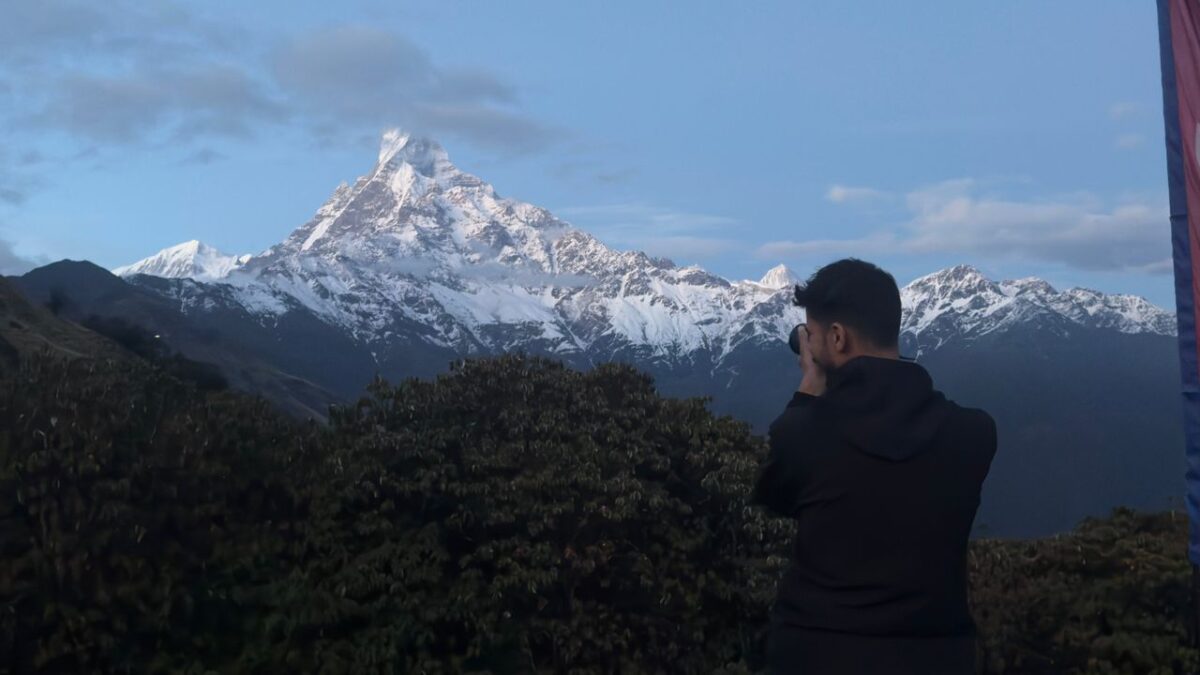
- Visit to Mardi Himal Base Camp Trek (4,500m / 14,764 ft) offering excellent close-up views of Machhapuchhre.
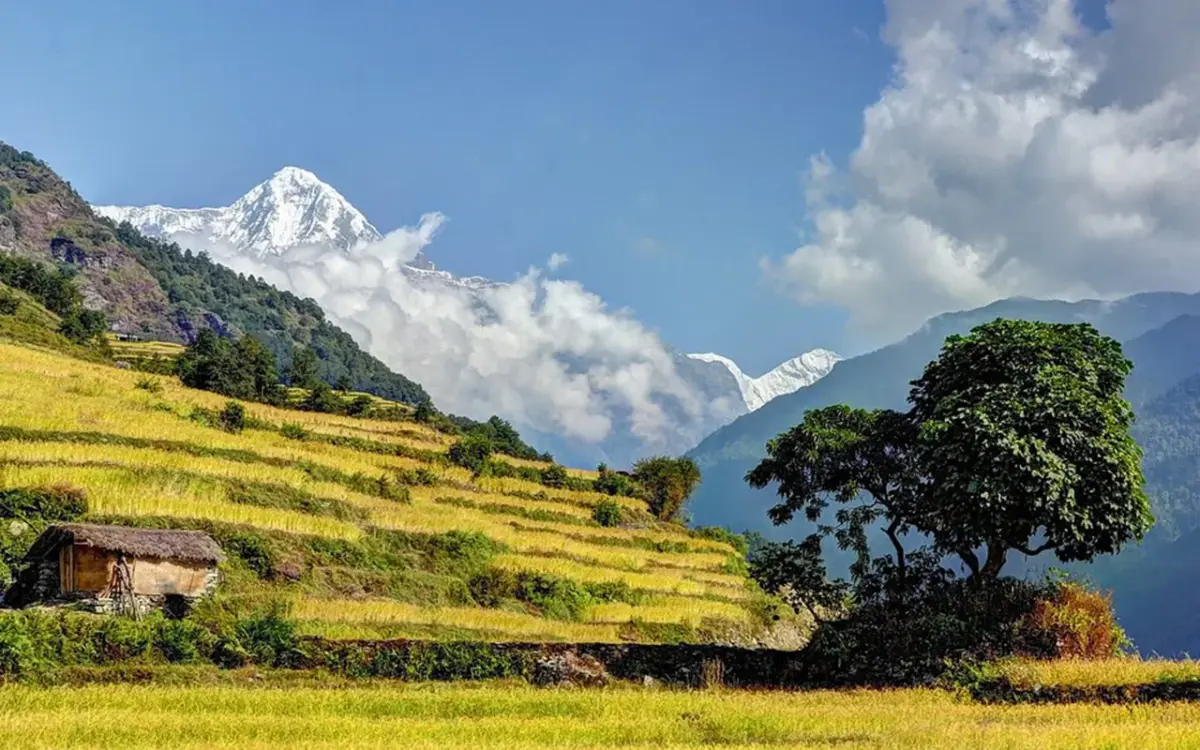
- Explore traditional Gurung villages and embrace mountain life.
- Visit the scenic rhododendron forests, rivers, waterfalls and alpine views.
- Enjoy the natural hot springs at Jhinu Danda.
- Taste a traditional Annapurna Sanctuary route and a more secluded Mardi Himal trail.
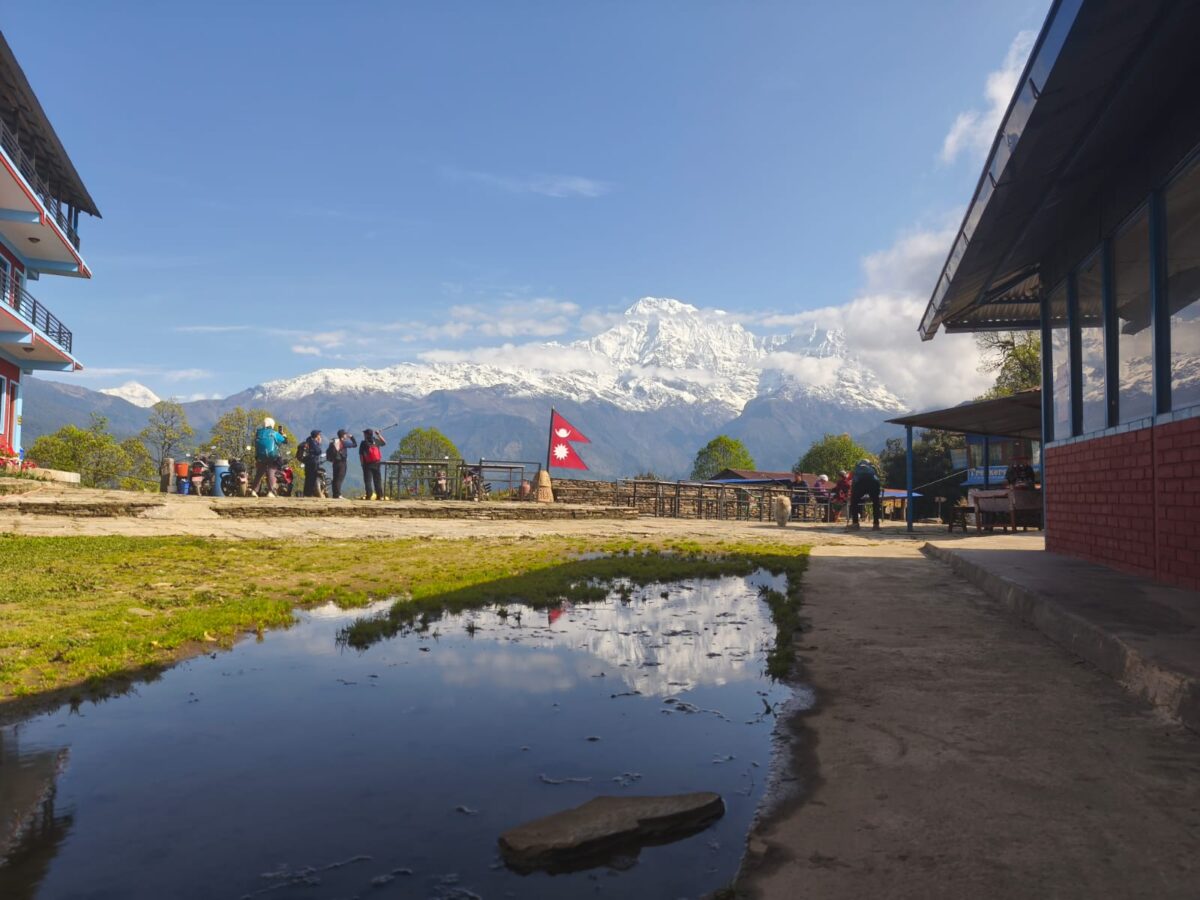
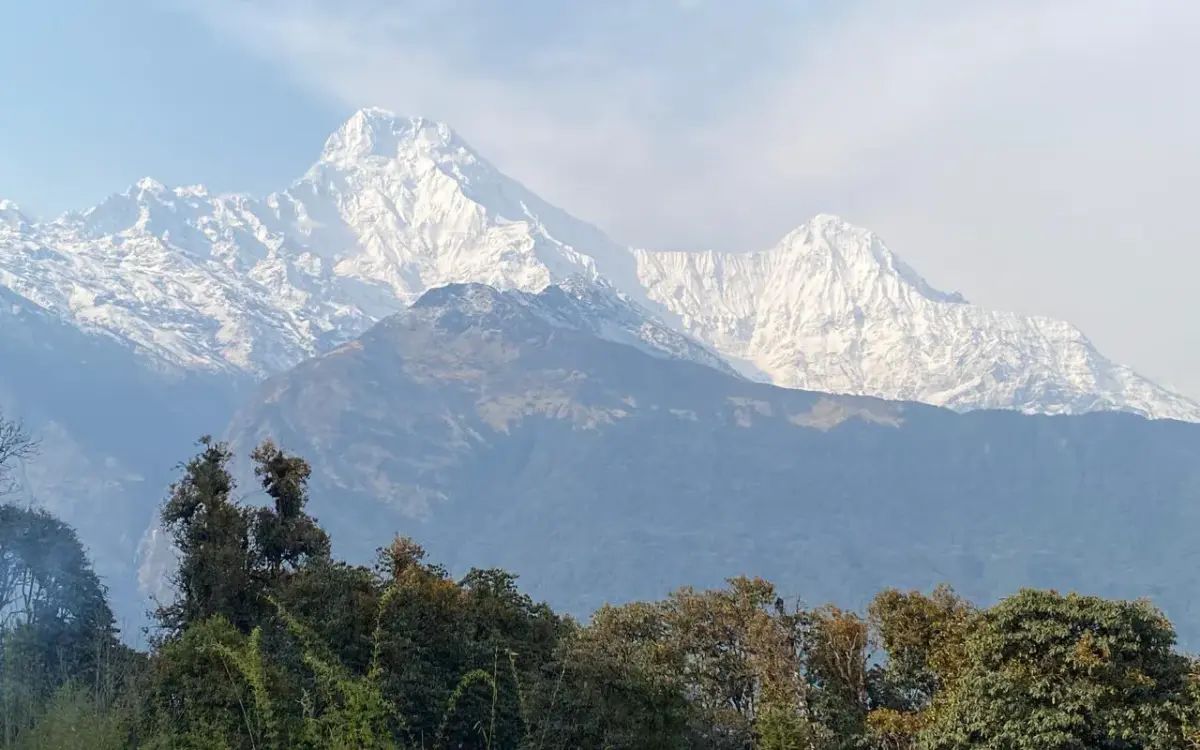
- Views of Annapurna I, Annapurna South, Hiunchuli, Machhapuchhre and many other peaks can be enjoyed from here.
Trip Overview of Annapurna Base Camp and Mardi Himal Trek
The Annapurna Base Camp and Mardi Himal Trek are one of the best trekking adventures that can be done in Nepal. The trek will pass through the traditional mountain villages, thick rhododendron woods, terraced farmland, serene valleys, and the higher land of the Himalayas, while providing a great chance to see some of Nepal’s most popular mountains. This trek is ideal for trekkers who would like to explore the Annapurna Base Camp Trail along way to the Mardi Himal Trail in one trek.
The trek starts with to the Annapurna region, traversing through natural landscapes and local Gurung communities. The scenery gradually changes from a forest to a mountainous region with snow-covered peaks. The highlight of the trip is to climb to Annapurna Base Camp Trek at (4,130m / 13,550 ft). The base camp offers a panoramic view of Annapurna I, Annapurna South, Hiunchuli, Machhapuchhre and many other peaks of the Himalayas.
The trek then heads towards the Mardi Himal region after exiting from Annapurna Base Camp Trek . This section is quieter with less trekking and tranquil ridge trails. The trail crosses through Forest Camp, High Camp to the Mardi Himal Base Camp (4,500 m / 14,764 ft). The views from this point are stunning. The massive face of Machhapuchhre appears to be quite close, and the Annapurna range appears in the distance.
Trekkers also spend their nights in comfortable tea houses at the mountain and are welcomed by the local people. Along the way, one can also hear about the local culture and tradition things, as well as the way of life on the Annapurna base camp Trek and Mardi Himal trek. After several days of trekking, there are natural hot springs at Jhinu Danda that provide additional fun.
Guides and itinerary are experienced and well planned to ensure this trek is both safe and enjoyable Annapurna region. Overall, the ABC and Mardi Himal trek is a rewarding and immersive experience allowing you to explore the beauty of the Himalayas and immerse yourself in the local culture and traditions.
Why Choose the Annapurna Base Camp and Mardi Himal Trek?
Annapurna Base Camp and Mardi Himal Trek is an excellent option for travelers who wish to experience two popular trekking places in Nepal . This trekking package allows the trekkers to experience the well-known tracks of Annapurna and the some what less crowded ones of Mardi Himal.
The trek has many features of various types, ranging from forests and rivers, water falls to mountain villages, ridges, and high alpine areas. The himalayan views of the mountain are wonderful, and great sense of achievement when reaching Annapurna Base Camp (4130 m / 13550 ft) and Mardi Himal Base Camp (4500 m / 14764 ft).
Another good reason to do this trek is the local mountain peoples cultural experience. The trail winds through traditional villages, offering a chance to experience the local way of life and hospitality. Natural hot springs, serene woods, and stunning sunset spots are also part of the trail. This trek is a rewarding Himalayan experience due to its terrain, culture, and adventure.
Trekking Route Overview
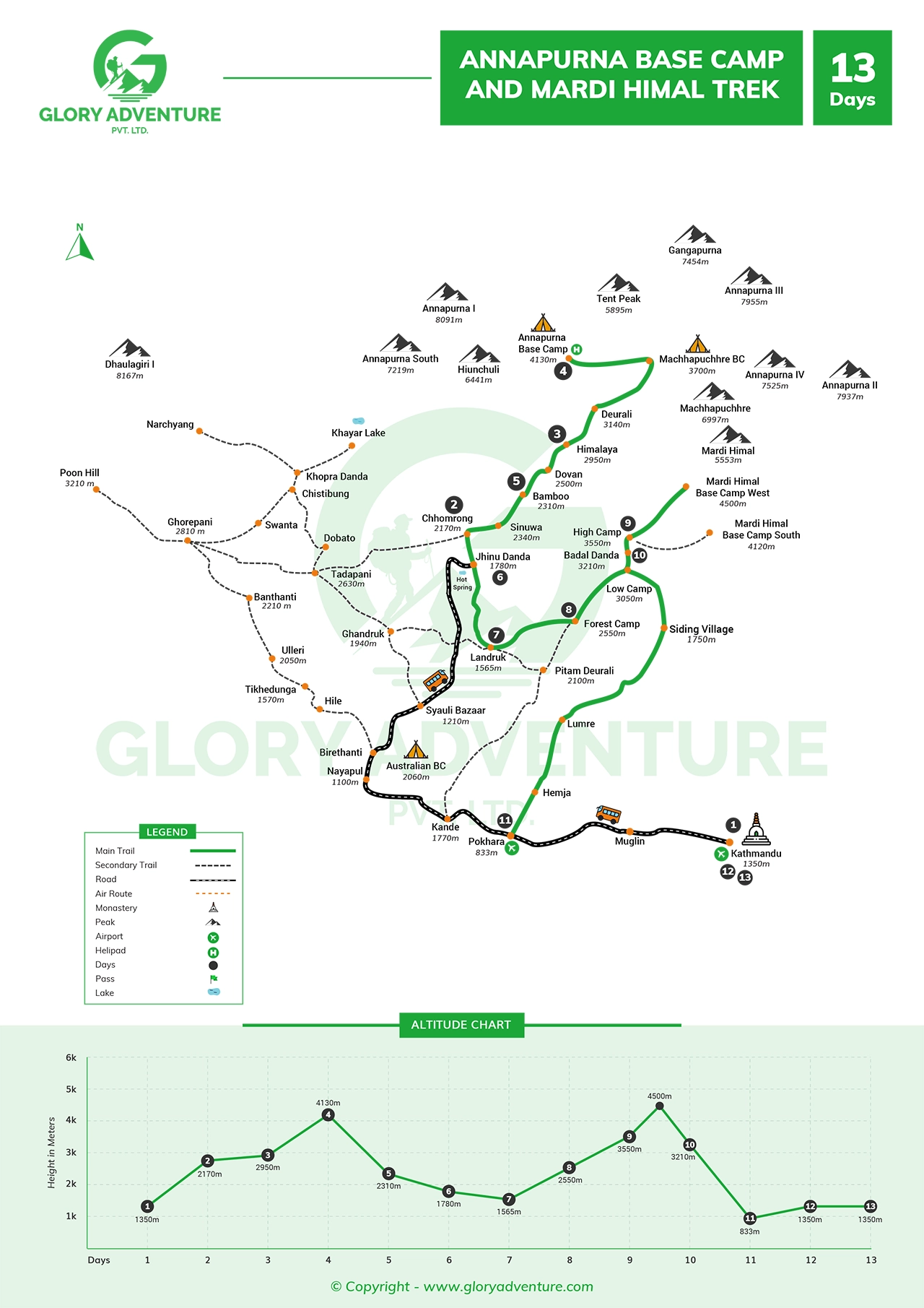
The Annapurna base camp and Mardi Himal trek start from Kathmandu to Pokhara and then on wards to the starting point from Jhinu Danda. This trek passes through the Annapurna Base Camp trail starting with Chhomrong, Bamboo, deurali through Himalaya and Annapurna Base Camp at (4,130 m / 13,550 ft). Traversing through forests, river valleys and traditional villages, the trek offers some amazing views of the mountains.
The trail leads to Annapurna Base Camp Trek and then back down to Annapurna’s Natural Hot Springs – Jhinu Danda. The trip then heads up to Landruk and then to Forest Camp and heads into the Mardi Himal region.
The trail traces to High Camp, then to Mardi Himal Base Camp (4,500 m / 14,764 ft) from Forest Camp. The climb is followed by a descent to Badal Danda, the Siding Village, and then back to Pokhara and Kathmandu, where one can enjoy the mountain views.
Itinerary of Annapurna Base Camp and Mardi Himal Trek
Day 01: Arrival at Kathmandu Airport
Arrival at Tribhuvan internatinal airport kathamndu Nepal , our Glory Adventure team will meet you and help you check in to your transportation to the hotel. Upon arrival, you will be able to rest and recuperate from your travel. Depending on the time of arrival, you can go around the area, shop at the local stores, or just take a break at the hotel. Kathmandu (1,400 m / 4,593 ft) is the capital city of Nepal, and by far the starting point for many adventures in the Himalayas.
There will be a briefing given about the trek in the evening that includes information about the route, where you will stay, safety guidelines, and daily activities. This also serves as a chance to get organized about your trekking equipment and make sure you have any questions you have about the trek answered. It is a comfortable night’s sleep, and a great way to get ready for the next day’s activities in the Annapurna region.

Activity & Duration
Arrival and Hotel Transfer, 30-45 minutes
Highest Altitude
1400m / 4,593ft (Kathmandu)
Meals
Breakfast, Lunch, Dinner
Accommodation
Three Star Hote ln KathmanduDay 02: Fly from Kathmandu to Pokhara, Drive to Jhinu Danda and Trek to Chhomrong
You will then take a scenic flight from Kathmandu (822 m / 2,697 ft) to Pokhara after breakfast. The short flight provides wonderful vistas of hills, valleys and mountains of the Himalayas. On arrival, you will drive to the starting point of the trekking part of the trek at Jhinu Danda (1780m / 5840 ft). The walk slowly ascends through terraced farmland, small villages and wooded areas.
The trail will include some suspension bridges and views of the surrounding landscape. After some hours you will reach Chhomrong (2,170 m / 7,120 ft) which is a very old village with a lovely atmosphere and mountain scenery. The village is also a majestic view of the surrounding peaks and is also an important gateway to Annapurna Sanctuary. Overnight stay at Chhomrong village , a place where you can relax and enjoy the view.
Activity & Duration
Flight, Drive and Trek, 4-5 hours trekHighest Altitude
2170m / 7,119ft (Chhomrong)Meals
Breakfast, Lunch and DinnerAccommodation
TeahouseDay 03: Trek from Chhomrong to Himalaya
This trek starts at Chhomrong and descends to the river below and then crosses a suspension bridge. Once crossing, the path heads up through woodland on hillsides and through several small settlements. While following the valley further into the Annapurna region, you will cross through Sinuwa, Bamboo, and Dovan. The walk goes through thick bamboo and rhododendron forests, which make for a more peaceful and quiet place.
En route, you will be able to view waterfalls, streams, and mountain scenery. The path is not flat; there are both up and down slopes, which is a very rewarding day of trekking. It is a small village in the forests and steep mountain slopes. In the afternoon, you will arrive at Himalaya (2920 m / 9580 ft). You will stay here and prepare yourself for the next adventure up to Annapurna Base Camp tomorrow.
Activity & Duration
Trek, 6-7 hoursHighest Altitude
2920m / 9,580ft (Himalaya)Meals
Breakfast, Lunch and DinnerAccommodation
TeahouseDay 04: Trek from Himalaya to Annapurna Base Camp
You will be trekking from Himalaya to Annapurna Base Camp. The higher you climb, the more the forest recedes, and the vistas broaden to a wide alpine valley dotted with lofty peaks. The path passes into the Annapurna Sanctuary, offering more and more wondrous views of the mountains. Once through the Base Camp of Machhapuchre, one follows the trail to Annapurna Base Camp (4,130 m / 13,550 ft).
You’ll be greeted by breathtaking Himalayan landscapes all around. The mountain peaks are high and dominate the sky, like Annapurna I, Annapurna South, Hiunchuli and Machhapuchhre. The exceptional mountain environment offers great photo and relaxation opportunities.
Activity & Duration
Trek, 6-7 hoursHighest Altitude
4130m / 13,550ft (Annapurna Base Camp)Meals
Breakfast, Lunch and DinnerAccommodation
TeahouseDay 05: Trek from Annapurna Base Camp to Bamboo
Today, you will trek from Annapurna Base Camp to Bamboo. The trail goes back through the Annapurna Sanctuary, passing through Machhapuchhre Base Camp, Deurali, Himalaya and Dovan. A walk downhill offers a different viewpoint of the landscape with peaks, valleys, and rocky cliffs in view. The scenery shifts from the alpine area to the forest as you continue to descend.
You’ll follow the waterfalls, streams, and mountains all day long. The path crosses further into the forest and arrives at Bamboo (2,310 m / 7,579 ft). In this small village, there is dense forest and tranquil nature. You can unwind and have a good night’s sleep, and remember the experience of making it to Annapurna Base Camp after a long day on the road.
Activity & Duration
Trek, 6-8 hoursHighest Altitude
4130m / 13,550ft (Annapurna Base Camp)Meals
Breakfast, Lunch and DinnerAccommodation
TeahouseDay 06: Trek from Bamboo to Jhinu Danda (Hot Spring)
After breakfast you will trek from Bamboo to Jhinu Danda. The trail crosses into Bamboo, Sinuwa and Chhomrong before reaching Jhinu Danda. You’ll pass through stone stairs, walk across suspension bridges, and be treated to river and green hills views along the way. The lower elevation is warmer, and there is a distinct shift in vegetation. Once you arrive at Jhinu Danda (1,780 m / 5,840 ft), you can see the natural Hot Springs near Modi Khola River.
The hot spring is a popular place for the trekking guests to sit and relax after having a few days of trekking in the mountains. The warm water offers a soothing sensation and a relaxing opportunity for restful relaxation of fatigued muscles. Enjoy the peaceful evening ambiance of Jhinu Danda and then head on the way to the Mardi Himal region.
Activity & Duration
Trek and Hot Spring Visit, 5-6 hoursHighest Altitude
1780m / 5,840ft (Jhinu Danda)Meals
Breakfast, Lunch and DinnerAccommodation
TeahouseDay 07: Trek from Jhinu Danda to Landruk
The walk of the day is to the traditional village of Landruk from Jhinu Danda. The track winds through beautiful rural landscapes comprising forests, terraced fields and small villages. The trail is much shorter and gentler than the others on the day of trekking, so you can take in the scenery at a more leisurely pace. You can see the farm activities and the way people live in the area as you walk. The path leads to a view of hills, rivers, and distant mountain peaks, enhancing the beauty of the trek.
Once at Landruk (1,565 m / 5,135 ft), you’ll take time to visit the village and admire the tranquility of its small streets. Landruk is famous for its traditional culture and beautiful landscape. Take it easy; now it’s time to cross the next bridge and move on to Forest Camp and the Mardi Himal trek.
Activity & Duration
Trek, 3-4 hoursHighest Altitude
1565m / 5,135ft (Landruk)Meals
Breakfast, Lunch and DinnerAccommodation
TeahouseDay 08: Trek from Landruk to Forest Camp
Following breakfast, you will head off from Landruk and start the walk to Forest Camp. The path winds slowly through a lovely wood, with rhododendron, oak and native trees. The surroundings are less noisy and less populated as you ascend to higher elevations than the Annapurna Base Camp route. The route follows quiet wooded areas with clear mountain air and natural beauty, all day long. The trail opens up on a few clearings, offering glimpses of surrounding hills and distant Himalayan peaks.
It is an easy trekking day with slow ascent with no major technical aspects to worry. In the afternoon, you arrive at Forest Camp (2,520 m / 8,268 ft), where you will be welcomed by the small settlement of Forest Camp amidst dense forest. The quiet environment is perfect for sleeping and preparing for the difficult parts of Mardi Himal on the next day.
Activity & Duration
Trek, 5-6 hoursHighest Altitude
2520m / 8,268ft (Forest Camp)Meals
Breakfast, Lunch and DinnerAccommodation
TeahouseDay 09: Trek from Forest Camp to High Camp
This trek will take you to High Camp of Mardi Himal. The path from Forest Camp leads steeply through woodland, finally opening up into more open country. Views open up and get more impressive as you climb higher. Along the way, one can admire beautiful mountain scenery from Low Camp to Badal Danda. Machhapuchhre and Annapurna South and other surrounding peaks are visible throughout the day.
The trail winds along ridges and hillsides, passing through forest that opens up as it works its way down, revealing a variety of scenes along the way. The higher altitude means cooler temperatures and a more alpine climate. At the end of a few hours’ walk is High Camp (3,580 m / 11,745 ft). This is a great place to see the Himalayan views, and it is the last night’s accommodation before heading to Mardi Himal Base Camp the next morning.
Activity & Duration
Trek, 5-6 hoursHighest Altitude
3580m / 11,745ft (High Camp)Meals
Breakfast, Lunch and DinnerAccommodation
TeahouseDay 10: Excursion to Mardi Himal Base Camp and Trek to Badal Danda
The trip to Mardi Himal Base Camp this morning is the first day of early morning. The path runs over a ridge above High Camp, and then slopes up towards base camp. The farther you ascend, the more amazing the scenery will be, and the towering Machhapuchhre will look out from the rest of the mountains. Once at Mardi Himal Base Camp (4,500 m / 14,764 ft), you will be able to take in these incredible panoramic views of Annapurna South, Hiunchuli, Machhapuchhre and other surrounding mountains.
This is a very rewarding viewpoint after the climb. After visiting, you will walk up again and then descend to Badal Danda (3,210 m / 10,531 ft). Badal Danda is situated at the ridge top and provides great mountain views and a tranquil environment. You spend the evening enjoying the views and reflecting on today’s memorable experience.
Activity & Duration
Excursion and Trek, 7-8 hoursHighest Altitude
4500m / 14,764ft (Mardi Himal Base Camp)Meals
Breakfast, Lunch and DinnerAccommodation
TeahouseDay 11: Trek from Badal Danda to Pokhara via Siding Village
After breakfast, you trek from Badal Danda through forests, ridges and villages to Siding Village. The walk this day is mostly downhill, easier than the previous days in higher areas. En route, you can enjoy the last views of the Annapurna region and the surrounding mountain landscapes. The end point of the trek is Siding Village, and a look at traditional rural life.
Once there, you will transfer to Pokhara by car and drive to Pokhara Airport (822 m / 2,697 ft). After spending many days in the mountains, returning to the city is rewarding and relaxing. After reaching Pokhara, you will not have to struggle to find comfortable and reliable accommodations, a lakefront setting and a pleasant respite from the rigorous trek part of the journey.
Activity & Duration
Trek and Drive, 4-5 hours trekHighest Altitude
822m / 2,697ft (Pokhara)Meals
Breakfast, Lunch and DinnerAccommodation
HotelDay 12: Drive from Pokhara to Kathmandu
Today you’ll be returning to Kathmandu via road from Pokhara this morning. The route crosses highways through river valleys, hills, pasture and village towns. Along the way, you will see the daily life in the rural part of Nepal, and enjoy travelling through different landscapes throughout the route. There may be several short stops for meals, refreshments, or rest breaks on the way. This drive is usually all day and a nice reward after the trekking experience.
You will arrive at Kathmandu at (1,400 m / 4,593 ft), where you will be transferred to your hotel and enjoy your free time here. You can visit the local market, buy local souvenirs, or just have a quiet evening. This is a time to look back on experiences and accomplishments of the Annapurna Base Camp and Mardi Himal trek.
Activity & Duration
Drive, 7-8 hoursHighest Altitude
1400m / 4,593ft (Kathmandu)Meals
Breakfast, Lunch and DinnerAccommodation
HotelDay 13: Departure to Kathmandu Airport
It’s the last day of your tour in Nepal. Once you have breakfast, you have some free time at the hotel that will be determined by your flight schedule. Our staff will arrange your transfer to Kathmandu Airport when the time arrives. Travel to the airport from the hotel is brief, and the journey gives you ample time to check in and get ready for your flight. As you are leaving, you can reflect on all the wonderful experiences you had on the trek, visiting Annapurna Base Camp and Mardi Himal Base Camp.
Also, seeing the stunning landscapes, visiting the traditional villages, going through the forest trails, and some quiet countryside. This adventure, nature, and cultural experience allow for a lifelong memory. We hope you have had a wonderful time in Nepal and that you have a happy and safe trip home. Your journey is considered to be finished when you arrive at the airport for your flight.
Activity & Duration
Departure Transfer, 30-45 minutesHighest Altitude
1400m / 4,593ft (Kathmandu)Meals
BreakfastIncludes / Excludes of Annapurna Base Camp and Mardi Himal Trek
What is included?
- Airport pick-up and drop-off services
- Flight from Kathmandu to Pokhara and drive from Kathmandu to Pokhara
- Annapurna Conservation Area Permit (ACAP) and required trekking permits
- Accommodation during the trek.
- Accommodation in Kathmandu & Pokhara as per itinerary
- Three meals a day on the trek (Breakfast, Lunch, and Dinner)
- Experienced trekking guide
- Porter service (according to package policy)
- First-aid kit on hand by the guide
- Government tax and service charges are also included.
What is excluded?
- International airfare
- Nepal entry visa fee
- Travel insurance
- Personal trekking equipment
- Extra accommodation in Kathmandu or Pokhara
- Drinks and beverages
- Hot showers (if there are extra charges)
- Wireless internet and Wi-Fi fees
- The cost of using electronic devices will be charged.
- Laundry services
- Guides and porters will find this section useful for their tips!
- Emergency rescue
- Flight delay expenses, weather-related expenses, or other unexpected expenses.
Route Map & Altitude Chart
Essential Information of Annapurna Base Camp and Mardi Himal Trek
Weather and the Best Season
The Annapurna Base Camp Trek and Mardi Himal Trek can be done all year round, but it is recommended to trek during spring and autumn. Spring (March-May) is a time of blooming rhododendron forests, mild weather, and clear mountain vistas. September through November are the sunny, dry, and windless times of the year after the monsoon, with good visibility. But also in the winter season, it is possible, as the temperatures drop significantly at the elevations of Annapurna Base Camp Trek (4,130 m / 13,550 ft) and Mardi Himal Base CampTrek (4,500 m / 14,764 ft).
Trails may be wet and slippery during the monsoon season because of the frequent rainfall. Conditions in the mountains can change very rapidly, and it is important to always have appropriate gear for varying weather conditions. The right time of year makes the journey safer, more comfortable and more enjoyable all round.
Difficulty and Altitude Sickness
The Annapurna Base Camp Trek and Mardi Himal Trek is a moderate trek which can easily be conquered by any person who has a moderate level of fitness. Walking on trails, stone steps, and forest trails, and climb uphill at least once a day. There are no technical climbing requirements, but some days on the trek may be physically strenuous.
The route goes to Annapurna Base Camp (4,130 m / 13,550 ft) and Mardi Himal Base Camp (4,500 m / 14,764 ft), making altitude a potential issue. Headaches, loss of appetite, dizziness and fatigue are all common symptoms. Taking a stroll at a comfortable pace, staying hydrated and having a good itinerary all contribute to making it less risky. Descent to lower elevations is important if symptoms are getting worse. Most trekkers are able to make the trip without incident or discomfort if they are prepared and aware.
Insurance, Visa, and Permits for the Trip
Travelers should make sure the proper documents and travel insurance are in place prior to the Annapurna Base Camp Trek and Mardi Himal Trek. Nepal tourist visa can be obtained at the Kathmandu Airport or through an online application before arriving in Tribhuven international airport kathmandu Nepal, for the majority of tourists. It is strongly recommended to take trekking insurance as it can take care of medical emergencies, accidents, trip interruptions, etc., and if necessary, it can cover helicopter evacuation.
Permits like Annapurna Conservation Area Permit (ACAP) are also needed to enter protected trekking areas. These permits benefit conservation along the path and the local communities. For trekking, it is crucial to have copies of your passport, visa, insurance coverage and permits. The majority of trekkers have these arrangements done through Glory Adventure, who may be able to help with arranging permits and trek logistics. Preparing all the necessary paperwork beforehand makes for hassle-free and stress-free travel.
Training, Fitness Level & Mental Preparation
It is much more enjoyable to trek if you are well prepared. This Annapurna and Mardi Himal trek includes days of hiking on the rough mountain trails with frequent ups and downs. Before the walk, the trekkers should build up their stamina by engaging in hikes, jogs, bicycle rides or long walks. Building up leg muscles and building up endurance overall will help minimize fatigue on the hike. Mental preparation is also a key to success; weather conditions, long walking hours, and changing environments can sometimes be difficult.
It’s important to have a positive mindset and to be adaptable to unexpected occurrences. No athlete is required, but good fitness leads to enjoyment of the scenery, not struggle and hardship on the trail. It is beneficial to prepare before departure consistently to make the overall trekking experience better.
Risk Factors on the Trek
As with any mountain trek, there are some dangers to be aware of before embarking on this journey around Annapurna Base Camp and Mardi Himal. The main concerns at high altitudes are related to altitude sickness. The weather may also abruptly shift into cold conditions, fog, rain or strong winds. There are parts of the trail that are rugged and steep, with stone steps, increasing the risk of slips or minor injuries.
The lack of rest between consecutive trekking days can also tarnish performance and concentration. Some parts may be more difficult in the winter months when snow falls. These risks can be minimised by following the guide’s directions, walking carefully, keeping hydrated and wearing the correct type of trekking gear. If done responsibly and with care for their health and the environment, most trekkers make it through without any trouble.
Health & Safety
It is important to adhere to good health and safety practices throughout the trek. Adequate hydration is important for daily fluid intake and acclimatization at higher elevations. A healthy diet and adequate sleep also help ensure a safer trek. Personal medications and a basic first aid kit should be packed prior to the trip. Guides should be aware of any medical conditions for trekkers before departing.
Weather and trail conditions can fluctuate along the ABC and Mardi Himal routes and appropriate footwear and clothing are necessary. Rushing is a source of physical stress, as is doing things out of order. Glory Adventure ensures the safe completion of the trek where their experienced guides and organized support come in. By tuning in to their body and reporting symptoms early, they can help avoid major health issues on the journey.
Transportation
The transportation for the ABC and Mardi Himal trek is a mixture of flight, road, and trekking. Many trip start with a short flight from Kathmandu to Pokhara at 822 m/2,697 ft above sea level with wonderful views of Nepal’s landscapes and Himalayan peaks. The road continues from Pokhara to the trekking starting point. Once you reach the end of the walk, you are taken back to Pokhara, then to Kathmandu by road or air as per the itinerary.
Please note that road conditions may change and journey times will be variable because of weather and traffic. Due to the mountain weather, sometimes domestic flights are delayed. Despite these considerations, transportation is well organized and easy in general. Transferring to and from locations is also more seamless with an expert operator, and trekkers can relax to enjoy the mountain experience.
Your Extra Expenses
While many trekking packages cover stay, food on the trek, permits, guide and transport, you should also save for your own food and spending money. Additional expenses are snacks, bottled water, hot showers, charging of electronic devices, laundry, and internet access at Tea Houses. Most package prices do not include souvenirs or personal shopping services or tips for guides and porters. However, unexpected costs should be taken into account as well, though adequate insurance cover should take care of big surprises.
It is helpful to carry some local currency as card payment facilities may not be available in remote areas. There is a lot of difference between the spending habits of trekkers while joining the Annapurna and Mardi Himal Trek. You can plan and make a sensible budget so you don’t end up in undue stress and enjoy the experience without any worries.
Language & Communication
Nepali is the official language of Nepal, but communication is easy along popular trekking routes. Communication with international tourists is facilitated, as many guides, lodge owners and tourism workers are proficient in basic to fluent English. Simple greetings in Nepali makes positive interactions with locals and respect the culture. It’s not uncommon for meetings with residents and other trekkers to be a highlight of the trek.
Communication is typically easy in larger settlements and more difficult in smaller villages. When necessary, guides from Glory Adventure can help with any language barrier. Most visitors are able to communicate easily with the locals during the trek because of friendly locals and the boom in trekking tourism in Nepal.
Mobile Network, Internet & Charging Facilities
There is mobile network coverage in several parts of the trekking route, but it may fluctuate between good and weak, depending on geographic and climatic conditions. Areas that are higher and more remote tend to have less connectivity, compared to larger villages. Many tea houses offer Internet service, though it may not be as fast as in city areas. May include an extra charge for access to Wi-Fi in some lodges. Phone, camera and other electronic device charging is possible at most overnight stops.
It may also be necessary to make a small charge at higher altitudes. A power bank is recommended if you wish to use it for convenience. This network and internet services may sometimes be disrupted due to weather or technical reasons during the Annapurna and Mardi Himal trek. It’s important to prepare for periods of limited connectivity, so as not to be inconvenienced on a trek through the mountains.
Don’ts on This Trip
While the trek is a wonderful experience, there are some things to avoid for a safe and enjoyable trek. Never ignore signs or symptoms of altitude sickness, and do not continue to climb if symptoms get worse. Don’t litter the path and responsibly dispose of waste. Always behave politely and appropriately in respect to local customs, religious sites and village traditions. Never disturb or harm wildlife or the environment. Alcohol intake should be limited at high elevations since it can have an impact on acclimatisation and general health.
The trekkers should also not pace themselves too fast on higher terrain which can lead to fatigue and discomfort. It is important to follow the guide’s instructions throughout the trek. Responsible actions contribute to the well-being of the environment, the local communities, and future generations’ enjoyment of the beautiful landscape and cultural heritage.
Cultural Festivals on the Trail
The ABC and Mardi Himal trek area has a variety of ethnic groups, each having their own unique traditions and festivals. Throughout the season, visitors can attend some of the cultural events of the local villages. Two major festivals in Nepal are Dashain and Tihar, which are celebrated by the people with cultural activities, music, and family gatherings. Other festivals related to the monastery and religious events may also be held in Buddhist communities at certain times of the year.
These activities offer great information on local culture and lifestyle. During the trek to Annapurna Base Camp and Mardi Himal, you can see traditional dress, cultural dances and village celebrations. Engaging in local community events as a part of the trek can be a meaningful way to contribute to the local culture and forge connections with the local people.
Tips for First-Time Nepal Visitors
If you are new to trekking, you can’t afford to enjoy your trek if you are not well-prepared. It is advisable to arrive in Nepal a day or two prior to the trek so as to recuperate from the trip and make final preparations. Layers are important as temperatures can vary greatly from one level of the village to another and from the top to the bottom of the hills. Bringing reusable water bottles, basic medicine, sunglasses, and sun cream is also suggested. Knowing local customs and taking time for changes in mountain conditions will enhance the enjoyment.
It is advisable to bring copies of important documentation and travel insurance information along the way. The use of expert guides can enhance safety and offer local expertise. Most important of all, take your time, enjoy the scenery and appreciate the cultural experiences. In many ways, a positive attitude can be the difference between a successful and memorable trek in Nepal.
Frequently Asked Question (FAQ’s)
Depending on the trek, elevation gain and conditions of the trail, the most common walking hours are 4 – 8 hours per day.
Yes, there are tea houses available at all the major overnight stops where you can access overnight accommodation, meals and basic services.
Local Nepali cuisine is available in tea houses, along with some international choices, as well as some soups, noodles, rice dishes and potatoes, with eggs and pancakes too.
There is a supply of drinking water in villages and tea houses. It is recommended to use water purification tablets or filters.
Yes, vegetarian food is plentiful on the trekking trail.
In most places, it is simple accommodation in tea houses with twin-sharing rooms and shared bathroom facilities.
No, the trail does not have reliable access to ATM. It’s best to withdraw enough money in advance of going on the trip.
Yes, children can do the trek, but families with trekking experience can do it as well, but they should be physically fit for several days of walking.
Most of the trekking companies have a maximum weight limit for the porters, and it is normally 20 kg to 25 kg per porter that can be carried by each trekker.
Himalayan birds, monkeys, musk deer, etc. may be seen from time to time while trekking within the conservation area.
Wherever possible, a sleeping bag will be useful in colder months and at higher altitudes.
Indeed, there are numerous trekking shops in Kathmandu where one can buy or rent trekking gear before the trek.
Yes, individual travellers are able to join private trips or group departures if available.
Of course, it is possible to customize the itinerary to suit the level of fitness, time available and individual preferences.
Trip Reviews on Annapurna Base Camp and Mardi Himal Trek

Price starts from
US$ 855
For group of minimum 3 Pax
US$ 900
Need Help?
Managing Director
Saroj (+977-9806627713)
Saroj Sunar
Travel Consultant
Looking for a Private Trip?
Say Hello to Your Travel Consultant
Planning your next getaway? Our travel specialists are ready to design a fully customized package tailored to your interests. If you need help or have any questions, feel free to connect with us—we’re here to guide you from start to finish.
Price starts
US$ 855
✖
Free Trip Planner
Talk to
Mr. Saroj Sunar