
 Talk to Mr. Saroj
 Plan Your Trip
Dal Bhat Power 24 Hour Explained: Nutrition, Culture, and Strength
Imagine this: You are halfway up a Himalayan trail, and your legs are aching and your stomach is rumbling after trekking for hours. Your guide catches your weary eye, flashes a knowing grin, and proclaims Dal Bhat Power 24 Hour You are presented with a steaming plate heaped with rice, lentil soup and curried vegetables. Minutes later you feel reborn, feel the warmth in your belly, energy surging back into your body. Was it magic? Not exactly. It was Dal Bhat, Nepal’s beloved staple meal and unsung hero to countless successful treks.
If you have spent time trekking in Nepal before, you must have heard this quirky phrase. If not, prepare to learn the mountain mantra to keep the locals and hikers going strong. In this informative tutorial, we will dispose of the mystery behind the name, Dal Bhat Power 24 Hour, why this simple meal is a nutritional superstar, and how it has become such a strong part of Nepali tradition. By the end, you will realize why Dal Bhat is not only food, but also fuel, culture, and even a point of pride. And who knows? You may be aching to try out Dal Bhat power on your trek with Glory Adventure.
What Does Dal Bhat Power 24 Hour Mean?
Dal Bhat Power 24 Hour is not just a catchy rhyme. It is actually a slogan and an inside joke with the Nepali people and trekkers. In simple terms, it is the celebration of the concept that a meal of Dal Bhat can keep you energizing all day rounds. Neplease often eat Dal Bhat twice a day, and they swear by it for providing sustained energy for work and adventure. So, when someone says this phrase, they are proudly saying, Dal Bhat gives you power for 24 hours.
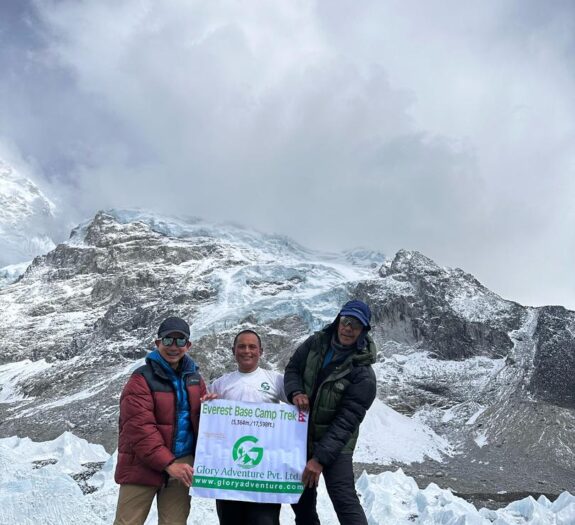

This is a saying that is found everywhere in Nepal’s trekking scene. Guides, porters and locals enjoy repeating it to foreign hikers, usually with a big smile. It shows that Nepal’s beloved Dal Bhat is not only tasty but also revered for the strength and endurance it provides. Some call Dal Bhat Power 24 Hour a trekking mantra. You will hear this in mountain lodges too often, and it reminds the trekkers that Dal Bhat is what provides you with the energy needed in the next step. There is even a longer, funny version: Dal Bhat Power 24 Hour, no toilet, no shower!” meaning you will be so energized, you will not stop for anything.
What Exactly Is Dal Bhat?
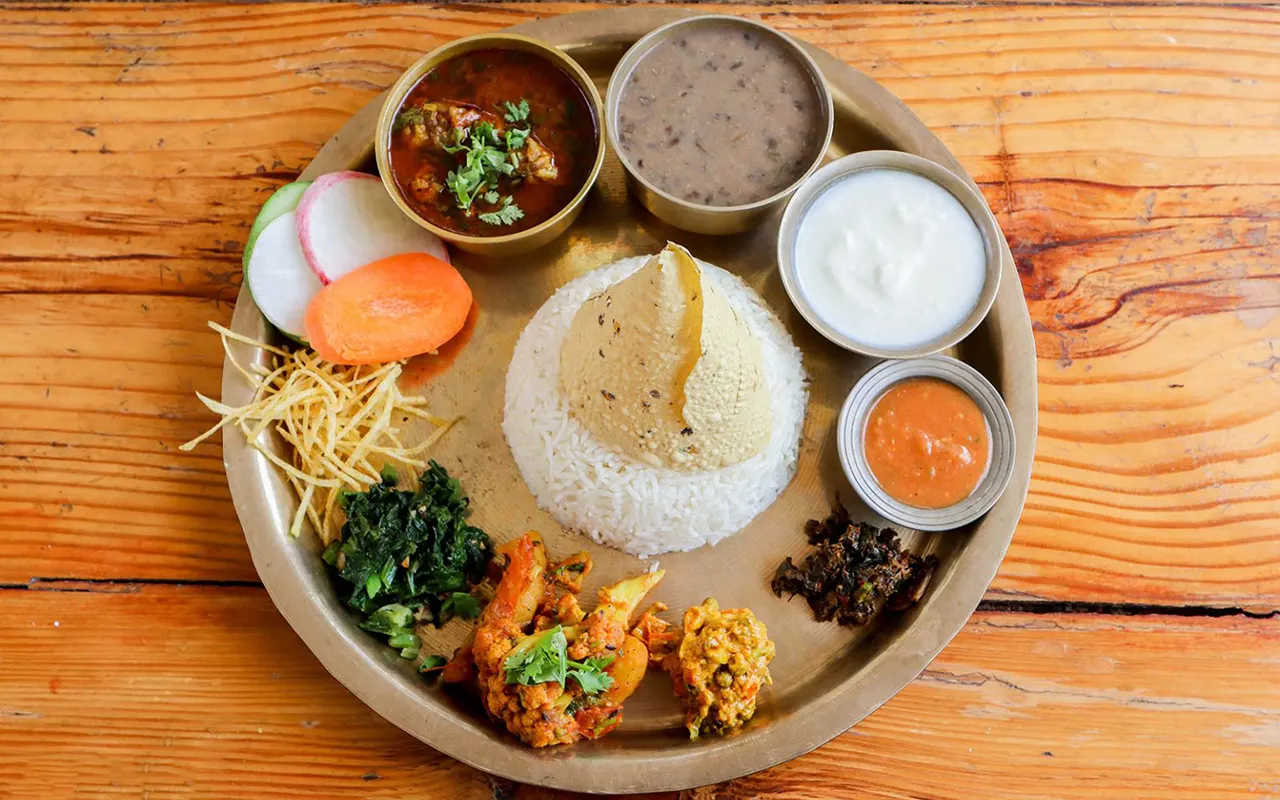
Okay, so what is this miracle meal? Literally Dal Bhat means lentils and rice. It is the national staple of Nepal, a traditional set meal composed of steamed rice, lentil soup and a variety of flavorful side dishes. A typical Dal Bhat plate is served with rice in the center and small portions of curried vegetables, spicy pickles, perhaps some leafy greens and often a papad or yogurt on the side. If you eat meat, you might get chicken or mutton curry too although the basic Dal Bhat is completely vegetarian.
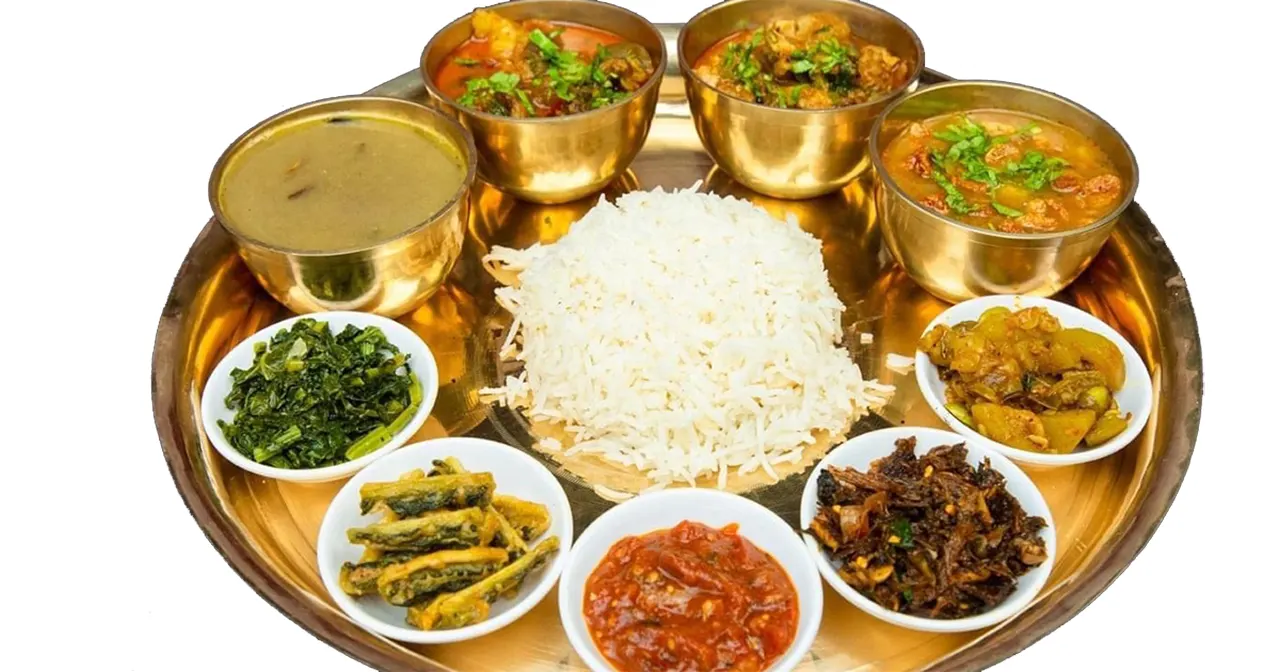
Imagine a shiny metal plate full of bright colours: white rice, golden dal, green vegetables, red pickle. It is far from a gourmet dish, but it is wholesome, hearty and satisfying. Neplease are proud of the simplicity and balance in this meal. The dal is spiced up with turmeric, cumin, garlic and other seasonings and the combination of flavour – mild rice, savory lentils, spicy-sour pickles – hits all the right notes. For many first-time visitors, Dal Bhat may appear to be plain or simple, but one mouthful of those flavorful lentils and rice and you will be converted. It is comfort food through and through, and guaranteed to satisfy when you are cold and hungry.
And the best part? If you finish your serving, tradition has it that you can ask for more. Dal Bhat is usually an all you can eat dish, often in rural homes and trek lodges. Second helpings are not just allowed they are encouraged. Dal Bhat is served for lunch and dinner almost every single day in Nepal. It is so central to Nepali life that many feel that a day is not whole without it. In fact, a common greeting in Nepal is “Bhat khanu bhayo?” which means, “Have you had rice?” This meal is the heart of a Nepali cuisine and the fuel behind that “24 hour power” reputation.
A Nutritional Powerhouse (Why It Truly Gives Power)
So, is Dal Bhat really that energizing or is it hype? This simple combination is a nutritional powerhouse that is perfectly suited for active days.
Carbohydrates for Energy: The heaping portion of the rice will give you the extra calories and energy you need for trekking. It fills your tank with slow-burning fuel for a long day.
Protein for Strength: Lentils in the dal contain plenty of plant protein, which is good for repairing muscles after steep climbs. Each bowl of dal is loaded with protein and fiber, keeping you full and helping you to digest food.
Vitamins and Minerals: Side vegetables like potatoes, spinach, cauliflower and beans help you get vitamins, iron and other minerals to keep your immune system strong. Pickles or salads are a great addition of Vitamin C and other micronutrients.
Probiotics and Hydration: Often a spoon of home-made yogurt is issued, adding probiotics for the health of the gut. The lentil soup itself helps with the hydration at high altitudes, where you need extra fluids.
No wonder, Neplease are sure enough to say “Dal Bhat power”! This is a well-balanced meal that contains carbohydrates, protein, fiber and vitamins in one go. It is built to keep farmers in the fields and porters carrying loads up mountains alive. Eat a big plate at lunch and you will be energized for hours.
Another advantage is that the Dal Bhat is made from local, fresh ingredients that are generally used. Everything is generally cooked from scratch. Lentils are cooked to a spicy softness, rice is cooked to fluffy perfection, and the veggies are freshly stir-fried. It is hearty without being heavy on processed fats or sugars. Trekkers often remark that after eating Dal Bhat, but not feeling sluggish, they feel satisfied and are ready to continue.
Cultural Significance: More Than Just Food
In addition to nutrition, there is a strong cultural implication of Dal Bhat in Nepal. This is the soul of the Nepali hospitality and the daily life. If you are invited into a Nepali home, expect to be served Dal Bhat, and lots of it. Generosity is part of the tradition. Hosts will heap your plate and insist you have seconds or even thirds. Refusing additional helpings can even be considered impolite because offering a lot of food is a sign of respect and warmth.
Often Dal Bhat is a communal dish, the family sits in a circle on the floor, eating with the right hand. People traditionally combine the rice and dal into perfect bites with their fingers. It may feel messy for those who are new to it, but it’s surprisingly practical and fun once you get the hang of it.
The phrase “Dal Bhat Power 24 Hour” itself shows a sense of national pride. It is as if to say, our food is our strength. For generations, Dal Bhat has been the sustenance of the entire spectrum of people from the farmer to the soldier to the mountaineer. It is affordable and accessible both to the rich and poor, which makes it a great equalizer. In remote villages of the mountains, a plate of Dal Bhat comes as a relief after a long day. In the case of city homes, the same dish brings the family together at night.
Culturally, Dal Bhat also forms part of festivals and daily rituals. During big celebrations such as Dashain and Tihar, families make extra lavish versions of Dal Bhat with multiple side dishes. It is a comfort food and a meal for celebration. This illustrates how even something that is an everyday staple can be made into festive fare. In short, Dal Bhat is woven into the fabric of Nepali life, symbolizing community, resilience, and tradition.
Dal Bhat on the Trail: A Trekker’s Best Friend
If you are thinking of doing a trek in Nepal, then prepare yourself to become very familiar with Dal Bhat. Many trekkers come home chanting Dal Bhat power 24 hour themselves because they have experienced the benefits on the trail. It is not simply a meal but a comforting ritual at the end of a long day of walking and climbing. Hours of walking and crossing rivers in cool mountain air are then soothingly followed by a plate of hot Dal Bhat. Guides and porters usually stand on the lookout with a smiling face that they know that this simple meal will perform miracles on the tiredness.
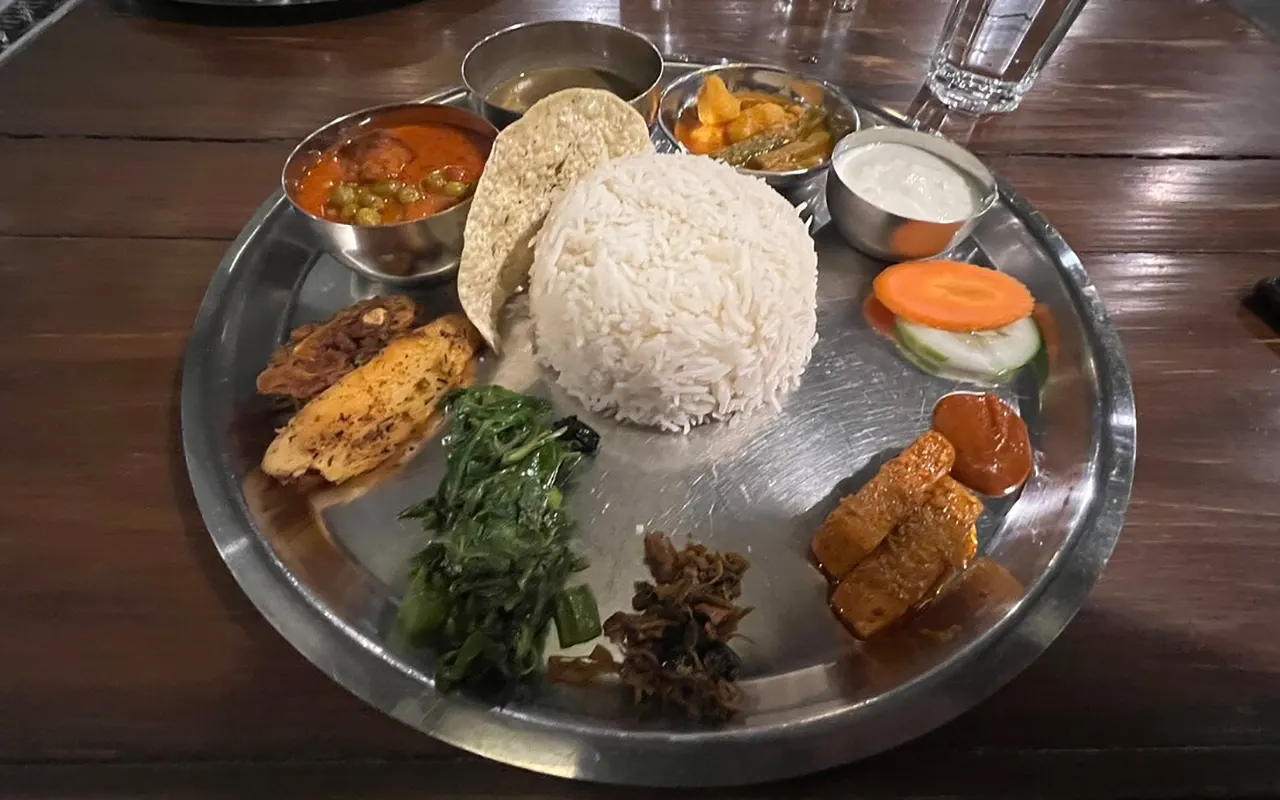
Widely Available Everywhere: No matter how far away your mountain ascent path goes, all teahouses and lodges of Nepal appear to have Dal Bhat. It is a reliable alternative to the times when other food is out of stock in the high altitude halts of the Everest Base Camp trek, which includes the green hills of the Annapurnas. Even in the smallest of villages, the plate is carefully and proudly offered, assuring trekkers that nourishment never lies too far away.
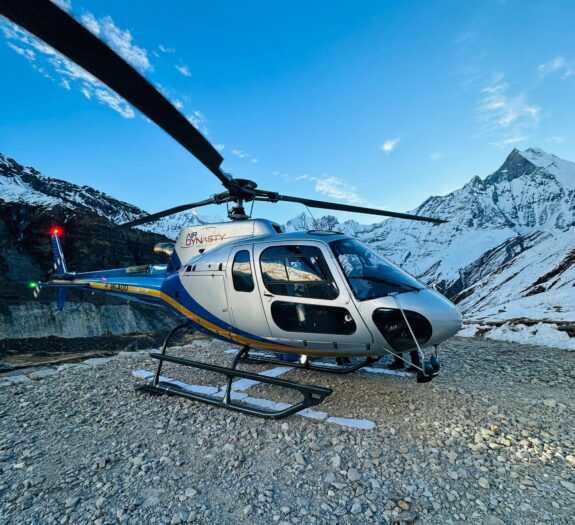
Unlimited Refills: Dal Bhat often comes with unlimited refills. Lodges happily serve extra rice, lentils, or curry until you are fully satisfied. After hours of uphill walking this refill policy is a treasure for the appetite. Some trekkers even joke about having a second or third helping just to make sure they are fueled for the next stage of the trek.
Affordable Fuel: Dal Bhat is one of the cheapest full meals that you can purchase in mountains. Made from local staples, it is not too expensive even at high altitudes. Budget trekkers love it and luxury trekkers are more satisfied than a bland imported meal. It is a source of energy, nutrition and a taste of local culture all in one.
Instant Energy Boost: The combination of warm rice and protein-rich lentils gives a kick to the body after being on the trail for extended periods. Trekkers often feel that they are ready to resume an hour after completing a meal. Even a brief break for Dal Bhat can help turn fatigue into focus and motivation.
No Energy Bars Needed: Western hikers may carry protein bars or sugary snacks, but the Dal Bhat of Nepali guides and porters. A plate full of food provides them with all the strength required for their trek from dawn to dusk and proves that traditional meals are often better than modern energy products.
Local Connection: Sharing Dal Bhat with guides and porters helps you to build a sense of brotherhood. It is a shared experience in which narratives are shared and jokes are told and relationships are enhanced. Sharing the same food as the locals will assist in establishing contact between the trekkers and the culture and the pattern of everyday living in the mountains.
Even the playful motto, Dal Bhat Power 24 Hour, no toilet, no shower” is a source of laughter and draws attention to the energy this meal provides over the long term. While this is humorous, it is also true and something that trekkers quickly come to appreciate: Dal Bhat is nourishing, satisfying, and necessary for anyone exploring Nepal’s trails.
Fun Variations Across Nepal
You may assume that Dal Bhat would get monotonous if you eat it every day, but it tastes a little different in every place you go. Nepal’s varied geography and ethnic population all have their own spin on the basic recipe.
Thakali Dal Bhat: This version, which is served in Thak Khola (around Mustang), may have additional side dishes like gundruk (fermented leafy greens), and may have buckwheat or corn bread instead of rice. It is also known to be diversified in choice and serving large portions and thus it is one of the favorite meals of trekkers who are in need of a well-nourishing and filling meal.
Mountain Style: Dal Bhat is simple yet very filling and is common in high altitude villages. Potato or radish curries and warming lentils help provide the energy for long climbs. Spices are generally mild; leafy vegetables are part for the supplement of what grows at altitude. Despite the simplicity, this version is ideally suited to keep trekkers going in tough conditions.
Terai Style: Dal Bhat is spicy and strong in the southern plains of Terai. There are more chili and more garlic in use by cooks, the vegetable curries tend to be larger and more diverse. The pickles and side dishes are full of flavors, which make the meal a boisterous and flavorful update of the traditional meal.
Newari and Urban Variations: In the capital of Kathmandu and in other cities, Dal Bhat may be more elaborate. Other sides are offered by some of the Newar families: bitter gourd fritters, boiled eggs, or more elaborate meat curries. Every society has its twist which shows that there is no right way to eat Dal Bhat.
Seasonal Tweaks: Dal Bhat also changes with the season. In spring, you may have fresh fiddlehead ferns or wild mushrooms on your plate. In winter hearty pumpkin or root vegetable curries are common. These seasonal variations ensure that Dal Bhat always stays fresh and linked to the local ingredients all through the year.
Exploring these regional and seasonal differences is part of the fun of trekking in Nepal. Many trekkers find themselves discovering new favourites on each trek, from the Thakali sets in Mustang to the spicy versions of Terai in the south. All the differences are the reflection of the local culture, ingredients, and traditions, and Dal Bhat is not only a meal, but also a peephole into the very soul of Nepalese life.
Trekking with Glory Adventure: Experience Dal Bhat Power 24 Hour Firsthand
Reading about Dal Bhat is one thing but trying it on a mountainside after trekking so long is unforgettable. We also make sure that every trekker is adequately fed with the traditional flavor of Dal Bhat being served with all the attentiveness and warmness of the local hospitality in Glory Adventure.
Our guides know all the best teahouses along the routes, where the lentils are perfectly spiced, the rice is light and fluffy and small extra treats like fried papad or fresh pickles might find their way onto your plate. They often fill you up with pride in finishing your serving, making a quite plain meal into a fun and recalled challenge. It is not only about eating – it is about experiencing a cherished Nepali tradition in its entirety and feeling the energy come back to your body after you spend hours walking around.
Trekking with Glory Adventure also means that your journey goes directly to the local communities. We work with family-run lodges and eateries, meaning that every plate of Dal Bhat you eat goes toward the people who made it. By choosing these local meals, you are contributing to sustainable tourism by helping families continue their livelihood and keep traditional recipes alive.
Even beyond the food, our guides will tell us the tales of Dal Bhat Power 24 Hour, of trekkers who have regained a second wind with a meal, or porters who will say they can pick up twice the weight after dinner. These small stories can be used to make the culture come alive and every meal is not only about food but a journey shared and a point of attachment and as well as a highlight of your trek.
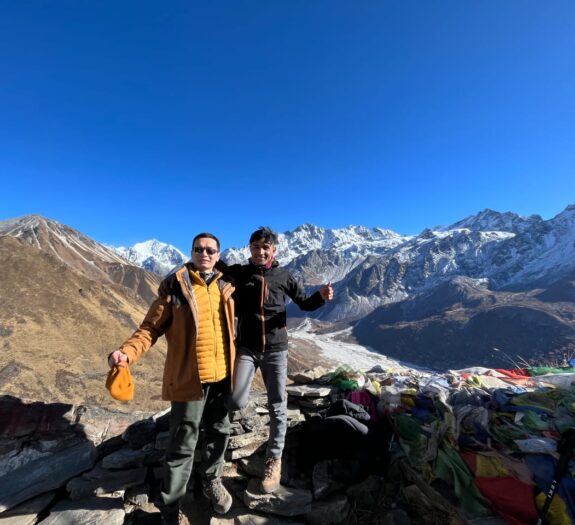
With Glory Adventure, Dal Bhat is not just food, it is a means of entry to the culture of Nepal, a source of energy for your travel and way to make lifelong memories. After a long day in the mountains there is nothing quite like sitting down with fellow trekkers and guides, enjoying a steaming plate of Dal Bhat and feeling the real meaning of Dal Bhat Power 24 Hour.
Conclusions: Dal Bhat Power 24 Hour – Fuel your Adventure.
Dal Bhat Power 24 Hour is perhaps a joke at first but there is truth and sincerity in it. This humble meal of Nepal is a true representative of nutrition, culture and strength. It powers long days on the trail, brings people together and provides a real taste of Nepal’s way of life.
For international trekkers, eating Dal Bhat is almost a rite of passage. Sharing the meal and motto with guides and locals helps to feel connected to the Nepali way of life. When you say Dal Bhat power towards the end of the day, you are not experiencing culture, you are living it.
Pack your bags, bring your enthusiasm and be prepared to eat. Nepal’s trails call, and it is best to trek them when you are full “Dal Bhat Power 24 Hour”. With that kind of energy, the possibilities of adventure are endless.

