Talk to Mr. Saroj
- Home
- Destination
- Nepal Trekking
- Everest Region
- Everest View Trek
- Everest Base Camp Trek 14 Days
- Short Everest Base Camp Trek
- Luxury Everest Base Camp Trek
- Everest Base Camp Helicopter Trek – 12 Days
- Everest Base Camp and Gokyo Lakes Trek
- Everest Helicopter Tour in Nepal
- Gokyo Lakes Trek 12 Days
- Everest Three High Passes Trek
- Pikey Peak Trek – 10 Days
- Ama Dablam Base Camp trek – 9 Days
- Everest Region
- Annapurna Region
- Dhampus Sarangkot Trek
- Short Poon Hill Trek 3 Days
- Ghorepani Poon Hill Trek 4 Days
- Ghorepani Poon Hill Trek – 8 Days
- Mohare Danda Trek – 9 Days
- Annapurna Base Camp Heli Trek
- Short Annapurna Base Camp Trek- 6 Days
- Annapurna North Base Camp Trek– 9 Days
- Short Mardi Himal Trek
- Annapurna Base Camp Trek – 10 Days
- Mardi Himal Trek – 10 Days
- Annapurna Base Camp Trek Via poon Hill
- Ghorepani Poon Hill with Mardi Himal Trek
- Annapurna Base Camp and Mardi Himal Trek
- Short Annapurna Circuit Trek
- Annapurna Circuit Trek with Tilicho Lake
- Khopra Ridge Trek
- Kori Himal Trek -10 Days
- Nar Phu Valley Trek with Kang La and Thorong La Pass- 17 Days
- Ghorepani Poon Hill Yoga Trek
- Annapurna Base Camp Trek
- Annapurna Base Camp Trek
- Mardi Himal Yoga Trek
- Annapurna Region
- Travel Info
- Company
- Contact
 Plan Your Trip
Bookings open for the 2026-2027 season! Start planning your dream journey.
Tibet Lhasa Tour: Explore the Spiritual Heart of Tibet

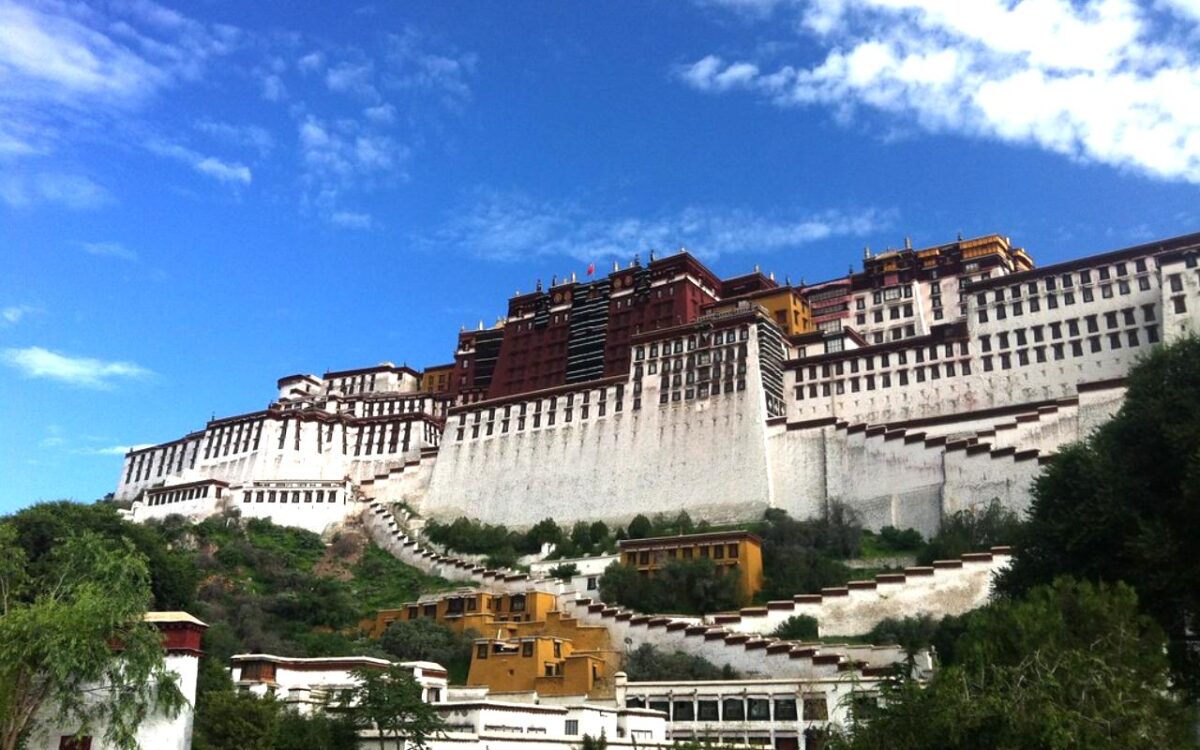
Potala Palace, Tibet Lhasa To
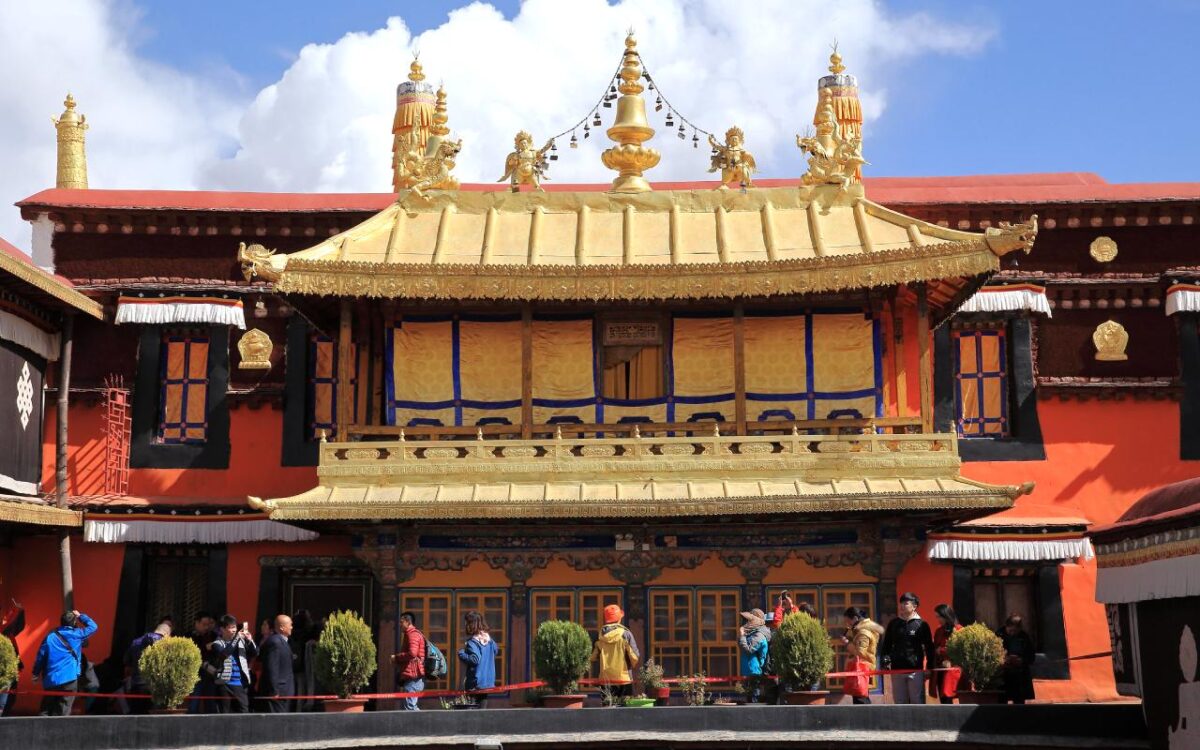
Jokhang Temple
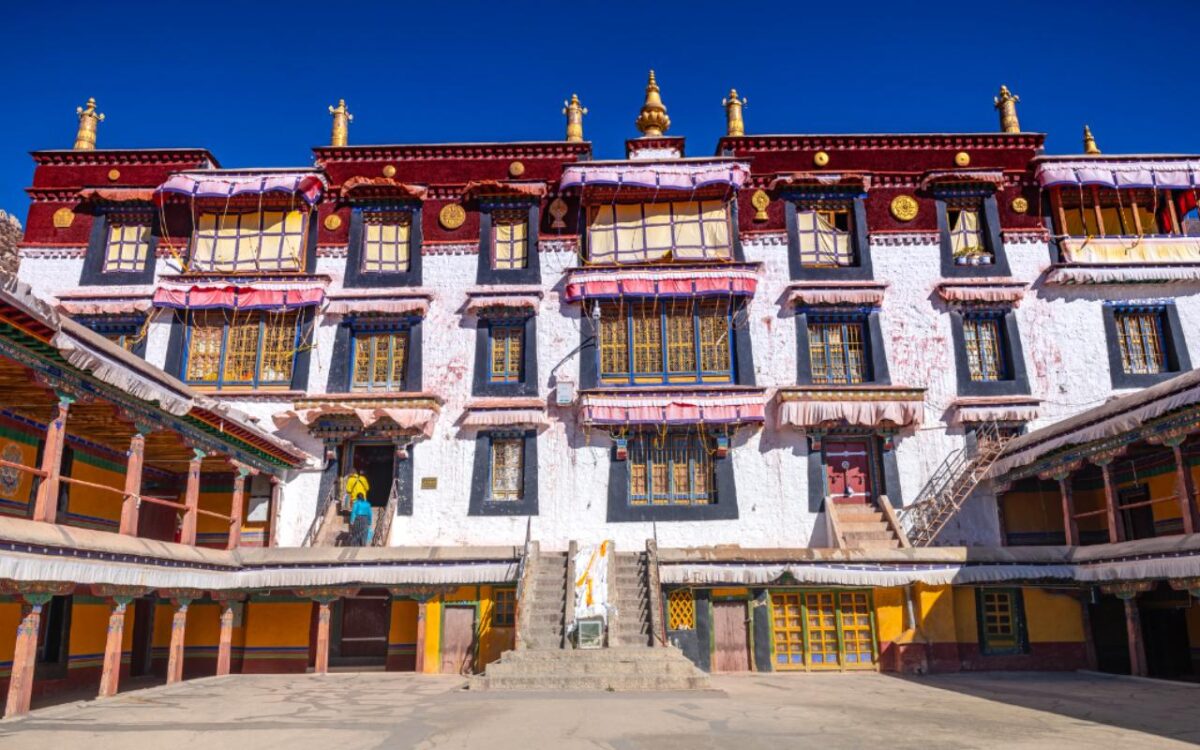
Drepung Monastery
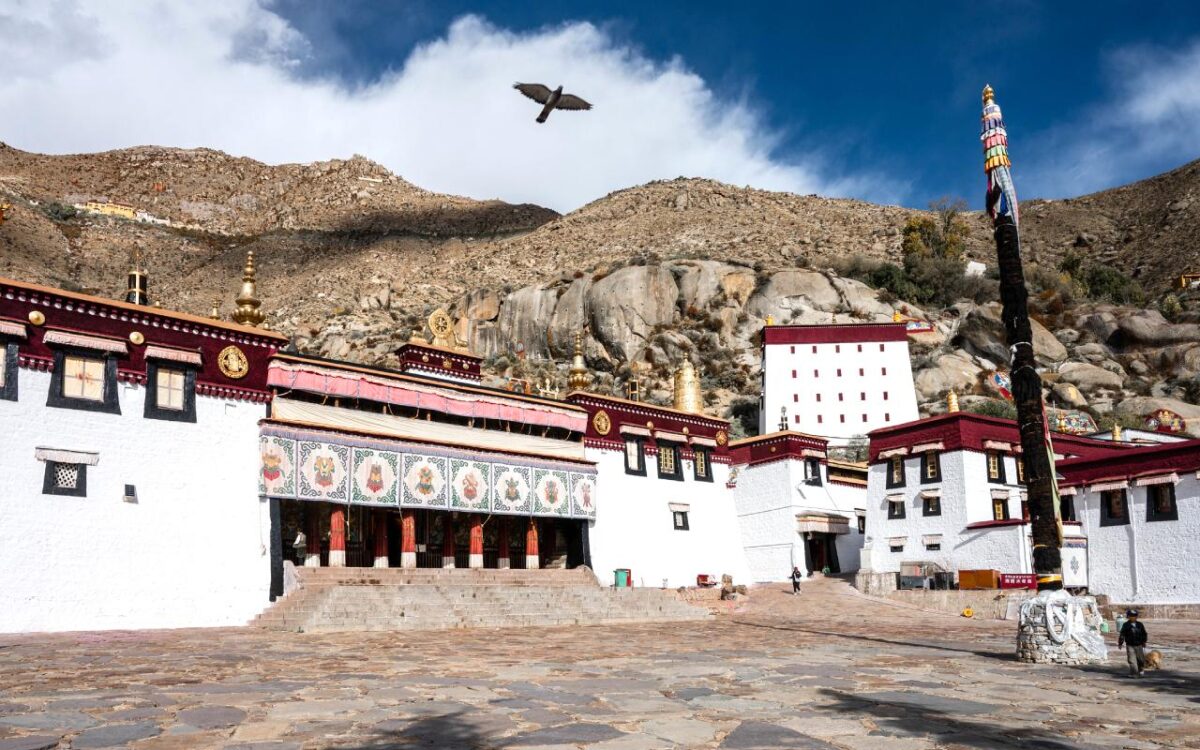
Sera Monastery
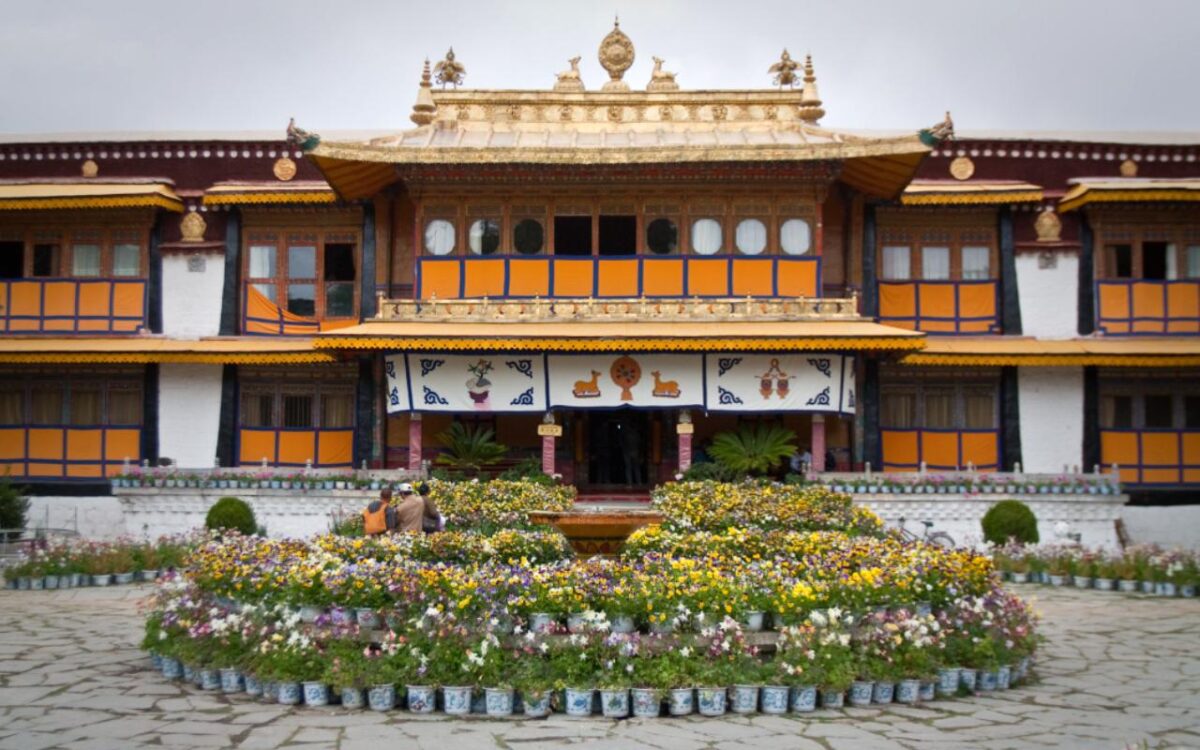
Norbulingka
Price starts from
US$
For group of minimum 3 Pax
Group Discount Price
-
4 -
6 personUS$ 1700
-
7 -
10 personUS$ 1650
-
11 over
9999
US$ 1600
US$
Need Help?

Managing Director
Saroj (+977-9806627713)

Duration
4 Days

Trip Difficulty
Easy

Max Altitude
3,650m / 11,975ft

Activity
Sightseeing

Destination
Tibet

Group Size
1-20 People

Accommodation
Three Star Hotel

Meals
Breakfast, Lunch ,Dinner

Transportation
Flight, Private Vehicle
Highlights of Tibet Lhasa Tour: Explore the Spiritual Heart of Tibet
- Tour the Potala Palace, the old palace of the Dalai Lama.
- Visit the Jokhang Temple, the most sacred Buddhist temple in Tibet.
- Walk through the Barkhor Street market to get a flavour of the local culture.
- Explore Drepung and Sera Monasteries, where there is lively debate among the monks.
- Witness Norbulingka, the peaceful summer palace and gardens of the Dalai Lamas.
- Spiritual flights and landscapes of the Himalayas between Kathmandu and Lhasa.
- All permits, English-speaking guides, and private transport.
Trip Overview of Tibet Lhasa Tour: Explore the Spiritual Heart of Tibet
The Tibet Lhasa Tour by Glory Adventure is a well-planned four-day trip that makes the tourists experience the centre of Tibetan culture and spirituality. Lhasa is a historic city of Tibet located at an elevation of more than 3,650 meters, and the city that has been central to the Tibetan religion, art, and history.
The Tibet Lhasa Tour is a four-day trip that enables one to see the most important sights, spiritual places, and colourful locals in the city within a very small yet rich itinerary.
The experience of Glory Adventure makes this Tibet Lhasa Tour a smooth and unforgettable journey. The tour starts with a scenic flight between Kathmandu and the Himalayas, which provides a view of the mountain ranges from an aerial perspective, including some of the highest mountains in the world.
When the travellers arrive in Lhasa, they are taken to their nice 3-star hotels, and they are given time to acclimatise to the high altitude. The tour has a sightseeing day as well as a cultural day every day, which means that the travellers do not get tired of touring.
This Tibet Lhasa Tour also takes its visitors to the three components of the UNESCO-listed ‘Historic Ensemble of the Potala Palace’. The Potala Palace, the old winter palace of the Dalai Lama, has various impressive features, such as the detailed chapels, historic relics, and a panoramic view of Lhasa city.
The most sacred temple in Tibetan Buddhism, Jokhang Temple, gives a personal view of the Tibetan Buddhist worship with flickering butter lamps and the continuous stream of pilgrims.
The Barkhor, a surrounding place of the temple, is full of pilgrims and local traders who offer traditional crafts, so there is a vibrant cultural experience.
Drepung and Sera Monasteries are also part of the tour, and here, you can observe monk debates mainly at Sera Monasteries, an amazing experience of what Tibetan monastic life is like. The summer palace of the Dalai Lamas, Norbulingka, is beautiful with its peaceful gardens and rich chapels.
The entire logistics of the Tibet Lhasa Tour are handled by Glory Adventure, such as personal transportation, hotel accommodation, China visa services, and Tibet Travel Permit.
Tourists are given the liberty to explore on their own as the guides give comprehensive remarks on the history of Tibet, its culture, and Buddhism. Nighttimes are spent with Tibetan music, food, or narration, which adds to the immersion in the culture.
After the four-day Tibet Lhasa Tour, the visitors will have a profound idea about the tradition of Tibet, its everyday life, and spiritual culture. This tour is perfect for the time-constrained traveller, taking one on a complete, worry-free, and memorable trip to the Roof of the World that the visitors will never forget, the Land of the Snows.
Itinerary of Tibet Lhasa Tour: Explore the Spiritual Heart of Tibet
Day 01: Fly from Kathmandu to Lhasa
Tibet Lhasa Tour starts with a morning flight from Kathmandu to Lhasa, and it takes about 1.3-1.5 hours to cover a distance of about 600 km (air distance).
The visitors are subjected to amazing aerial scenes of the Himalayas, where snow-covered peaks such as Mount Everest are sometimes seen, provided there is no bad weather.
When we land at the Gonggar Airport (3,650 m), travellers complete Chinese immigration and customs. The guides will deal with the luggage and immigration process, and the trip proceeds with a 60 km scenic ride into Lhasa city.
It traverses rugged mountains and high plateaus, which give the first impression of the Tibetan landscape to the travellers.
On arrival at the hotel, the guests are greeted with traditional Tibetan tea and a short orientation on the tour. The rest of the day is used to acclimatise the travellers as they take a rest and get used to the high altitude. The rooms are heated and have hot water, so that customers are comfortable.
During the evening, the visiting guests can have a simple traditional Tibetan dinner, including tsampa or butter tea, which will help in attracting to the local cuisine.
Day 1 will be more laid-back in nature as the travellers will have time to acclimatise themselves before the real exploration of Lhasa commences the following day.

Activity & Duration
1.3-1.5hrs flight
Highest Altitude
3650m / 11,975ft
Meals
B L D
Accommodation
HotelDay 02: Sightseeing in Lhasa (Jokhang Temple, Barkhor, Potala Palace)
Day 2 of the Tibet Lhasa Tour is a day-long sightseeing in Lhasa that approximately includes the areas of 10 km by local transport.
Travellers head to the well-known Potala Palace after having breakfast at the hotel, which is located on top of Marpo Ri hill.
The visitors ascend the stairs in its grandiose chapels, assembly halls, and vivid murals, and they get breathtaking views of Lhasa city and the mountains.
The tour pays a visit to Jokhang Temple, which is the most sacred shrine in Tibet, around midday.
The interior is filled with flickering butter lamps, elaborate statues, and prayer halls that give the place a very spiritual air, with pilgrims going round the temple in their devotion.
Beyond Jokhang, there is a busy Barkhor Street, which is part of an ancient kora path, with sellers around it selling prayer wheels and jewellery, among other items, as well as local art.
Tourists stroll the road together with the guide, turning the wheels of the prayers and soaking in the cultural vibrations.
A local meal is offered at a restaurant nearby serving Tibetan food so that the travellers have a taste of the local food.
Afternoon is free time to visit the area chapels, take photos of locals, or get a tea break. The day will end with a visit back to the hotel, where the travellers will get to rest so that the following day, they will be in a position to visit the monasteries.
Activity & Duration
SightseeingMeals
B L DAccommodation
HotelDay 03: Explore Lhasa Monasteries (Drepung, Sera, Norbulingka)
During the Tibet Lhasa Tour, Day 3, the tour participants are given a full day of sightseeing in Lhasa monuments, where local driving is approximately 25km in an 8–9-hour period.
This morning starts at the Drepung Monastery, which was the largest monastery in Tibet, and it is located on a hill to the side of the city.
Visitors explore the white walls of courtyards, cloisters, and halls of assembly and get to know about the life of the monks, historic stupas, and monastic education.
Towards noon, the party proceeds to Sera Monastery, where there is a lot of monk wrangling, most often in the late afternoon.
Tourists are also allowed to enter prayer halls and murals and then observe monks conducting lively philosophical debates in the monastery courtyard, a rare experience of Tibetan culture.
This is followed by a visit to the summer palace of the Dalai Lamas, Norbulingka, which is a serene place, with admirable gardens, decorated pavilions, and colourful chapels.
Visitors are led on the walks along the flower-lined walks and have quiet ponds and traditional Tibetan buildings.
The tour ends in the late afternoon, and the travellers get back to the hotel to have dinner, leisure, and pack ready to take the next day.
Activity & Duration
8-9hr Sightseeing, TourMeals
B L DAccommodation
HotelDay 04: Fly from Lhasa to Kathmandu
On the 4th day of the Tibet Lhasa Tour, you have breakfast at the hotel and load their bags as they will soon be heading back to Kathmandu.
The guide also arranges the transfer to Lhasa Gonggar Airport after a relaxing morning, which is about a 1-1.5-hour drive at a distance of about 60km.
During the journey, the visitors can have the last views of Lhasa city and the plateau landscapes.
The process of welcoming guests at the airport and the check-in process takes place without any issues, giving the traveller time to rest before they take their 1.5-hour flight to Kathmandu.
The plane loses sight of the snow-capped mountains of the Himalayas as it descends to Kathmandu at an altitude of 1,345 meters.
The flight turns out to be a moment of reflection to go through photos, reminisce, and enjoy the Tibetan scenery that the tour has offered.
On arrival, tourists pick up their baggage and either say their farewells at the airport or head to their Kathmandu hotels, where they will proceed. The guide would be able to help with hotel checkouts or extensions when necessary.
This is the last day of the four-day Tibet Lhasa Tour, and the travellers are left to have a lasting memory about the Tibetan culture, the spiritual heritage, and the spectacular beauty of the Land of Snows.
Activity & Duration
1.5hrs flightMeals
B L DAccommodation
HotelIncludes / Excludes of Tibet Lhasa Tour: Explore the Spiritual Heart of Tibet
What is included?
- One-way international flight Kathmandu-Lhasa.
- Tibet visa processing and all the necessary Tibet travel permits.
- China (Tibet) visa fee
- Lodge transport (car/van) during the tour.
- Tibetan tour guide in English.
- 3 nights of 3-star accommodation in a hotel (twin share).
- Sightseeing and fees to monasteries according to the itinerary
- Daily breakfast is included (3 breakfasts total).
- Any taxes and service fees of the government.
What is excluded?
- Dinner (except breakfast) Lunch
- China visa fee surcharge for U.S./Canadian passports (around US 90)
- Travel insurance (highly recommended)
- All costs incurred because of the change of flights or flight delays, natural disasters, and accidents.
- Guide and driver tips (suggest 50-100 CNY/per/day)
- Personal, shopping, and services that have not been mentioned in the itinerary.
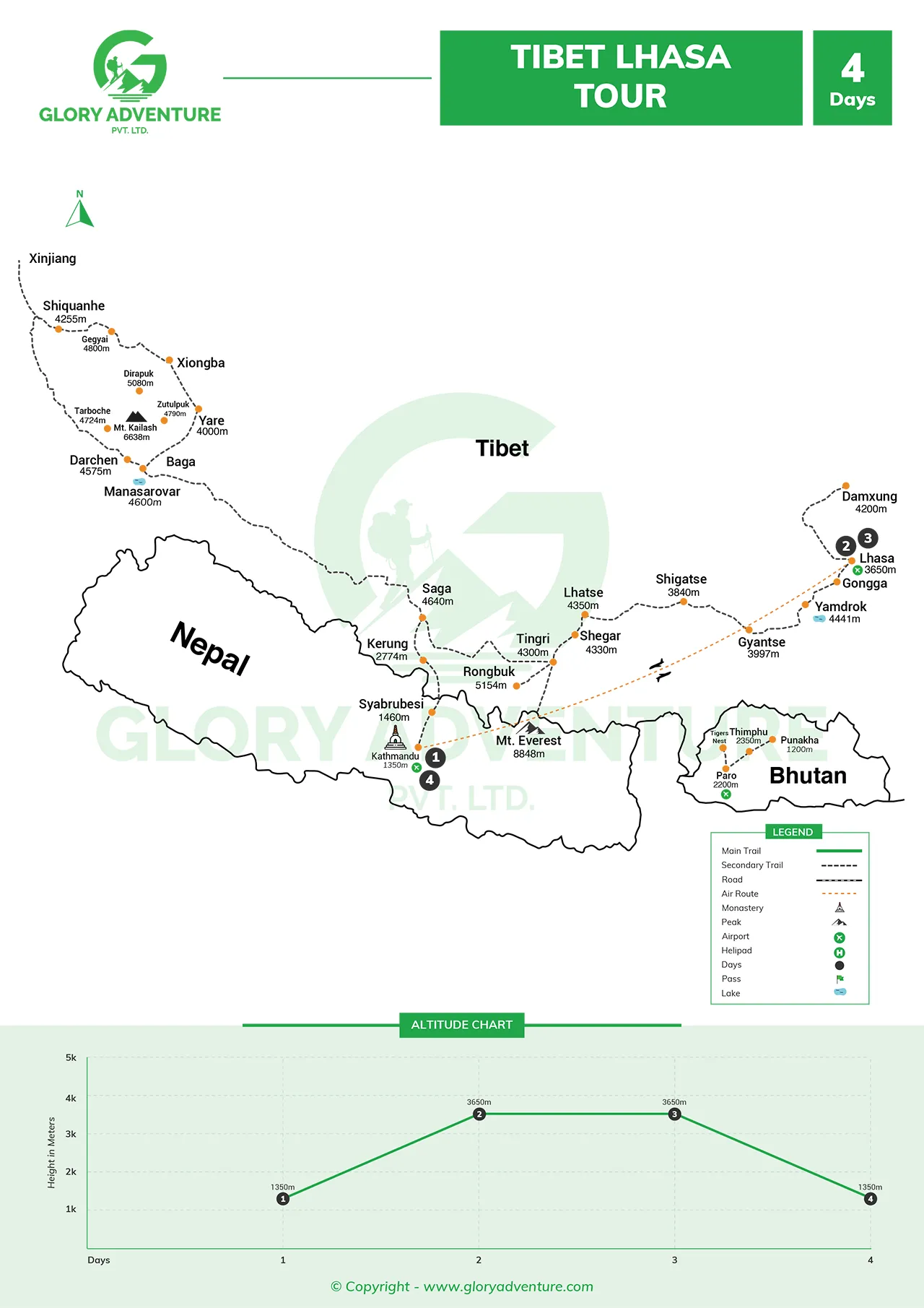
Route Map & Altitude Chart
Essential Information of Tibet Lhasa Tour: Explore the Spiritual Heart of Tibet
Weather and Best Season
When visiting Tibet Lhasa Tour, the weather is a major factor that should be considered. Lhasa is a high-altitude city at 3650 meters in the cold arid climate and has high UV radiation and thin air throughout the year.
The summers (June-August) are not hot, but daytime temperatures are approximately 20-25degC and it is much colder at night; however, rain showers in July and August pass over rather fast, leaving the skies sunny.
Winters (December-February) are very cold and dry, with winter daytime temperatures around 0- 8 °C, and nights well below freezing. The most suitable time of Tibet Lhasa Tour is Spring (April-June) and Autumn (September- October) as there is a clear sky, mild days, and crisp nights.
The temperatures may be 20 °C during the day and almost freezing during the night. Low humidity means that tourists should bring layered clothes, sun protection (hat, sunglasses, sunscreen), and moisturiser.
Shady places or even evenings are cold even in summer. The water evaporates too fast, and it is important to keep hydrated. Even during spring, high passes may get snow on them without any warning.
All in all, spring and autumn are the best seasons to visit the Tibet Lhasa Tour as it offers the best sightseeing, photography, and culture tours to those who want to have a comfortable and visually satisfying experience in Tibet Lhasa Tour.
Difficulty and Altitude Sickness
The difficulty of the Tibet Lhasa Tour is easy. It does not have any long walks or steep ascents, and all the sightseeing is done within Lhasa or around it. Most of the time is spent walking around a few kilometres across fairly flat land with a few stair climbs at the Potala Palace and monasteries.
The biggest problem is the high altitude: even slight symptoms of altitude illness, like headache, nausea, fatigue, or dizziness, can manifest themselves on the first day at an altitude of 3,650 meters above sea level.
To overturn this, the itinerary will involve acclimatisation on arrival. The travellers can be advised to go slowly, inhale and exhale, and have frequent rests. Bringing water and snacks will keep one energised, whereas drinking the traditional Tibetan butter tea will help with hydration and calories.
The symptoms can be prevented with over-the-counter altitude drugs such as Acetazolamide, though a doctor should be consulted.
Pacing is significant because walking uphill or using stairs is more strenuous than at sea level. The majority of the travellers who possess basic fitness, which means those who can walk a few kilometres and can climb stairs at a moderate level, adapt within the course of the second day. Being patient, cooperating, and pacing will help everybody to spend the rest of the Tibet Lhasa Tour comfortably and safely.
Insurance, Visa, and Permits
The Tibet Lhasa Tour requires travel insurance, visas, and permits. Insurance should take care of cancellation of the trip, treatment of medical cases, and emergency evacuation, particularly in high altitudes. Tibetan healthcare is limited; serious problems can be evacuated only at a high cost to Kathmandu or other cities.
High-altitude coverage is supposed to be in the policies, and emergency airlift is also encouraged; at least, there should be at least USD 100,000 in case of medical evacuation.
Every foreigner is to have a Chinese tourist visa and a Tibet Travel Permit (Tibet Entry Permit). The tour package of Glory Adventure involves the Chinese visa processing through the Chinese Embassy, usually in Kathmandu.
The travellers normally come up with a Standard Chinese Tourist (L) Visa, which is a one-entry visa, but submitted well in advance, usually in Kathmandu, and the Tibet Travel Permit is done by the agency once the visa has been approved.
The necessary items are a passport that is 6 months or up to date, and up-to-date photos for the visa. There is an extra charge (above 90 dollars) on Chinese visas for U.S. and Canadian citizens. The visa processing time for foreigners can be 4-6 weeks, depending on nationality, and therefore, one should arrive in Kathmandu at least 3-4 weeks before.
Glory Adventure makes sure that all permits and documentation are handled effectively. It will be required to have copies of visas, permits, and insurance documents with them.
Proper planning is a sure way to ensure a hassle-free Tibet Lhasa Tour, where the tourists are able to concentrate on culture and sightseeing and not red tape.
Health & Safety
Tibet Lhasa Tour relies heavily on health and safety since Lhasa is at an altitude of 3,650 meters. During the initial days, the drinker is advised to take plenty of bottled water to keep him or her hydrated and to avoid alcohol and too much caffeine. Food intake has to be light, and raw vegetables should be avoided as the local water is not safe to be consumed without treatment.
Lhasa is usually quite safe as a tourist destination, and violent crime is extremely scarce, as well as petty theft, which only occurs occasionally; it is important to keep things locked up and take all the advice of its guides.
High altitude exposes the skin to a lot of sun, and thus a hat, sunscreen, and sunglasses are required. Summers require warm clothes since wind chill and nighttime temperatures could be chilly.
Symptoms of mild altitude (headache, nausea, or dizziness) may appear frequently and require an instant rest. Carry a few basic drugs such as painkillers and altitude pills to have them handy.
There are limited care facilities, and there might be a lack of English in hospitals in Lhasa; it is advisable to stay in groups with a guide. Be respectful of local laws and practices–do not take pictures of military installations and wear decently in temples. By observing these tips, the Tibet Lhasa Tour would be safe and fun.
Transportation
The Tibet Lhasa Tour provides comfortable, secure, and private transportation. The trip will take a 1.5-hour flight by Tibet Airlines or Air China between Kathmandu and Lhasa. The Himalayas have amazing scenery that can be seen during daytime flights in the form of snow-capped mountains and high plateaus.
At Gonggar Airport, the travellers are then driven to Lhasa City by a private van or minibus over a period of about 2 hours across the paved and well-maintained roads with some scenic mountainous terrain in sight.
During the tour, all the transfers, including sightseeing trips, are done in a personal car, which will have a trained driver; sightseeing trips will be done in a drive of less than 20-30 km.
Cars will be modern, clean with seat belts; during winter, there will be provision of blankets and heaters. All airport transfers and local drives are covered, and thus, travelling becomes easy and tension-free.
The tour guide helps with rebooking in case of a very rare weather delay of the flights. No trains or buses for long distances are needed, and the travellers could spend more time exploring the culture. In sum, transportation on the Tibet Lhasa Tour is comfortable, safe, and convenient, and provides ways of having a relaxing and memorable experience.
Your Extra Expenses
The Tibet Lhasa Tour package has the majority of the logistics covered, but travellers must prepare for the cost of personal expenses. Breakfast will be provided, and lunch and dinner will have to be charged in the local area, with the meal costing approximately US$10-20 in mid-range restaurants and the fine dining being on the higher end.
Bottled tea or coffee are add-on drink; other hotels will charge for mineral or boiled water. Tipping is normal, and the amount of 50-100 CNY (US$7-15) per day is recommended to be given to guides and drivers together at the end of the tour, and it is paid in Chinese yuan. Souvenirs – yak wool scarves, prayer flags, jewellery, traditional crafts, bargaining in a polite way is anticipated in the markets.
The other incidentals are laundry, snacks, phone calls, and optional activities such as visiting museums. Their travel insurance is optional, and strongly advisable to have altitude and emergency cover. The traveller is responsible to incur costs that are not expected, such as the cost of an extra stay at the hotel in case of flight delays or emergency cases.
The only money used in Tibet is Chinese yuan (CNY); change money cash in Kathmandu or get out of the Lhasa ATM in advance. To cover meals, tips, shopping, and minimal personal expenses are to provide a worry-free and pleasant trip to the Tibet Lhasa Tour.
Language & Communication
A Tibet Lhasa Tour is not complex in language and communication. Tibetan and Mandarin Chinese (Putonghua) are the main languages of Lhasa. The native dialect of Tibetan in use by most locals is the Lhasa dialect, with Mandarin widely used in government offices, stores, and by the younger generation.
The tour guide speaks fluent English, and in many cases, the hotel staff does, so without any difficulties with communication. English is hardly spoken in other sectors of the economy, and the signs are commonly written in Tibetan script or Chinese characters.
It is handy to carry an address written in Chinese or a phrasebook application when travelling alone. It is a good idea to learn some Tibetan greetings, Tashi Delek, which means hello or good luck, as a sign of respect. In Lhasa, children can understand basic English language, and they can greet tourists with a good-spirited Hello.
Most of the time, communication is also not a problem with an English-speaking guide, and the travellers do not need to know the Tibetan or Chinese language. It only requires patience, courtesy, and the desire to learn the local ways.
On the whole, there is nothing to hinder the language, and those who are travelling on the Tibet Lhasa Tour can sightsee, shop, and have cultural interactions without any worry or difficulty.
Mobile Network, Internet & Charging Facilities
It is feasible, though one has to plan on staying connected on a Tibet Lhasa Tour. There is mobile connectivity in Lhasa by Chinese mobile companies like China Mobile and China Unicom.
Upon arrival, tourists are able to buy a local SIM card, but they have to be registered using a passport. Internet and national calls are good, whereas international roaming is costly and unreliable. Wi-Fi is available in most of the hotels, but it may be slow or unreliable.
The internet is censored, as in mainland China, Facebook, Google, WhatsApp, and most news outlets are blocked. Tourists who require a full-fledged internet connection should install a VPN before landing.
Tibet operates Type A, C, and I (flat-pin) 220 V sockets, and therefore, U.S. visitors need an adapter and a voltage converter. The use of power banks and additional camera batteries is strongly suggested because the number of charging points can be low when exploring the city all day.
A few tourists carry Wi-Fi in their backpacks, but this is patchy beyond Lhasa. By being proactive, you would not miss out on staying in touch with the Tibet Lhasa Tour as you share photographs and keep in touch with each other without technical hitches.
Don’ts on this Trip
It is important to see the local rules and practices during a Tibet Lhasa Tour. Should not take pictures of military, police, or sensitive government installations. Never take photos of people without their consent.
Pay respect to monasteries by taking off hats, shoes, not touching statues or murals, and walking clockwise around stupas. It is not to step over prayer flags and sacred ground or to point feet at Buddha images or people.
Don’t yell in temples, wipe your nose in public, and make polite gestures or donations when necessary. One should not touch monks or give money, and avoid showing affection in the open around religious places. Political talk, such as the Tibetan independence or the Dalai Lama are strictly avoided when talking to locals.
Always keep up with the group, stick to the directions of the guide, and you can never go alone. Clean up rubbish, do not vandalise temples or markings, and put a high premium on hygiene: drink bottled or boiled water only and do not eat raw food. These precautions will guarantee a safe and culturally rich Tibet Lhasa Tour experience.
Cultural Festivals on the Trail
The Tibet Lhasa Tour presents the tourists with a rare chance to witness the rich cultural festivals of Tibet, which are based on the lunar calendar and change the festival dates annually. Losar, the Tibetan New Year (January-February), is the most widespread party, where the towns are adorned, families meet, and rituals are held all around Lhasa.
The most religious Buddhist festival is called Saga Dawa (April-May) and is observed to honour the birth, enlightenment, and death of Buddha; numerous pilgrims walk around Jokhang Temple and significant monasteries during this period, which is known as kora.
During summer, there is the Shoton Festival (usually occurs in August, depending on the lunar calendar) in which the traditional Tibetan opera is performed, and the dramatic unveiling of giant Thangkas at Norbulingka is done. Thousands of lamps with complex butter sculptures are lit in temples during the Butter Lamp Festival (February), making the place magical.
Additional attractions are the Bathing Festival at Jokhang (August-September) and the Monlam Prayer Festival (January-February). Although there is no significant festival at any given time of the year, even the travellers in a Tibet Lhasa Tour will have the experience of seeing devout pilgrims prostrating at the temples or families offering.
Attending any local ceremony, dance, or ritual complements the trip and gives an understanding of the Tibetan spirituality and life. The tour, combined with festivals, is immersive and memorable, allowing the traveller to have a true insight into the living Tibetan culture.
Tips for First-Time Visitors
The Tibet Lhasa Tour should be well prepared to facilitate the experience of first-time travellers in Tibet. Wearing many layers is imperative: carry warm jackets, gloves, and hats in cold weather, and lightweight clothes in hot weather.
Temples require sturdy walking shoes. It is important to remain hydrated with bottled water at 3,650 meters, and some aids, such as ginger or special pills, can make the altitude less uncomfortable.
Always carry a little Chinese yuan for meals and souvenirs or tips, and hide an additional cash and travelling documents in a hotel safe. Carry passport photographs and copies of documents. Get to know the fundamentals of Tibetan etiquette, warm locals with a handshake, take off shoes before entering temples or houses, and be respectful at religious places.
Have small meals at first, preferring to drink Tibetan barley tea, or soups to keep oneself energised. Apply a sunscreen with high SPF and wear a pair of sunglasses since the sun burns fast at altitude.
Plug adapters and power banks can help charge electronics. With proper planning and instructions by the guide, listening to your body, and taking the process and the trip with patience and respect, first-time visitors can have a smooth, culturally enriching, and memorable experience on the Tibet Lhasa Tour.
Frequently Asked Question (FAQ’s)
Discover the best sites in Lhasa: Potala Palace, Jokhang Temple, Barkhor Street, Drepung and Sera Monasteries, and Norbulingka.
Air Travel, Kathmandu to 1.5 hours, followed by a personal car to the hotel. All transfers included.
Lhasa is 3,650 m (12,000 ft). Day one has mild effects of altitude, and acclimatisation is part of the itinerary.
Breakfast is included daily. In Lhasa, lunch and dinner are self-financed.
Cozy 3-star hotels have twin share accommodation, private baths, heating, and a few extravagant facilities.
Yes! The group is accompanied by English-speaking guides. There are also the options of private departures.
Basic fitness only. Take a walk every day, and do some running up the stairs; no hard work required.
Yes. There is mobile coverage and hotel Wi-Fi, but access to certain websites (Google, Facebook) is prohibited.
Chinese yuan (CNY). Cash is advisable; cards can only be used in big hotels or stores.
The guide and driver charge 50-100 CNY (~$7-15) per person/day.
Day and night layers, sunhat, sunglasses, sunscreen, rough shoes, and a reusable water bottle.
Take off your shoes inside temples, circle the holy places clockwise, shake hands with the people by saying Tashi Delek, and be respectful.
Yes, there is no independent travelling. One needs a guide and a permit to travel in Tibet; both are provided.
Depends on dates. Large festivals are Losar, Saga Dawa and Shoton. Check the Tibetan calendar.
Yes. It must include medical care and emergency evacuation at high altitude.
Very safe. Violent crime is rare. Keep with you and adhere to local manners.
Tour guides help in rebooking. You should give yourself some buffer days when travelling.
No. It should be bottled or boiled water.
Mandarin and Tibetan (Lhasa dialect). Hotel staff and guides speak English.
Yes, you can purchase a SIM with your passport.
Trip Reviews on Tibet Lhasa Tour: Explore the Spiritual Heart of Tibet

Price starts from
US$
For group of minimum 3 Pax
US$
Need Help?
Managing Director
Saroj (+977-9806627713)
Saroj Sunar
Travel Consultant
Looking for a Private Trip?
Say Hello to Your Travel Consultant
Planning your next getaway? Our travel specialists are ready to design a fully customized package tailored to your interests. If you need help or have any questions, feel free to connect with us—we’re here to guide you from start to finish.
Price starts
US$
✖
Free Trip Planner
Talk to
Mr. Saroj Sunar