Talk to Mr. Saroj
- Home
- Destination
- Nepal Trekking
- Everest Region
- Everest View Trek
- Everest Base Camp Trek 14 Days
- Short Everest Base Camp Trek
- Luxury Everest Base Camp Trek
- Everest Base Camp Helicopter Trek – 12 Days
- Everest Base Camp and Gokyo Lakes Trek
- Everest Helicopter Tour in Nepal
- Gokyo Lakes Trek 12 Days
- Everest Three High Passes Trek
- Pikey Peak Trek – 10 Days
- Ama Dablam Base Camp trek – 9 Days
- Everest Region
- Annapurna Region
- Dhampus Sarangkot Trek
- Short Poon Hill Trek 3 Days
- Ghorepani Poon Hill Trek 4 Days
- Ghorepani Poon Hill Trek – 8 Days
- Mohare Danda Trek – 9 Days
- Annapurna Base Camp Heli Trek
- Short Annapurna Base Camp Trek- 6 Days
- Annapurna North Base Camp Trek– 9 Days
- Short Mardi Himal Trek
- Annapurna Base Camp Trek – 10 Days
- Mardi Himal Trek – 10 Days
- Annapurna Base Camp Trek Via poon Hill
- Ghorepani Poon Hill with Mardi Himal Trek
- Annapurna Base Camp and Mardi Himal Trek
- Short Annapurna Circuit Trek
- Annapurna Circuit Trek with Tilicho Lake
- Khopra Ridge Trek
- Kori Himal Trek -10 Days
- Nar Phu Valley Trek with Kang La and Thorong La Pass- 17 Days
- Ghorepani Poon Hill Yoga Trek
- Annapurna Base Camp Trek
- Mardi Himal Yoga Trek
- Annapurna Region
- Travel Info
- Company
- Contact
 Plan Your Trip
Bookings open for the 2026-2027 season! Start planning your dream journey.
Dagala Thousand Lakes Trek in Bhutan

Need Help?

Managing Director
Saroj (+977-9806627713)

Duration
10 Days

Trip Difficulty
Moderate

Max Altitude
4,520m / 14,829ft

Activity
Hiking, Sightseeing

Destination
Bhutan

Group Size
2-20 People

Accommodation
Hotel, Camp

Meals
Breakfast, Lunch and Dinner

Transportation
Private Vehicle
Highlights of Dagala Thousand Lakes Trek in Bhutan
- Scenic walk up to the Tiger’s Nest Monastery.
- Visit historic Rinpung Dzong and Ta Dzong in Paro.
- Cross woods, alpine meadow and mountain trails.
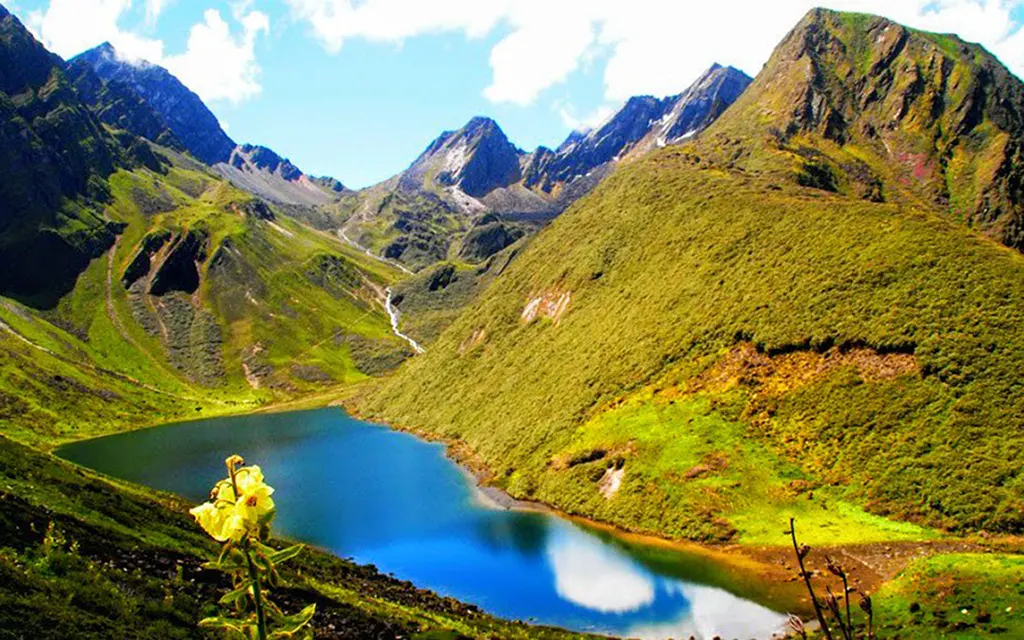
- Explore the high-altitude lakes surrounding Labatama
- Take one day to acclimatize yourself to the Dagala area.
- Cross high mountain passes with views of the Himalayan ranges
- Tent camping out here in the mountains.
- Hike from Panka to Talakha, then Chamgang.
- Do a trek to the 108 Druk Wangyal Chortens and Dochula Pass
- Explore the Bhutanese culture and architecture in Thimphu and Punakha.
Trip Overview of Dagala Thousand Lakes Trek in Bhutan
The Dagala Thousand Lakes Trek is a multi-day trekking journey in Bhutan that combines mountain scenery, high-altitude lakes, traditional villages and cultural sightseeing. This trek goes through the more built-up areas of the country and heads for the more rural areas of the Dagala mountain range, with open meadows, rocky tracks and grazing grounds all being part of the walk.
This trek starts in the nearby village of Genekha outside the city of Thimphu and continues through the villages of Gur, Labatama and Panka, before arriving near Chamgang. On the way, you will pass through forests, mountain passes and the alpine lakes which are surrounded by hills. The number of lakes visited will vary according to the route and conditions, but the area is renowned for the number of high-altitude lakes.
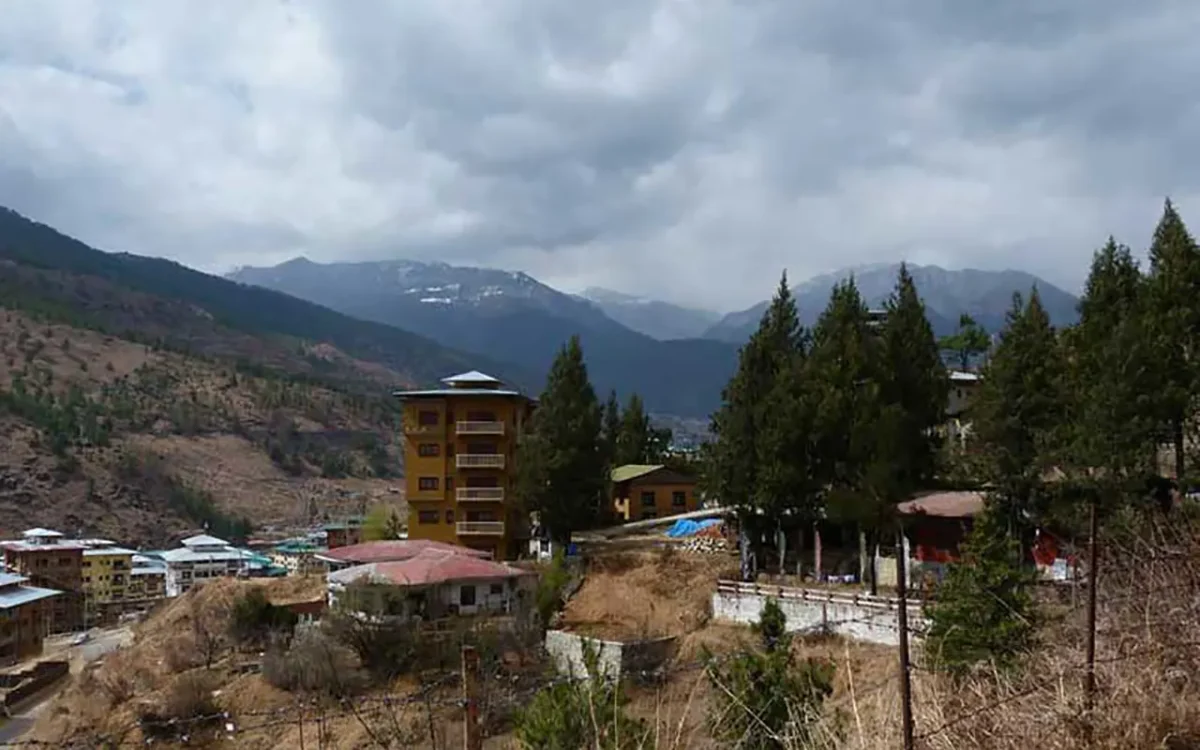
The visit to some of the popular cultural destinations of Bhutan is also included in the trekking tour. Discover the Paro Valley, hike to Tiger’s Nest Monastery and visit historic dzongs and temples. Next, it takes you through the capital city of Thimphu and Punakha, where you will learn about Bhutanese architecture, traditions and daily life. The trek offers a blend of outdoor activities and sightseeing, appealing to those who wish to explore the natural beauty and cultural history of Bhutan.
The trek portion is physically demanding, as it involves walking for several hours a day, a few high mountain passes and steep climbs. The path peaks at around 4520m (14829ft), so it is advisable to take things slowly, wear the right clothes and pay attention to altitude. The trek is spent in tents and in the main towns in hotels.
The trip can be arranged with Glory Adventure which provides the necessary visa, trekking permits, transportation and planned sightseeing. This ten-day trek itinerary helps you discover the mountain wonders and cultural treasures of Bhutan realistically, with a bit of rest in between the treks.
Why Choose the Dagala Thousand Lakes Trek?
For those who wish to discover Bhutan outside the tourist trail, the Dagala Thousand Lakes Trek is a great option. This hike will allow you to experience the untouched nature of Bhutan, with the opportunity to explore quiet forests, open alpine meadows, passes and high-altitude lakes.
This Bhutan trekking tour is more than just a sightseeing trip, as it also involves a few days of hiking and camping, visiting historic monasteries, dzongs and traditional towns. Hiking to Tiger’s Nest Monastery, visiting Paro Valley and immersing in the cultural heritage of Thimphu and Punakha can all be done during the same trip.
This hike also provides chances to see the local grazing areas and view the mountains when the weather is clear. Glory Adventure provides the arrangements for the planned trip which is ideal for those who enjoy being outdoors, learning about culture and spending time in the mountain environment of Bhutan.
Dagala Thousand Lakes Trek Route Overview
The Dagala Thousand Lakes Trek starts in Paro, where you are introduced to cultural landmarks, visit the Tiger’s Nest Monastery and continue walking through the thousand lakes. There is a drive from Paro to Genekha, the beginning of the principal trek.
The trail runs from Genekha to Gur and then to Labatama, then towards the local alpine lakes, with a day of acclimatization. This is followed by a trek down to the campsite via a high saddle, then down to Panka. The final section of the trek goes through Talakha and arrives at Chamgang, from where a vehicle drives to Thimphu.
This Bhutan trekking tour is then followed by a road trip from Punakha through Dochula Pass back to Thimphu and then to Paro. The hike includes 10 days of hiking, camping and cultural sightseeing.
Itinerary of Dagala Thousand Lakes Trek in Bhutan
Day 01: Arrive in Paro and Explore Paro Valley
On arrival at the airport, you will be met by a Bhutanese guide/driver. You will then proceed to drive to your hotel in Paro and relax after travelling. The remainder of the day’s program will be dependent on your arrival time.
Once you have settled, you can start sightseeing around Paro Valley. The first stop will be the historic fortress of Rinpung Dzong which overlooks the valley. The traditional architecture and religious importance provide a gateway to Bhutanese culture.
You will then head on into Ta Dzong to visit the National Museum and learn about Bhutanese art, cultural items and historical artifacts. Sightseeing proceeds to Kyichu Lhakhang which is one of the oldest temples in Bhutan. In addition, you may have time to check out the town of Paro and stroll through the traditional structures and the local stores.
Your guide will give you an orientation in the evening about the trek, including your equipment, the weather, the pace and precautions when traveling at high elevations.

Activity & Duration
Airport transfer and Paro sightseeing
Highest Altitude
2233m / 7,326ft (Paro )
Meals
Breakfast, lunch and dinner
Accommodation
HotelDay 02: Hike from Paro to Tiger's Nest Monastery and Return to Paro
After breakfast, you will drive from your hotel to the starting point for the hike to Tiger’s Nest Monastery (Taktsang Monastery). One of the most significant Buddhist centres in Bhutan, located on a mountainside above the Paro Valley.
The path ascends through pine and rhododendron woodland; some sections are uphill and will require a medium pace. On the way, you will have opportunities to see views of the valley and the monastery. Steps and steep parts in the final approach make comfortable walking shoes and frequent rest breaks useful.
The monastery is located at a height of around 3120 m (10236 ft). It is an estimated four- to six-hour hike, depending on pace, breaks and trail conditions, round trip.
After visiting the monastery, you will then return along the same path and on the same road to Paro. The rest of the afternoon is reserved for refreshment and gearing up for the main trekking part of the day which will commence on the next day.
Activity & Duration
Hiking to Tiger's Nest Monastery and returning to Paro.Highest Altitude
3120m / 10,236ft (Tiger's Nest Monastery )Meals
Breakfast, lunch and dinnerAccommodation
HotelDay 03: Drive from Paro to Genekha and Trek from Genekha to Gur
The trek starts from Paro and you drive all the way to Genekha (Geynekha) which is the starting point of the main trek. You’ll drive from Paro to Genekha (Geynekha), where the main trek starts after an early breakfast. The drive will head towards the village and the trailhead, where you will set up for the walk to Gur. Transfer time varies depending on road conditions and starting point.
The path starts downhill towards a river. On the other side, pass through terraced fields and forested areas of oak and other mountain vegetation. Nearly all the way up the road, there’s a large rock platform that offers a view of the valley around it.
The trail then passes through forest and open pastures. The route may be seasonal and will be graced with local livestock and yak pastures.
After about a 4-5 hour walk, you will arrive at the alpine grazing area of Gur which is used as a camping site. The trekking party will set up your tent and cook dinner. Overnight stop here and proceed to higher areas of the Dagala range.
Activity & Duration
Drive from Paro to Genekha and trek to GurHighest Altitude
3290m / 10,794ft (Gur)Meals
Breakfast, lunch and dinnerAccommodation
CampDay 04: Trek from Gur to Labatama
Following the mountain trails of the Dagala range, you will leave Gur after breakfast and proceed towards Labatama. This section is a marvellous walk through open meadows, rocky paths and the traditional grazing areas. The aspect changes as you head further away from the lower wooded slopes.
You will cross a mountain pass at about 4240 m (14,000 ft) on your way. Depending on visibility, from the higher trail one can see surrounding mountain ranges and yak herders’ camps. The trail then enters the Labatama valley before winding its way towards the high altitude lakes.
Typically, the walk is some 12 km and will take 5 to 6 hours, depending on walking speed, the terrain and the weather. There are published trekking itineraries in which the Labatama campsite is located near the Utsho Tsho (4300m /14108ft).
Once at the campsite, you will set up your tent and enjoy your meal with the trekking team. Give time for rest and adequate water for the next day’s activities.
Activity & Duration
Trekking from Gur to Labatama via a high mountain passHighest Altitude
4300m / 14,108ft (Labatama)Meals
Breakfast, lunch and dinnerAccommodation
CampDay 05: Explore the Lakes and Acclimatize at Labatama
Today we will get used to the local climate and spend some time exploring the area around Labatama. You will not be moved to another campsite, but rather continue to stay in the area and explore the surrounding alpine landscape until evening when returning to the same camp.
Following breakfast, these can be visited by a walk to nearby high-altitude lakes such as Relitsho, Hentsho and Jametsho. One of the highlights of the Dagala Thousand Lakes Trek is these lakes. The walk is through open grassland and rocky terrain with views of surrounding mountain slopes and grazing areas.
This distance and time will vary from lake to lake and day to day depending on the lakes visited and the weather conditions. Your guide will help you pace yourself so that there will be time for photos and rests. This is a rest day for moving camp, but walking at this altitude still requires care. Do not be in too much of a rush; let your guide know if you become ill with altitude sickness.
The excursion will be followed by a return to Labatama, where you will have dinner and spend another night in your tent.
Activity & Duration
Lake exploration and acclimatizationHighest Altitude
4300m / 14,108ft (Labatama)Meals
Breakfast, lunch and dinnerAccommodation
CampDay 06: Trek from Labatama to Panka
Following breakfast, you will depart from Labatama and head for Panka. The path runs along the edge of the high-altitude area of the lake and arrives at a mountain saddle at about 4,520 m (14,829 ft). This is the top of today’s hike and one of the highest points on the Dagala hike.
The higher track is open and commands a panoramic view of the surrounding Himalayan ranges in clear weather. Far away, mountains like Mount Everest and Kanchenjunga might be seen, as well as Bhutanese mountains like Jomolhari and Jichu Drake. Weather-dependent – views subject to change.
Once across the saddle, you will drop into rocky areas down to the shelters of the yak herders. The path leads on to smaller climbs and descents to reach Panka (4,000m /13,123ft). Generally, this stretch is quoted as walking for 4 to 6 hours and a distance of 8km.
Upon arrival, you will camp, enjoy dinner and get the night’s rest before the last trek.
Activity & Duration
Trekking from Labatama to Panka via a high mountain saddleHighest Altitude
4520m / 14,829ft (Panka)Meals
Breakfast, lunch and dinnerAccommodation
CampDay 07: Trek from Panka to Talakha and Chamgang, Then Drive to Thimphu
After breakfast, you head off from Panka and start the last stretch of the trek towards Talakha and Chamgang. The route then goes through the mountain landscape and arrives at Tale La (4,180m /13,714ft). From this higher area, the trail slopes down to greener areas and Talakha.
The landform changes from open alpine grazing to woodland and lower mountain areas as you descend. You will proceed to Talakha Monastery and then go down to Chamgang, where you can pick up your car. There is a mixture of terrain along the route and walking times will vary depending on how fast the walkers go and the conditions of the walk.
The total walking distance from Panka via Talakha to Chamgang is about 14 km (more or less depending on various published routes). Allow 6-8 hours for the trail or more if it is challenging or the group requires more rest breaks.
From Chamgang, you will proceed to Thimphu, where you will stay at the hotel. After the trekking portion, have a hot shower, dinner and rest.
Activity & Duration
Trekking from Panka to Chamgang via Talakha, then driving to ThimphuHighest Altitude
4180m / 13,714ft (Talakha)Meals
Breakfast, lunch and dinnerAccommodation
HotelDay 08: Drive from Thimphu to Punakha via Dochula Pass
Following breakfast, you will drive from Thimphu to Punakha, passing through Dochula Pass (3,100 m /10,171 ft). As the road heads down to the sunbaked Punakha Valley, it winds through forest and scenic hills and mountains.
You will come to a stop at Dochula Pass to visit 108 memorial stupas (Druk Wangyal Chortens) on the hillside. The pass has views of the Himalayan mountain ranges on clear days; however, it may be subject to cloud cover and weather conditions. There will be time for you to explore this area on foot before you get on the road again.
On the way, you’ll pass by the temple of Chimi Lhakhang which is related to Drukpa Kunley, also known as the Divine Madman. The route goes through the villages and farmland, providing a glimpse into the rural life of Bhutan.
You will also visit Punakha Dzong which is a historical fortress and is situated at the confluence of the Pho Chhu and Mo Chhu rivers in the afternoon. Once you have seen some sights, you will head to your hotel in Punakha, check in and unwind for the night.
Activity & Duration
Drive from Thimphu to Punakha via Dochula Pass and visit local landmarksHighest Altitude
3100m / 10,171ft (Dochula Pass)Meals
Breakfast, lunch and dinnerAccommodation
HotelDay 09: Drive from Punakha to Thimphu and Paro
After breakfast, you will head towards Thimphu and then head to Paro. The trip traverses the mountains and valleys in Bhutan back to the western part of the country.
You will make a few selected sightseeing visits to Thimphu as per the time available. There are possibilities for visits to Buddha Dordenma (a large statue overlooking the valley) and the National Memorial Chorten and Tashichho Dzong (an important religious and administrative complex). Alternatively, you can go to a local handicraft store or a weekend market, depending on the time of day and the availability of the market.
The number of sightseeing stops will be decided upon road conditions, traffic and the time required to reach Paro. This will be the last full day before departure, so the road time should not be rushed, but leave time for visits.
On reaching Paro, you’ll stay at a hotel and enjoy the evening. You can pack your bags, read about your flight and get a good sleep before going home.
Activity & Duration
Drive from Punakha to Thimphu and onward to Paro, with selected sightseeingHighest Altitude
3100m / 10,171ft (Paro)Meals
Breakfast, lunch and dinnerAccommodation
HotelDay 10: Drive from Paro to Paro International Airport for Departure
Morning Breakfast and departure from the hotel to continue the journey. Your driver/guide will arrange a transfer from your hotel in Paro to Paro International Airport, based on your confirmed flight timings.
The transfer takes you through Paro Valley, an area known for its traditional Bhutanese architecture, surrounding hills and historic religious sites. Please note the driving time varies according to the location of the hotel, road conditions and the time of flight.
Your guide and driver will help you with the arrangements to leave and then wave farewell at the airport. Provide adequate time for airline check-in, dropping off luggage, airport security requirements, etc. The recommended check-in time by your airline is the best time to check in.
Your 10-day Bhutan tour and Dagala Thousand Lakes Trek ends at Paro International Airport. After you check in, ensure that you have your passport, flight documents, personal items and anything else necessary for your trip with you when you leave the hotel.
Activity & Duration
Drive from Paro hotel to Paro International Airport for departureHighest Altitude
2233m / 7,326ft (Paro )Meals
BreakfastIncludes / Excludes of Dagala Thousand Lakes Trek in Bhutan
What is included?
- Airport pickup and departure transfer in Paro
- Road transportation according to the confirmed itinerary
- Transfer from Paro to the Genekha (Geynekha) trekking trailhead
- Vehicle transfer from Chamgang to Thimphu
- Transportation between Thimphu, Punakha and Paro
- Sightseeing transportation as specified in the itinerary
- Hotel accommodation in Paro, Thimphu and Punakha
- Tent accommodation during the trekking section
- Breakfast, lunch and dinner as specified in the itinerary
- Camping day trekking food
- Local guide for the whole way
- Trekking support staff on the confirmed trekking route
- Camping support and group equipment for the trekking section
- Trekking tents and kitchen and dining equipment
- Required Bhutan visa and trekking permit arrangements as agreed in the package
- Applicable Sustainable Development Fee (SDF), government charges and sightseeing entrance fees, as specified in the confirmed package
- Paro sightseeing and arrangement for the Tiger’s Nest Monastery hike
- Punakha sightseeing, including planned visits to Dochula Pass, Chimi Lhakhang and Punakha Dzong
- Thimphu sightseeing according to the confirmed itinerary
- Trip coordination and logistical support from Glory Adventure
What is excluded?
- International flights to and from Bhutan
- Passport renewal and personal travel document expenses
- Drinks and snacks outside the included meals
- Laundry, telephone charges and personal communication expenses
- Souvenirs, personal shopping and other personal expenses
- Tips and gratuities for guides, drivers and trekking staff
- Additional hotel nights before or after the scheduled itinerary
- Optional activities and sightseeing outside the confirmed program
- Travel insurance and personal medical coverage
- Medical treatment and medication
- Emergency evacuation costs unless covered by insurance or a separate service arrangement
- Expenses caused by flight delays, cancellations or other unforeseen travel disruptions
- Additional transportation, accommodation or services required because of personal itinerary changes
- Any services or expenses not specifically listed under What’s Included
Essential Information of Dagala Thousand Lakes Trek in Bhutan
Best Time for the Dagala Thousand Lakes Trek
The spring and autumn seasons are typically ideal for hiking through alpine meadows, traversing mountain passes and visiting these high mountain lakes, making them the best time to take the Dagala Thousand Lakes Trek. April, May, late September and October are commonly recommended, although weather can change quickly at higher elevations.
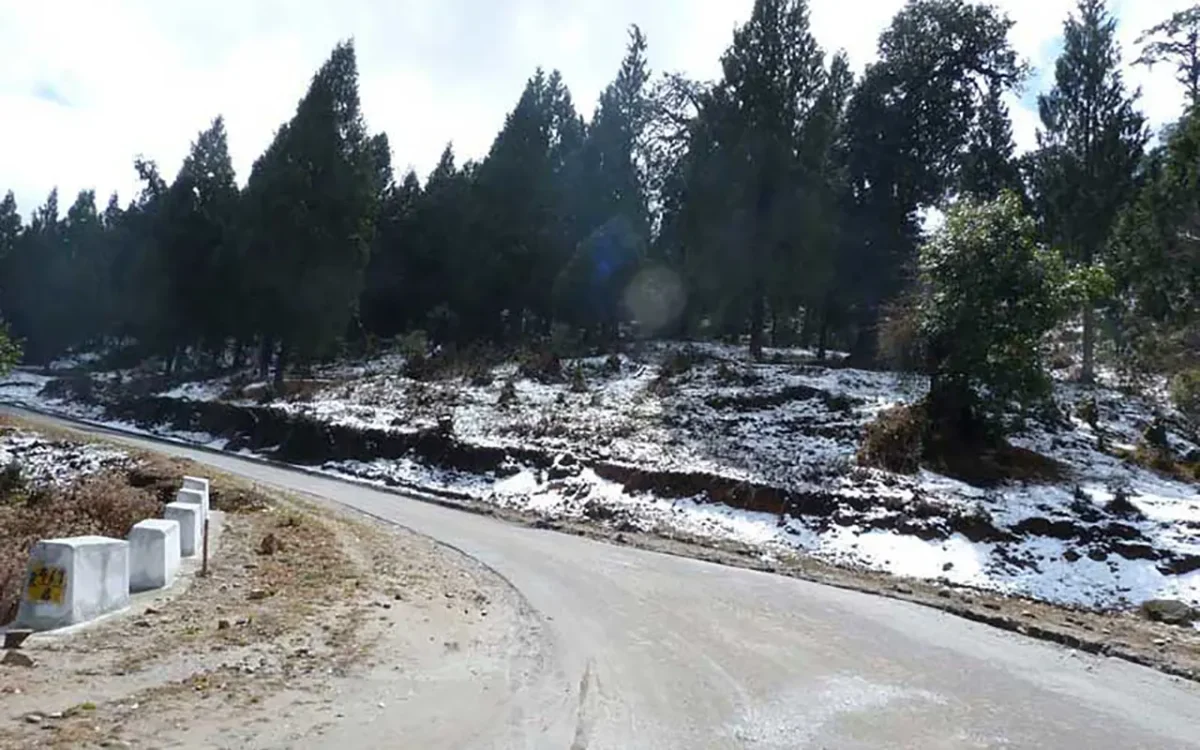
The temperatures listed are expected highs and lows for the valleys of Paro and Thimphu and should not be interpreted as forecasts for the mountain camps. At the upper camps, the conditions can be much colder, even with nights below freezing.
| Month | Typical valley temperatures (day/night) | Weather and trail conditions | Trekking suitability |
| January | 9–14°C / −6–0°C | Cold, mostly dry weather; snow or ice may affect high trails and passes. | Generally unsuitable for the standard high-altitude itinerary. |
| February | 13–15°C / 0–2°C | Gradually warmer, but upper trails may remain snowy or icy. | Not a preferred month. |
| March | 14–17°C / 1–4°C | Spring begins; nights remain cold, with possible snow at higher elevations. | Possible early-season option, subject to conditions. |
| April | 18–20°C / 5–7°C | Mild days, spring flowers and generally improving trail conditions. | Good, with checks for lingering snow. |
| May | 21–23°C / 10–13°C | Warmer weather, greener landscapes and possible pre-monsoon showers. | Good, with rain protection. |
| June | 24–25°C / 14–15°C | Increasing humidity and rainfall; trails may become wet. | Less reliable as the monsoon approaches. |
| July | 25–27°C / 15–16°C | Heavy monsoon rainfall can bring slippery paths, poor visibility and difficult crossings. | Generally not recommended. |
| August | 25°C / 15–16°C | Wet conditions often continue, with cloud cover and muddy trails. | Generally not recommended. |
| September | 21–23°C / 12–15°C | Early September may remain wet; later weeks often become drier. | Better in late September if conditions allow. |
| October | 19–22°C / 6–10°C | Usually drier, with clearer skies and firmer trails. | One of the preferred months. |
| November | 14–18°C / 0–5°C | Cooler nights and increasing frost risk at higher camps. | Possible early in the month, subject to conditions. |
| December | 11–15°C / −2–0°C | Cold, dry valley weather; high trails may be affected by snow and ice. | Generally unsuitable for the standard itinerary. |
Climatic references to temperature ranges are approximate for western Bhutan’s valleys. They are not averages taken monthly for the trekking route.
For most travelers, April and May offer spring vegetation, while late September and October generally provide drier walking conditions. Be sure to consult the most current forecast and trail conditions before the trip, regardless of the month.
Trek Difficulty, Daily Walking Hours and Fitness Requirements
Generally, the Dagala Thousand Lakes Trek is of moderate difficulty, but you’ll be in high passes and steep climbs and hiking for several days. Walking for several hours with a daypack and traversing uneven terrain should be comfortable.
| Trek section | Approximate walking time | Main physical demand | Preparation needed |
| Genekha to Gur | 4–5 hours | Initial descent followed by a sustained climb. | Build stamina through regular hill walking. |
| Gur to Labatama | 5–6 hours | Long ascent and a mountain pass. | Practise uphill walking and controlled pacing. |
| Labatama lake exploration | Variable | Walking at high altitude, sometimes over rocky ground. | Keep the pace relaxed and follow your guide’s advice. |
| Labatama to Panka | 4–6 hours | Crossing a high saddle followed by descent. | Prepare for changing terrain and colder conditions. |
| Panka to Chamgang via Talakha | 6–8 hours or longer | A long final day with passes and extended descent. | Build endurance for full-day hikes. |
Times are planning estimates and can vary with the precise route, weather, rest breaks and group fitness.
Prepare with regular walking, stair climbing and hill hikes before arrival. Having strong legs and practicing with the shoes and backpack you will use for your hike can also help. No experience climbing is required, but general fitness is required and it is a cold environment in which to go camping.
Altitude Profile and Acclimatization on the Dagala Trek
One of the key elements of this trip is altitude. The trail leads from forest to alpine meadows and high passes, where the lower air density makes even simple walking a little more challenging. An acclimatization day is included in the program at Labatama to give participants time to rest and explore lakes at an appropriate rate.
| Location or route section | Approximate elevation | What to expect |
| Paro | (2,233 m / 7,326 ft) | Arrival, sightseeing and initial adjustment to Bhutan’s altitude. |
| Tiger’s Nest Monastery | (3,120 m / 10,236 ft) | A sustained uphill hike before the main trek. |
| Gur campsite | (3,290–3,350 m / 10,794–10,991 ft) | First trekking camp in mountain terrain. |
| Mountain pass between Gur and Labatama | (4,240 m / 13,911 ft) | A significant climb with thinner air. |
| Labatama campsite | (4,300 m / 14,108 ft) | High camp and acclimatization day. |
| High saddle on the way to Panka | (4,520 m / 14,829 ft) | The highest point of the standard route described here. |
| Panka campsite | (4,000 m / 13,123 ft) | Overnight camp after descending from the saddle. |
| Tale La | (4,180 m / 13,714 ft) | High pass on the final trekking section. |
Elevation information is approximate and may differ among published hiking itineraries and the actual camp locations.
Take it easy, keep drinking fluids and don’t overexert. Symptoms of altitude sickness include headache, nausea, dizziness and unusual fatigue. Let your guide know immediately if symptoms occur. An acclimatization day is no guarantee of safety for severe or worsening symptoms which can be dealt with immediately by descending.
Bhutan Visa, Trekking Permits and Entry Requirements
Normally, all foreigners require some form of entry visa to enter Bhutan. Requirements vary from country to country, with nationality, passport type and current immigration laws. Glory Adventure organizes these visas and trekking permits together with this package and travelers can get information about the documents they need prior to starting their trip.
| Requirement | What travelers need to know | Arrangement for this package |
| Passport | Check validity requirements and ensure your passport details are correct. Bhutan’s immigration guidance generally requires at least six months’ validity beyond the intended departure date. | Provide a clear copy and confirm validity before booking travel. |
| Tourist visa or applicable entry authorization | Requirements vary by nationality. Some travelers follow a permit or separate entry process rather than the standard tourist visa route. | Glory Adventure coordinates the appropriate application process. |
| Trekking permits | Trekking arrangements and route documentation must meet the applicable Bhutanese rules. | Glory Adventure arranges the required trekking permits for the planned itinerary. |
| Passport photograph and supporting documents | Additional documents may be requested during the application process. | Submit the requested documents promptly. |
| Flight and arrival details | Confirmed travel details help coordinate entry arrangements and airport transfers. | Share the flight itinerary and any changes with the agency. |
Entry requirements may be subject to change and final documents will vary depending on nationalities and existing rules. Official guidance is available from Bhutan Travel’s visa information and the Department of Immigration.
Be clear about the facts and allow time for processing before leaving. Bring your passport and valid travel papers with you on the trip and obey your guide at checkpoints and religious sites.
Bhutan Sustainable Development Fee (SDF) and Other Travel Costs
Bhutan’s Sustainable Development Fee (SDF) supports public services, environmental protection and sustainable tourism. This fee is in addition to the normal accommodation, food and travel expenses and the applicable arrangements will depend on the country of origin and the prevailing government regulations.
| Cost or requirement | What it covers | What to confirm |
| Sustainable Development Fee | Government fee associated with eligible visitors’ stays in Bhutan. | Confirm that the package explicitly covers the applicable SDF for your travel dates. |
| Visa or entry authorization | Official permission to enter Bhutan, subject to nationality-specific requirements. | Visa and entry arrangements are handled by Glory Adventure as stated in this package. |
| Trekking permits | Required documentation for the planned trekking route. | Confirm the permits covered by the package. |
| International flights | Flights to and from Bhutan. | Check whether your international air tickets are included or booked separately. |
| Personal expenses | Snacks, laundry, souvenirs and other personal purchases. | Review the package’s inclusions and exclusions. |
| Tips and optional services | Gratuities and activities outside the agreed itinerary. | Ask the agency which items are optional and which services are included. |
The SDF is a governmental charge and should be evident in the booking documents. Do not presume that just because a travel expense is included in visa and permit arrangements, that it is covered. Ask for written confirmation of all inclusions before paying or finalizing your trip.
Camping Conditions and Accommodation During the Trek
The trekking part is night stays in the tents, not in hotels. The camps are established in sites like Gur, Labatama and Panka, where the facilities are less complex compared to Paro, Thimphu and Punakha.
Typically, the camping staff will take care of tent setup and cooking duties based on the services that have been arranged. Check if sleeping mats, sleeping bags, pillows and dining tents are available with each operator, as this can vary. Basic toilets and washing areas are found at campsites; in remote areas, hot shower facilities may not be available.
Bring warm sleeping clothes, a headlamp, personal hygiene items, towels and limited amounts of tissues. Use waterproof bags for valuables and leave sleeping clothes in a dry bag and in waterproof bags. Even in the recommended trekking seasons, in higher camps, night temperatures may drop below freezing and proper sleeping gear is required.
The trek is followed by and/or preceded by hotel accommodation, as per the trek plan. The hotel class, room types and camping gear you’ll be provided with as part of your purchase can be confirmed by Glory Adventure.
Meals, Drinking Water and Food During the Trek
The trekking days’ meals are usually planned by the trekking group and the hotel and local restaurants serve meals on the cultural sightseeing days. The exact menu is dependent on the operator, supplies and dietary needs agreed upon before leaving.
Breakfast can be porridge, bread, eggs and simple drinks such as tea. Rice, vegetables, lentils, noodles, soup and local dishes are all options for lunch and dinner. The Bhutanese cuisine sometimes includes chillies, so let your guide know if you prefer not to eat them. In advance, inform Glory Adventure of dietary requirements, particularly if the supplies need to be taken to far-away camps, including vegetarian requests.
During the journey, there are some special requirements for drinking water. Discuss with the team the source of their water, how it is treated and apply the recommended water purification process if necessary. Always have a reusable water bottle or water system on hand and sip often throughout the day. Do not drink water from any stream or lake without treatment. Bring some old favorite snacks if they have an energy food preference.
Trekking Packing List and Equipment Requirements
Packing for the Dagala Thousand Lakes Trek involves preparation for warm walking, cold nights, rain and exposed mountain passes. Choose clothing that can be layered, so you can adjust to changing temperatures without carrying unnecessary weight.
Your main bag should be appropriate for packing your luggage, as confirmed by the operator. Keep daily essentials in a smaller daypack, including water, snacks, waterproof clothing and personal medication.
Recommended packing list:
- Moisture-wicking underwear, warm fleece or insulated mid-layer, waterproof jacket and trousers, warm hat, spare socks and gloves
- Good, broken-in trekking boots with good traction and comfortable camp shoes
- A suitable cold-weather sleeping bag and sleeping mat, unless these are supplied
- Water bottle, snacks, headlamp, sunglasses, sunscreen, lip balm and a waterproof bag
- Toiletries, quick-dry towel, basic first-aid supplies and any prescribed medication
- Passport, travel documents, phone, power bank and power bank cables
Before departure, ask Glory Adventure which equipment is included and whether your luggage will be carried by support staff or pack animals. This helps you avoid packing unnecessary items and prepares for the actual arrangements.
Health, Safety and Emergency Evacuation at High Altitude
The success of this hike is dependent on preparation, steady pace and communication regarding the onset of problems. The trail involves some remote camps and high passes which may mean limited access to medical facilities and may require some time for evacuation. Do as your guide says and don’t go any further uphill if you don’t feel well.
If you have a medical concern or are not sure if you should walk at altitude, consult with a healthcare provider before travel. Be sure to have routine vaccinations and personal medications up to date.
Important safety practices:
- Report headache, nausea, dizziness, unusual tiredness or difficulty sleeping if symptoms are concerning or worsening
- Do not walk ahead alone or separate from the group without informing the guide
- Carry water and snacks and take breaks when needed
- Wear suitable footwear and carry layers for cold, wind and rain
- Ask who to contact, how evacuation would be arranged and what communication equipment is available
Severe symptoms, including confusion, difficulty walking straight or breathlessness at rest, require urgent medical attention and descent when medically appropriate. Do not wait for insurance and rescue services to take action.
Transportation, Road Travel and Flight Arrangements
This tour includes a few days of walking, road trips, cultural sightseeing and airport transfers. Road times are subject to traffic, weather, stops, road conditions and these times are only planning estimates and not guaranteed.
| Journey | Approximate distance or duration | Travel notes |
| Paro International Airport to Paro hotel | Short local transfer; depends on hotel location. | Arrival transfer is arranged according to flight details. |
| Paro to Tiger’s Nest trailhead | Local drive before the hike. | The vehicle waits or collects travelers according to the agreed arrangements. |
| Paro to Genekha trailhead | Allow time for a road transfer before trekking. | Confirm the exact starting point and departure time with the guide. |
| Chamgang to Thimphu | Road transfer after the final trekking day. | Timing depends on the trail exit point and road conditions. |
| Thimphu to Punakha via Dochula Pass | Approximately 70–75 km; around 3 hours driving before sightseeing. | Stops at the pass, Chimi Lhakhang and Punakha Dzong add time. |
| Punakha to Thimphu and Paro | Approximately 120 km overall, depending on the route and stops. | Allow additional time for sightseeing and road conditions. |
| Paro hotel to airport | Short local transfer; depends on hotel location. | Departure time is coordinated with your confirmed flight. |
The trekking sections are finished on foot and the road transport is done on a completely separate basis. Domestic road trips in Bhutan may take longer than the road length due to mountain roads.
Please maintain your flight information with Glory Adventure and allow enough time to check in at the airport. If you have to change your international flight plans, notify the agency as early as possible to allow transfers and sightseeing as well.
Mobile Network, Internet and Charging Facilities
Mobile connectivity and access to the internet are not available throughout Bhutan. Wi-Fi is available in hotels in Paro, Thimphu and Punakha, but speeds and reliability may vary. Please note that coverage may be weak or unavailable in remote valleys and at high camps during this course, so please do not rely on a continuous connection.
If your phone is compatible with roaming, make sure to inquire with your mobile carrier about roaming options in Bhutan or obtain a local SIM or eSIM card. Ensure compatibility and activation before arrival. Have maps, important paperwork and emergency contact numbers that do not require internet to be accessed.
Charging opportunities are limited while camping. Pack a power bank, headlamps with extra batteries and charging cables. Electronics should be kept away from moisture and kept cool; batteries may not work as well in cold temperatures. Save energy during the day if you use your phone to take pictures or to navigate.
Tell family or friends that you may be unreachable during the trek. Discuss a reasonable check-in schedule before entering zones of good communication and inquire with the guide about the emergency communication system that is available to the group.
Travel Insurance and Medical Coverage
Travel insurance is an important part of preparing for a high-altitude trekking holiday. Specifically, your policy must address trekking at the altitude you intend to trek at, as well as possible emergency medical treatment and/or evacuation, should it be necessary. Make sure that standard travel insurance doesn’t neglect certain trekking activities or have height restrictions; as this may be the case, read the terms before going.
Before travelling, check the following:
- Ensure your policy includes the highest point on the trek
- Determine if it is available to evacuate by helicopter and/or ground evacuation and transport to a suitable medical facility, subject to policy terms and local availability
- Review coverage for consultations, treatment, hospitalization and prescribed medication
- Determine if illness, flight disruption or other events covered in the policy would be considered to be a trip interruption
- Check exclusions and insurer’s medical statements
- Store your insurance company’s emergency address and policy information offline
While Glory Adventure can outline the program and planned trekking itineraries, travelers should ensure that they have adequate insurance coverage for the trip unless a specific note is included in the booking documents that they do not require insurance. Confirm the boundaries of the policy before leaving.
Responsible Trekking Practices and Cultural Etiquette
The Dagala Thousand Lakes Trek traverses alpine meadows, grazing pastures, forests and culturally significant areas. Responsible travel can help safeguard these places and it can be respectful towards the communities that make up the places you visit.
Obey the guide’s recommendations for local customs, camp conduct and access limitations. In monasteries and dzongs, wear modest clothing and when asked, take off shoes; ask permission before taking photographs. There are religious places where even outside the premises, photography is not allowed.
Tips and tricks for a sustainable trip:
- Take waste back to disposal sites; do not leave food waste at campsites
- Do not put soap, detergent and waste into lakes and streams
- Avoid feeding animals, disturbing nesting or grazing spots
- Ensure you ask permission before taking their picture, entering their homes or entering their property
- Listen to your guide’s advice about footwear, clothing and behavior at sacred sites
- Responsible purchasing of handicrafts, following arrangements with guides and support staff
These practices will help keep the route clean and will make the interactions with the local communities more respectful.
Other Treks and Tours in Bhutan
There are a number of other walking routes in Bhutan that travelers can opt to go if they wish to stay longer or try out a different route. These range from short cultural walks to very demanding hikes in remote mountain areas. The decision will depend on the amount of time and fitness, desired surroundings and experience with high-altitude trekking.
| Trek or tour | Typical duration | Approximate highest elevation | Difficulty and main features |
| Druk Path Trek | 5 days | (4,200 m / 13,780 ft) | Moderate; mountain lakes and a route connecting Paro and Thimphu. |
| Bumthang Owl Trek | 3 days | (4,000 m / 13,123 ft) | Short trek through forests, villages and cultural sites. |
| Gangtey Trek | Around 3–4 days | (3,120 m / 10,236 ft) | Gentler walking through the Phobjikha Valley and surrounding countryside. |
| Jomolhari Trek | Around 7–10 days | (5,000 m / 16,404 ft) | Challenging mountain scenery, remote camps and high passes. |
| Snowman Trek | Around 20–28 days | (5,320 m / 17,454 ft) | Very demanding expedition through isolated Himalayan terrain. |
| Cultural sightseeing tour | Flexible | Depends on the itinerary | Visit monasteries, dzongs, traditional villages and Bhutanese valleys without a multi-day camping trek. |
Times, elevation and categorization of roads are subject to the itinerary and operator. Always discuss the route and the conditions before booking.
Fewer steps might be more appropriate for those who want to see the culture of the destination country, but don’t want to walk too much. Longer trips involve more preparation and time. Glory Adventure can assist tourists in seeing the available itineraries and finding one that matches the schedule and experience of the tourist.
Frequently Asked Question (FAQ’s)
The duration of the trek is 10 days which includes cultural sightseeing activities in Paro, Thimphu and Punakha.
Yes, for fit beginners with normal hiking preparation, but for high-altitude trekking, steep climbs and consecutive days of hiking, good fitness is required.
No. The name comes from the numerous alpine lakes in the area and the number of lakes visited varies depending on the route, weather and time.
A special acclimatization day at Labatama is included to help acclimatize to altitude before heading through the higher mountain sections.
The path will lead up to the high saddle, depending on the exact track, between Labatama and Panka (4,520 m /14,829 ft).
Campsites are very basic at remote sites. Hot showers are not available in general and toilets will be arranged as provided by the camping facilities offered by the operator.
Special diets, including vegetarian options, can be made available, subject to advance request. Please notify Glory Adventure beforehand to allow provisions to be planned.
No, visibility will rely on the cloud cover, local weather and weather during the night, so the distant peaks of the Himalayas could not always be seen.
Yes. The walking plans and recommendations for descent may be changed by the guide as the conditions, health or safety dictate.
Extensions may be available depending on available time, permits, fitness and logistics. Talk to Glory Adventure about other options before booking your trip.
Trip Reviews on Dagala Thousand Lakes Trek in Bhutan

Need Help?
Managing Director
Saroj (+977-9806627713)
Saroj Sunar
Travel Consultant
Looking for a Private Trip?
Say Hello to Your Travel Consultant
Planning your next getaway? Our travel specialists are ready to design a fully customized package tailored to your interests. If you need help or have any questions, feel free to connect with us—we’re here to guide you from start to finish.
✖
Free Trip Planner
Talk to
Mr. Saroj Sunar