
 Talk to Mr. Saroj
 Plan Your Trip
Best Time to Take the Nepal Bhutan Tour: Season by Season Breakdown
First questions people ask when planning a combined Nepal and Bhutan tour is when to go. Both countries have distinct seasons, and choosing the right time makes a real difference to what you see, how comfortable the journey is, and how much you pay. The good news is that Nepal and Bhutan share broadly similar climate patterns, which makes it easier to plan a trip that works well in both places at once.
This guide breaks down each season honestly so you can decide for yourself when the best time for a Nepal Bhutan tour lines up with your schedule, your interests, and your budget.
Autumn: October and November
Autumn is widely considered the best time for a Nepal Bhutan tour and for good reason. The monsoon ends in late September, leaving the air clean and the skies clear. Mountain views in Nepal are at their finest during these two months. In Bhutan, the landscapes are green and fresh after the rains, and the light is excellent for photography.

October in particular offers very reliable weather in both countries. Temperatures are comfortable at lower altitudes and cool but manageable at higher points on the route. In Bhutan, the Black Necked Crane Festival takes place in November in the Phobjikha Valley, which is one of the most memorable cultural events in the country. If your dates allow, timing the Bhutan portion of your trip around this festival adds a genuinely special dimension to the journey.
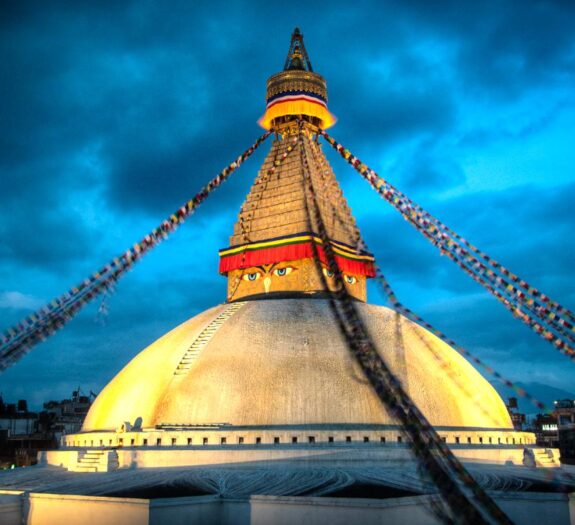
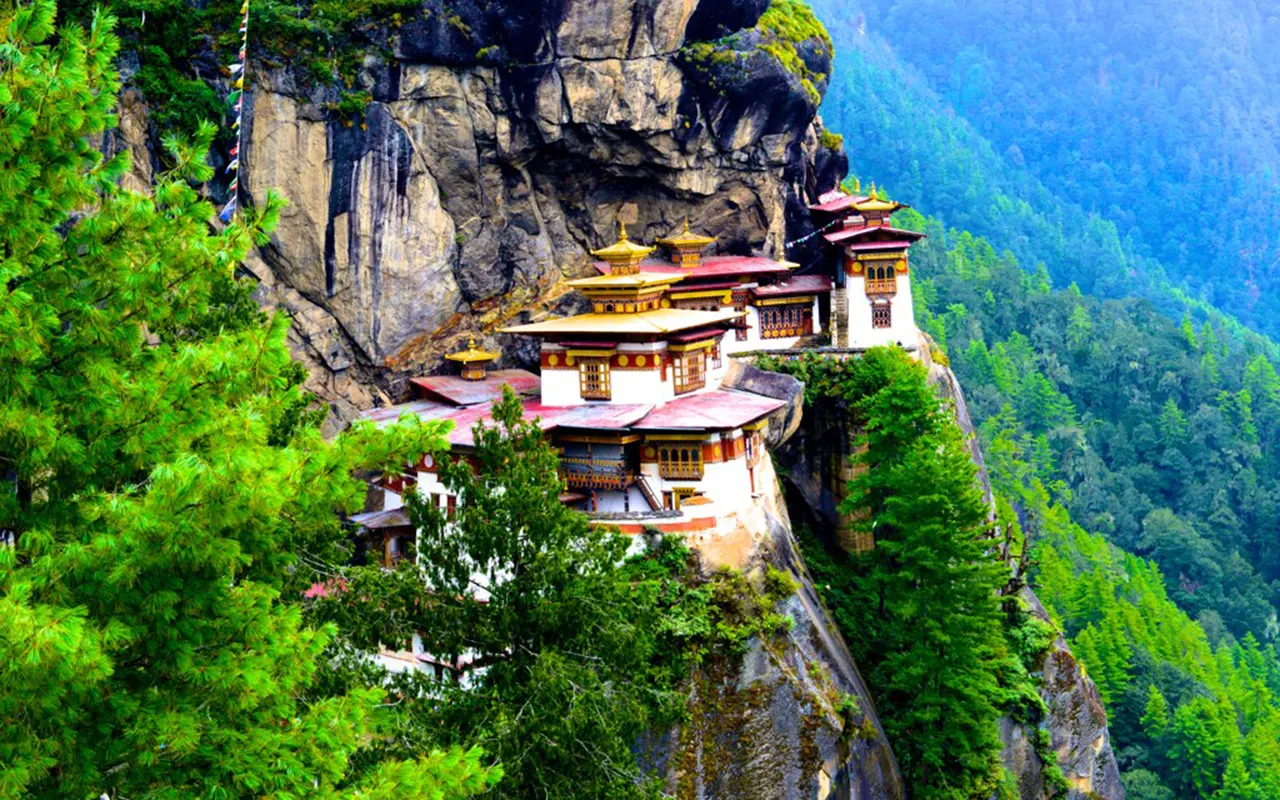
The trade-off in autumn is that this is peak season. Hotels book up fast, particularly in Kathmandu and Paro. Prices are at their highest and popular sites like Boudhanath in Nepal and the Tiger’s Nest trail in Bhutan will be busier than at other times of year. Booking several months in advance is essential if you are planning an autumn Nepal Bhutan tour.
Spring: March, April, and May
Spring is the second most popular time for a Nepal Bhutan tour and offers its own set of advantages. In Nepal, the rhododendron forests along the trekking routes and hillsides burst into color from March onward, with deep reds, pinks, and whites covering the middle hills. The views are generally clear in March and April before the pre-monsoon haze builds in May.
In Bhutan, spring is one of the most visually beautiful times to visit. The jacaranda trees around Punakha Dzong bloom purple in late March and April, creating one of the most photographed scenes in the country. The Paro Tshechu festival falls in spring, usually in March or April, and it is one of the largest and most celebrated festivals in Bhutan. Seeing the thangka unveiling and the masked dances during this festival is an experience that stays with travelers for a long time.
Spring weather is generally good but slightly less reliable than autumn. Some days bring cloud and mist, particularly in Nepal in May. Temperatures are warming up from the cold of winter and the overall feel of the trip is lively and colorful. Spring is also a popular season, so advance booking is important, though it is slightly less pressured than October and November.
Winter: December, January, and February
Winter is an underrated time for a Nepal Bhutan tour, particularly for travelers who prefer quieter sites and are comfortable with cold temperatures. December and January bring cold nights and mornings in both countries, but the days are often clear and sunny with excellent mountain visibility in Nepal.
In Kathmandu, winter temperatures are mild during the day and drop to around 2 to 5 degrees Celsius at night. The city is considerably quieter than in peak season, which means shorter queues at major temples and a more relaxed pace of visiting. Hotel rates are lower and availability is much better.
In Bhutan, winter is cold, particularly in the Punakha and Paro valleys at night, but the weather is stable and the skies are often very clear. The Phobjikha Valley, where the Black Necked Cranes spend the winter months from November through February, is at its best during this period. Watching hundreds of these rare birds in the valley floor on a clear winter morning is a quiet but memorable experience.
The main limitation of winter travel is that higher altitude trekking in Nepal becomes more demanding and some high mountain passes may be closed by snow. For a cultural tour of Kathmandu and the valley, this is not an issue. But if you plan to include any trekking in the hills around Nagarkot or Dhulikhel, you will want to pack accordingly.
February brings the Punakha Drubchen and Punakha Tshechu festivals in Bhutan, which are held on the grounds of the Punakha Dzong. These are among the most important religious festivals in the country and draw large local crowds. If you want to see Bhutanese festival culture with fewer international tourists around, late February is a genuinely good option.
Monsoon: June, July, August, and September
The monsoon season runs from June through September in both Nepal and Bhutan. This is the least popular time for international tourism in the region, and with good reason. Rainfall is heavy and frequent, mountain views are mostly hidden by cloud, trekking trails can be muddy and difficult, and leeches are common on jungle and forest paths in Nepal.
That said, monsoon travel is not impossible, and some travelers actively choose this time for specific reasons. The landscapes in both countries are intensely green during the monsoon. Waterfalls that are dry or small in other seasons run full and powerful. Rice paddies across the valleys of both countries are lush and active, and the agricultural rhythm of life is very visible. If you are interested in landscape photography with a different mood and quality of light, the monsoon offers that.
Bhutan actually handles the monsoon somewhat better than Nepal because much of the tourism infrastructure is indoors or on paved paths. Cultural visits to dzongs, monasteries, and museums continue normally regardless of rain. If your Nepal Bhutan tour is primarily cultural rather than outdoor-focused, the monsoon is less of an obstacle than people expect.
Hotel rates during the monsoon are at their lowest of the year and availability is very good. If budget is a primary concern and you are flexible about what you will see, the monsoon can make a Nepal Bhutan tour considerably more affordable.
Festival Timing: A Factor Worth Planning Around
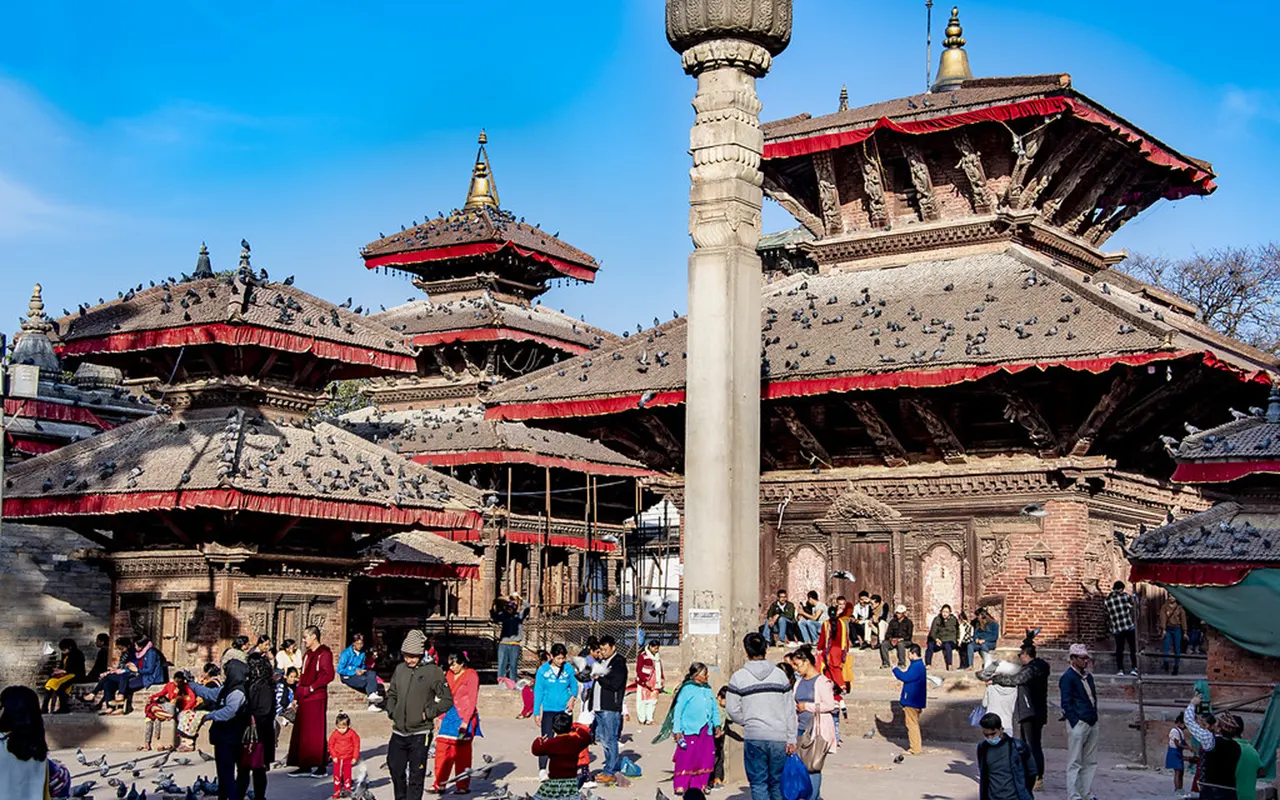
Both Nepal and Bhutan have rich festival calendars, and timing your trip around a major festival can be one of the most rewarding decisions you make. In Nepal, Dashain in October and Tihar in November are the two largest Hindu festivals of the year. The city is decorated, families gather, and the cultural energy is at a high point.
In Bhutan, the Tshechu festivals held in each district throughout the year are the most important cultural events for visitors to witness. The Paro Tshechu in spring and the Thimphu Tshechu in autumn are the two largest and most accessible for international travelers. The masked dances performed by monks during these festivals are deeply rooted in Bhutanese Buddhist tradition and are unlike anything you will see elsewhere.
If you have a specific festival in mind, plan your dates around it first and then build the rest of the itinerary from there. Festival dates follow the Bhutanese lunar calendar and shift slightly each year, so checking the confirmed dates for your travel year is important when booking.
Quick Season Summary
October and November offer the clearest skies, best mountain views, and most reliable weather. They are the most popular months and require the most advance planning. March and April are excellent for flowers, festivals, and a lively atmosphere with slightly lower crowds than autumn. December through February are cold but quiet, affordable, and good for cultural visits and winter wildlife in Bhutan. June through September bring heavy rain but lower costs and vivid green landscapes.
Final Thoughts on the Best Time for a Nepal Bhutan Tour
The best time for a Nepal Bhutan tour depends on what you want most from the trip. If mountain views and outdoor experiences are your priority, go in autumn or early spring. If festivals and cultural depth matter most, plan around a specific Tshechu in Bhutan or a major festival in Nepal. If budget is the main concern and you are happy with a more atmospheric, rain-affected journey, the monsoon can work well.
There is genuinely no bad time to visit either of these countries. Each season offers something real and worthwhile. The most important thing is to go with clear expectations for what the weather will be like and what you will be able to do when you get there. That clarity will make your Nepal Bhutan tour a satisfying experience regardless of when you travel.

