
 Talk to Mr. Saroj
 Plan Your Trip
Annapurna Base Camp and Mardi Himal Trek: Can You Combine Them?
The Annapurna Base Camp and Mardi Himal Trek is gaining popularity among trekkers who wish to explore more of the Annapurna region in one trip. Rather than making the decision between the two popular paths, most travelers are now combining the two into a single itinerary to experience various landscapes, perspectives, and local villages without heading back to Pokhara between treks.
At Glory Adventure, many of our guests ask whether this combination is practical. The answer is yes, as long as you have time and are fairly fit. The trails connect naturally and with proper planning, the trek offers an enjoyable trekking experience with the silence of the ridge trails, traditional villages and the trek to the Annapurna Base Camp.
Daily plans may also be influenced by weather, trail conditions and accommodation facilities, particularly during the peak seasons in the trekking industry. Knowing the connection between the routes will enable you to make your decision on whether this combined trek is the right option to take during your holiday.
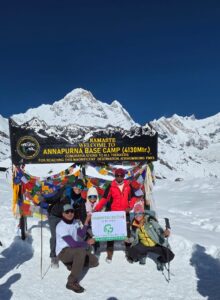
What is the Difference between the Annapurna Base Camp and Mardi Himal Trek?
These two treks are in the same area of the Annapurna Conservation Area, but they are different.
The Annapurna Base Camp Trek traverses river valleys, forests and mountain villages to get to the Annapurna Base Camp which is 4,130 metres. It is characterized by its shifting landscapes and near sight of Annapurna I, Machhapuchhre, Hiunchuli and various other surrounding mountains.
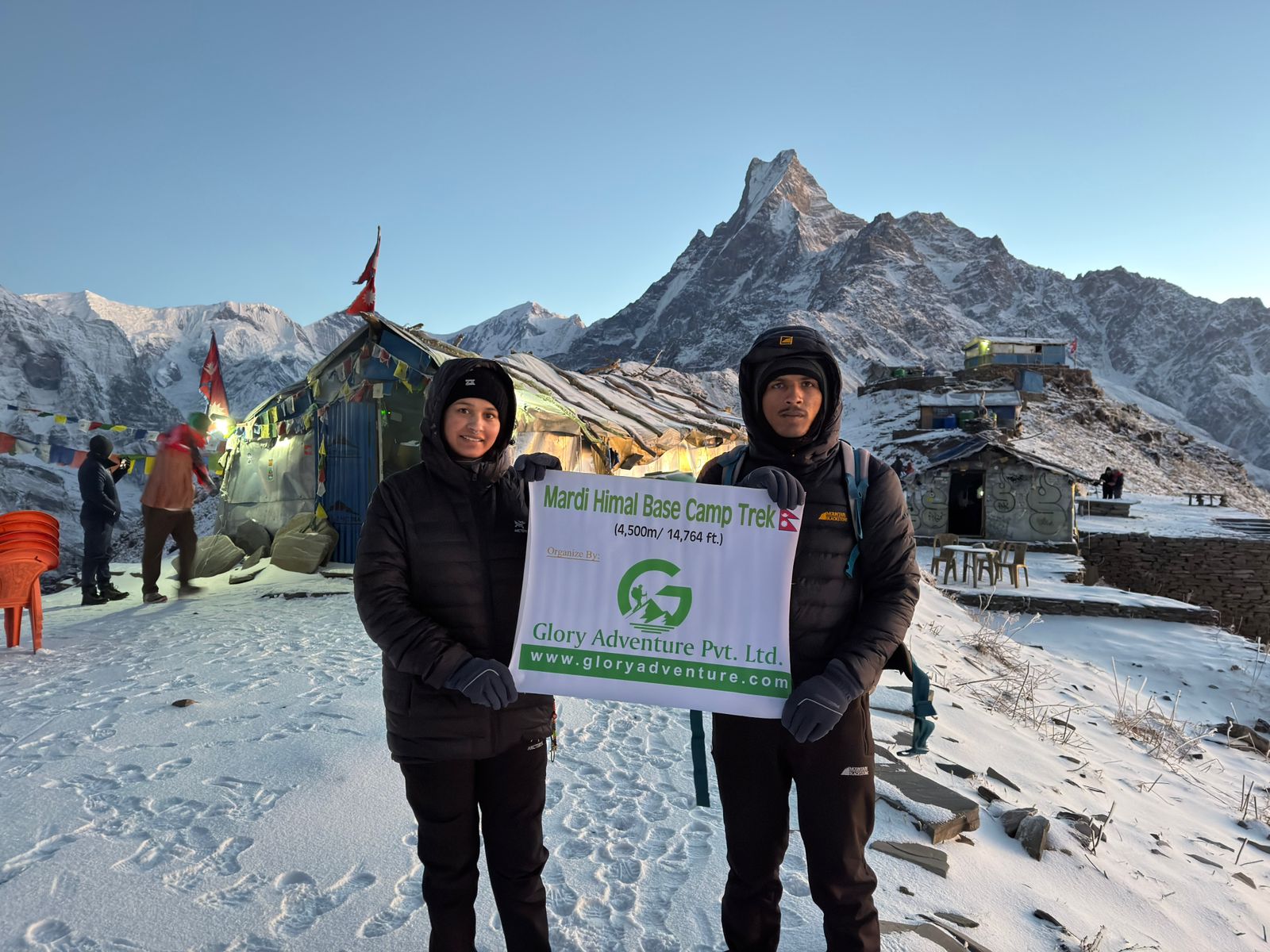
The Mardi Himal Trek is a smaller route with fewer trekkers. The trail passes through the rhododendron forests and the High Camp and Mardi Himal Viewpoint, which is at around 4,500 metres. The walk includes a lot of mountain scenery.
In our experience, a combination of these trails provides trekkers with a more diverse experience compared to going along either of the routes.
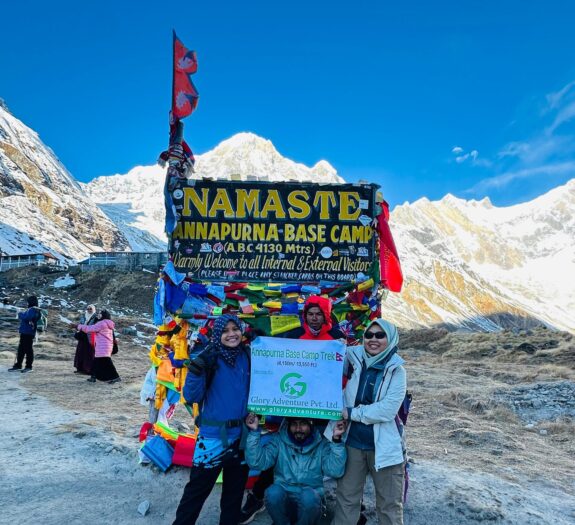

Annapurna Base Camp Trek vs Mardi Himal Trek
| Feature | Annapurna Base Camp Trek | Mardi Himal Trek |
| Typical Duration | 7 to 11 days | 5 to 7 days |
| Highest Altitude | 4,130 m | 4,500 m (Viewpoint) |
| Difficulty | Moderate | Moderate |
| Accommodation | Tea houses throughout the route | Tea houses with fewer choices near High Camp |
| Trail Type | Forests, villages, river valleys, glacier basin | Forest ridges and alpine trails |
| Crowd Level | Moderate to busy | Generally quieter |
| Best Season | March to May, September to November | March to May, September to November |
Can You Combine the Annapurna Base Camp and Mardi Himal Trek?
Yes. Mardi Himal Trek and the Annapurna base camp might be put in one itinerary but this is an option that many trekkers are choosing. The trails are linked by villages like Landruk and Chhomrong and can be used to proceed to the next trail, without coming back to Pokhara.
Most of our teams suggest the Mardi Himal part to begin with and then proceed to the Annapurna Base Camp. This allows the trekkers to become accustomed to the walking routine, before they reach higher altitudes. This route though can also be in the reverse order depending on your time of traveling and the accommodation facilities.
A flexible itinerary is always convenient. The weather changes rapidly in the mountains and tea houses might be crowded in spring and autumn. An extra day in your Nepal travel plan will provide you with a bit of freedom in case the situation changes.
Why Many Trekkers Choose This Combination
This is a common path amongst most trekkers because they consider it highly diversified within a single holiday.
- Visit Mardi Himal Viewpoint and Annapurna base camp.
- Go on quiet ridge trails and classic mountain villages.
- Explore different sceneries without going through the same route.
- Spend your time in the Annapurna region more wisely.
- Experience longer trekking time without switching the trekking locations.
This combination is appropriate to those people who have approximately 2 weeks in Nepal and would like to have a balanced trek in the Annapurna circuit with Tilicho lake. Proper planning makes it a pleasant combination of mountain scenery, the local culture and satisfying walking days without any backtracking.
Is This Trek Right for You?
The Annapurna Base Camp and Mardi Himal Trek can be done by trekkers seeking to explore more of the Annapurna area without having to take the same route. By combining these trails, you will be in a position to enjoy different sceneries, landscapes and even local villages within one vacation.
In our experience, this is the trek that is best suited to individuals who can walk five to seven hours/day. Previous experience in trekking is not a prerequisite but an added advantage as long as you will prepare by taking a walk or performing some mild form of physical activity before the trek.
This is a trail that is mostly used by individual travelers, couples and those with prior experience in hiking and have about 2 weeks to have a trek in Nepal. Families with older children who like hiking can also complete it with a carefully planned itinerary.
If you have limited time or prefer shorter trekking days, completing either the Annapurna Base Camp Trek or the Mardi Himal Trek separately may be a better option. The other recommendation we give to your client is to come an extra day in your traveling plan because the weather and transport can be unpredictable regarding the schedule.
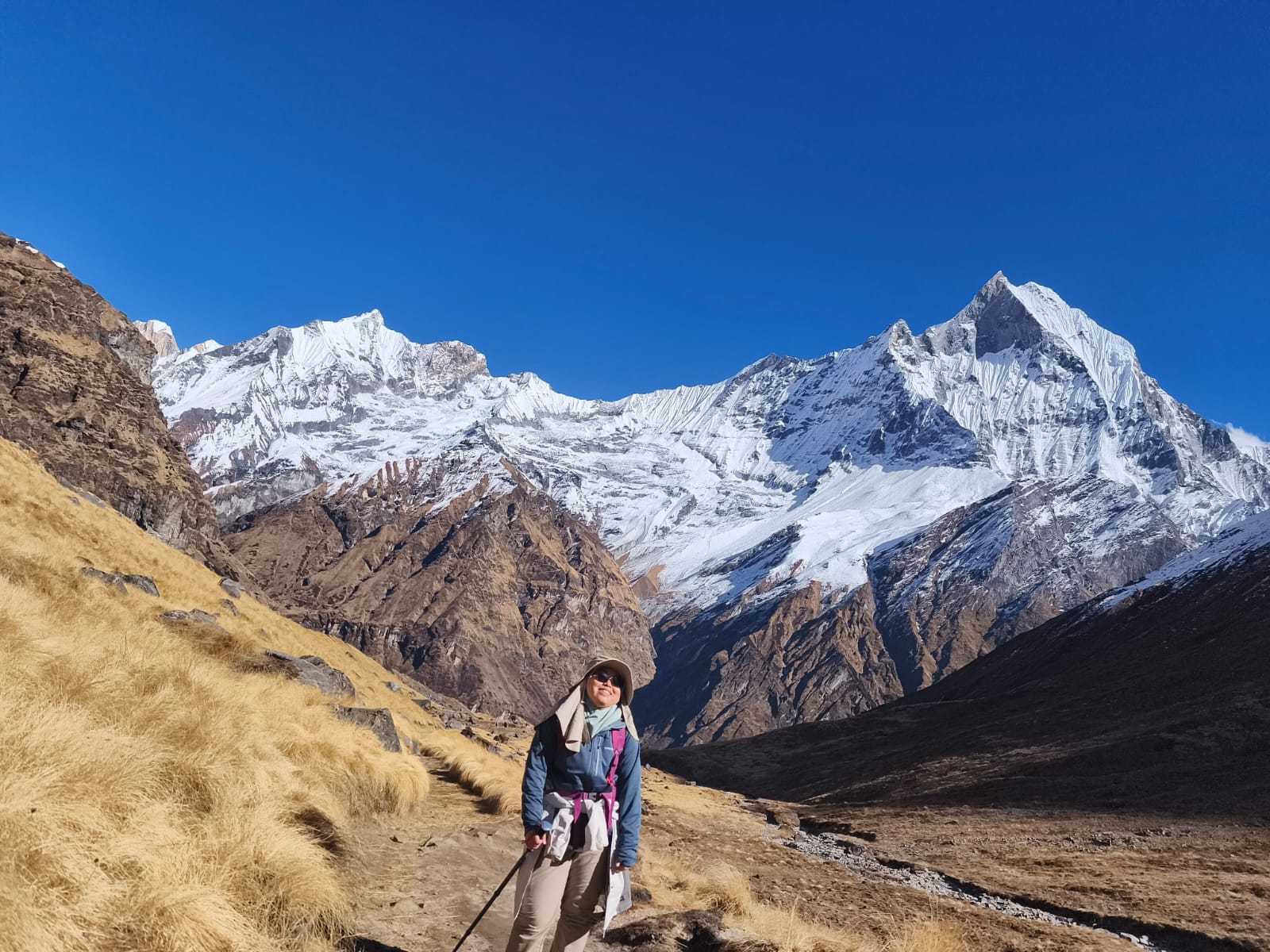
Suggested Combined Itinerary
There is more than one way to combine these two routes. The exact schedule will depend on the date of your arrival, fitness level, and time available. We would recommend our group to begin with Mardi Himal Trek and then continue to Annapurna Base Camp Trek. It allows your body to adjust gradually to the increasing elevation while enjoying quieter trails during the first half of the trek.
| Day | Route | Overnight Stop |
| 1 | Drive from Pokhara to Kande, trek to Forest Camp | Forest Camp |
| 2 | Trek to High Camp | High Camp |
| 3 | Hike to Mardi Himal Viewpoint, descend to Low Camp | Low Camp |
| 4 | Trek to Landruk | Landruk |
| 5 | Trek to Chhomrong | Chhomrong |
| 6 | Trek to Dovan | Dovan |
| 7 | Trek to Deurali | Deurali |
| 8 | Trek to Annapurna Base Camp | Annapurna Base Camp |
| 9 | Trek to Bamboo | Bamboo |
| 10 | Trek to Jhinu Danda | Jhinu Danda |
| 11 | Trek to Siwai and drive to Pokhara | Pokhara |
The itinerary of the ABC and Mardi Himal given here can easily be scaled down or extended to suit your time of traveling. Some other people also include an over night in Machhapuchhre Base Camp by other trekkers, or an extra acclimatization day by those who have a slower pace.
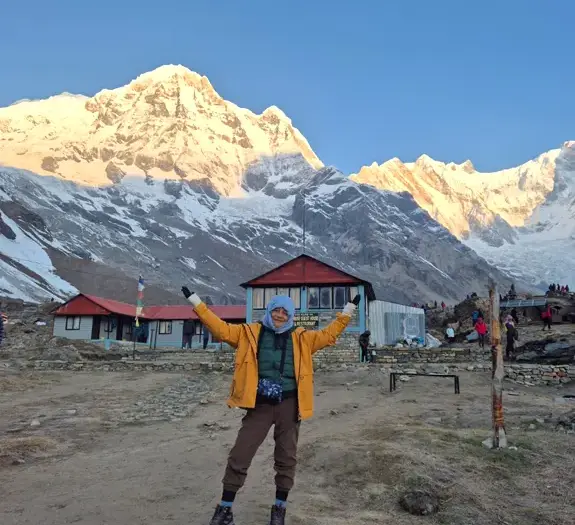
The best time to do this Trek
Spring and autumn remain the most reliable seasons for completing the Combined Annapurna Base Camp Trek and Mardi Himal Trek. Trails are often dry in these months and the weather is pleasant to walk around and mountain views are normally clear.
The period of spring, March to May, is particularly popular, since the woods of the lower hills are covered with rhododendron. Autumn is the usual weather in the season of late in the month of September till November and this is the reason it is a favorite season among the trekkers.
Winter is still possible, but there might be lower temperatures and a lot of snow near Mardi Himal View point and Annapurna Base Camp Trek , which can affect the day-to-day plans. Usually it is monsoon weather and that translates to rain, muddy tracks and poor visibility yet some seasoned trekkers will continue to visit during the monsoon weather to have trails of their own.
| Season | Weather | Trail Condition | Visibility | Recommendation |
| Spring (March to May) | Mild and generally stable | Good | Very good on clear days | Highly recommended |
| Summer/Monsoon (June to August) | Warm with frequent rain | Wet and slippery | Often limited | Suitable only with preparation |
| Autumn (September to November) | Cool and stable | Excellent | Usually clear | Highly recommended |
| Winter (December to February) | Cold with possible snow | Snow at higher elevations | Good on clear days | Suitable for experienced trekkers |
In our experience, accommodation is booked early in the busier weeks of spring and autumn. We usually suggest that you should book early in your Annapurna trekking package, particularly when you are intending to visit during the months of October or April when both routes gets more visitors.
Difficulty Level
The Mardi Himal Trek and Annapurna Base Camp Trek is regarded as moderately challenging. The majority of the trekking days are between 5 and 7 hours of walking with some extended days based on the itinerary. The trail is full of stone steps, forest trails, and slow ascents to greater heights.
With adequate preparation, trekkers who are reasonably fit can finish this route. You can get used to walking regularly a few weeks prior to your trip, and it will make the trek more comfortable. Our guides always encourage a steady pace, regular breaks, and plenty of water throughout the journey.
Altitude and Acclimatization
The trek also does not involve high altitudes, but several days of being at elevations above 3,000 metres should be properly acclimatized. Mardi Himal Viewpoint is approximately 4500 metres in elevation and Annapurna Base Camp is approximately 4130 metres.
Most trekkers adjust well by following a gradual itinerary. We often advise our team not to rush unnecessarily and to watch any symptoms of altitude sickness. In case, when a person is not well, our guides will make decisions concerning additional rest or plan change.
Permits Required
Two permits are required for this trek.
| Permit | Required | Approximate Cost | Where to Obtain |
| Annapurna Conservation Area Permit (ACAP) | Yes | NPR 3,000 | Kathmandu or Pokhara |
| TIMS Card | Depends on current regulations | Check latest rules | Trekking agency |
Permit requirements, including the TIMS Card, may change. Our team will confirm the latest regulations before your trek.
Accommodation and Meals
The road is well furnished with tea houses along the way. The rooms are typically basic with twin beds and communal bathrooms. The trekking seasons are usually busy and hence it is advisable to make advance reservations.
Included in the meals are dal bhat, noodles, fried rice, soups, pasta, potatoes, eggs and seasonal vegetables. Hot beverages are sold in nearly all the stops, but the cost steadily rises with higher altitudes.
Transportation Options
Most Annapurna trekking itineraries begin with a drive from Pokhara to Kande or another nearby trailhead. Once the hike is finished the tourists tend to get back to Pokhara by the means of local jeep or personal vehicle at Jhinu danda.
The conditions of the road may change all through the year, especially during the monsoon season. In our case, giving yourself some additional time in your travelling schedule is beneficial, in case of delays due to weather or road conditions.
What to Pack
Light weight packing with carrying the necessities will make your trip more comfortable. Weather in the Annapurna region can change quickly, so it is important to prepare for both warm days and cold mornings.
Bring the following items:
- Comfortable trekking boots
- Daytime lightweight walking clothes.
- Warm jacket and fleece layer.
- Waterproof jacket and rain cover.
- Glove, warm hat, and sun hat.
- Sunglasses and sunscreen
- Reusable water bottles or hydration bladder
- Personal medicines if any.
- Trekking poles
- Headlamp with additional batteries.
- Power bank and charging cable
- Toiletries and fast drying towel.
- Snacks for long trekking days
We also recommend packing a few extra socks and keeping important items in a waterproof bag during the trek.
Common Challenges
Similar to any other trek in the Annapurna region, this combined route comes with a few challenges that are worth preparing for. There are also longer trekking days than others, and the path is also full of stone steps especially in the area of Chhomrong and this may be quite tiring on both the way up and down. Higher altitudes have fast changing weather and therefore clear mornings are likely to become cloudy or rainy afternoons.
In remote villages, accommodation and facilities are more basic, and tea houses may be crowded during the busy spring and autumn seasons. Although the trek is lower than some high altitude routes in Nepal, trekkers can still experience symptoms of altitude sickness above 3,000 metres. Walking at a steady pace and following a carefully selected itinerary help reduce the risk. Weather can also influence road conditions and schedules of transportation. It is possible to overcome these difficulties by preparing well, walking slowly, and keeping a flexible schedule.
Tips From Our Team
As we have experienced at Glory Adventure, the slightest planning can make a huge difference in this adventure.
- Spend at least one night in Pokhara before starting the trek.
- Walk slowly, rather than fast.
- Drink plenty of water throughout the day.
- Make a booking in advance in spring and fall.
- Bring enough cash as there are no ATM’s on the trail.
- Follow instructions of your guide in case of changes in weather or trail conditions.
- Plan one extra day in your traveling schedule in Nepal in case of transport delay.
Final Thoughts
The Annapurna Base Camp and Mardi Himal Trek is a good option when the trekkers like to explore two of the most popular trails in the Annapurna region in a single holiday. It combines peaceful ridge trails, traditional mountain villages, and the rewarding journey to Annapurna Base Camp without repeating the same route every day.
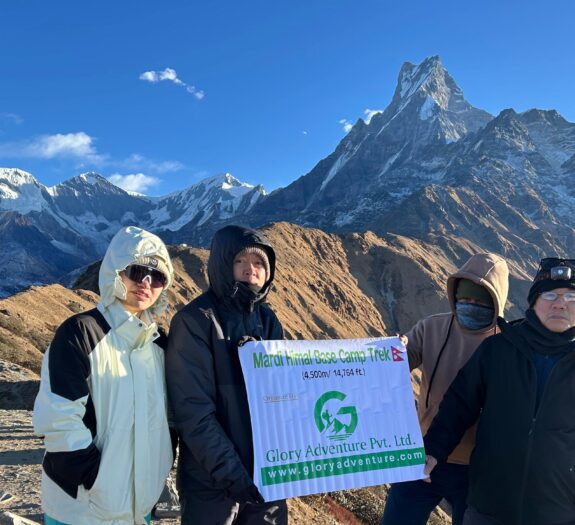
This trek is most appropriate to those travelers who spend approximately two weeks in Nepal, moderate in physical activity, and desire a diverse trekking experience. People who have less time or want to do shorter days of trekking might consider doing either the Annapurna Base Camp Trek or the Mardi Himal Trek privately.
All trekking seasons are somewhat different and weather, trail conditions and accommodation availability may affect your plans. An adaptable schedule and adequate planning will enable you to have a safe and comfortable journey.
If you’re thinking about combining these two routes, Glory Adventure is happy to help you choose an itinerary that matches your time, fitness level, and travel plans.

