
 Talk to Mr. Saroj
 Plan Your Trip
Budhi Gandaki River Flood Risk and Safety Tips for Trekkers and Local Travelers
The Budhi Gandaki River flood risk in Nepal’s Gorkha district has raised safety concerns for trekkers, residents and travelers visiting the Manaslu region. On 11 October 2026, the flood affected infrastructure and travel in some areas of the Budhi Gandaki Valley.
Initial reports show a landslide temporarily blocked the river before a sudden surge of water came down the river. Rescue work and damage assessment are continuing. Please consult official announcements before entering the affected area, as conditions on trails, bridges and roads could change.
If travelers must change their plans, this report outlines the current danger, safety and other trekking alternatives.

What Happened Along the Budhi Gandaki River?
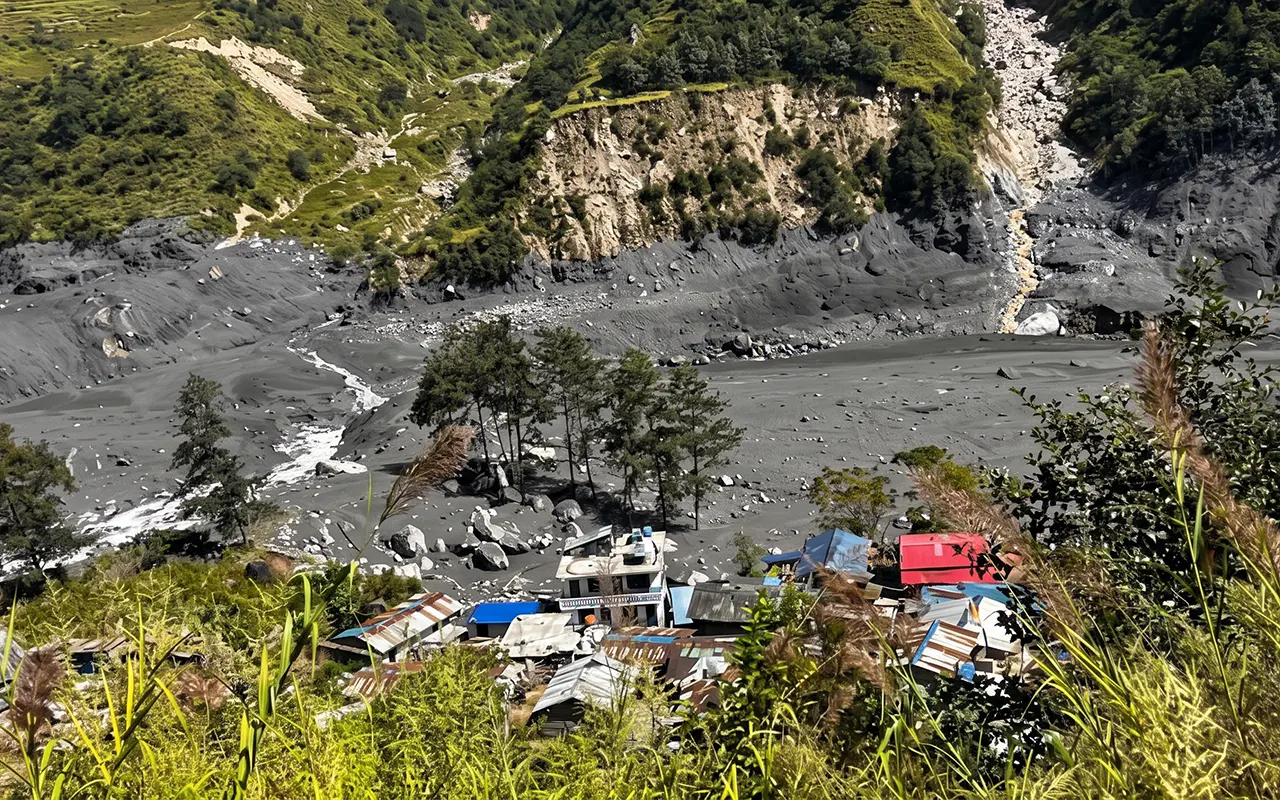
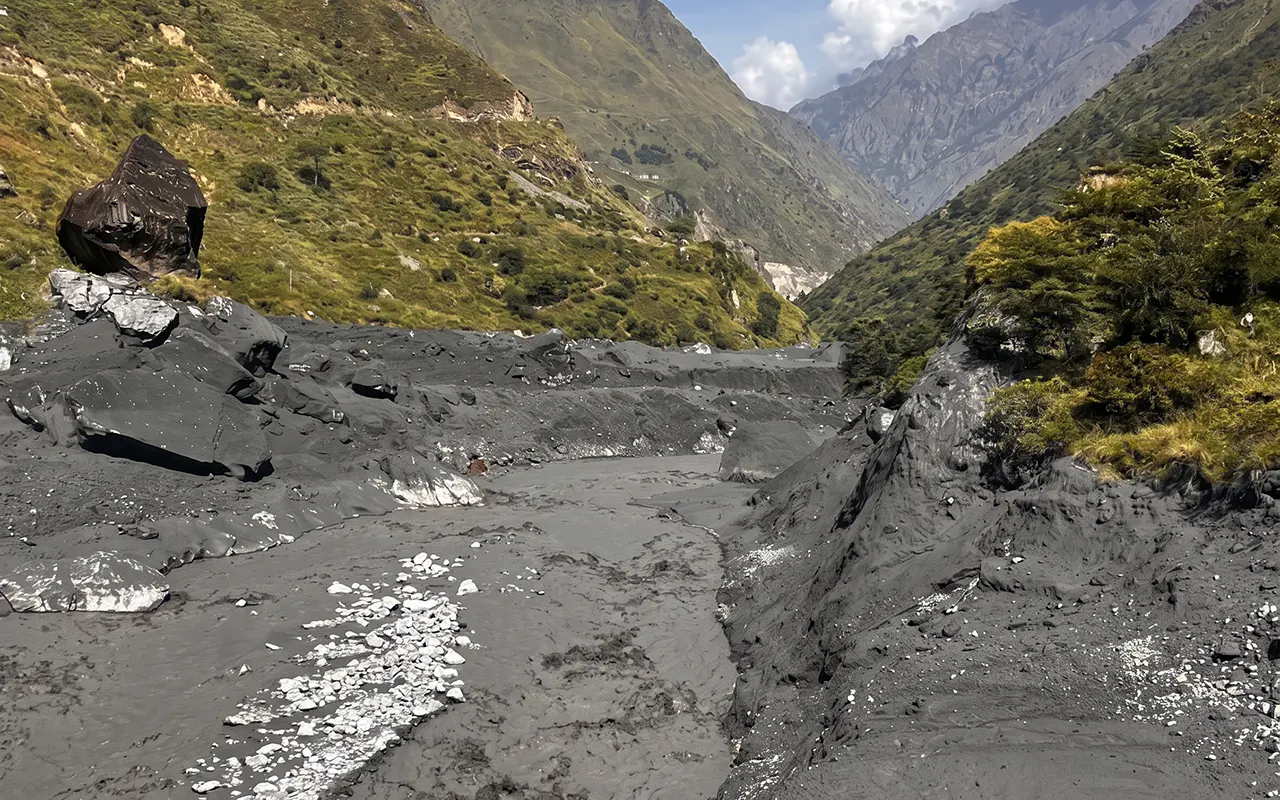
A sudden flood occurred in the Budhi Gandaki valley of northern Gorkha on 11 October. Initial reports suggested the accident was caused by a landslide that temporarily clogged the river. Upon release of the blockage, water surged downstream, causing damage to settlements and infrastructure.
Multiple homes and bridges were damaged. Other infrastructure supporting hydropower development and services was also impacted. Teams have been mobilizing to reach exposed communities and help people stuck in vehicles.
Five people were reported as missing and dozens rescued in reports issued on 12 October. Over 100 foreign trekkers were reported stuck in the broader impacted area. The numbers are subject to change as authorities validate information and rescue efforts continue.
Do not take word from unverified social media reports; rather, follow the Government’s verified announcement.
Which Parts of the Manaslu Trekking Route Are at Risk?
The Manaslu Circuit passes through the Budhi Gandaki valley, passing through villages before heading towards higher settlements in the Himalayas. Very narrow trails, suspension bridges and riverside paths are essential for trekkers to travel from village to village.
The following areas are of special interest:
- Trails, bridges and access routes may have been destroyed, or access routes may have been obstructed, near Jagat and nearby settlements
- Careful checks are necessary in Machha Khola and lower valley sections, as river crossings are vital to the route
- Roads in Soti Khola and in the surrounding area might be damaged, with landslides or transportation disruptions
- Upper sections of trekking routes may also be inaccessible if lower routes or bridges are compromised
Local verification of individual sections’ condition is required. If a trail seems to be unaltered, the foundations of a bridge might be compromised, or the land around a bridge might be unstable.
But the further away a trail is from the immediate flooded areas does not make it automatically safe, as is the case with the higher Manaslu trail. It may still be traversed by trekkers through less damaged sections.
Budhi Gandaki River Flood Risk and Safety Tips for Trekkers
The safest approach is to avoid the affected trekking corridor until authorities and reliable local operators confirm that the route is safe.
- Please refer to official travel and trail advice before travelling
- Check with trekking companies and lodging for up-to-date information
- Avoid crossing flooded rivers or damaged bridges
- Avoid being near river banks if advised to do so by local authorities
- Be alert for landslides, falling rocks and unstable slopes
- Steer clear of shortcuts in forests, streams, or on steep inclines
- Bring drinking water, food, warm clothes and a first aid kit
- Have a cellphone and a power bank
- Let a trusted person know where you are going and what time you’ll be back
- Listen to evacuation instructions and rescue instructions from local authorities or rescue teams
If you are on a trek in the affected area, please do not proceed just by following the trek. Stay in a safe area, as designated and directed by local trained personnel.
Avoid considering helicopter evacuation as a definite rescue option, as weather, visibility and operational priorities may cause a delay for rescue flights.
Safety Advice for Local Residents and Road Travelers
The danger of flooding is not limited to trekking trails. Residents in the vicinity of the Budhi Gandaki River and travellers on nearby roads should remain alert and rescue and assessment operations should be continued.
- Take evacuation notices and evacuate to safe areas when advised
- Keep out of areas of rivers and broken structures
- Avoid entering buildings with potentially weak foundations
- Check the road before embarking on a trip
- Avoid driving through flood water or on washed-out roads
- Have necessary medications, drinking water and emergency supplies on hand
- Save phone batteries when power or cell phone reception is lost
- Let family know your location and travel itinerary
- Do not make any unnecessary travel through affected settlements
- Obey police, local officials and rescue organizations
Floodwater may contain debris and cause damage to structures below the surface. The danger may not be over until the main surge has subsided.
Alternative Treks to Consider Instead of Manaslu
For the travellers who are yet to book their trips, you may want to explore other trekking areas since the Manaslu Circuit is yet to be confirmed. Other routes also need to be current on weather and route conditions before departing, however.
| Alternative trek | Typical duration | Highest point | Best suited for |
| Langtang Valley Trek | 7 to 10 days | Kyanjin Ri, approximately 4,773 m (15,659 ft) | Mountain views, village visits and Tamang culture |
| Annapurna Base Camp Trek | 7 to 12 days | 4,130 m (13,550 ft) | Mountain scenery and a high altitude teahouse trek |
| Mardi Himal Trek | 5 to 7 days | Mardi Himal Base Camp area, approximately 4,500 m (14,764 ft) | Shorter trekking holidays and close mountain views |
| Ghorepani Poon Hill Trek | 4 to 6 days | Poon Hill, approximately 3,210 m (10,531 ft) | Short walks, village stays and sunrise views |
| Everest Base Camp Trek | 12 to 14 days | Kala Patthar, approximately 5,545 m (18,192 ft) | Longer high-altitude trekking and views of Everest |
These durations are approximate and may be subject to change depending on the trip, acclimatization and transport options.
- For those wishing to experience a trek along the Himalayan Valley, Langtang Valley is definitely worth considering
- Annapurna Base Camp is suitable for those who can complete the long trek up to the mountains
- Mardi Himal may work for travelers with a shorter holiday
- Ghorepani Poon Hill is a reasonable choice for those who would prefer a shorter hike with a lower summit elevation
- It takes time, preparation and attention to altitude to reach Everest Base Camp
These areas lie outside of the affected route of Manaslu but are not necessarily safe from weather hazards. Check road access, rooms available and current trail conditions before booking.
What Should Trekkers With Existing Bookings Do?
If you have already booked the Manaslu Circuit tour package with any trekking company, please get in touch with your travel company before you go to the Manaslu Circuit trailhead.
- Inquire if the proposed route is accessible now
- Inspect bridges and trails along rivers
- Inspect whether there is running accommodation and transport service
- Ask for printed information about any changes in the plan
- Check the waiting times, cancellation and refund parameters
- Do not go to villages just to check the damage
Persons who have already booked accommodation with travel agencies should contact the company in order to discuss postponing or a possible change in the route. Make sure to verify any extra fees and other adjustments before accepting the alteration.
Trekking companies must maintain communication with their parties and resume passage only when they have received good news about conditions in unsafe areas.
How Long Could Trekking Disruptions Last?
The reopening date of the affected Manaslu trail cannot be provided yet, as it is premature. Repairs may be needed for damaged bridges, paths and transport links. In addition, unstable slopes need to be evaluated and it needs to be determined if critical services are available.
The river Budhi Gandaki has more than just water-level risk as a flood victim. Even after the initial flood, damaged infrastructure, unstable ground and additional landslides can impact travel.
- Please read the latest official announcements before travelling
- Check trail conditions again just before heading out on the trail
- Steer clear of out-of-date travel reports or snapshots
- Don’t wait for the weather to clear up; take local advice
- If access is not guaranteed to be safe, make other plans accordingly
This Manaslu Circuit Trek update may be updated once rescue teams and authorities have finished their inspections. In the event that travelers make non-refundable arrangements before they are given reliable information, it is advisable for the travelers to be flexible.
Final Advice for Travelers
Due to disruption of travel in the Budhi Gandaki valley, a concern has been raised for the local community and trekkers of Gorkha due to the October 2026 flood. The need for rescue operations and damage assessments is a key priority.
Do not enter affected areas until local government says it is safe to do so. If interested in going further on the holiday, other treks are available in Nepal, as long as the destination is accessible and the trail conditions are safe.
The number one goal is to save lives. Follow official instructions, never take unnecessary risks to complete a trekking itinerary and avoid damaged bridges and trails.
Conclusion
The Budhi Gandaki River flood reminds us that the trekking situation in Nepal can rapidly deteriorate in the landslip and heavy rainfall season. In the impacted areas of Gorkha, the safety of trekkers, locals and other travellers must remain the top priority while rescue and damage assessment activities are ongoing.
If you are making your trip to the Manaslu Circuit Trek, ensure that trails, bridges, roads and accommodation are in a satisfactory condition. For those who have made a booking, please call the trekking agency to discuss postponing or alternative arrangements. Those who want to extend their holiday in Nepal may want to look for other trekking options, but they should be sure to check the current weather conditions and travel advisories before making their decision.
Even as the river level recedes the flood risk in the Budhi Gandaki may not be over and could be an issue if infrastructure has been damaged or the slope is still unstable. In the current situation, taking official advice and being flexible with travelling arrangements can help to minimise any unnecessary risk.

