
 Talk to Mr. Saroj
 English
 Malay
Malay Dutch
Dutch Japanese
 Hindi
Hindi Italian
 Spanish
 French
 German
 Chinese
 Korean
 Arabic
 Hebrew
 Russian
 Portuguese
 Danish
 Czech
Czech Polish
 Swedish
 Plan Your Trip
What Is the Death Zone of Mount Everest? Here’s What You Should Know
Everest has always been considered the most prestigious mountain to climb in the world. With an altitude of 8,848.86 meters, it’s a test of physical and mental fortitude. It’s the goal of many climbers.
But, at a certain elevation, Everest is more than a technical challenge. It is a place where life and death is ever-present.
This is where the Death Zone of Mount Everest begins.
Well, it’s a dramatic name, but it’s a fitting description for climbing at high altitudes. Beyond this altitude, our bodies simply do not work, regardless of our physical condition. Even walking, thinking or breathing is almost impossible.
This is a fascinating topic because it involves science, risk, and human drama. People wonder why individuals hike and what it feels like to be at such a high level.
In this blog post, we shall find out what the Death Zone is, why it is so severe, the effects of the Death Zone on the human body, how the mountaineers survive in this environment.
What Is the Death Zone?
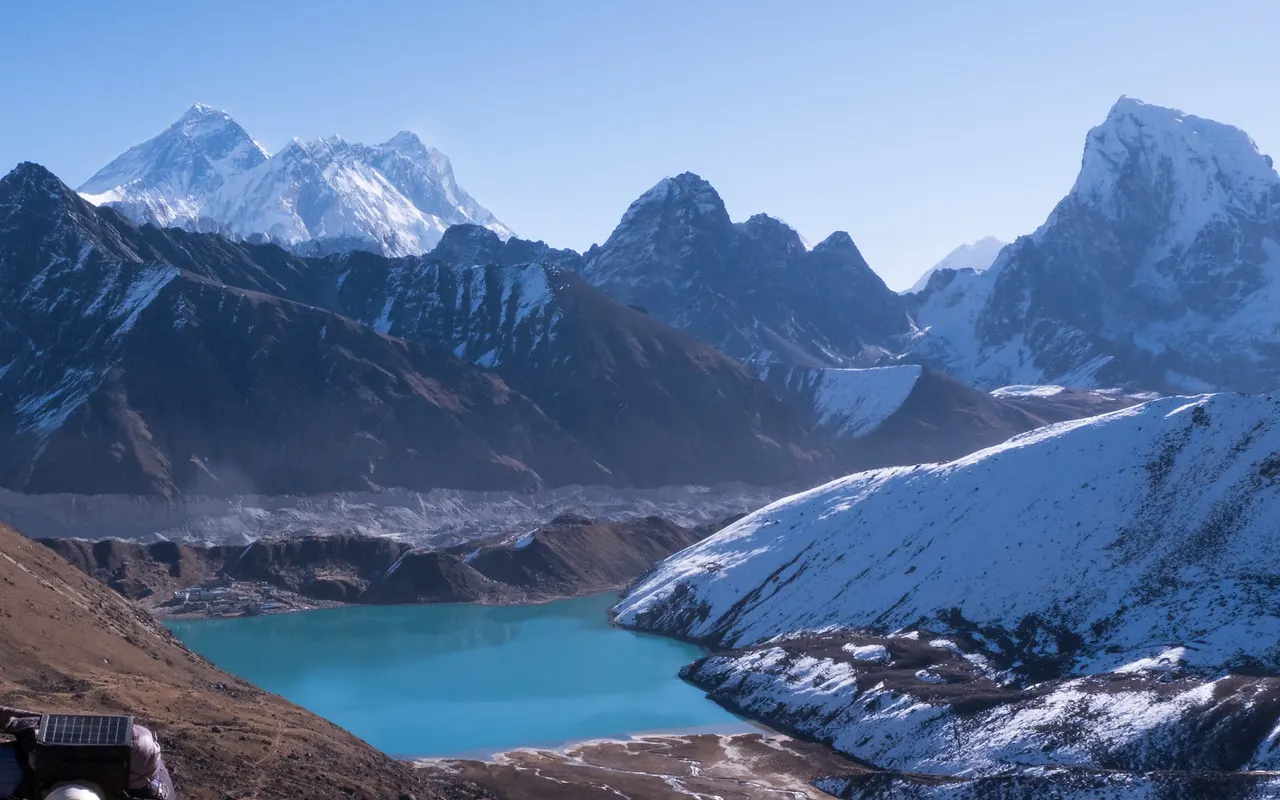
The Death Zone on Mount Everest is defined as being above 8,000 meters (26,247 feet). This is an altitude where the conditions are incredibly harsh and lethal to human beings.
The term was coined by Swiss physician Edouard Wyss Dunant in his study of human responses to high altitudes. He referred to this area as one where “the body suffers”.
On Mount Everest, the Death Zone starts near the South Col, which is the final camp before the summit. Then, climbers have to navigate across steep ridges, precarious slopes and narrow ledges to the summit.
The Death Zone is also considered to be uninhabitable. In the Death Zone, climbers can’t rest and recover like they do in camps below. Even when taking a break, climbers continue to deteriorate.
That’s why climbers spend the minimum amount of time in this region, and carefully schedule their summit climb.
Why Is It Called the Death Zone?
There is a strong reason why this area is known as the Death Zone of Mount Everest.
- The air has only one third of the oxygen content of sea level
- This altitude cannot be wholly compensated for by the human body
- The longer you spend in the zone, the greater the chance of death
At these altitudes, the pressure is low. This means there is significantly less oxygen in each breath, compared to lower altitudes. This makes it difficult for our bodies to work effectively.
Unlike lower elevations where climbers can adapt to the altitude (acclimatise) in the Death Zone, there is no time for this. Rather, it starts to fail.
This is why there is a need to climb fast and avoid lingering in the Death Zone. Even the most experienced climbers are at great risk of spending too long in this zone.
What the Human Body Does in the Death Zone?
The Death Zone of Mount Everest can pose a serious threat to human health.
- Lack of oxygen leads to hypoxia, which worsens decision-making and physical performance.
- Climbers may experience confusion, poor decision making, and hallucinations
- Fall may occur due to impaired coordination and balance.
Even with such an altitude, it is difficult to do simple activities such as clipping into the rope or tightening gear. It can leave climbers feeling weak, lethargic and confused.
Two serious altitude diseases can occur:
HAPE results in fluid accumulating in their lungs, making it difficult and sometimes impossible to breathe.
HACE causes swelling in the brain, which can cause confusion, shakiness and you can lose consciousness.
Furthermore, the body consumes energy rapidly, but isn’t able to replenish it. Hunger goes away, dehydration occurs and muscles weaken.
If exposure continues for too long, vital organs may start to fail. For this reason, the Death Zone is approached with caution.
Dangers of the Death Zone
There are multiple dangers present in the Death Zone of Mount Everest, making it a dangerous place.
- Frostbite can occur in minutes when it is freezing.
- Avalanches and falling ice can occur suddenly without warning
- Weather changes can cause a stranding of climbers.
It is quite chilly, especially at night, or in the early hours. Wind chill makes cold temperatures even more dangerous.
The environment itself is hazardous. They face the challenge of walking along narrow ridges and ascending or descending steep slopes where slips can result in death.
A further problem is crowding. In the climbing season, queues of climbers gather around the summit. This leads to delays and prolongs exposure to the Death Zone.
Rescue operations are extremely limited. Flights can’t operate at this elevation and rescuing a climber is difficult and dangerous.
How Climbers Survive the Death Zone
There is no shortcut to surviving the Death Zone of Mount Everest.
- Oxygen is used to assist in breathing
- Before reaching the summit acclimatization is a factor to be considered.
- Ropes are used to navigate tricky terrain
On the summit push, most climbers carry supplemental oxygen. This helps with the extra oxygen intake and makes climbing easier.
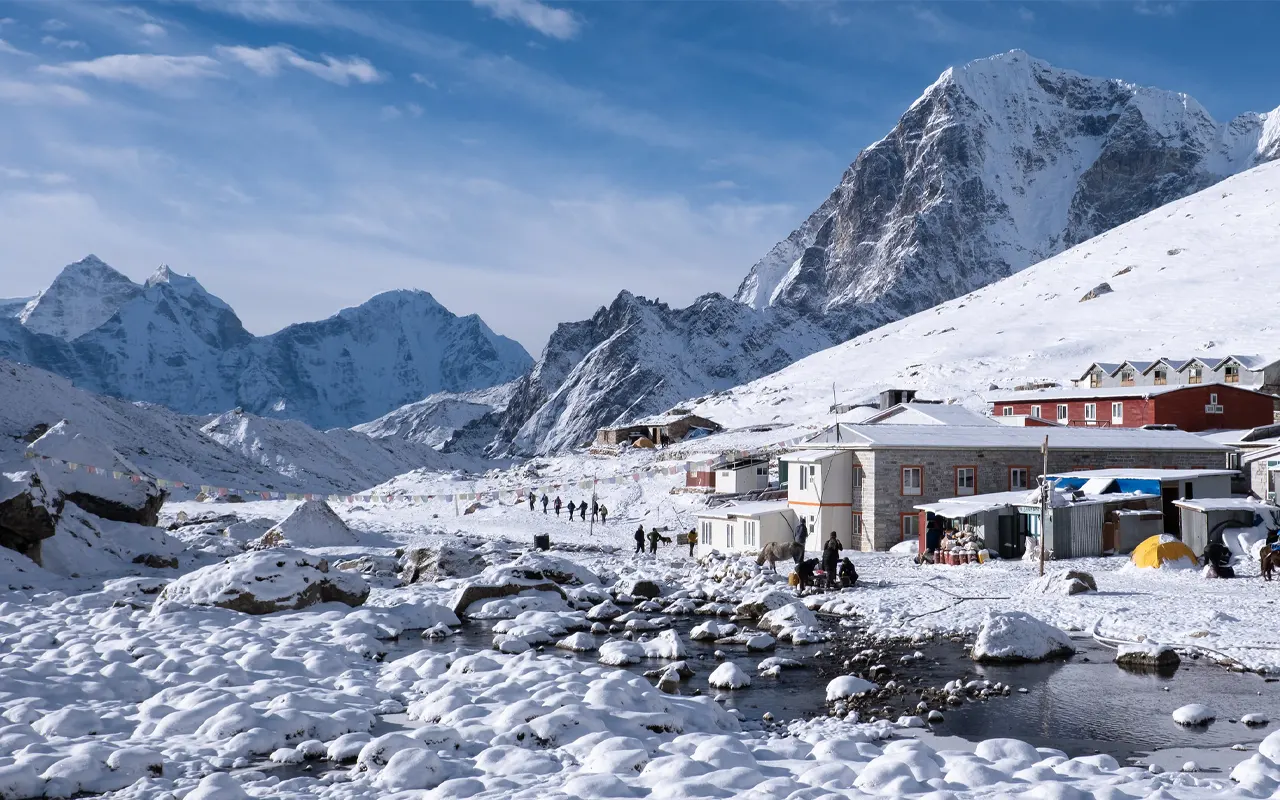
Climbers spend several days or weeks at base camp before reaching the Death Zone. This allows for as much adaption as possible before entering the most perilous part of the climb.
Special gear is also essential. Clothing and equipment includes insulated suits, altitude boots, gloves and oxygen masks to cope with the cold and lack of oxygen.
Time management plays a key role. They need to ascend and descend in a controlled and timed manner. Time spent in the zone can add danger.
How Long Can You Spend in the Death Zone?
Time is one of the most important factors in the Death Zone of Mount Everest.
Many climbers try to spend only 16-20 hours in the Death Zone. This includes time going up to the summit, and coming down again.
Time spent in the Death Zone raises the risk of health complications. You become weaker and your judgement worsens.
Unexpected delays can be dangerous. Weather, equipment problems or crowds at the summit can delay time.
That’s why climbers are taught decision making. Even on the verge of the summit, retreating can be the difference between life and death.
Real Stories from the Death Zone
There are many real stories from the Death Zone of Mt Everest that demonstrate the dangers and strength of climbers.
One of the best known is the 1996 Everest tragedy. In this tragedy, climbers were caught in a blizzard. Many were killed by poor visibility, fatigue and a failure to descend.
There are also stories of survival. There are accounts of climbers returning home after experiencing dire circumstances, showing remarkable determination and ingenuity.
These exploits underline the importance of preparation, teamwork and timing. All of this also reminds us that regardless of technological advances, the mountain never yields.
Why Are Bodies Left in the Death Zone?
The Death Zone of Mount Everest is full of bodies, as it is too risky to retrieve the bodies. It takes several climbers, equipment and good weather to retrieve a body from such a high altitude. But even then, there is a high risk of death for rescuers.
Recovery is also very expensive. In many cases, it is not practical or safe to attempt it.
As a consequence, many bodies are left on the mountain. Some have become landmarks that people identify on their way up.
This is a testament to the harsh environment of the Death Zone and human physiology.
Contemporary Issues and Controversies
Modern problems of the Death Zone of Mount Everest are several.
- Crowding leads to delays and increased risk in summiting
- Guided expeditions enable more people to climb Everest
- Each year sees increasing environmental impact
Long lines of climbers near the summit have become common. This causes delays and longer time spent in the most perilous area.
Everest is more accessible to people, but this has created issues with safety and skills.
There are also environmental concerns. Litter, trash, and pollution are having an impact.
This has prompted calls for improved regulation and climbing ethics.
Can the Death Zone Become Safer in the Future?
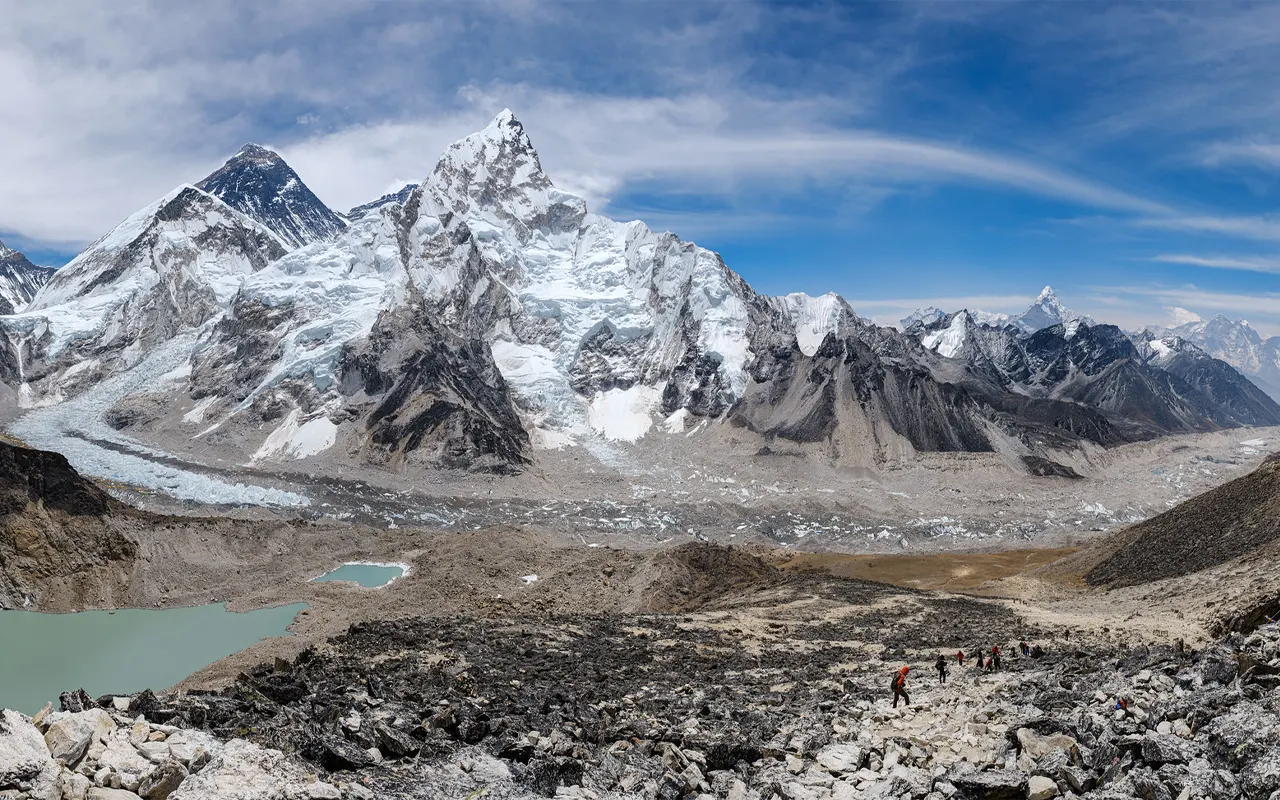
There have been improvements that make the Death Zone of Mount Everest slightly safer, but complete safety is not possible.
- Equipment aids in coping with extreme environments
- Better weather forecasts can be made
- Potential rules may limit the numbers
Today’s equipment, including oxygen equipment and clothing, is safer than it was in the early expeditions.
Better weather forecasts also allow timing of the summit to be better planned.
But the Death Zone will always be dangerous. It’s an environment where the risks are high and humans can’t eliminate them.
Conclusion
The Death Zone of Mount Everest is a harsh place. It begins at an altitude of over 8000 meters where oxygen is not available to support human life.
We looked at what it is, its dangers, the effects on the human body and how climbers cope.
People still want to climb Everest. It is a challenge and an achievement for many.
Ultimately, the Death Zone is a reminder of the relationship between human will and nature. It reminds us that even though we can train and try harder, there are boundaries we cannot overcome.
FAQ Section
What altitude is the Death Zone?
The Death Zone starts at approximately 8,000 meters above sea level. This is where the air is so thin that it is hard for the body to function properly.
Can i survive without oxygen in the Death Zone?
You may, but it is risky. It is only used by experienced climbers because low oxygen level may cause loss of strength and consciousness.
How many people die in the Death Zone?
There have been numerous deaths in the Death Zone and most deaths on Everest are above 8,000 meters due to harsh conditions and inadequate oxygen.

