 Talk to Mr. Saroj
- Home
- Destination
- Nepal Trekking
- Annapurna Region
- Short Poon Hill Trek 3 Days
- Ghorepani Poon Hill Trek 4 Days
- Ghorepani Poon Hill Trek – 8 Days
- Annapurna Base Camp Heli Trek
- Short Annapurna Base Camp Trek- 6 Days
- Annapurna Base Camp Trek – 10 Days
- Annapurna Base Camp Trek Via poon Hill
- Short Mardi Himal Trek
- Mardi Himal Trek – 10 Days
- Ghorepani Poon Hill with Mardi Himal Trek
- Short Annapurna Circuit Trek
- Annapurna Circuit Trek with Tilicho Lake
- Annapurna North Base Camp Trek– 9 Days
- Khopra Ridge Trek
- Mohare Danda Trek – 9 Days
- Kori Himal Trek -10 Days
- Nar Phu Valley Trek with Kang La and Thorong La Pass- 17 Days
- Annapurna Region
- Travel Info
- Company
- Contact
 English
 Malay
Malay Dutch
Dutch Japanese
 Hindi
Hindi Italian
 Spanish
 French
 German
 Chinese
 Korean
 Arabic
 Hebrew
 Russian
 Portuguese
 Danish
 Czech
Czech Polish
 Swedish
 Plan Your Trip
 Bookings open for the 2026-2027 season! Start planning your dream journey.
Langtang Gosaikunda Trek

Gosaikunda lake
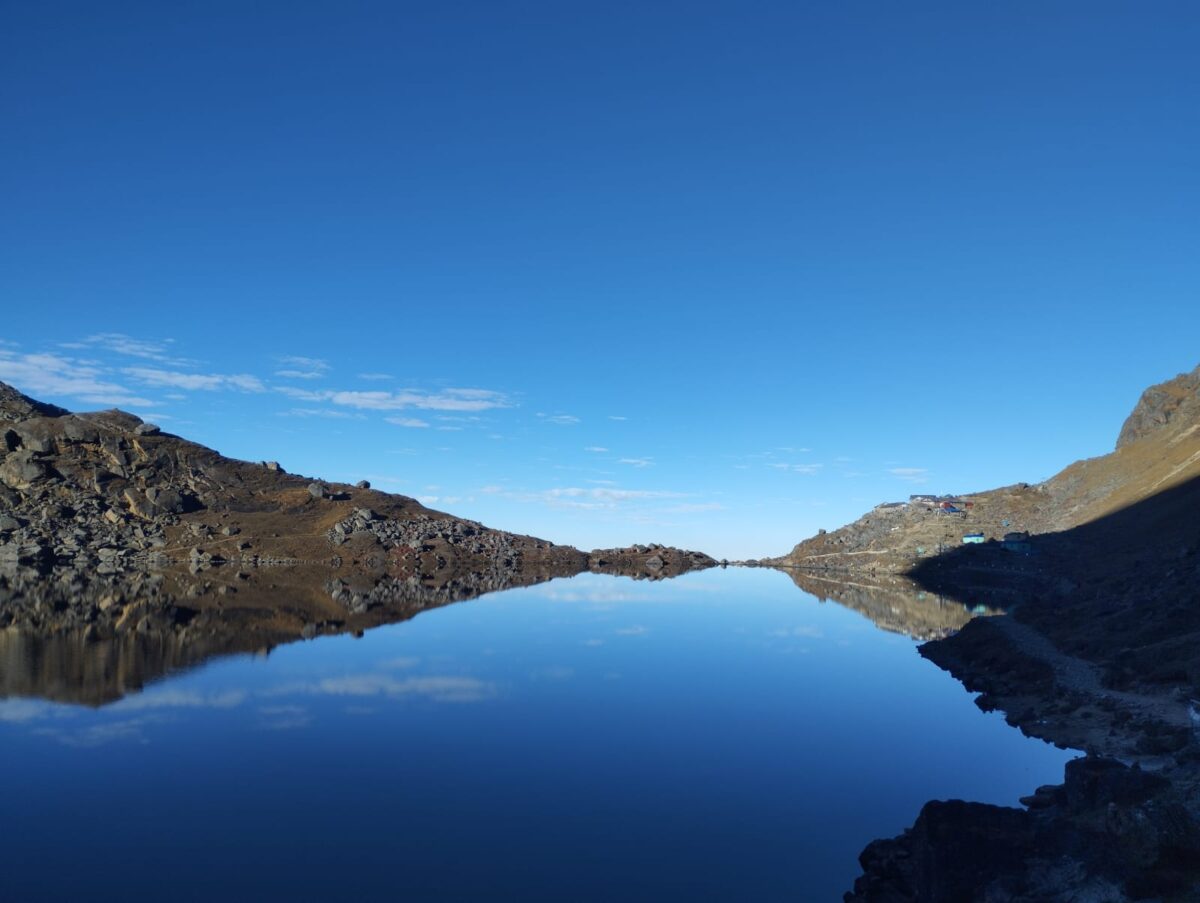
Gosaikunda lake
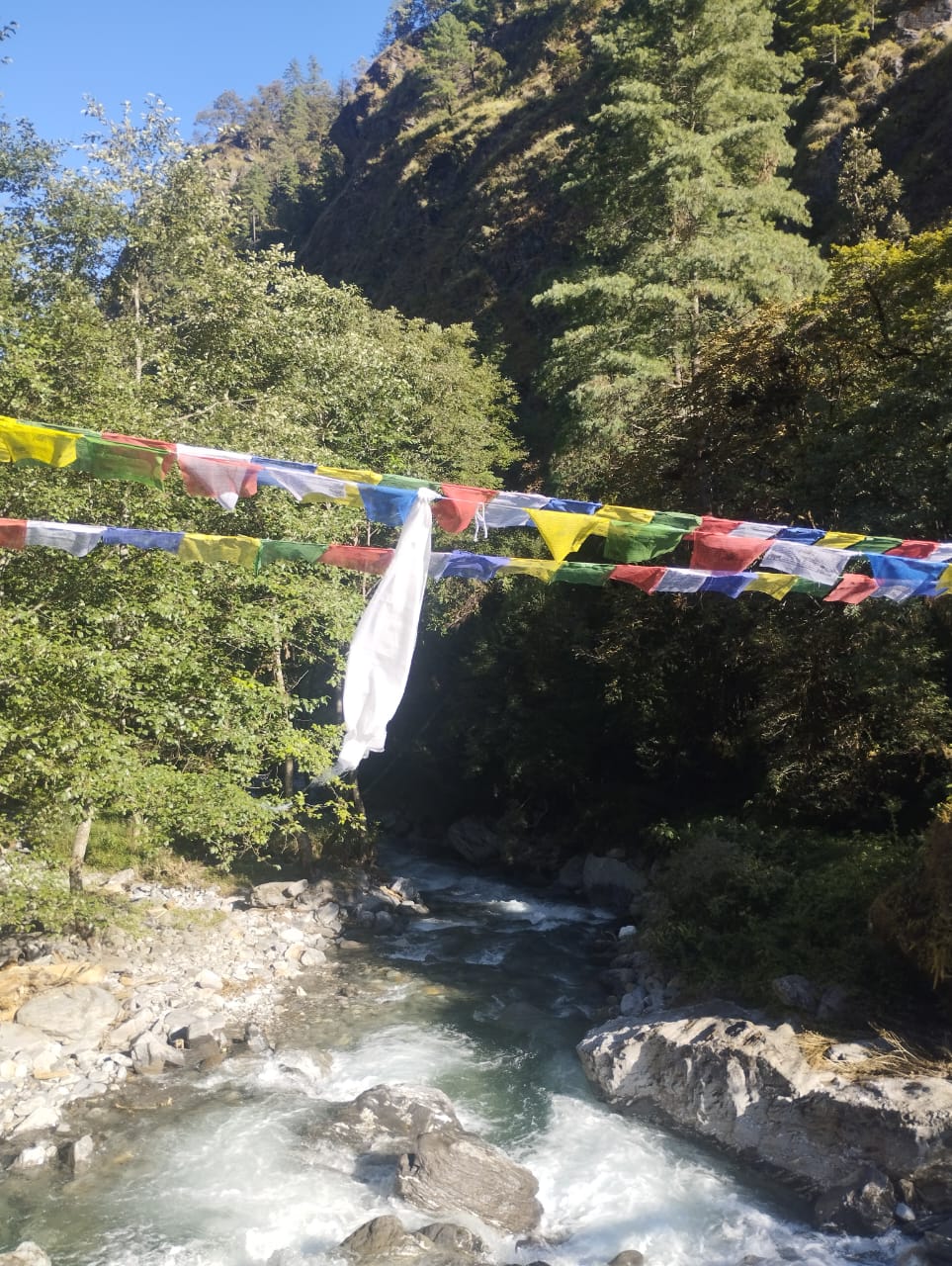
River view woth ont he way to lantang trek
Price starts from
US$ 995
For group of minimum 3 Pax
Group Discount Price
- 1 personUS$ 1050
- 2 - 5 personUS$ 995
- 6 - 8 personUS$ 945
- 9 - 14 personUS$ 892
- 15 over 9999 US$ 840
US$ 1050
Need Help? 
Managing Director Saroj (+977-9806627713)

Duration
14 Days

Trip Difficulty
Easy

Max Altitude
4,380m / 14,370ft

Activity
Trekking

Destination
Nepal

Group Size
2-16 People

Accommodation
Hotel and Tea House

Meals
Breakfast, Lunch, Dinner

Transportation
Private
Highlights of Langtang Gosaikunda Trek
- Enjoy the panorama views of the Langtang Himal, Ganesh Himal, and the Annapurna Range.
- Visit the sacred Gosaikunda Lake, one of the finest high-altitude pilgrimages.
- Trek through traditional Tamang and Sherpa villages rich in their culture and warm hospitality.
- Explore Langtang National Park, housing a variety of plants and animals, including endangered red pandas and Himalayan tahr.
- Enjoy the changing topography, from lush forests to alpine meadows, offering unique trekking experiences with every turn.
Trip Overview of Langtang Gosaikunda Trek
The Langtang Gosaikunda Trek is an unforgettable 14-day journey into the most spectacular scenery of Nepal’s Langtang region and sacred Gosaikunda Lake. This trek lies north of Kathmandu, combining breathtaking natural beauty, rich culture, traditions, and spiritual essence. The journey into the Langtang Valley offers a diverse and rewarding experience to every traveler.
The Langtang Gosaikunda Trek starts from Syabrubesi, a beautiful village that is reached by an exciting drive from Kathmandu. As you go higher, you pass through the Langtang National Park which is rich in diverse ranges of plants and animals, such as the red panda and rhododendron. This trek takes you to the small Tamang and Sherpa villages where you’ll be warmly welcomed and have the chance to learn more about their unique traditions and culture.
The highlight of the Langtang Gosaikunda Trek includes an ascend to Kyanjin Ri (4,300m) and Tserko Ri (4,984m) for panoramic views of Langtang Lirung, Ganesh Himal and Dorje Lakpa. The journey moves toward the holy Gosaikunda Lake which is located at an altitude of 4,380m. This serene blue glacial lake is considered a very religiously important place for Hindus and Buddhists, who believe that this lake was formed by Lord Shiva. The peaceful atmosphere and surrounding snow-capped peaks create an unforgettable experience.
Another exciting highlight is crossing the Laurebina Pass, which lies at an elevation of 4,610m and offers breathtaking views of the Himalayas. The Langtang Gosaikunda Trek descends further into the Helambu region, which is culturally rich in beautiful monasteries, terraced fields, and warm locals. It ends in Sundarijal, which lies on the outskirts of Kathmandu.
The Langtang Gosaikunda Trek is a combination of adventure and spirituality, catering well to trekkers looking for both physical challenges and serenity. The terrains keep changing from heavy forests to high alpine meadows and glacial lakes discovered at each bend. Wildlife sightings, cultural interactions, and spectacular mountain views further enhance this trek.
With its fascinating natural beauty and deep culture, Langtang Gosaikunda is more than just a trek; it is a journey that one will always remember in life, full of lifetime memories and a deep connection with the majestic mountains and traditions of Nepal.
Itinerary of Langtang Gosaikunda Trek
Day 01: Arrival At Airport Then Transfer To Hotel
The first task of your Langtang Valley Trek 10 days will be arriving at the Tribhuvan International Airport located in the capital city of Nepal, Kathmandu. Our crew members will be waiting outside the terminal holding a signboard of our company name and yours to welcome you warmly in Nepal.
Then, you will be transferred to a three-star listed hotel in Kathmandu, which is just 30 to 45 minutes away from the international airport. After getting to the hotel, you can check out the hotel. Later in the late afternoon, we will arrange a little meeting to introduce each other to our guides, who will fill in all the required information about the trekking.

Activity & Duration
Drive To Hotel By Private Transport 30 Mins
Highest Altitude
1350m / 4,429ft (kathmandu)
Meals
-
Accommodation
Three Star Hotel In KathmanduDay 02: Drive From Kathmandu To Syabrubesi
The scenic drive from Kathmandu to Syabrubesi is the start of the Langtang Gosaikunda Trek, a busy gateway to the Langtang region. The 122-kilometer journey that takes 7-9 hours provides some smooth highways but also gives a reasonable idea of the variety of roads travelers come across while traveling through Nepal.
We continue driving along the Prithvi Highway and turn north, following the Trishuli River. The scene changes dramatically including terraced fields, busy villages, and snow-dusted peaks.
It ascends to Dhunche and drops down to Syabrubesi, the place where one feels the pulse of excitement for the Langtang Gosaikunda Trek. Though the ride through rough highways and cloud-like dust is a little problematic, the journey offers ample compensation with glimpses into Nepal’s cultural tapestry and its rich nature.
Syabrubesi, situated at the foot of the mountains, charms the trekkers with its raw beauty and serene hot springs alongside the perfect starting point for the never-to-forget Langtang Gosaikunda Trek adventure.
Activity & Duration
Drive To Syabrubesi By 7/8 HrsHighest Altitude
1503m / 4,931ft (Syabrubesi)Meals
( Breakfast)Accommodation
Guest HouseDay 03: Trek From Syabrubesi To Lama Hotel
The Langtang Gosaikunda Trek is a continuous thrilling ascent that starts from Syabrubesi to Lama Hotel, a distance of 14.8 km and takes about 6 hours. The trek follows the Langtang River through thick forests, waterfalls and beautiful mountain scenery.
The Langtang Gosaikunda Trek trail starts with suspension bridges and gradually climbs up through small villages like Bamboo and Rimche, offering breathtaking views at every turn.
The trek gets a little tiring because of the steep ups and downs, but from Bamboo to Lama Hotel. The river’s beautiful scenery and giant boulders keep the spirits high. Prayer wheels and colored flags come across en route, reminding us of the spiritual essence of the Langtang Gosaikunda Trek.
Lama Hotel, surrounded by greenery, is a perfect end to this energetic day of trekking.
Activity & Duration
Trek To Lama Hotel 5/6 HrsHighest Altitude
2470m / 8,104ft (Lama Hotel)Meals
( Breakfast. Lunch, Dinner )Accommodation
Tea HouseDay 04: Trek From Lama Hotel To Lantang Valley
The Langtang Gosaikunda Trek goes deeper into the mountains as views of snow-capped peaks and lush forests lining the Langtang River start unfolding in front of us while ascending from Lama Hotel to Langtang Village.
This 14.8 km journey takes about 6 hours, after which the valley reveals its beauty as it widens near Ghoda Tabela, where we stop for a permit check.
Prayer wheels and fluttering flags develop a serene environment continuing further up. Langtang Village is the place that unfolds the cultural essence of the Langtang Gosaikunda Trek and is the home of the Tamang community.
This village, hidden between towering mountains, is one of the cultural and scenic gems of the Langtang Gosaikunda Trek. We stay overnight at Langtang Village on this day.
Activity & Duration
Trek TO Lantang Valley 5/6 HrsHighest Altitude
3430m / 11,253ft (Langtang Valley)Meals
( Breakfast. Lunch, Dinner )Accommodation
Tea HouseDay 05: Trek From Langtang Valley To Kyanjin Gompa
The fourth of the Langtang Gosaikunda Trek is a short yet amazingly scenic walk. We will trek on the wide-open valley of Langtang within 6.8 km in just 3 hours, passing through abandoned villages and picturesque meadows.
The trail shows majestic views of high Himalayan peaks and crosses glaciers and tributaries. Our destination, Kyanjin Gompa, has derived its name from its historical monastery. Although the earthquake in 2015 showed its impact, the site remains culturally charming and spiritually ambiance-filled.
From there, we can also go up Kyajo Ri Viewpoint at 5,150 meters for unequaled views of Langtang Valley and its ranges. Kyanjin Gompa is the most fascinating stop on the Langtang Gosaikunda Trek, filled with tranquility and natural beauty.
Activity & Duration
Trek To Kyanjin Gompa 3/4 HrsHighest Altitude
3865m / 12,680ft (Kyanjin Gompa )Meals
( Breakfast. Lunch, Dinner )Accommodation
Tea HouseDay 06: Hike To Kyanjin Ri Or Tesergo Ri
On this day of Langtang Gosaikunda Trek, we will spend some time exploring the uppermost parts of Langtang Valley. Amidst giant Himalayan peaks and wonderful glaciers, Kyanjin Gompa is simply an ideal destination for proper acclimatization.
We explore the historic monastery of Kyanjin Gompa and then visit a Yak cheese factory learning about traditional ways.
The adventurous trekkers can either trek to Langshisha Kharka or climb to Tserko Ri (5,450m), which is a vantage point offering magnificent views of Langtang Lirung (7,227m), Langtang II (6,596m), and Yala Peak (5,500m).
This is one of the main takeaways of the Langtang Gosaikunda Trek, rewarding the beauty of nature. We get back to Kyanjin Gompa in the evening with an enriching day in the grand nature.
Activity & Duration
Hike To Kyanjin Ri Or Tesergo Ri 3/4 HrsHighest Altitude
3865m / 12,680ft (kyanjin Gomba)Meals
( Breakfast. Lunch, Dinner )Accommodation
Tea HouseDay 07: Trek From Kyanjin Gompa Back To Lama Hotel
On the sixth day of our Langtang Gosaikunda Trek, we will go back from Kyanjin Gompa (3,865m) to Lama Hotel (2,470m) via a downward trek of 21 km through the beautiful Langtang Valley. We start with a farewell to the glorious highlands as we start making our way back on the same trail, passing through the small Tamang settlement of Langtang Village.
We will have our delicious lunch at Ghoda Tabela and complete the formalities at the army check post.
Further, we descend to lush forests alongside the rushing Langtang River. The day is accompanied by the diverse nature we reach Lama Hotel.
On this day, you can truly see the beauty and union of the Langtang Gosaikunda Trek, where serenity and a sense of accomplishment blend.
Activity & Duration
Trek To Lama Hotel 5/6 HrsHighest Altitude
2500m / 8,202ft (Lama Hotel)Meals
( Breakfast. Lunch, Dinner )Accommodation
Tea HouseDay 08: Trek From Lama Hotel To Thulo Syabru
On this day of our Langtang Gosaikunda Trek, we will trek from Lama Hotel (2,470m) to Thulo Syabru (2,210m). This day’s journey offers a perfect mix of easy-decent trails and scenic beauty.
We trek down to the banks of the Langtang Khola, cross a stunning waterfall and pass through lush rhododendrons and bamboo forests filled with wildlife such as monkeys and wild boars.
The trail goes on to offer breathtaking views of the Ganesh Himal standing against the sky with its snow-white peaks. Getting closer to the end of our trek, a suspension bridge takes us to the charming Thulo Syabru village.
This day’s adventure in the Langtang Gosaikunda Trek gets us closer to the wonders of nature and frames cherished memories of unparalleled beauty in the region.
Activity & Duration
Trek To Thulo Syabru 5/6 HrsHighest Altitude
2120m / 6,955ft (Thulo Syabru)Meals
( Breakfast. Lunch, Dinner )Accommodation
Tea HouseDay 09: Trek From Thulo Syabri To Cholangpati
On the eighth day, The Langtang Gosaikunda Trek offers a spectacular rise from Thulo Syabru (2,210m) to Cholangpati (3,654m).
We begin our day with a trek uphill to reach and pass the checkpost of Langtang National Park. Continuing further on, the trail brings us up to Daragang, a gentle slope through serene oak and hemlock forests, where some lucky trekkers might see the very elusive red panda.
As we walk more, the scenery gets better with stopovers at Dhimsa and Sing Gompa, housing a famous cheese factory and a sacred monastery respectively. The air starts to get cold while approaching Cholangpati, from where we can see the surrounding peaks with fantastic views. This part of the Langtang Gosaikunda Trek ends amidst natural beauty at Cholangpati.
Activity & Duration
Trek To Cholangpati 7/8 HrsHighest Altitude
3580m / 11,745ft (Cholangpati )Meals
( Breakfast. Lunch, Dinner )Accommodation
Tea HouseDay 10: Hike From Cholangpati To Gosainkunda Lake
Our Langtang Gosaikunda Trek reaches new heights as we ascend to the holy Gosainkunda Lake, which lies at an altitude of 4,380 meters. The trail starts with grand views of Langtang Himal, Ganesh Himal, and even the Annapurna gracing the horizon.
We trek through barren, yet breathtaking, landscapes to reach Laure Binayak before embarking on a steep ascent. Along the way, we have Saraswati Kunda and Bhairav Kunda, turquoise-colored lakes whose waters have their sources from the glaciers of Gosainkunda.
For Hindus, it is a sacred place since they consider it the quiet retreat of Lord Shiva. This turquoise lake with its green surroundings, surrounded by a rugged environment, surprises the trekkers with wonder.
The combination of spiritual and natural appeal makes this part of Langtang Gosaikunda Trek the most rewarding part.
Activity & Duration
Hike To Gosainkunda LakeHighest Altitude
4383m / 14,380ft ( Gosainkunda Lake)Meals
( Breakfast. Lunch, Dinner )Accommodation
Tea HouseDay 11: Trek From Gosainkunda Lake + Laurebina PassThen Ghopte
Langtang Gosaikunda Trek from here becomes truly adventurous as it crosses over to the highest point of the journey: Laurebina La Pass (4,610m).
After leaving Gosainkunda Lake, we pass its peaceful shores and ascend upwards, coming across several smaller glacial lakes on the way up. A steep trail now leads us upwards to the pass, which is marked with colored prayer flags and a stone stupa, offering a spectacular view.
The track then descends from the pass, following the trek downhill through a wild valley down to High Camp and further down to Phedi on rocky paths. The route requires stamina as it includes long ascents after crossing a stream by a footbridge up to Ghopte at 3,530 meters, where we will spend the night.
This part of the Langtang Gosaikunda Trek is a demanding yet rewarding part, with raw Himalayan beauty.
Activity & Duration
Laurebina Pass 8/9 HrsHighest Altitude
4610m / 15,125ft ( Ghopte )Meals
( Breakfast. Lunch, Dinner )Accommodation
Tea HouseDay 12: Trek From Ghopte To Kutumsang
From Ghopte, Langtang Gosaikunda Trek goes to Kutumsang, a trek full of breathtaking views and beautiful scenery. We pass through quite a tranquil forest of juniper, rhododendron, and pine, immersing ourselves in the unspoiled beauty of the region.
It will lead to Tharepati, a peaceful highland that opens up opportunities to soak in the views of Gangchempo and Dorje Lakpa peaks.
From Tharepati, the route descends to meadows that carry remnants of shepherd huts. Becoming steeper through heavy forests, we reach Magin Goth. After a short walk, the trail crosses Kuala Bhanjyang and reaches Kutumsang village (2,470m) where we will spend the night, which lies within the hills with terraced landscapes. This part of the Langtang Gosaikunda Trek is a blend of nature and cultural encounters.
Activity & Duration
Trek to KutumsangHighest Altitude
3530m / 11,581ft (Kutumsang )Meals
( Breakfast. Lunch, Dinner )Accommodation
Tea HouseDay 13: Trek From Kutumsang To Chisopani
The Langtang Gosaikunda Trek from Kutumsang continues onto Chisopani, a fascinating mix of ups and downs through picturesque villages. We begin with an easy ascent and then descend 2,140 meters to the lovely village of Gul Bhanjyang, which is surrounded by terraced fields.
Then, the trek ascends to Thorong Danda, at 2,500 meters, where a dusty road gives way to rock paths leading to Chipping village. From Chipping, we now begin a steady descent to reach Pati Bhanjyang (1,760m) amidst calm surroundings, with greenery all around.
The last part consists of a gentle climb to Chisopani (2,295 meters), one of the finest viewpoints for stunning views of Himalayan peaks. On this day, scenic beauty combines with cultural exploration in this Langtang Gosaikunda Trek to make it memorable.
Activity & Duration
Trek To Chisopani 6/7 HrsHighest Altitude
2470m / 8,104ft (Chisopani)Meals
( Breakfast. Lunch, Dinner )Accommodation
Tea HouseDay 14: Trek From Chisopani To Sundarijal and Drive To Kathmandu
The final leg of Langtang Gosaikunda Trek starts with a descend hike through Shivapuri National Park, accompanying us with lush forests and mountain breezes. Soon after checkpoint, we follow a wide downhill track that sometimes rises gently. On the route, we can see the serene water reservoir and cascading streams reflecting in natural beauty.
Sundarijal (1,380m) is the farewell point of the trek to board a vehicle that takes us back to Kathmandu. The hour-long drive allows us to catch glimpses of the magical moments throughout the Langtang Gosaikunda Trek, from snow-clad peaks to peaceful lakes.
The perfect blend of nature, adventure and culture makes the last day of trekking a memorable one from its varied experiences.
Activity & Duration
Trek From Chisopani To Sundarijal and Drive To Kathmandu 6/7 HrsHighest Altitude
1350m / 4,429ft (Kathmandu)Meals
( Breakfast. Lunch )Accommodation
Three Star Hitel In KathmanduIncludes / Excludes of Langtang Gosaikunda Trek
What is included?
- All airport pickup/ drop by private vehicles .
- Kathmandu to Syabrubesi and chisopani to Kathmandu by private transportation .
- Two nights twin-sharing three Star hotel with breakfast in Kathmandu .
- Full broad three time meals (Breakfast, Lunch and Dinner) during the trek .
- Beat available twin-sharing basic ( Tea House) accommodation during the trek .
- All necessary paper works Langtang National park entry permit and Trekkers information Management System (TIMS)permit .
- English-speaking experienced helpful knowledgeable Government license holder guide ( 1 porter for 2 Trekkers) all his salary food accommodation drinks and insurance included .
- First Aid medical box .
- Arrangement of Emergency Helicopter service (paid by your Travel Insurance Company) .
- sleeping bag and duffel bag ( return after your trip completed) .
- Glory Adventure T-shirt .
- Government Taxes and Official expenses .
- Noted Assistant guide group size 8+ person .
What is excluded?
- International Airfare and Nepal entry visa fees .
- Extra night hotel in Kathmandu .
- Meals whilst you are in Kathmandu ( Lunch and Dinner) .
- Extra activities in Kathmandu .
- Your Personal Expenses .
- All the alcoholic and non-alcoholic cold hot drinks on trek .
- All desserts sweet things like chocolate, cake, pie, pudding .
- Hot shower and battery charging on the Tea Houses .
- Tips for the guide (s), porter(s) and driver(S) .
Route Map & Altitude Chart
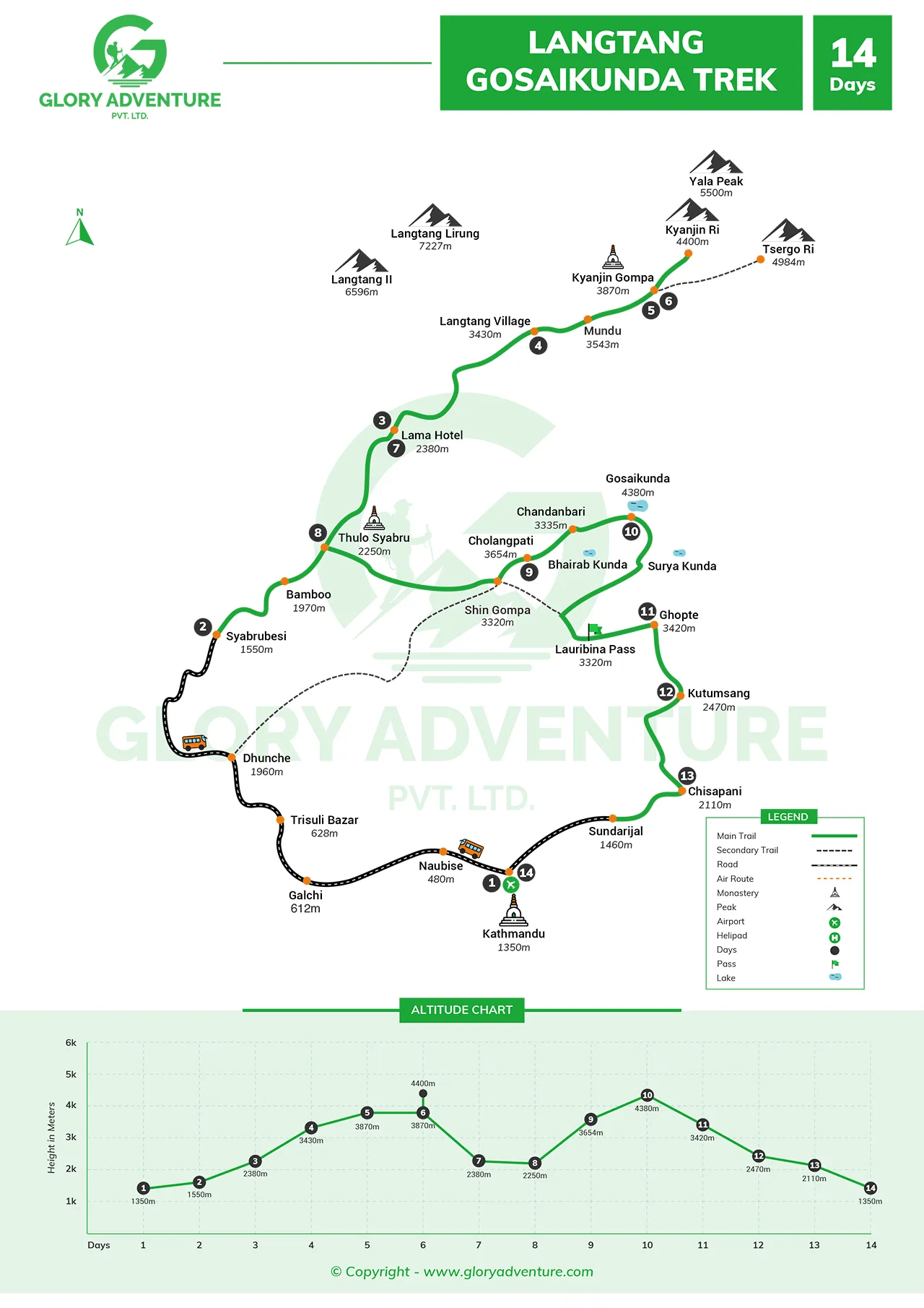
Essential Information of Langtang Gosaikunda Trek
Best Season
The best time for the Langtang Gosaikunda Trek is during spring, from March to May, and autumn, from September to November. During these times, the weather is good, the skies are clear and the landscape is alive with color.
The temperature is moderate, and the panoramic views of the Langtang Himalayas make for a perfect setting in which to have an unforgettable adventure. Spring brings blooming rhododendrons and a lively atmosphere, while autumn provides crisp air and remarkable visibility of the snow-capped peaks.
Winter-December to February stands peaceful with snows but is harsh and slippery, and most of the time, a problematic section is around Laurebina Pass during the Langtang Gosaikunda Trek. Extra preparation may be required for this trek in winter.
The heavy rainfall during the summer monsoon months makes the trail of Langtang Gosaikunda trek muddy and views restricted. Therefore, it is better not to trek during this period.
Therefore, spring and autumn are the best seasons, although they remain the principal months for the Langtang Gosaikunda Trek.
Elevation and Distance
The Langtang Gosaikunda Trek is an incredible 177 kilometers in length, passing through some of the most beautiful scenery Nepal has to offer.
You will gradually go up from Kathmandu at 1,400m to the beautiful Gosainkunda Lake at 4,380m, with the highest point of the Laurebina Pass at 4,610m. The whole trek comprises uphill and downhill walks that start from the lush forests of Syabrubesi to the Tibetan-influenced villages of Langtang and Kyanjin Gompa.
Due to this varied altitude profile, the trek is quite dynamic, testing the endurance of trekkers in ascent and descent alike. Langtang Gosaikunda Trek serves up the perfect balance of high altitude and culture, ranging over various terrains as you trek through remote valleys, alpine meadows, and sacred lakes; every kilometer of this 177-kilometer trek is rewarding in one way or another.
Difficulty and Altitude Sickness
The Langtang Gosaikunda Trek is moderately challenging, has 5-6-hour day treks, and rises over 4,600 meters high at Laurebina Pass. A variety in the trek from steep uphill climbs makes this trek even more rewarding yet challenging for badly prepared trekkers.
The frequent altitude increases invite altitude sickness. When ascending, your body needs time to acclimatize to the altitude, and lack of rest and water could bring symptoms such as headaches, dizziness, and nausea. In any case, with gradual climbs and extra rest days, you will reduce the risk of possible altitude sickness by following a guide’s advice.
The Langtang Gosaikunda Trek has ideal blends of physical challenges with breathtaking views and insight into cultural aspects; it should be undertaken only with perfect body fitness, preparation in all ways, and sensitivity toward altitude variation.
Minimum and Maximum Walk per Day
The Langtang Gosaikunda Trek is good for all levels of trekkers because there is a huge difference in trekking duration. The minimum day of walking falls on day 13 when you trek only 4 hours from Chisopani to Sundarijal and drive back to Kathmandu.
The longest will be on day 10, an exhausting 8–9-hour trek from Gosainkunda Lake to Ghopte through Laurebina Pass.
On average, a trekker walks for approximately 6-7 hours each day through various landscapes and ascends to an altitude of 4,610 meters on the Laurebina Pass. Be it a few hours or longer stretches of trekking, Langtang Gosaikunda Trek is going to be an enriching experience through mountains and culture.
Accommodation
Accommodations are provided in locally owned, basic, yet comfortable teahouses during the Langtang Gosaikunda Trek, adding to the charm of the journey. The stay includes 12 nights in total, out of which six nights are assured in a standard twin-sharing room in places such as Lama Hotel, Cholangpati, Ghopte, Gosainkunda Lake and Kutumsang.
Basic teahouses will be provided with soft, cozy beds, pillows, and warm blankets for the best rest after an adventurous day during the Langtang Gosaikunda Trek.
The luxury teahouses in the lower regions of Syabrubesi, Langtang Village, and Kyanjin Gompa (2 nights) have private rooms with attached bathrooms.
In higher altitude regions, the bathrooms are out of the teahouse but equally amazing. Accommodations for the Langtang Gosaikunda Trek present the warm hospitality of the region, combined with the simplicity of the mountains.
Foods and Drinks
The Langtang Gosaikunda Trek offers delicious, nutritious meals to help your body cope with high altitude. During the trek, you will have full board meals, including 13 breakfasts, 13 lunches, and 12 dinners, so that your energy levels are maintained throughout the trek.
While there is a great variety in the menu, from traditional to Asian and Western cuisines, the choices tend to be simpler as you go up.
Breakfasts will be basic with options like oatmeal, Tibetan bread, eggs, pancakes, and hot drinks such as tea and coffee.
For lunch and dinner, there are local favorites like Dhal Bhat, Sherpa stew, momo-dumplings, vegetable curry, pasta, and thukpa. Fresh vegetable dishes and plenty of liquids like ginger tea, green tea, and garlic soup are highly recommended to help with acclimatization as you ascend.
Although the menu provides some non-veg, we recommend not taking in meat due to its healthiness. Alcohol, caffeine, and dairy products should also be taken in very moderate amounts during your Langtang Gosaikunda Trek for a healthy trek experience.
Please note that all personal bills, such as the cost of alcoholic drinks, hot beverages (tea/coffee), and cold drinks (except standard meals breakfast, lunch, dinner, and seasonal fruits) at teahouses and lodges, are excluded from the package and will need to be covered separately.
Can a beginner join this trek?
Langtang Gosaikunda Trek is a great option for first-time trekkers seeking to experience the glory of the Himalayas. This trek has a good altitude gain and some obstacles in it, but it is achievable by people with normal health and physical fitness.
The Langtang Gosaikunda will showcase the breathtaking views of Himalayan ranges, and local cultures, and take you into the remote villages and calm lakes. Indeed, this trek is both rewarding and achievable for a beginner, provided one prepares and maintains a positive attitude toward the trek.
Local guides will accompany you, along with comfortable teahouse accommodations, as you continue the Langtang Gosaikunda Trek. This makes the trek a perfect introduction to trekking in Nepal with natural beauty combined with the accessibility of difficulty for new adventurers.
Preparation and Physical Fitness
Preparation for the Langtang Gosaikunda Trek should be focused on building stamina, strength and mental toughness. The trek has a moderate rise in altitude, so you need to get the body ready for endurance and flexibility alike.
Start with cardiovascular exercises such as hiking, brisk walking or cycling for better cardiovascular health. Strength training, mainly for the legs and core muscles, will help you to tackle rugged terrain. Stretching and yoga will help with flexibility and prevent injuries.
Similarly, the Langtang Gosaikunda Trek requires mental preparation for fluctuating weather conditions and challenges at high altitudes. Drink plentifully and do some deep breathing to manage altitude changes. If well-prepared, this indeed will be a fulfilling adventure.
Internet, Communication and Electricity
During the Langtang Gosaikunda Trek, there is limited communication and electricity, but essential services are available. You can recharge your camera and mobile at most lodges for extra, which costs around 300-400 NPR per hour.
Wi-Fi is accessible at lower altitudes, for example, Thulo Syabru and Kutumsang, but it all depends on the weather in higher regions like Gosainkunda.
Nepal Telecom SIM cards work best, though signal and data are patchy at higher elevations.
To keep themselves connected, a power bank or portable solar panel can come in pretty handy during the Langtang Gosaikunda Trek.
Travel Permit
The Langtang Gosaikunda Trek requires the provision of some permits. First of all, every trekker should obtain a Trekkers Information Management System (TIMS) card, without which trekking in the Langtang region is not possible. It can be obtained from NTB or TAAN in Kathmandu or Pokhara.
As a part of Langtang National Park, this Langtang Gosaikunda Trek requires a Langtang National Park Permit. This permit can be availed at NTB in Kathmandu or the entry point in Dhunche.
Your package includes costs for the TIMS card and the National Park entry permit, and our trek staff will take care of all the permit arrangements to smoothly facilitate your adventure for the Langtang Gosaikunda Trek.
Transportation
Transportation for the entire trekking route will be provided by local bus from Kathmandu to Syabrubesi, the starting point and from Sundarijal back to Kathmandu, the ending point of the trek.
This budget and convenient travel option is one of the included parts for your trek package, ensuring all smoothness in your journey throughout Langtang Gosainkunda Trek.
Insurance
Basic travel insurance is required for the Langtang Gosaikunda Trek because of the risks involved with high-altitude sickness and other altitude hazards. You must have inclusive travel insurance that ensures medical expenses, emergency return, and helicopter rescue or evacuation at height.
It keeps you safe and sound on the trek for the stress-free exploration of the magnificent scenery of Langtang Gosaikunda.
Make sure that your insurance policy takes into consideration coverage in the trekking regions of high elevation to cover any sudden circumstance.
What to expect from this trek?
The Langtang Gosaikunda Trek is a journey you take on to be a part of the breathtakingly beautiful landscapes, the local culture, and spiritual serenity. This trek offers great views of snow-capped peaks like Ganesh Himal and Langtang Lirung coupled with the sacred Gosaikunda Lake.
You will get to pass through lush forests, charming villages, and alpine meadows to reach diverse wildlife amidst the rich traditions of the Tamang and Sherpa communities.
More specifically, the Langtang Gosaikunda Trek also contains parts of the Hindu pilgrimage in the form of Gosaikunda. Although it is highly rewarding for good views and a sense of achieving something, expect some exhausting upward journeys, especially when attaining higher altitudes.
These create an ideal combination of adventure, culture, and natural beauty, a must-go trip for trekking enthusiasts.
Frequently Asked Question (FAQ’s)
The Langtang Gosaikunda Trek is moderately challenging and best for trekkers with basic fitness and some trekking experience, especially at high altitudes.
The standard itinerary is for 12-14 days. However, other routes taken by trekkers sometimes involve variation in the start and end points, such as starting from Sundarijal and finishing at Syabrubesi, adding in side treks to surrounding peaks such as Kyanjin Ri.
Safe drinking water can be found in bottles provided at teahouses or else as boiled water at extra cost. It is suggested that you use water purification pills, for added safety.
Though it’s not prohibited, it is recommended trekking with guides for safety concerns since parts of this trail can be pretty remote and difficult, especially at higher altitudes.
Key items to bring along are sturdy trekking shoes, a warm jacket, trekking poles, a sleeping bag and personal medications. Do not forget sun protection, a headlamp, and a water bottle.
Trip Reviews on Langtang Gosaikunda Trek

Price starts from
US$ 995
For group of minimum 3 Pax
US$ 1050
Need Help?
Managing Director Saroj (+977-9806627713)
Related Trips

Saroj Sunar Travel Consultant
Looking for a Private Trip?
Say Hello to Your Travel Consultant
Planning your next getaway? Our travel specialists are ready to design a fully customized package tailored to your interests. If you need help or have any questions, feel free to connect with us—we’re here to guide you from start to finish.
Price starts
US$ 475
✖
Free Trip Planner Talk to Mr. Saroj Sunar

