Talk to Mr. Saroj
- Home
- Destination
- Nepal Trekking
- Annapurna Region
- Short Poon Hill Trek 3 Days
- Ghorepani Poon Hill Trek 4 Days
- Ghorepani Poon Hill Trek – 8 Days
- Annapurna Base Camp Heli Trek
- Short Annapurna Base Camp Trek- 6 Days
- Annapurna Base Camp Trek – 10 Days
- Annapurna Base Camp Trek Via poon Hill
- Short Mardi Himal Trek
- Mardi Himal Trek – 10 Days
- Ghorepani Poon Hill with Mardi Himal Trek
- Short Annapurna Circuit Trek
- Annapurna Circuit Trek with Tilicho Lake
- Annapurna North Base Camp Trek– 9 Days
- Khopra Ridge Trek
- Mohare Danda Trek – 9 Days
- Kori Himal Trek -10 Days
- Nar Phu Valley Trek with Kang La and Thorong La Pass- 17 Days
- Annapurna Region
- Travel Info
- Company
- Contact
 English
 Malay
Malay Dutch
Dutch Japanese
 Hindi
Hindi Italian
 Spanish
 French
 German
 Chinese
 Korean
 Arabic
 Hebrew
 Russian
 Portuguese
 Danish
 Czech
Czech Polish
 Swedish
 Plan Your Trip
 Bookings open for the 2026-2027 season! Start planning your dream journey.
Ghorepani Poon Hill Trek – 8 Days

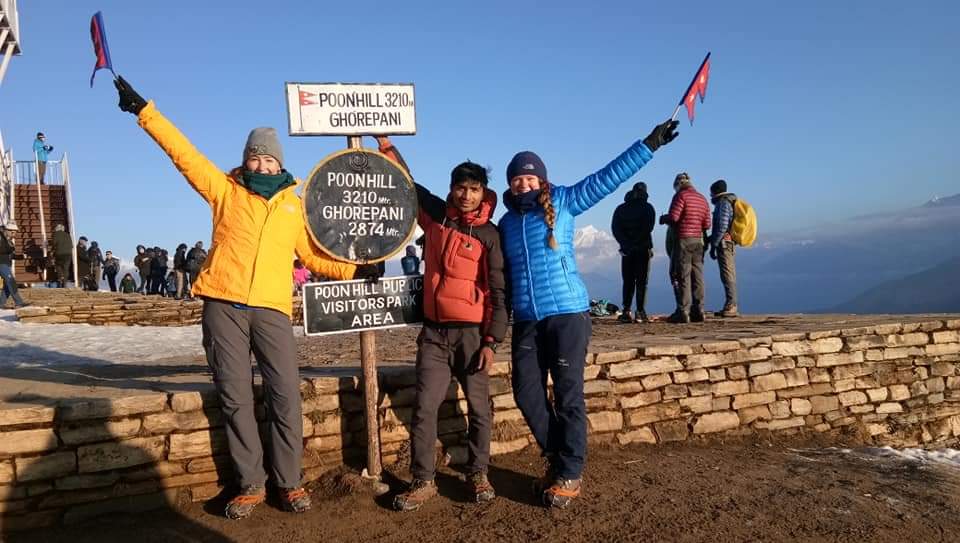
Poon Hill broad of Picture
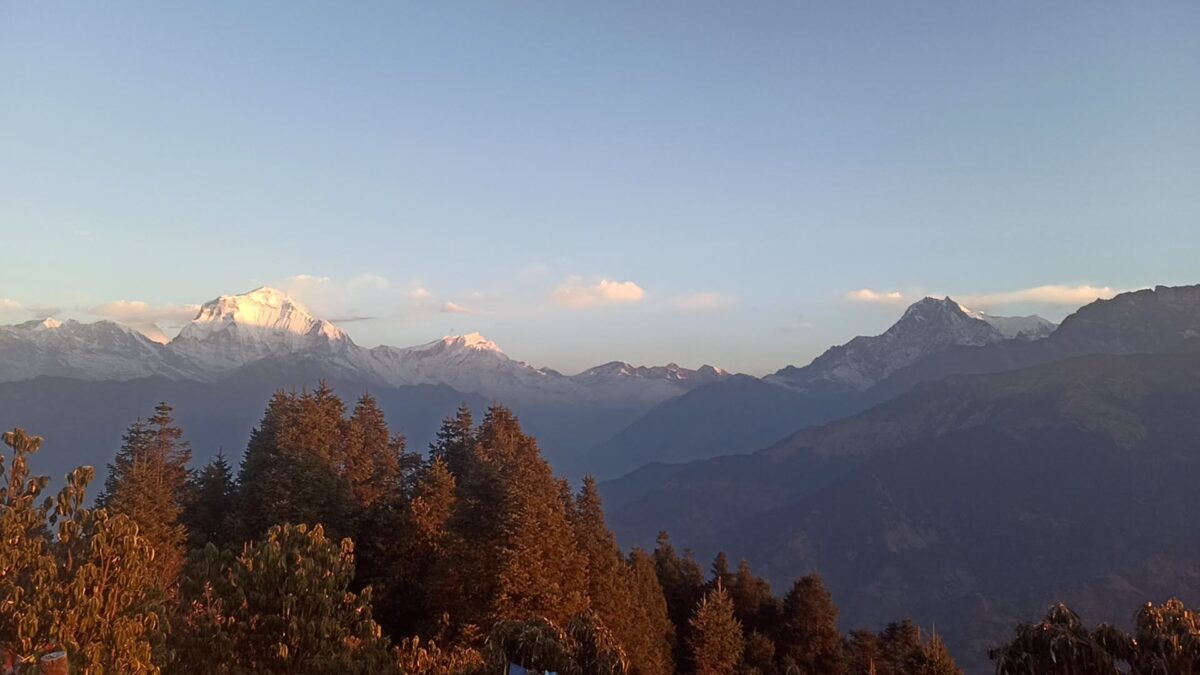
Mountain view from poonhill
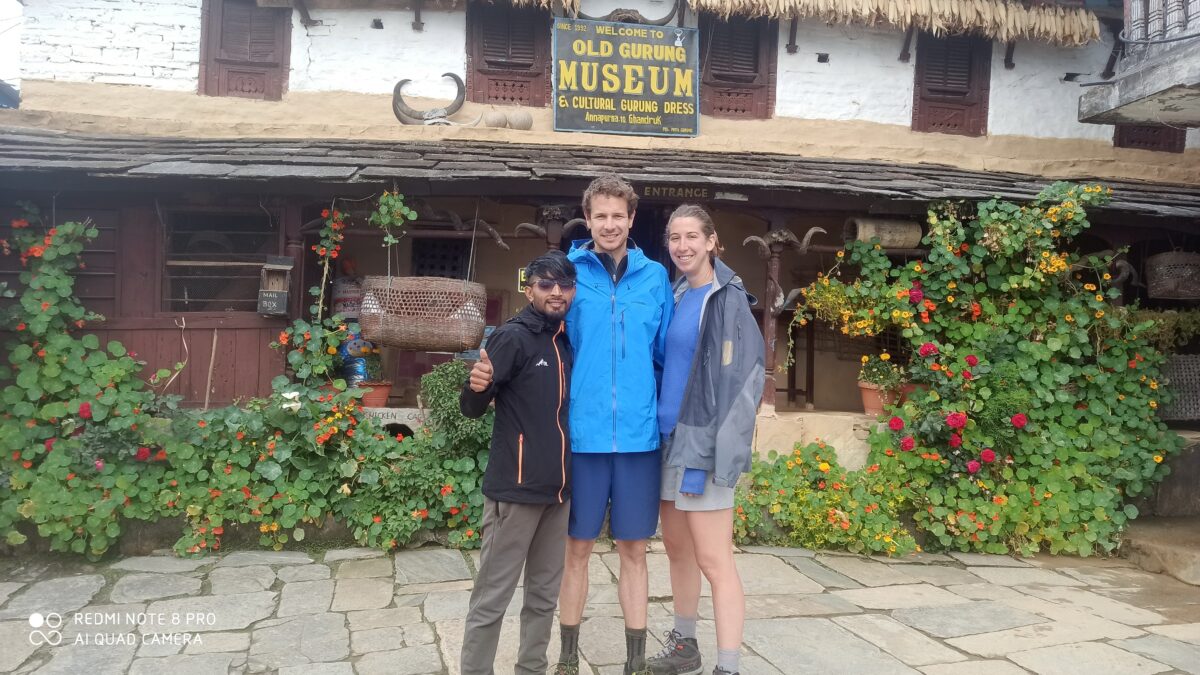
Ghandruk village
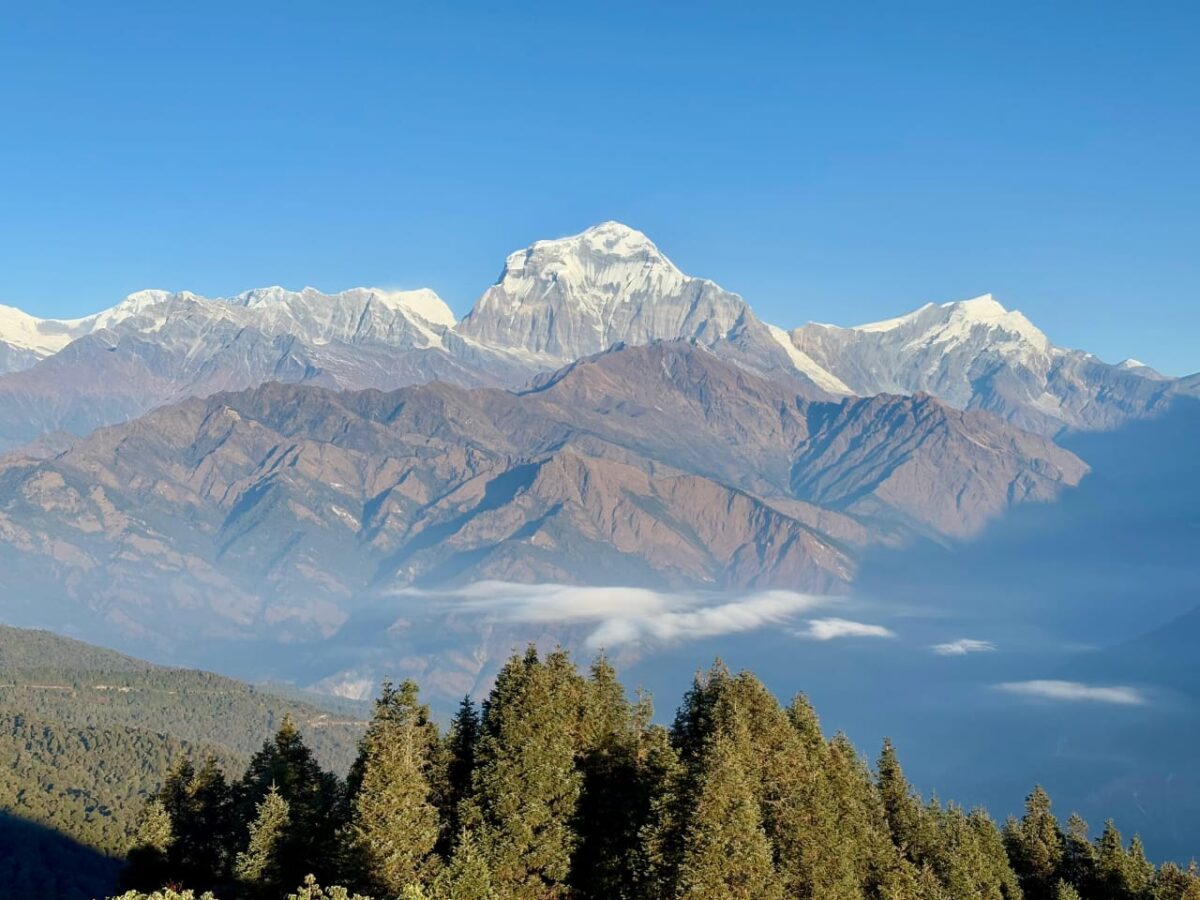
From poonhill view
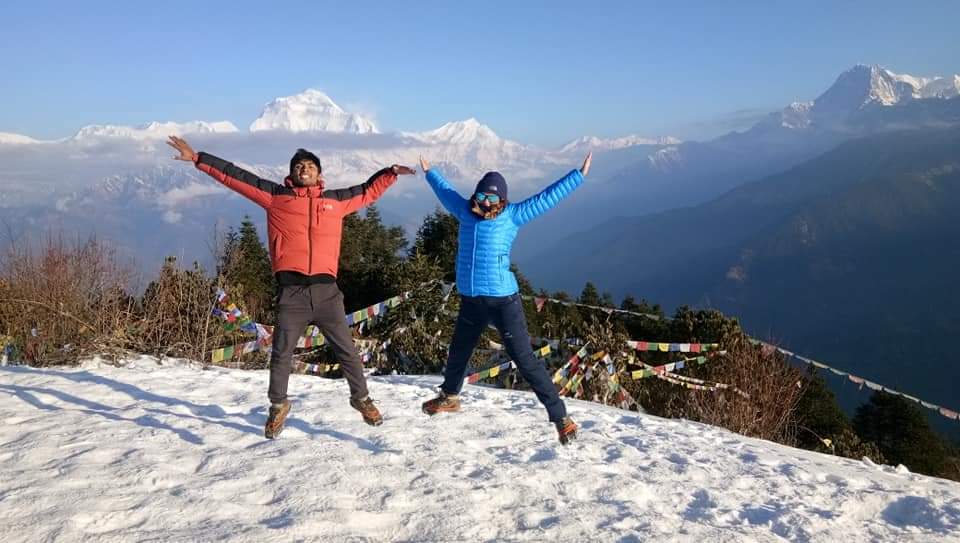
Snow on the time
Price starts from
US$ 522
For group of minimum 3 Pax
Group Discount Price
- 1 personUS$ 550
- 2 - 5 personUS$ 522
- 6 - 8 personUS$ 495
- 9 - 14 personUS$ 467
- 15 over 9999 US$ 440
US$ 550
Need Help? 
Managing Director Saroj (+977-9806627713)

Duration
8 Days

Trip Difficulty
Moderate

Max Altitude
3,210m / 10,531ft

Activity
Trekking & Sightseeing

Destination
Nepal

Group Size
1-16 People

Accommodation
Hotel /Tea House

Meals
Breakfast, Lunch and Dinner

Transportation
Tourist Bus, Jeep
Highlights of Ghorepani Poon Hill Trek – 8 Days
- Enjoy one of the popular hikes in Nepal
- Spectacular sunrise view from Poon Hill
- Close-up views of mountains (Annapurna I, Annapurna South, Dhaulagiri Ranges, Hiunchuli, Nilgiri, and Fishtail)
- Learn the cultures, customs, and traditions of the Gurung and Magar communities.
- Cool, Pleasant, & Peaceful trek away from the chaotic environment.
- Ideal for photography (mountains, sunrise, lush forest, night skies, wildlife, and birds)
- Enjoy the trek with minimal chances of high altitude risks.
- Short treks – accessible for both beginners and experienced.
- Along the journey, spend your night in the comfortable tea houses.
- Get the excellent hospitality from the locals during the walking journey.
Trip Overview of Ghorepani Poon Hill Trek – 8 Days
The Ghorepani Poon Hill is short but one of the remarkable treks in Nepal. It is a beautiful Himalayan journey located in the Annapurna region. This trek is ideal for those who want to experience the Himalayas and the unique culture of Nepal within a few days. Whether you are a beginner, an experienced trekker, or a family trekker, this 8-day trek offers you flawless experiences with a bundle of memories.
The trek is popular because it is moderate and accessible. The highest elevation of the Ghorepani Poon Hill trek is 3,210 m. Furthermore, the ultimate highlight of the trek is witnessing a fantastic sunrise from Poon Hill.
The splendid journey of the tour begins from Pokhara – filled with natural beauties, the lake city, jewels of mountains, and more. The trek passes through the elegant places inhabited by Gurung and Magar, who are popular for their hospitality and kindness. During the journey, you will delight in seeing the beautiful villages – Birethani, Ulleri, Ghorepani, and Tadapani.
The Ghorepani Poon Hill trek takes you to the lush rhododendron forests, a diverse range of flora & fauna, scenic mountains, terraced farmlands, and more.
Upon reaching Poon Hill (3,210 m), you will get the magnificent views of Annapurna I, Annapurna South, Dhaulagiri Ranges, Hiunchuli, Nilgiri, and Fishtail (Machhapuchhre) mountain.
With the well-maintained trails, comfortable tea houses, and moderate days of walking, the Ghorepani Poon Hill trek is regarded as one of the accessible treks for any traveller. It allows the visitors to indulge in the Himalayas without any high-altitude risks.
The Glory Adventure is delighted to present you with an 8-day itinerary of the Ghorepani Poon Hill trek. It will give you a lifetime experience. The bookings are open for 2025, 2026 & 2027 based on your availability and budgets.
Itinerary of Ghorepani Poon Hill Trek – 8 Days
Day 01: Arrival in Kathmandu (1,398 m) and transfer to hotel
Your journey begins at the moment you land in Kathmandu. It offers first glimpses of hills and mountains. After arrival at the Tribhuvan International Airport, our team representative welcomes you and escorts you to the hotel.
Once you reach the hotel, you may rest and relax for a while. Depending on your arrival, you may stroll in the Thamel & Ason and take a sip of hot coffee or tea.
In the evening, the trekking guide conducts a brief orientation and explains the trek plans, permits and safety guidelines. Later, you can enjoy a delicious dinner with your favourite drinks.

Activity & Duration
30 mins drive to hotel
Highest Altitude
1400m / 4,593ft (Kathmandu)
Meals
-
Accommodation
Three star Hotel in kathmanduDay 02: Drive from Kathmandu to Pokhara (tourist bus)
Your day begins as you prepare for the scenic journey – Kathmandu to Pokhara. After having a delicious breakfast, we leave the hotel and board a tourist bus.
As the buses leave Kathmandu, we slowly descend and approach the Prithvi Highway. During the journey, you will be glad to see the lush green forests, mountains, terraced fields, diverse landscapes and more.
After driving for some hours, we stop at Kurintar for lunch. As we approach Pokhara, you will feel joyous with the serene atmosphere. If the weather is clear, you may also get glimpses of Annapurna and Manaslu.
After 6-7 hours of driving, we will reach Pokhara. Many travellers prefer walking by the lakeside. Meanwhile, in the evening, you may enjoy leisurely meals at the lakeside restaurants.
Activity & Duration
Drive from Kathmandu to Pokhara (tourist bus) 6-7hrs driveHighest Altitude
822m / 2,697ft (Pokhara)Meals
BreakfastAccommodation
Three star Hotel in PokharaDay 03: Drive from Pokhara (822 m) to Birethani (1,263 m) and trek to Ulleri (1,960 m), 5-6 hrs
Your journey begins with a scenic drive from Pokhara to Birethani while passing through farmlands, lush green forests, small settlements, and beautiful mountains.
After reaching Birethani, your trekking permits will be checked, and the adventure begins. The trail starts with an easy and comfortable walk.
You will dive into the peaceful atmosphere and serene environment. After passing some elegant houses and terraced fields, you will reach Hile and then arrive at the Tikhedhunga.
The real challenge begins after reaching Tikhedhunga, which involves climbing hundreds of stone steps. After crossing the suspension bridge, you will reach Ulleri. We have an overnight stay at a tea house.
Activity & Duration
Drive from Pokhara (822 m) to Birethani (1,263 m) and trek to Ulleri (1,960 m), 5-6 hrsHighest Altitude
1960m / 6,430ft (Ulleri )Meals
Breakfast, Lunch & DinnerAccommodation
Tea HouseDay 04: Trek from Ulleri (1960 m) to Ghorepani (2,880 m), 4-5 hrs
After breakfast, we will ascend through the rhododendron and oak forests and arrive at Banthani and Nangethani. Here you may stop for a tea or a short rest.
If your Poon Hill trek is in Spring, you will see lots of pink and red rhododendrons, birds, and wildlife.
The closer to Ghorepani, you will be wowed by the calm atmosphere, snow-capped mountains, and the sounds of streams flowing.
It’s breathtaking to stay in Ghorepani and enjoy the stunning views of Annapurna, Hiunchuli, and Machhapuchhre.
Activity & Duration
Trek from Ulleri (1960 m) to Ghorepani (2,880 m), 4-5 hrsHighest Altitude
2874m / 9,429ft (Ghorepani )Meals
Breakfast, Lunch & DinnerAccommodation
Tea HouseDay 05: Trek from Ghorepani (2,880 m) to Poon Hill (3,210 m) for sunrise view – return to Ghorepani and hike to Tadapani, 7-8 hrs
Your day begins very early, before sunrise, as you leave Ghorepani headed towards Poon Hill. The short hikes take around 45 minutes to an hour.
After reaching Poon Hill (3,210 m), you can witness the stunning views of sunrise over the hills. It is the vantage point for photographers.
You may also see the Himalayas, including Annapurna, Dhaulagiri, Machhapuchhre, and Hunchuli.
After spending the golden moment, we will walk down to Ghorepani for a delicious breakfast. Once you have had your meal, we will trek towards the Tadapani.
The trails take us through lush rhododendron and oak forests and lead us to Deurali and Banthani.
After walking for some hours, we will reach Tadapani, a beautiful village offering magnificent views of Annapurna South and Fishtail. We have an overnight stay at the tea house.
Activity & Duration
Trek from Ghorepani (2,880 m) to Poon Hill (3,210 m) for sunrise view – return to Ghorepani and hike to Tadapani, 7-8 hrsHighest Altitude
3210m / 10,531ft (Tadapani)Meals
Breakfast, Lunch & DinnerAccommodation
Tea HouseDay 06: Trek to Ghandruk (1940 m) from Tadapani and take bus/jeep to Pokhara (3-4 hrs)
After breakfast in Tadapani, we begin a gentle downhill walk following the rhododendron and oak forests. The trail will be peaceful and moderate.
Once you reach, you will be glad to see the mountains, including Machhapuchhre, Annapurna III, and Hiunchuli. After taking lunch, we will spend some time visiting the museum and the Buddhist monastery.
From here, we will take a jeep/bus to reach Pokhara. The journey takes around 2-3 hrs.
Activity & Duration
Trek to Ghandruk (1940 m) from Tadapani and take bus/jeep to Pokhara (3-4 hrs)Highest Altitude
1940m / 6,365ft (Pokhara)Meals
Breakfast, Lunch and DinnerAccommodation
Three star Hotel in PokharaDay 07: Drive from Pokhara (822 m) to Kathmandu (1,398 m) – 7-8 hrs
Your day begins with an early morning departure from Pokhara. After an early morning breakfast, we will board a tourist bus for the journey to Kathmandu. The drive usually takes 6-7 hours to reach Kathmandu, with a few stops for tea and lunch.
By the late afternoon or late evening, we will reach Kathmandu. Meanwhile, for dinner, we will serve you a complete wholesome Nepali meal – Steamed Rice, Lentil Soup, Seasonal Veggies, Spinach, Tomato Pickle, Ghee, Chicken/Mutton/Fish curry.
Activity & Duration
Drive from Pokhara (822 m) to Kathmandu (1,398 m) – 7-8 hrsHighest Altitude
1400m / 4,593ft (Kathmandu)Meals
Breakfast, Lunch and DinnerAccommodation
Three star Hotel in KathmanduDay 08: Final Departure
After taking breakfast, you may enjoy last-minute shopping in Thamel. We then arrange airport transport service as per your flight timings. You may also extend your days for another trip.
Activity & Duration
Drop to airport by private vehicleHighest Altitude
1400m / 4,593ft (Home)Meals
BreakfastAccommodation
-Includes / Excludes of Ghorepani Poon Hill Trek – 8 Days
What is included?
- Airport Pickup and drop by private transportation.
- Two night’s twin sharing basic accommodation with breakfast at standard hotel in Kathmandu
- Two night’s twin sharing basic accommodation with breakfast at standard hotel in Pokhara
- Full Broad meals ( Breakfast, Lunch and Diiner) during the trek.
- Four night’s (Tea House ) accommodation during the trek.
- English- speaking government licenses holder trekking guideall his salary food drink insurance included .
- Kathmandu to Pokhar both ways by sofa tourist bus.
- Pokhara to birethanti by private taxi .
- Sharing jeep or bus from ghandruk .
- ACAP permit for ghorepani poon hill trek. .
- All necessary permits for Ghorepani Poon Hill Trek
- Free luggage stored at Green Valley Nepal Store During the Trek
- Tourist service charge, VAT
What is excluded?
- International airfare, Nepal Visa Fees amd Nepal Travel insurance
- Extra nights accommodation, Lunch and Dinner in Kathmandu and Pokhara
- Personal expenses such as phone calls, drinks, donations, souvenirs, etc.
- Personal expenses during the trekking such as hot shower, all kind of drinks, extra meals, Wi-Fi or data, battery charging, upgraded accommodation & tips for Staffs (it is expected).
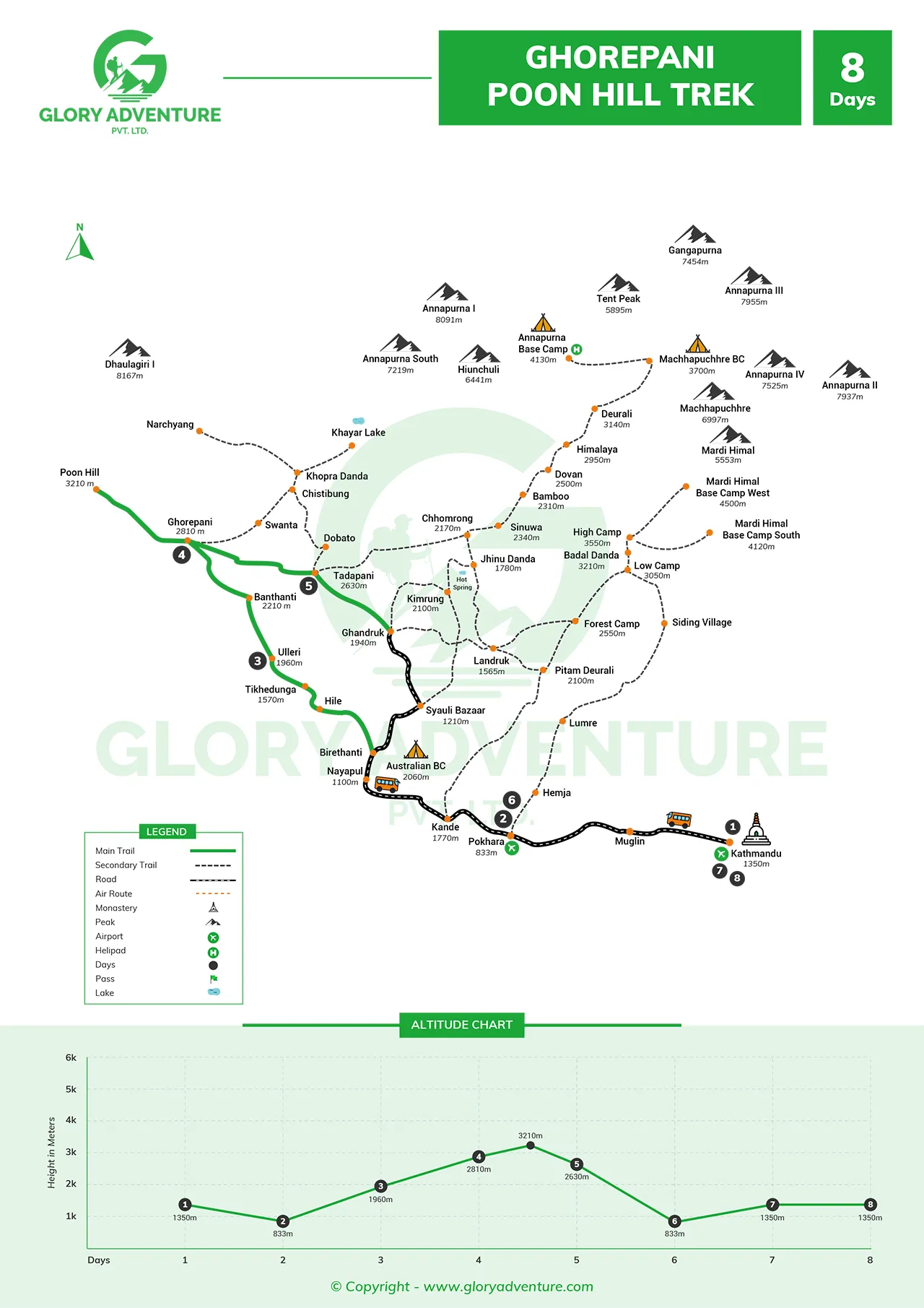
Route Map & Altitude Chart
Essential Information of Ghorepani Poon Hill Trek – 8 Days
A Typical Day – Ghorepani Poon Hill Trek
You will have joyous, unforgettable, and flawless memories during the 8-day trek of Ghorepani Poon Hill. Usually, your day starts with fresh mountain air, peaceful surroundings, and the chirping of birds.
After having a warm coffee and a delicious breakfast, our trek begins. You step into the world of natural beauty of Nepal – exploring the lush rhododendron forests, terraced fields, and traditional villages. All through the journey, you will walk at your comfortable pace, stopping wherever to capture the beauty of Nepal in your camera.
Around late morning, we will stop at a local tea house on the way. Here we will relax our feet with a sip of hot drinks. You will have lunch during the route. The menu will be delicious – Dal (pulses), Bhat (steamed rice), Tarkari (Seasonal Veggies), noodles, Mo: Mo, Chapatti, Vegetables soup, and more.
After resting for some time and soaking in the sun, our afternoon walk begins. Again, we will see the natural beauties, lush rhododendron forests, and diverse landscapes. You pass through villages, and playing children greeted you with a beautiful smile.
At the end of the day, we will arrive at the tea house where we will stay for a night. Here you will enjoy tasty meals along with a comfortable bed to relax your body and prepare for another day trip.
The Expectations – Ghorepani Poon Hill Trek
The Ghorepani Poon Hill trek offers gentle hikes in the Himalayas. The journey is ideal for people of all ages. As you begin your trek, you expect a manageable walking time, typically 4-5 hours a day.
The trails are well-maintained with both uphill and downhill, including stairs. The elegant villages, lush rhododendron forests, terraced farmlands, and mystic mountains make the trip more incredible. The maximum elevation is 3,210 meters, and there is a minimal chance of altitude sickness.
The main highlight of the trek is witnessing the magnificent sunrise view from Poon Hill. Furthermore, you will pass through villages – Ghorepani, Ulleri and Ghandruk. These places allow you to learn their cultures, traditions, and warm hospitality.
From the top of the hill, you will get the fabulous views of Annapurna I, Annapurna South, Dhaulagiri Ranges, Hiunchuli, Nilgiri, and Fishtail.
Throughout the journey, you can expect a comfortable stay and delicious meals at the tea houses. The rooms are clean, with comfortable twin beds, warm blankets, and a common dining hall.
The meals are healthy and tasty, often cooked by the local families who run the tea houses. It is a well-established, popular, and safe place with well-marked trails. It is a trek that refreshes your mind, body, and soul.
Ghorepani Poon Hill Trek – Difficulty Level
The Ghorepani Poon Hill trek is widely considered one of the most accessible and enjoyable treks of Nepal, ideal for beginners, families, and experienced trekkers as well.
The routes and villages – Tadapani, Ghandruk, and Ghorepani offer you a unique charm, allowing you to admire the traditional lifestyle, culture & values.
During the journey, you may get some uphill and downhill sections, but the overall difficulty remains moderate, which reduces the risk of accidents.
The trek does not involve hiking above 5,000 meters. The maximum elevation of the trek is 3,210 meters.
It is better to boost the body and engage in cardiovascular activities (swimming, jogging, running), at least 3-4 weeks before the trek. You’d better have 4-5 liters of water to cope with the changing weather and altitudes.
Choose the best season, like Spring (March-May) and Autumn (Sep-Nov), to make your journey remarkable.
Preparations for the Ghorepani Poon Hill Trek
Whether a long, strenuous trek or short, moderate hikes, you need a thoughtful plan and preparation to conclude the trek. The Ghorepani Poon Hill trek preparation includes proper physical fitness, appropriate gear & equipment, necessary permits, your travel insurance, and more.
Before the trek commences, it is essential to build basic fitness. You may be involved in cardiovascular activities such as cycling, swimming, and jogging. If you are a beginner, practise short hikes before the trip. It will be beneficial for you during the trek.
You’d better have travel insurance that will be helpful in several ways (emergency evacuations, medical bills, flight delays, and baggage losses).
You must take the necessary permits. Furthermore, booking in advance will be helpful because the trip is packed in the peak season– Autumn and Spring.
It is advisable to consult your doctor before the trip. Kindly avoid the trip if you have any health issues – asthma, allergies, bronchitis, or shortness of breath.
Here are some significant points
- Pack the essentials (footwear, fleece, warm jacket, water bottles, small first aid kit, sunscreen, and sunglasses)
- Acclimatisation plays a key role – walk slowly and steadily, do not be in a hurry
- Choose the ideal season if you are a beginner – Autumn (Sep-Nov), Spring (March-May)
- Increase your water intake and keep yourself hydrated.
Altitude Sickness and Prevention
The Ghorepani Poon Hill has the highest point – 3,210 m. Therefore, it may not be the major concern of altitude sickness. Despite that, during the trek, the body gradually goes through uphill and downhill sections, and symptoms like nausea, vomiting, and headache may be seen. It is better to understand altitude sickness and how it affects your body to make your journey enjoyable and remarkable.
Staying hydrated is the best possible way to prevent altitude problems. You’d better start your trails from lower altitudes. Walk steadily and don’t be in a hurry; frequent short rests, especially during uphill walking.
Allow your body to adjust and cope with the changing weather and conditions. Eating warm & healthy foods helps to maintain your body’s energy level.
Avoid alcohol, cigarettes, and chewing tobacco while you trek. You’d better have preventive medicine – Diamox (Acetazolamide) to prevent altitude health problems.
Possibility of Ghorepani Poon Hill Trek for the beginners
The Ghorepani Poon Hill trek is the best option for the first-time trekker, and it is regarded as an easy-to-moderate trek. The routes and trails are manageable, low altitudes, and comfortable walking.
The maximum height of the trek is 3,210 meters. The journey will be accomplished within 4-5 days.
During the journey, the hikers will get to comfortable tea houses to eat, relax, and spend the night. All through the journey, you don’t have to carry heavy loads and logistics.
To make the journey effective, physical preparation is necessary for beginners and also for experienced trekkers.
Be prepared for the steep sections that you may experience during the journey. It is better to have insurance and the necessary permits.
Hiring a guide is not mandatory, but it is highly recommended. They will navigate you during the tour, especially when you’re on your first trek in Nepal.
Best Season – Ghorepani Poon Hill trek
Nepal has four seasons for trekking – Autumn, Spring, Winter, and Monsoon. The Ghorepani Poon Hill trek can be done year-round. However, selecting a comfortable season makes your trip wonderful.
Autumn (Sep-Nov) – It is the most popular time for the Ghorepani Poon Hill journey. The monsoon has just ended, and you will get the comfortable season to trek. During this time, the skies are clear. You will get the stunning views of Annapurna, Fishtail, and other mountains. The days are warm, the nights are pleasant and chilly, which makes it perfect for enjoying food in traditional hotels.
It is the season where you get a chance to celebrate major festivals of Nepal, Dashain (worshipping goddess Durga), and Diwali (festival of lights).
The surrounding atmosphere is calm and peaceful, and witnessing sunrise from Poon Hill will be special.
Spring (Mar-May) – Spring is another favourite season of trekkers. During this season, you will be glad to see the lush rhododendron forests – one of the main highlights. The weather remains mild, making it comfortable for the hikers. The views of the mountains are astounding, which makes your journey cheerful.
The most significant experience of witnessing sunrise from Poon Hill is remarkable. Aside from this, you will also learn the culture and traditions of Nepal through the festivals – Buddha Jayanti, Lhosar, & Holi (colour of festivals).
Winter (Dec-Feb) – Since Ghorepani is a low-elevation trek, it is also doable in winter. During this season, you will be glad to see the snow-capped mountains. The mornings will be majestic with occasional snowfall around Ghorepani.
The beginners can also trek in this season, but they need a proper plan & preparations. In winter, you will have a peaceful and less crowded journey compared to autumn and spring.
Monsoon (Jun-Aug) – The Monsoon season is the least good option for the Ghorepani Poon Hill trek. Due to the frequent rains, the trails can be slippery, with road blocks and many other obstacles. There are fewer travellers in this season; you may also get a lower price for accommodations compared to the other seasons.
Availability of Accommodations
You will get comfortable accommodations during the Ghorepani Poon Hill trek. When you are in Kathmandu and Pokhara, you will live in standard hotels. It will offer the amenities of attached bathrooms, deluxe rooms, room services, an in-house restaurant, free Wi-Fi, and more.
Since it is one of the most popular trekking trail routes, the trail is established with comfortable tea houses to stay in the villages –Tikhedhunga, Ulleri, Tadapani, or Ghandruk.
The tea houses offer their guests twin-sharing rooms, warm blankets & pillows. The atmosphere is homely, often run by the local families. However, the rooms will not be luxurious compared to Kathmandu and Pokhara. But the hospitality will be supreme, making your stay comfortable.
The costs of the tea houses are cheaper compared to Pokhara and Kathmandu hotels. It ranges from $10 to $15 USD per night. However, you have to pay a little extra amount for gadget charging and a hot shower.
Food & Meals – Ghorepani Poon Hill Trek
The majority of treks in Nepal offer healthy, delicious, and a variety of food to the trekkers. Your meals taste even better in the serene atmosphere. Dal, Bhat, Tarkari – the staple foods are the most famous meals you will get here. Below is the breakdown of food menus during the journey.
Breakfast (the energiser meal) – breakfast is the most important meal of the trek. It will be serving around 7-8 A.M.
Here is your breakfast item that you will enjoy during the trek
- Tibetan Bread
- Chapati & Vegetables
- Pancakes
- Muesli
- Boiled Eggs
- Toast
- Omelet
- Puri & Tarkari
- Milk Tea
- Black Tea
- Hot Lemon
- Ginger Tea
- Coffee
Lunch (the charger meal) – During the Ghorepani trek, you will have lunch at tea houses on the trek.
Here are some items for lunch
- Dal, Bhat, Veggies
- Dal, Bhat, Meat (chicken/mutton)
- Fried Rice
- Vegetable Fried Rice
- Vegetable Noodles
- Fried Noodles
- Vegetable & Cheese Pasta
- Macaroni
- Spaghetti
- Mo:Mo (chicken, buff, veg)
- Potato dishes
Dinner (the relaxing meal) – At the end of the day, you will eat mouthwatering and healthy foods at the tea houses. You will enjoy your dinner sharing with fellow trekkers in a communal dining area.
Here are the tasty items that you can enjoy before going to bed.
- Dal, Bhat, Tarkari
- Burger’s
- Pizza (chicken, mushroom, mixed)
- Chowmeen
- Thukpa
- Soups (Veg, Chicken, Tomato)
- Sherpa stew
- Desserts (rice pudding, apple pie, pastry)
Travel Insurance and its importance
Even for a moderate low-altitude trek, travel insurance is significant. The route of Ghorepani Poon Hill includes some remote locations, steeper ascents and descents, and 4-6 hours of walking.
Having a proper travel policy ensures that you are protected, safe, and secure in case something goes wrong during the journey.
One of the main advantages of the insurance is emergency evacuation. Although there is a lower chance of injury, accident, or other unexpected illness. If the situation becomes worse, the cost can be high.
Here are some significant points
- It provides medical coverage (hospital bills, medicine costs)
- In the case of altitude sickness or an emergency, having insurance is helpful for the emergency evacuation. Reimburses the money if the trip is cancelled.
- It protects you from unexpected circumstances.
- It compensates if your luggage is lost or damaged.
- Reduces financial risks
- A complete peace of mind during the trek
Permits & Necessary Documents
To trek Ghorepani Poon Hill, you need two permits: the Annapurna Conservation Area Permit (ACAP) and the Trekker’s Information Management System – TIMS Card.
Annapurna Conservation Area Permit (ACAP) – This permit is mandatory for everyone who enters the Annapurna region. The collecting fee is invested in the infrastructure & overall development and maintenance of the Annapurna area. It costs around 3,000 (NPR) for foreign trekkers. The SAARC nationals have to pay NPR 1,000.
Trekker’s Information Management System (TIMS) – It is also known as the TIMS Card; it is necessary to ensure the safety and security of the trekkers. It provides all the information about the travellers that will be helpful in case of any unforeseen incident or accident.
Poon Hill View Point Entrance Fee – There is a separate NPR 100 (small fee) for entry to the Poon Hill viewpoint.
You can easily obtain these two permits from the Nepal Tourism Board, Pokhara, or Kathmandu.
Remember, you must have passport-sized photographs and a copy of your passport to apply for these permits. You need to carry these permits, as they will be checked at Tikhedhunga, Ghorepani, and Ghandruk.
Extra Expenses
The Ghorepani Poon Hill packages include almost everything that you need during the tour. The visitors should prepare to pay for additional expenses related to their personal preferences, comforts, and needs.
One of the additional expenses is hot showers. In Pokhara and Kathmandu, a hot shower is complimentary. If you reach the higher altitudes, you have to pay a bit extra for it. Similarly, charging your gadgets and electronic devices is rarely free. Another expense is Wi-Fi or data access. The internet is available in every stop – Ulleri, Tadapani, Ghorepani, but you have to pay a small amount for it.
The company is not liable to pay for your alcoholic drinks and extra beverages. As you ascend, the food & beverages are expensive due to the high transportation cost.
Energy bars, chocolates, and extra snacks are not included in the itinerary list. Tipping the guide, driver, and porter during the journey is not mandatory; however, it is appreciated and standard practice.
Shopping and buying souvenirs are your personal choices. Similarly, extra transportation and personal rides are not included in the packages.
Frequently Asked Question (FAQ’s)
The trek typically takes from 4 to 8 days. It depends on the route you choose to walk at your own pace and comfort. Many trekkers choose 7-8 days, which allows the trekkers to acclimatise, explore local villages, and admire the scenery without rushing.
Yes, a hot shower facility is available after the trek. You have to pay a little extra for it.
The ideal seasons are Autumn (Sep-Nov) and Spring (March-May). During these two seasons, the weather is perfect, with clear skies, mild temperatures, and perfect mountain visibility. Winter is quite possible. However, the monsoon is less preferred due to frequent rains.
You need two permits
- Annapurna Conservation Area Permit (ACAP)
- TIMS Card (Trekker’s Information Management System)
Both can be obtained in Kathmandu and Pokhara
There is a minimal chance of altitude sickness. The highest point is below the high-risk elevation zone. With a comfortable pace, you can successfully conclude the trek.
The ATM’s centre and money exchange counter are only available at Kathmandu and Pokhara. You’d better carry sufficient NPR cash to pay for food and drinks during the trek.
It is not a high-altitude trek above 5,000 meters. Despite that, travel insurance is necessary for trekkers. It helps you in many ways (emergency evacuation, medical expenses, lost luggage, and more).
A guide is optional but highly recommended. They have in-depth knowledge of the destinations. They also ensure your safety, socialise with local villages, and help with the logistics like accommodations, which will be useful during the trek.
Yes, mobile networks like NTC and NCELL work in most villages. You may also use Wi-Fi while staying in the tea houses by paying a fee.
After the 8 days of the trek, you may join another trek or adventure with Glory Adventure
- Everest Base Camp Trek
- Annapurna Base Camp Trek
- Annapurna Circuit Trek
- Mardi Himal Trek
- Langtang Valley Trek
- Kathmandu- Lumbini-Chitwan-Janakpur tour and more.
Trip Reviews on Ghorepani Poon Hill Trek – 8 Days

Price starts from
US$ 522
For group of minimum 3 Pax
US$ 550
Need Help?
Managing Director Saroj (+977-9806627713)
Related Trips

Saroj Sunar Travel Consultant
Looking for a Private Trip?
Say Hello to Your Travel Consultant
Planning your next getaway? Our travel specialists are ready to design a fully customized package tailored to your interests. If you need help or have any questions, feel free to connect with us—we’re here to guide you from start to finish.
Price starts
US$ 1140
✖
Free Trip Planner Talk to Mr. Saroj Sunar