Talk to Mr. Saroj
- Home
- Destination
- Nepal Trekking
- Annapurna Region
- Short Poon Hill Trek 3 Days
- Ghorepani Poon Hill Trek 4 Days
- Ghorepani Poon Hill Trek – 8 Days
- Annapurna Base Camp Heli Trek
- Short Annapurna Base Camp Trek- 6 Days
- Annapurna Base Camp Trek – 10 Days
- Annapurna Base Camp Trek Via poon Hill
- Short Mardi Himal Trek
- Mardi Himal Trek – 10 Days
- Ghorepani Poon Hill with Mardi Himal Trek
- Short Annapurna Circuit Trek
- Annapurna Circuit Trek with Tilicho Lake
- Annapurna North Base Camp Trek– 9 Days
- Khopra Ridge Trek
- Mohare Danda Trek – 9 Days
- Kori Himal Trek -10 Days
- Nar Phu Valley Trek with Kang La and Thorong La Pass- 17 Days
- Annapurna Region
- Travel Info
- Company
- Contact
 English
 Malay
Malay Dutch
Dutch Japanese
 Hindi
Hindi Italian
 Spanish
 French
 German
 Chinese
 Korean
 Arabic
 Hebrew
 Russian
 Portuguese
 Danish
 Czech
Czech Polish
 Swedish
 Plan Your Trip
 Bookings open for the 2026-2027 season! Start planning your dream journey.
Everest Base Camp Helicopter Trek – 12 Days

Need Help? 
Managing Director Saroj (+977-9806627713)

Duration
12 Days

Trip Difficulty
Difficult

Max Altitude
5,545m / 18,192ft

Activity
Trekking

Destination
Nepal

Group Size
2-20 People

Accommodation
Hotels & Teahouses

Meals
Breakfast, Lunch & Dinner

Transportation
Flight/Jeep
Highlights of Everest Base Camp Helicopter Trek – 12 Days
- Enjoy the ultimate combination of adventure and comfort with a scenic helicopter ride back.
- Have an exciting helicopter ride to Lukla, with breathtaking aerial scenes of the Himalayan landscape.
- Explore beautiful Sherpa villages and experience the rich culture and warm hospitality of the Everest region.
- Cross iconic suspension bridges across the river of Dudh Koshi that will give you even more excitement and a fantastic view of your trip.
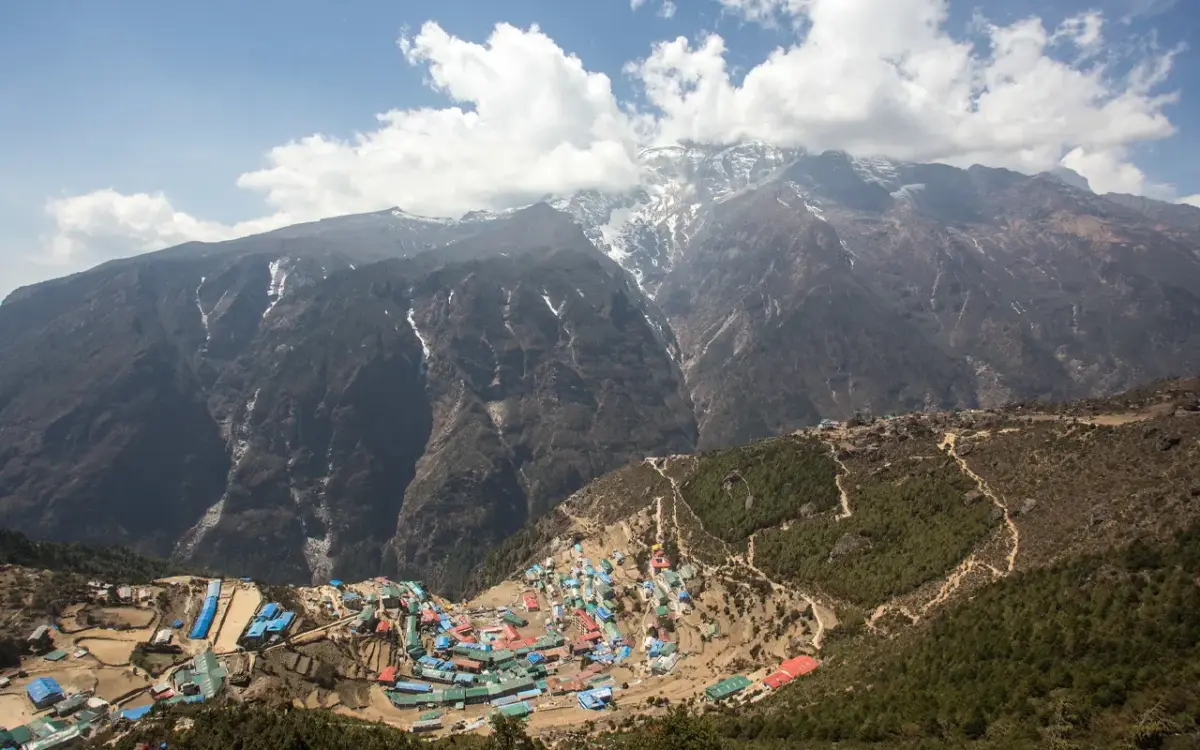
- Visit Namche Bazaar, the busy mountain town and the hub of the Khumbu region.
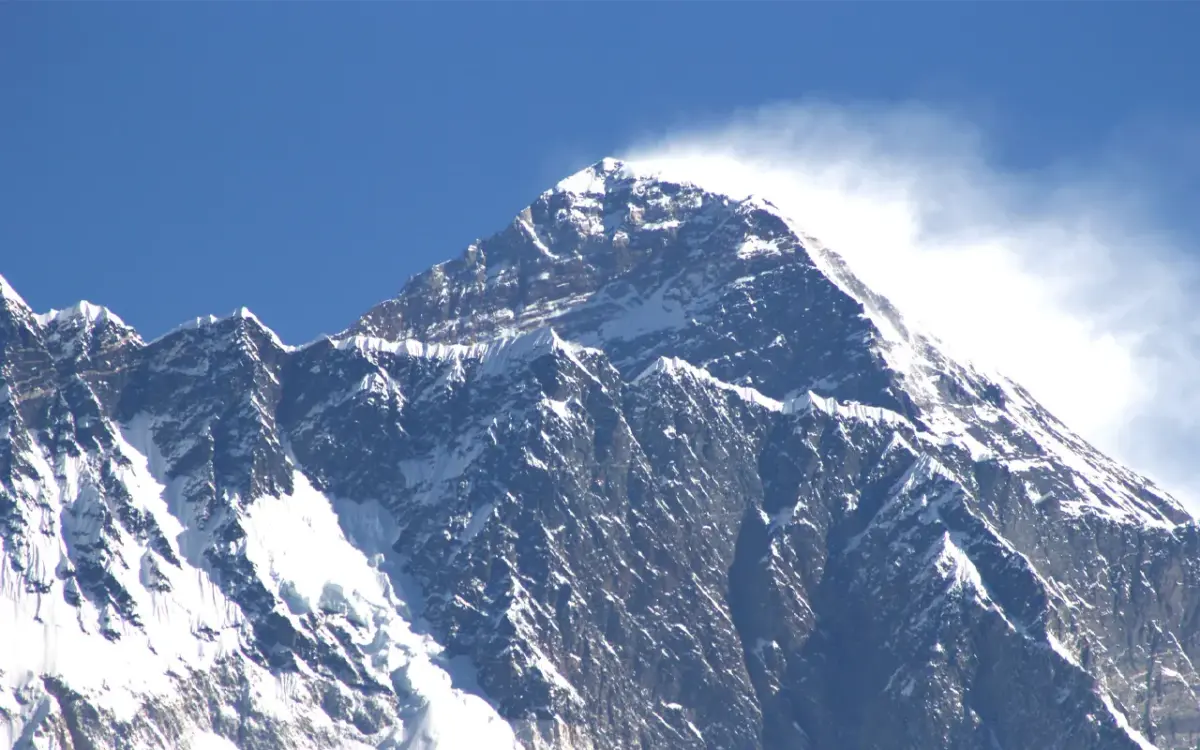
- See the breathtaking scenery of the Himalayan mountain ranges, such as Ama Dablam and Mount Everest, on the route.
- Explore the serene Tengboche Monastery, which is enclosed between mountains and spiritual air.
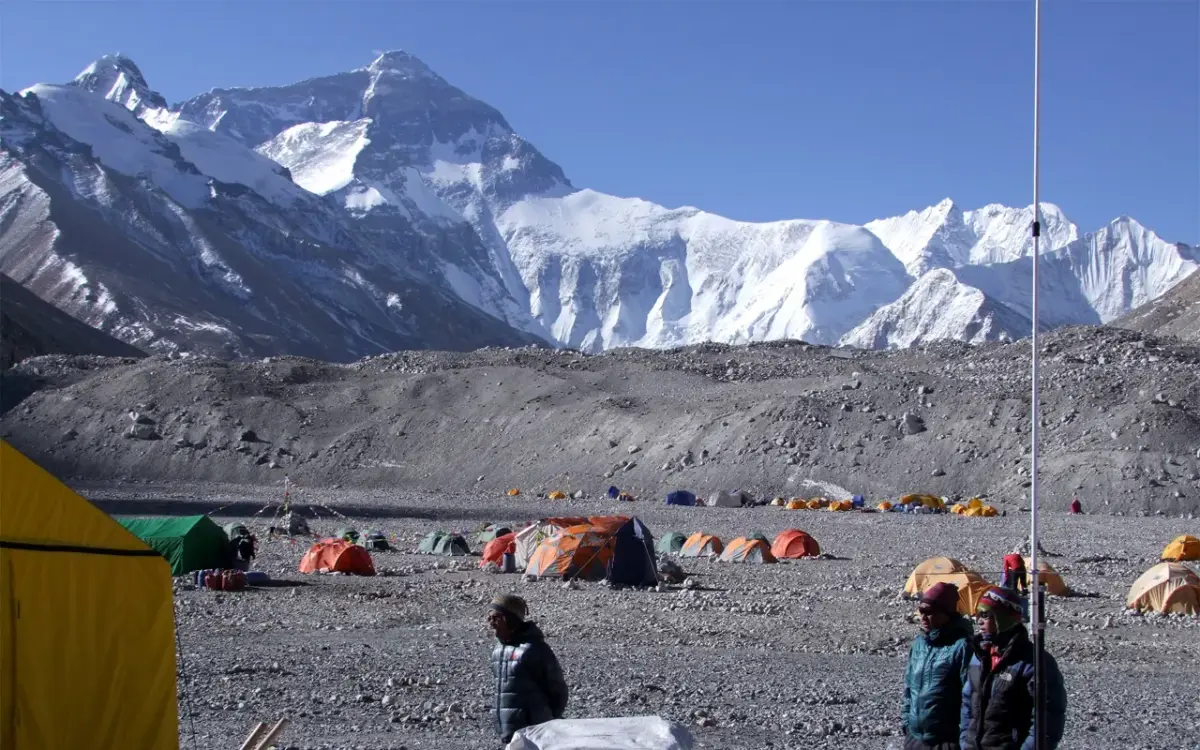
- Hike to Everest Base Camp 5,364 m (17,598 ft), a trekker’s dream destination.
- Hike to Kala Patthar (5,545 m 18,192 ft) to get one of the best sunrise views of Mount Everest.
Itinerary of Everest Base Camp Helicopter Trek – 12 Days
Day 01: Arrival in Kathmandu and a warm welcome
You arrive at Kathmandu, and you experience the vibrant Nepal. At the airport, the Glory Adventure members greet you and take you to your hotel. Once the check-in is done, you can take a rest, have water and recover after your journey.
You are then later introduced to your trekking guide in a briefing. The guide describes the Everest Base Camp Helicopter Trek, the itinerary and safety precautions. You also check your gear and ask questions that you might have.
You have a welcome dinner in the evening and get to taste the Nepali hospitality. It is preferable to make the evening free and go to bed early. A rest will assist your body to relax and get ready for the trekking days to come. This initial day is not complex and is crucial in getting acclimatized and prepared.

Activity & Duration
Arrival, briefing, gear check, 30–60 minutes transfers
Highest Altitude
1320m / 4,331ft (Kathmandu)
Meals
Welcome Dinner
Accommodation
HotelDay 02: Kathmandu Valley sightseeing and trek preparation
This day is a blend of cultural sightseeing and preparation for the trek. With a local guide, you see the key places of Kathmandu Valley after breakfast. You visit Pashupatinath, Boudha Stupa, Swayambhu Mahachaitya and Kathmandu Durbar Square. These sites demonstrate the way Hindu and Buddhist cultures influence everyday life in Nepal.
In the afternoon, you go back to your hotel to gear up for the trek. Your guide will inspect your equipment and will assist you in packing your duffel bag. You also verify the number of layers of clothing according to the weather. You may make last-minute purchases, such as a water bottle or gloves, in case of necessity.
During the evening, you pack your backpack and hydrate yourself. This day serves to alleviate stress before the trek and also provides a better insight into the culture of Nepal before venturing into the mountains.
Activity & Duration
Culture tour, trek orientation, final packing, 4–6 hours sightseeingHighest Altitude
1320m / 4,331ft (Kathmandu)Meals
BreakfastAccommodation
HotelDay 03: Helicopter flight to Lukla and trek to Phakding
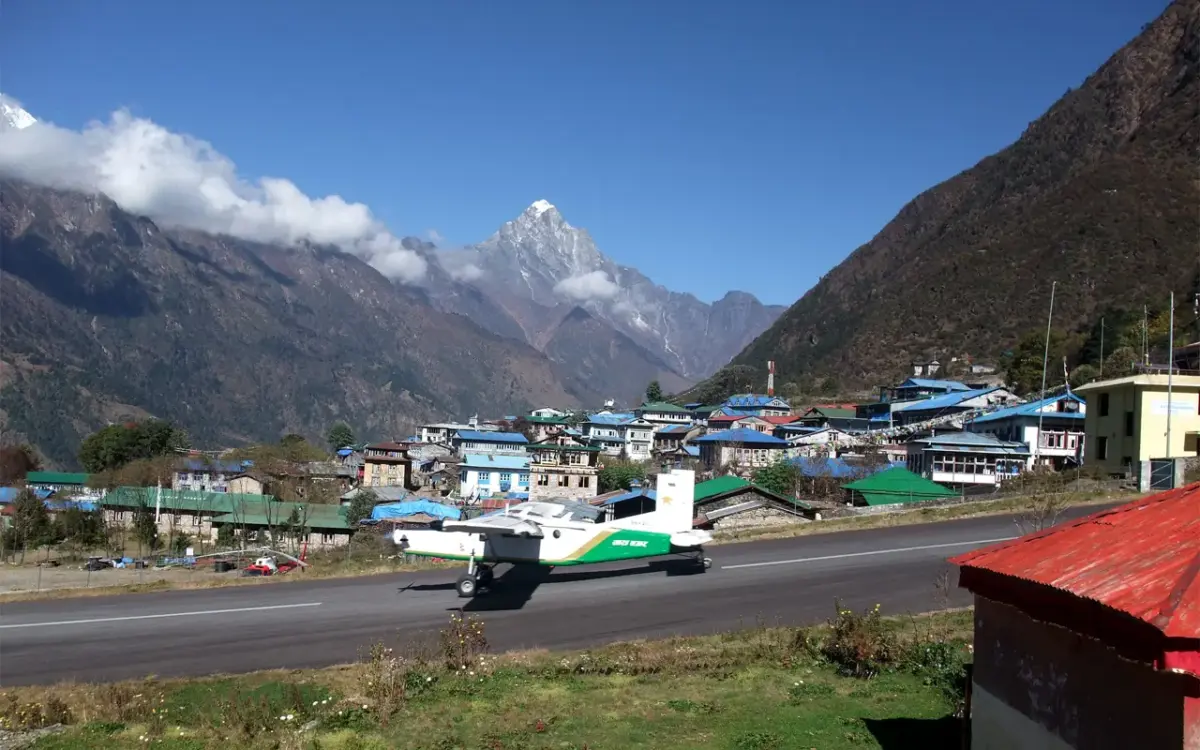
You will start with the scenic helicopter flight from Kathmandu to Lukla, with a trip taking approximately 35 minutes. The mountain scenery on the flight is beautiful. Upon arrival, you meet the support staff and porters.
Then you begin hiking to Phakding. The route goes along the Dudh Koshi River and through small villages, prayer wheels, and mani walls. The trail comprises small ascents and descents, so the first day of trekking is not a difficult one. You move slowly, breathe in, and admire the mountain air.
In the afternoon, you arrive at Phakding, where you have a rest and take a warm meal. The day will help your body acclimate to trekking and altitude. It establishes a relaxed pace to the trip to come and familiarizes you with the mountain setting.
Activity & Duration
Helicopter to Lukla, trek to Phakding, 3 hours trekkingHighest Altitude
2623m / 8,606ft (Lukla)Meals
Breakfast, Lunch and DinnerAccommodation
TeahouseDay 04: Trek from Phakding to Namche Bazaar
You go on to trek down the river after having breakfast. You pass through a number of suspension bridges and villages such as Benkar and Monjo. You also arrive at the checkpoint of the Sagarmatha National Park.
After lunch, the trail becomes steeper. You are already experiencing the impact of the increased altitude, and thus, you will walk slowly and keep a steady breath. You can have your first clear mountain views as you climb.
The last part leading to Namche Bazaar is tough but fulfilling. Namche is located in a natural amphitheater that is surrounded by hills. It has stores, bakeries, and a vibrant trekking ambiance.
This is a day of acclimatization. Before you climb higher, a good night’s rest here will assist your body to get used to the altitude.
Activity & Duration
Trekking, checkpoint, first major mountain views, 5 hours trekkingHighest Altitude
3440m / 11,286ft (Namche Bazaar)Meals
Breakfast, Lunch and DinnerAccommodation
TeahouseDay 05: Acclimatization day in Namche with Everest View Hotel hike
It is a great acclimatization day today during the Everest Base Camp Helicopter Trek. You have a leisurely morning in Namche Bazaar. You are able to go to local markets or a small museum and have a bakery.
You hike to the Everest View Hotel area after lunch. This hike is beneficial in making your body more adaptable to the increased altitude because it will climb in the day and then back to sleep at a lower altitude. On the way, you can get a glimpse of Ama Dablam and other Himalayan mountains, provided the weather is clear.
Have your dinner and rest at Namche. The rhythm is slow and regulated. Your guide makes sure that you do not overwork. Rest and hydration are extremely crucial.
This day enhances safety, and it makes you ready to climb higher. It also offers you beautiful early mountain scenery at no hurry.
Activity & Duration
Acclimatization hike, village exploration, 3 hours hikingHighest Altitude
3880m / 12,730ft (Everest View Hotel)Meals
Breakfast, Lunch and DinnerAccommodation
TeahouseDay 06: Trek from Namche Bazaar to Debuche via Tengboche
You walk out of Namche and take a scenic path where you have views of beautiful mountains. The trail slowly leads you to Phunki Tanga, where you have lunch.
You then hike up the mountain trails after lunch to Tengboche. This part needs to be paced. Tengboche is where you see the well-known Tengboche monastery and the serene environment.
You then head on to Debuche, where you spend the night. There will be both downhill and uphill walking in the day; therefore, energy management is essential.
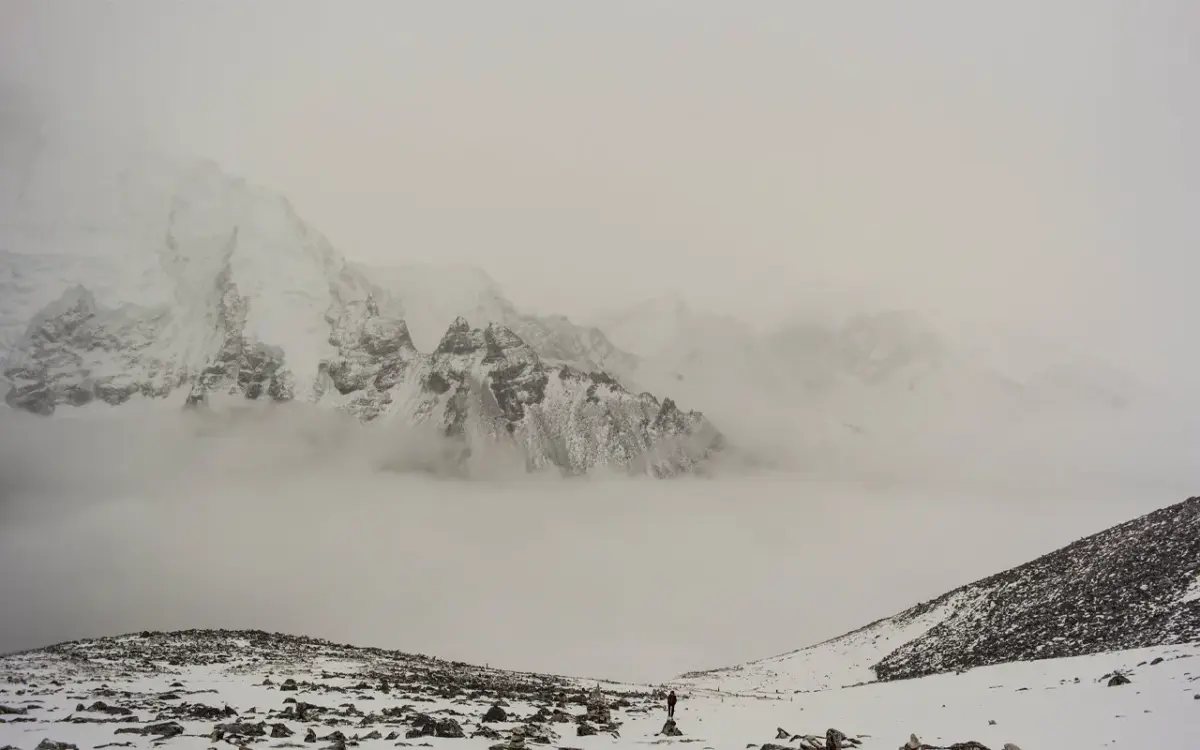
When one goes high up, temperatures are cooler, particularly during the night. This is the day when the forest zone is replaced with more alpine. Get a good rest and keep warm to get ready for the next part of the journey.
Activity & Duration
Trekking, monastery visit, forest trails, 6 hours trekkingHighest Altitude
3867m / 12,687ft (Debuche)Meals
Breakfast, Lunch and DinnerAccommodation
TeahouseDay 07: Trek from Debuche to Dingboche
In the morning, following breakfast, you keep on trekking through mani walls, chortens, and small villages. You take the Imja Khola and cross bridges into a larger valley.
The path is slowly ascending and the atmosphere is thinner. Your guide walks slowly and insists you drink water at intervals.
You get to Dingboche, which is a village that has stone walls, which shield crops against wind and animals. The scenery is rougher and more transparent.
The day is going to further acclimatize your body to high altitude and get you ready to start the following day of acclimatization. Maintain a peaceful evening, be warm, and sleep so that your body can adapt.
Activity & Duration
Trekking into higher valley terrain, village life, 6 hours trekkingHighest Altitude
4410m / 14,469ft (Dingboche)Meals
Breakfast, Lunch and DinnerAccommodation
TeahouseDay 08: Acclimatization day in Dingboche with a ridge hike
The second day of your acclimatization is today. You hike to a nearby ridge after breakfast, usually to about 5,100 m (16,732 ft).
The ascent is tough but gratifying. On the summit, you have views of the mountains and valleys around. This hike assists your body in adjusting to high altitude.
Following the increase, you go back to Dingboche to have lunch and rest. Another thing you can do is visit the village and see how people live.
Take the afternoon rest to re-hydrate, get your equipment ready, and get ready to deal with lower temperatures later. This day during the Everest Base Camp Helicopter Trek is important in mitigating the risks as you climb up the trek.
Activity & Duration
Acclimatization hike, recovery, hydration focus, 4 hours hikingHighest Altitude
5100m / 16,732ft (Ridge hike)Meals
Breakfast, Lunch and DinnerAccommodation
TeahouseDay 09: Trek from Dingboche to Lobuche
The walking today is a rougher one. You follow the Khumbu Khola trail as you walk toward Dhugla. The road gets rougher with the increase in altitude.
You go by memorials of climbers and local guides. This is a silent, significant space, and lots of people have to stop and think.
Then you go on to Lobuche, a little village on the glacier.
This is a day that may be physically tiring. One should take small steps, breathe regularly, and consume enough food. Your guide would keep an eye on your condition to keep you safe.
Activity & Duration
High valley trekking, memorial stop, glacier views, 7 hours trekkingHighest Altitude
4930m / 16,175ft (Lobuche)Meals
Breakfast, Lunch and DinnerAccommodation
TeahouseDay 10: Trek to Gorak Shep and hike to Everest Base Camp
The best thing about the Everest Base Camp Helicopter Trek is today. You move from Lobuche to Gorak Shep in the rocky and open lands. You have lunch and then get ready to hike the last one.
You then trek to Everest Base Camp at 5,364 m (17,598 ft). The route is bumpy and traverses through glaciers. Thou dost walk soberly along.
At Base Camp, you stand beside the Khumbu Glacier and fully experience the moment. You spend some time there and then come back to Gorak Shep, where you spend the night.
It is a tedious day, but a rewarding one. Keep hydrated and inform your guide of your condition.
Activity & Duration
Trekking, reach Base Camp, return to Gorak Shep, 8 hours trekkingHighest Altitude
5364m / 17,598ft (Everest Base Camp)Meals
Breakfast, Lunch and DinnerAccommodation
TeahouseDay 11: Sunrise hike to Kala Patthar and helicopter flight to Kathmandu
You wake up early and hike to Kala Patthar at 5,545 m (18,192 ft). The ascent is not very long but rather hard because of the height and the cold climate.
On the summit, you view a gorgeous sunrise on the mountain of Everest and other mountains around it. You can have breakfast and then go down to Gorak Shep after a good sightseeing.
You later fly back to Kathmandu in a helicopter. The aircraft gives spectacular overhead views of the Himalayas.
The end of your journey of trekking is this day. You get back to the city with much comfort and sleep in your hotel.
Activity & Duration
Sunrise hike, helicopter return to Kathmandu, 2–3 hours hike + helicopter flightHighest Altitude
5545m / 18,192ft (Kala Patthar)Meals
BreakfastAccommodation
HotelDay 12: Farewell and departure
You take breakfast and prepare to leave. The crew makes your transfer to the airport according to the time of your flight.
You can visit Kathmandu if you have more time, you can buy souvenirs, or you can take a rest before you go.
This last day will be slow and easy. It is the end of your Everest Base Camp helicopter trek experience that is arranged and comfortable.
Activity & Duration
Departure or optional extension planning, 30–60 minutes transfersHighest Altitude
1320m / 4,331ft (Kathmandu)Meals
BreakfastIncludes / Excludes of Everest Base Camp Helicopter Trek – 12 Days
What is included?
- Airport transfer and drop-off in Kathmandu.
- Helicopter ride from Kathmandu to Lukla and back to Kathmandu from Gorakh Shep.
- Experienced trekking guide and porter during the trek.
- Accommodation in tea-houses during the trek.
- Accommodation in Kathmandu according to the itinerary.
- All the necessary permits, such as Sagarmatha National Park and Khumbu permits.
- Simple safety provisions of a first-aid kit and oxygen with the guide.
What is excluded?
- Airfare from and to Nepal.
- Nepal tourist visa charges.
- Personal travel insurance (high-altitude and emergency evacuation cover)
- Tips for guides, porters, and drivers.
- Personal costs like snacks, beverages, Wi-Fi, hot showers and charging.
- Personal trekking gears, either purchase or rent.
- Additional hotel accommodation and meals in Kathmandu because of delays or weather conditions.
Essential Information of Everest Base Camp Helicopter Trek – 12 Days
Weather and Best Season of the Everest Base Camp helicopter Trek
The weather is a significant factor in the organization of the Everest Base Camp Helicopter Trek. The best seasons are spring (March to May) and autumn (September to November). The spring is generally a stable period, with the addition of more time with the sun and pleasant weather at lower altitudes. Autumn is a season with a clear sky after the monsoon, making it a good time to take pictures of the mountains.
The monsoon season (June to August) is characterized by rain and clouds, which may interfere with visibility and postpone flights. The winter (December to February) is colder and may have snow and fluctuating weather conditions.
Glory Adventure assists in making plans according to seasonal factors; however, the weather in the mountains may shift very rapidly. Layering up and keeping buffer days are ways to make the Everest Base Camp Helicopter Trek experience as smooth and pleasant as possible.
Difficulty and Altitude Sickness on the Trek
Everest Base Camp Helicopter Trek is rated moderate to difficult. It is a combination of multiple days of trekking and exposure to high altitudes. You reach Everest Base Camp at 5,364 m (17,598 ft) and Kala Patthar at 5,545 m (18,192 ft).
The major problem is the issue of altitude sickness, particularly above 2,500 meters. The symptoms can be a headache, dizziness, or fatigue. The itinerary has acclimatization days in such places as Namche and Dingboche to minimize the risk. Such rest days allow your body to adapt slowly.
You need to move slowly, consume as much water as you can, and pay attention to your body. Inform your guide in case you are unwell. With appropriate acclimatization and awareness, most of the trekkers can accomplish the Everest Base Camp Helicopter Trek journey safely and comfortably.
Insurance, Visa and Permits for the Trip
There are certain documents you should get organized before starting the Everest Base Camp Helicopter Trek.
Travel insurance is obligatory and must include high-altitude trekking and emergency helicopter evacuation. This offers protection, both financial and safety throughout the trip.
Nepal provides tourist visas at the point of entry. Depending on how long you will stay, you can opt to stay for varying periods. Passport photos and visa fees must be paid when taking the visa.
To trek, two permits are required, namely, the Sagarmatha National Park entry permit and the Khumbu Pasang Lhamu Rural Municipality permit. These are essential in getting into and trekking in the Everest region. Glory Adventure will obtain these permits on your behalf.
Rules may evolve, and that is why it is better to verify the details before your Everest Base Camp Helicopter Trek journey and get all the papers ready.
Training, Fitness Level, and Mental Preparation
The Everest Base Camp Helicopter Trek will be more enjoyable and safer with proper preparation. You are not required to be an athlete, but you need to have good stamina. The trek involves days of long walks, as many as 8 hours.
Start training at least 8 weeks before your trip. Concentrate on such activities as hiking, walking, or cycling. Building up your legs and core is useful in the uphill and downhill parts. Train with a daypack on, and put on your trekking boots.
It is also necessary to prepare mentally. It is cold, and facilities are basic at higher levels. The relaxed and easy-going attitude makes you adapt to changes.
Staying consistent, walking at a good pace, and observing the conditions in the high altitude are some of the few things that make many trekkers complete the Everest Base Camp Helicopter Trek journey successfully.
Risk Factors on the Trek
Some of the natural risks experienced during the Everest Base Camp Helicopter Trek are associated with weather and altitude. The weather is unpredictable and can vary heavily within a short time, and this might influence the comfort of trekking and the schedule of helicopter flights. The delays may occur in the case of poor visibility or strong winds.
Trail hazards also include falling on rocky trails, cold, sunburns, or dehydration. These risks can be mitigated by walking slowly, wearing the appropriate gear, and maintaining hydration.
The other issue is altitude sickness, which increases with the elevation. You must go at a slow pace and feel what your body is saying.
As long as there is proper guidance, preparation, and awareness, most of the risks can be controlled, and thus, the Everest Base Camp Helicopter Trek journey can be safe and rewarding.
Health and Safety
During the Everest Base Camp Helicopter Trek, health and safety are extremely crucial. It is important to keep hydrated as the dry mountain air may dehydrate one very fast. You need to hydrate yourself by taking water frequently and consuming food in adequate amounts so that you are full of energy.
Hygiene is helpful in avoiding stomach problems. Wash your hands frequently or apply sanitizer before eating. Use safe drinking water, which is boiled or purified water.
The awareness of the altitude is also important. Monitor such symptoms as headache, nausea, and difficulty breathing. Inform your guide in case you feel unwell.
Carry a first aid kit and personal medicines. Simple everyday routines and good care would help you to remain healthy and experience the Everest Base Camp Helicopter Trek without any problems.
Transportation
The mode of transportation in the Everest Base Camp Helicopter Trek comprises ground transportation, helicopter, and trekking. Transfers are also done between Kathmandu airport and the hotel, and for sightseeing activities.
You take a 35-minute helicopter ride between Kathmandu and Lukla. Upon successful completion of the trek, you use a helicopter to return from the Everest region. This is time-saving, and it does not involve repetitive trekking days.
The trek is done on foot; the porters will carry heavier luggage between villages. Your guide does day to day logistics and timing.
Helicopter flights are weather-dependent and therefore flexibility is a factor. This combination of travel methods makes the Everest Base Camp Helicopter Trek smooth, efficient, and comfortable.
Extra Expenses on the Everest Base Camp Helicopter Trek
Despite a carefully designed Everest Base Camp Helicopter Trek, there are certain personal costs that you are likely to face.
Typical additional charges are snacks, hot showers, Wi-Fi, charging gadgets, and beverages in teahouses. The prices tend to be high at high altitudes since the supplies are being transported by the porters or even the animals. You can also use the money in Kathmandu to buy equipment like gloves or jackets in case of necessity.
Nepal rupees are better kept in small amounts to be used on a daily basis. Sudden shifts in weather may also cause an additional stay in the hotel. Plan a small emergency budget that can be used to minimize stress.
Wise management of these additional expenses will enable you to have a comfortable time during the Everest Base Camp Helicopter Trek without any unexpected financial inflows during the trip.
Language and Communication
The communication in the Everest Base Camp Helicopter Trek is not very complex, and it is friendly. The national language is Nepali, although in trekking regions, most people speak simple English. The Everest region will also speak Sherpa and Tibetan-influenced dialects.
The Glory Adventure guides assist in translation and everyday communication and make it easier to spend time in the country. They help in placing orders, booking rooms, and comprehending the local traditions.
Conversations on the trail are straightforward and pragmatic, with a subject matter of speed, food, and health. Positive relationships are formed with the help of little local greetings such as Namaste.
This is a human factor that makes the Everest Heli Trek warmer and makes the trip more purposeful than merely arriving at the destination.
Mobile Network, Internet, and Charging Facilities
Mobile and internet services are limited but available in the Everest Base Camp Helicopter Trek. It has better network coverage in low places such as Namche Bazaar at 3,440 m (11,286 ft). The signal is weaker or unavailable at the higher elevations.
Wi-Fi in the lodges is used by many trekkers, and it is, in most cases, paid and slower at higher elevations. Also, the charging gadgets are an added expense since lodges use solar power or power that is scarce.
Carrying a power bank and keeping devices warm is helpful because in cold conditions, power is consumed faster by batteries.
Although an internet connection is possible, a lot of travelers prefer to disconnect and spend time in nature. The balance aids in keeping you there and enjoying the beauty of the mountains.
Don’ts on This Trek
To be safe and respectful, there are some essential points to be taken into consideration during the Everest Base Camp Helicopter Trek. Do not litter or pollute water sources. Always keep your garbage and dispose of it in its place.
Do not hurry the journey. Rushing to high altitudes raises the chances of altitude sickness particularly in higher altitudes such as 5,364 m (17,598 ft). Take your time and give your body time to get used to it.
Appreciate local culture by adhering to traditions in monasteries and villages. Take off shoes where necessary and seek permission before taking pictures.
You should not consume alcohol and smoke at high altitudes because it influences your health. Being conscious of such aspects can make your trip safer and more pleasant.
Cultural Festivals on the Trail
The Everest region is rich in terms of culture. Depending on the time of the year you visit, you might be able to attend some traditional events such as Mani Rimdu, which is usually organized in and around Tengboche. This festival has masked dances and religious ceremonies.
The other notable festival during the Everest Base Camp Helicopter Trek is the Losar, the Sherpa New Year, which typically takes place in either February or March. Families meet, visit monasteries, and eat together. Community rituals are also observed by some villages in celebrating Dumji.
Cultural aspects, including prayer flags, mani stones, and monasteries, will be seen daily, even in the absence of festivals. It provides more experience to the 12-day Everest Base Camp Trek and helps to experience the local traditions on the way.
Tips for First-Time Nepal Visitors
If this is your first time in Nepal, proper preparation will make your Everest Helicopter Trek smoother and easier. Carry passport-sized photographs and prepare for the visa process at the airport. Pack clothing for both warm city weather and cold mountain conditions above 4,000 meters (13,123 ft).
Bring Nepalese rupees to use in the trail since ATMs are not found in rural locations. Bring necessities such as a reusable water bottle and the water purification tablets.
Show appreciation for the local culture by dressing decently and greeting with Namaste.
Above all, be flexible. Mountain weather changes fast, and plans can change. A patient attitude will make you enjoy the trek to the fullest and in a comfortable way.
Frequently Asked Question (FAQ’s)
You dont not need any previous experience of trekking, yet good physical health and an aptitude to walk for some hours a day are highly advised.
Helicopter flights are subject to the weather conditions, particularly visibility and wind, thus they may be delayed or rescheduled due to safety considerations.
Basic teahouses with twin-sharing rooms, simple beds, and shared bathrooms are provided and are more primitive at higher elevations.
In Namche Bazaar, there are simple medical facilities, but as one moves up the mountain, the facilities are few, and there is a high likelihood of one carrying their own medication.
Teahouses serve an array of food, such as local Nepali foods, soups, rice, noodles, and basic Western foods that trekkers would find satisfactory.
You can drink water by using boiled water, purification tablets, or bottled water, but purification methods are recommended for sustainability.
Depending on the agreed weight sharing between two trekkers, porters usually carry up to 20 to 25 kilograms, so every individual has to carry a weight that is agreed upon.
Solo travelers have the option of taking part in group departures or booking personal trips based on availability and individual choices regarding the trip.
A booking of at least two to three months is advisable in advance, particularly during the high season of trekking, to increase the chances of availability.
The ATM is available in Kathmandu and Namche Bazaar, although it is not always reliable, so it is necessary to carry enough cash.
In case a trekker is unable to proceed, guides organize the required help, such as descent or emergency evacuation, on the basis of circumstances and the seriousness.
Tipping is optional, but in Nepal, it is a normal custom to reward the guides and porters who assist you in your trek.
Electronic devices can be charged at teahouses at an additional fee, particularly in high altitudes where the supply of electricity is minimal and solar-powered.
Permits are required at entry points and checkpoints, including national park and local permits needed for trekking in the Everest region.
Yes, there can be a change of the itinerary under the weather, health conditions, or operational conditions, which will guarantee the safety and the improved experience of the trek.
Trip Reviews on Everest Base Camp Helicopter Trek – 12 Days

Need Help?
Managing Director Saroj (+977-9806627713)
Saroj Sunar Travel Consultant
Looking for a Private Trip?
Say Hello to Your Travel Consultant
Planning your next getaway? Our travel specialists are ready to design a fully customized package tailored to your interests. If you need help or have any questions, feel free to connect with us—we’re here to guide you from start to finish.
✖
Free Trip Planner Talk to Mr. Saroj Sunar