Talk to Mr. Saroj
- Home
- Destination
- Nepal Trekking
- Annapurna Region
- Short Poon Hill Trek 3 Days
- Ghorepani Poon Hill Trek 4 Days
- Ghorepani Poon Hill Trek – 8 Days
- Annapurna Base Camp Heli Trek
- Short Annapurna Base Camp Trek- 6 Days
- Annapurna Base Camp Trek – 10 Days
- Annapurna Base Camp Trek Via poon Hill
- Short Mardi Himal Trek
- Mardi Himal Trek – 10 Days
- Ghorepani Poon Hill with Mardi Himal Trek
- Short Annapurna Circuit Trek
- Annapurna Circuit Trek with Tilicho Lake
- Annapurna North Base Camp Trek– 9 Days
- Khopra Ridge Trek
- Mohare Danda Trek – 9 Days
- Kori Himal Trek -10 Days
- Nar Phu Valley Trek with Kang La and Thorong La Pass- 17 Days
- Annapurna Region
- Travel Info
- Company
- Contact
 English
 Malay
Malay Dutch
Dutch Japanese
 Hindi
Hindi Italian
 Spanish
 French
 German
 Chinese
 Korean
 Arabic
 Hebrew
 Russian
 Portuguese
 Danish
 Czech
Czech Polish
 Swedish
 Plan Your Trip
 Bookings open for the 2026-2027 season! Start planning your dream journey.
Annapurna North Base Camp Trek– 9 Days

North Annapurna Base Camp Trek Picture
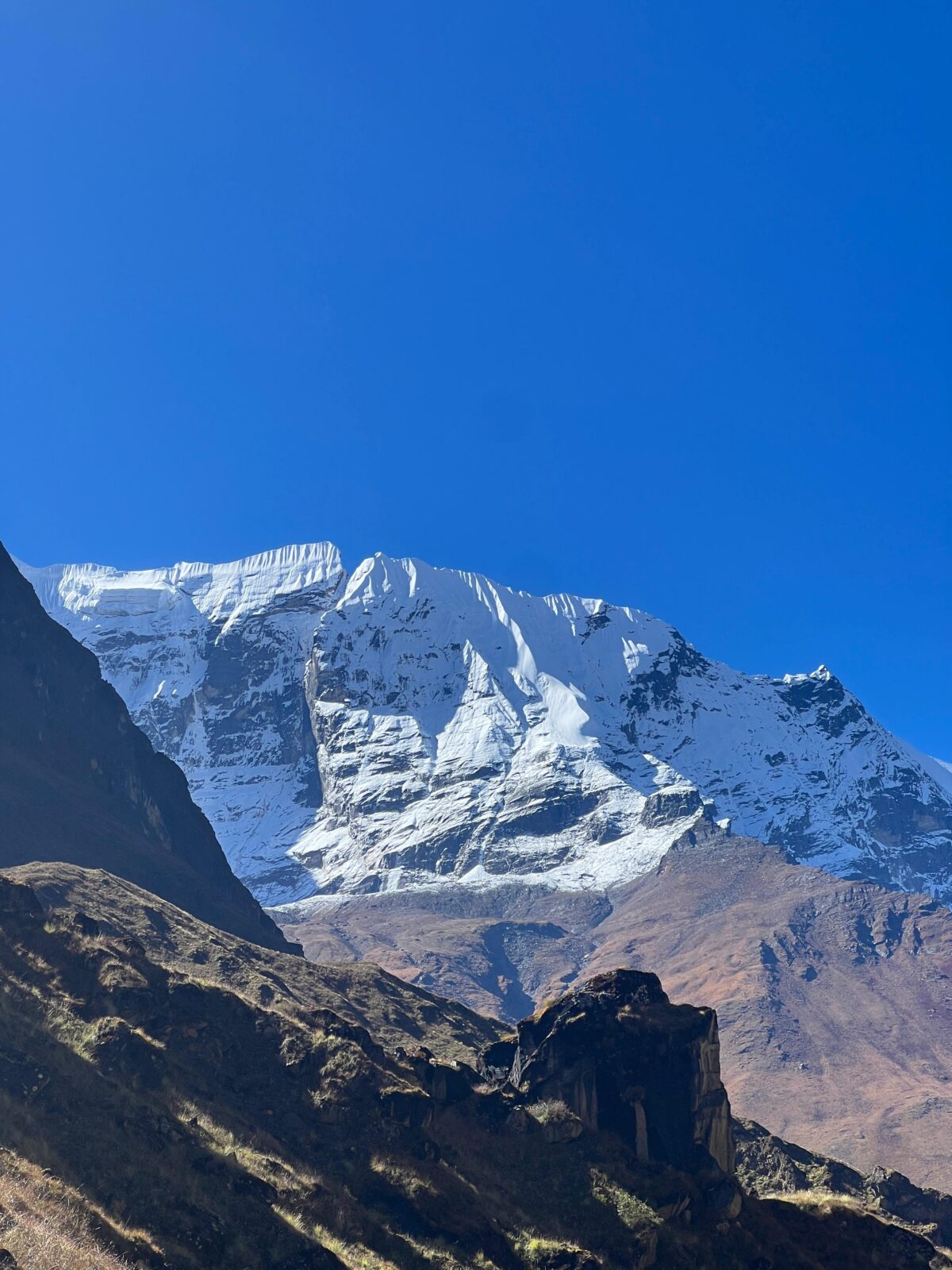
Mountain from Noth Annapurna basae camp
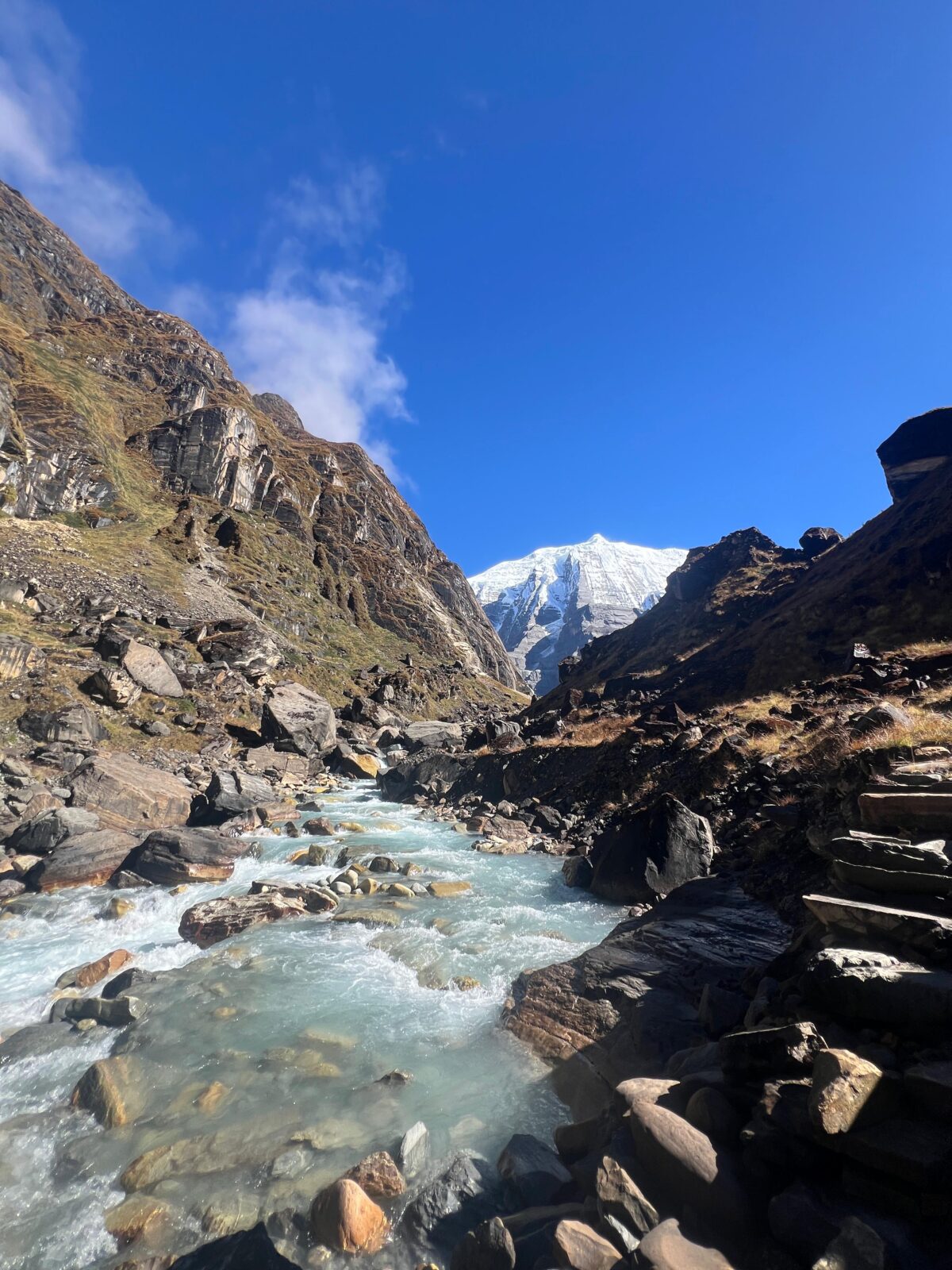
View with Mountain
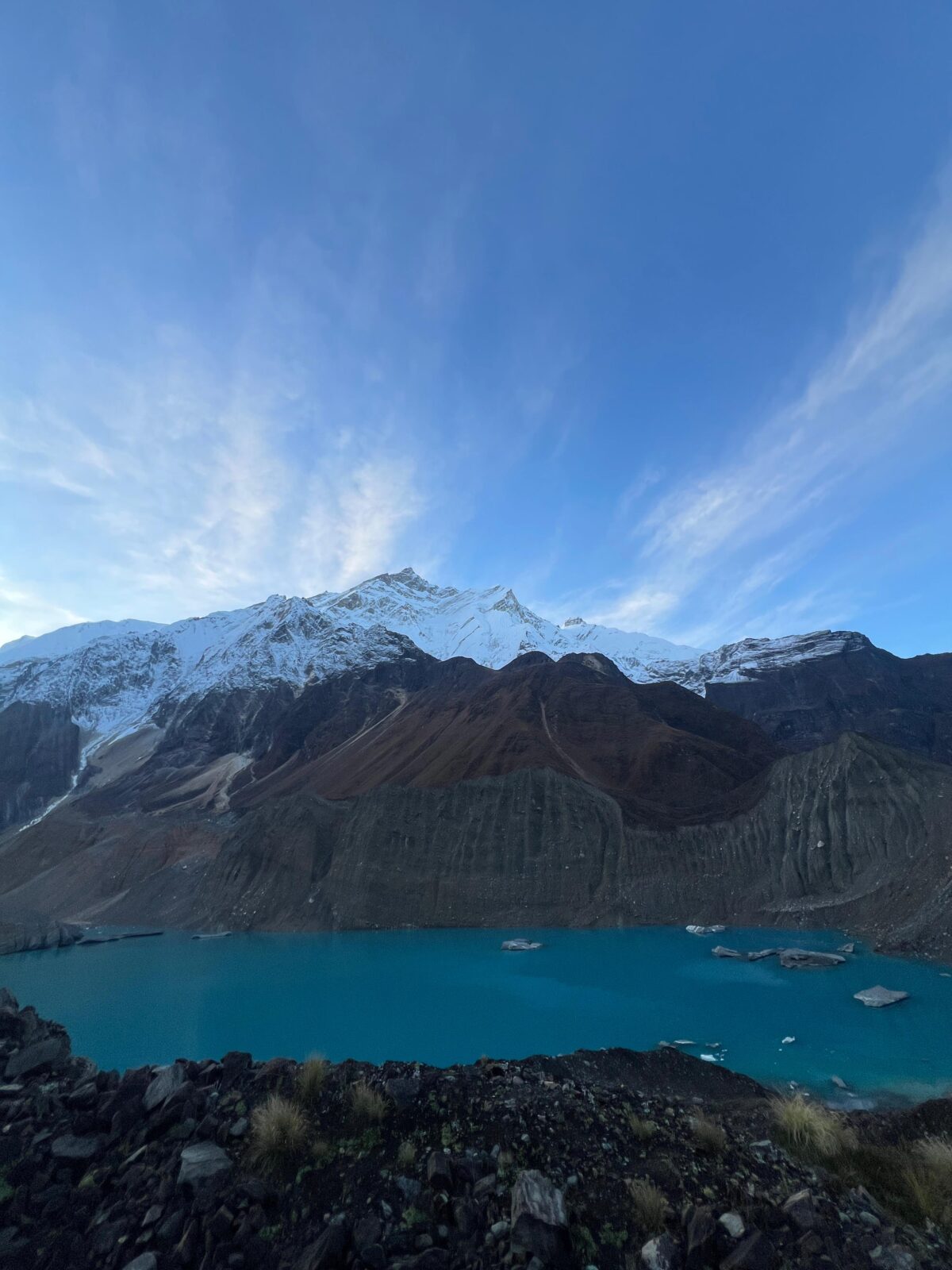
Pachpokhari lake
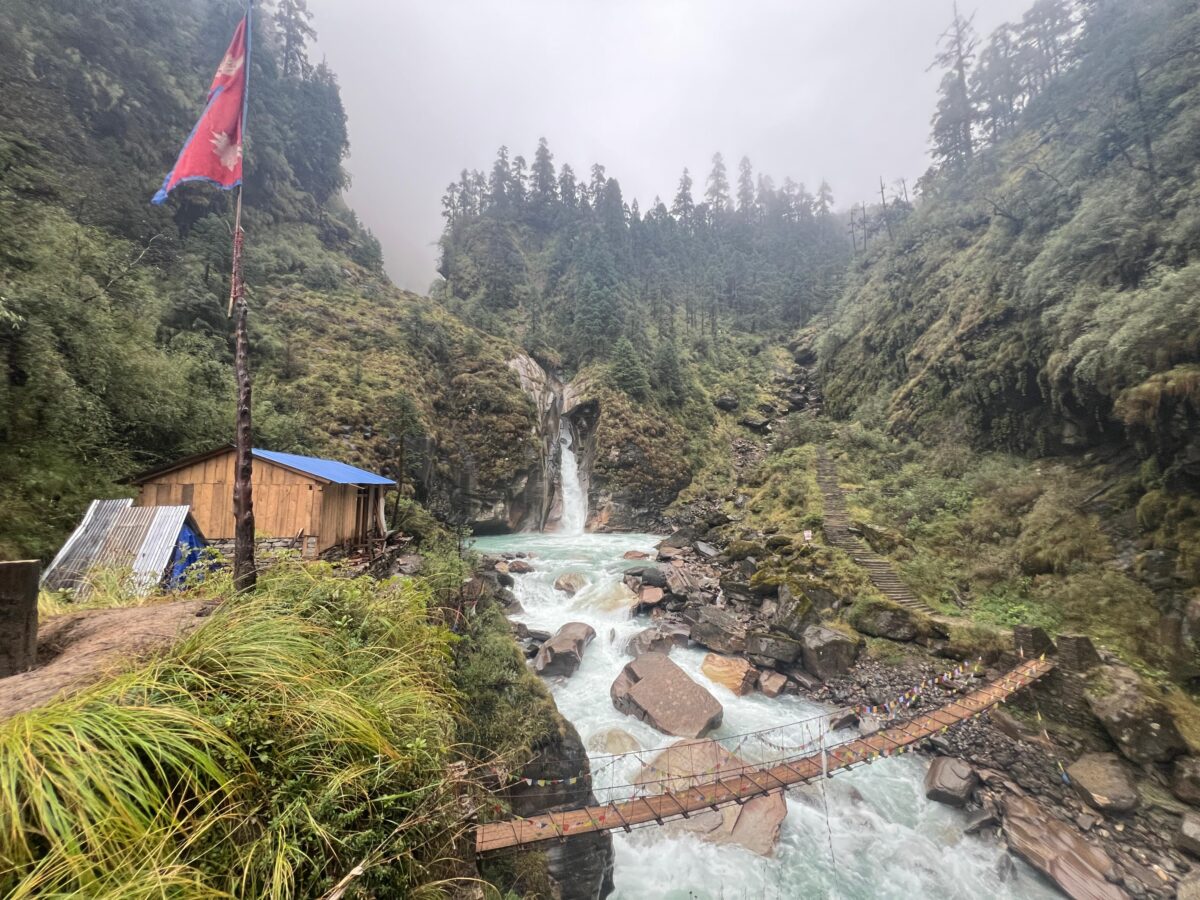
Good waterfalls views of the brige
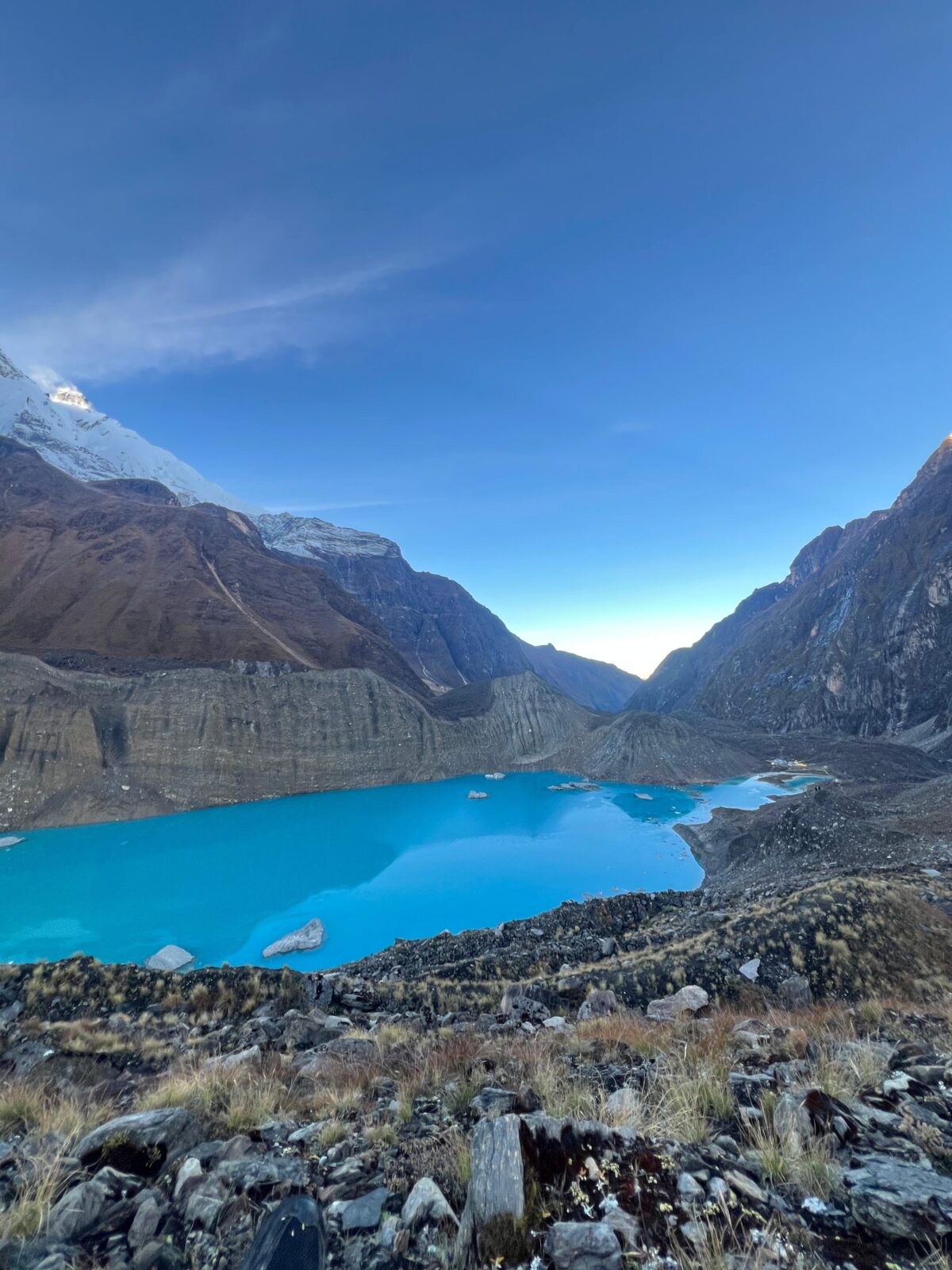
Lake of the mountain
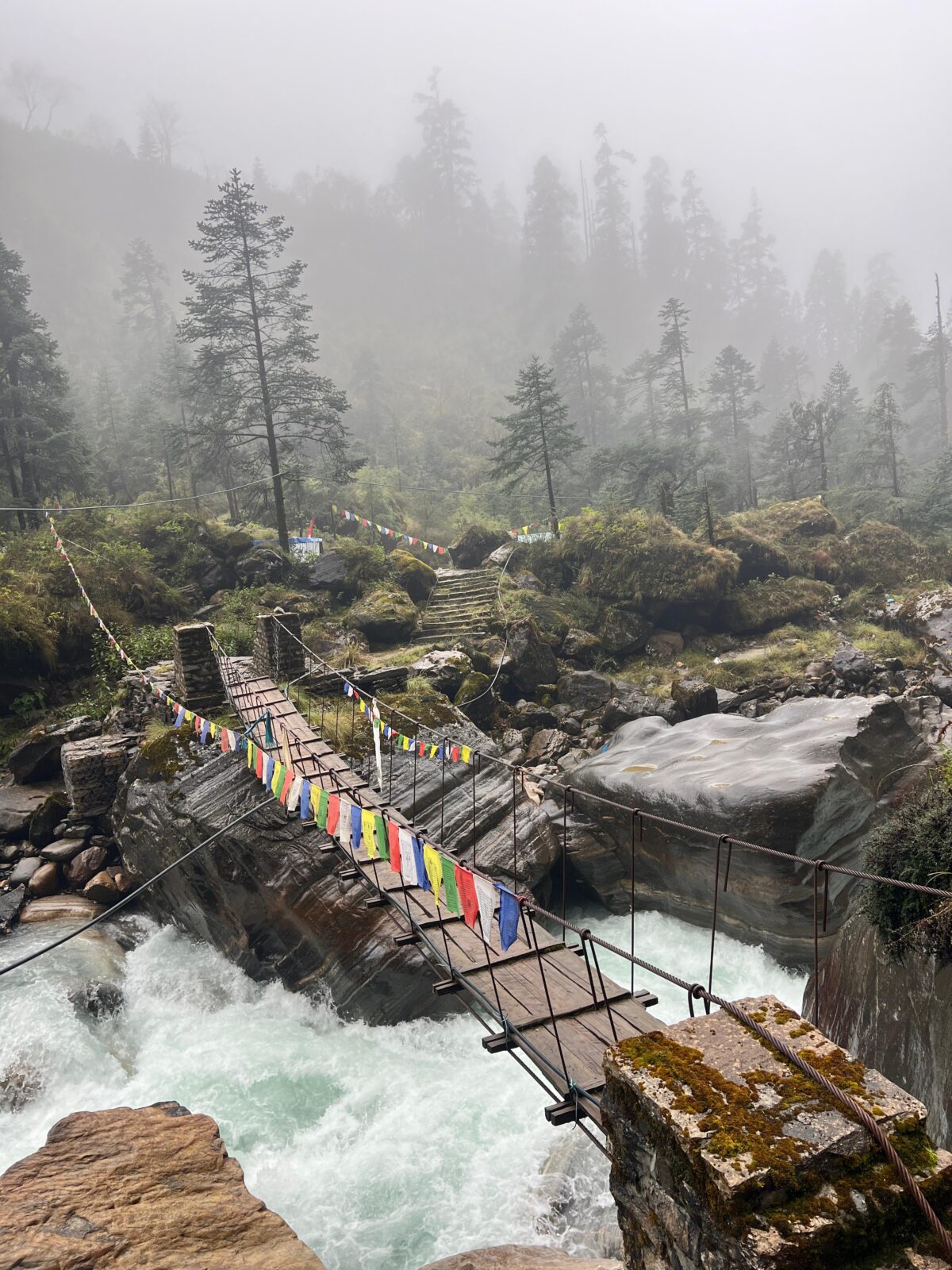
Mountain Brige
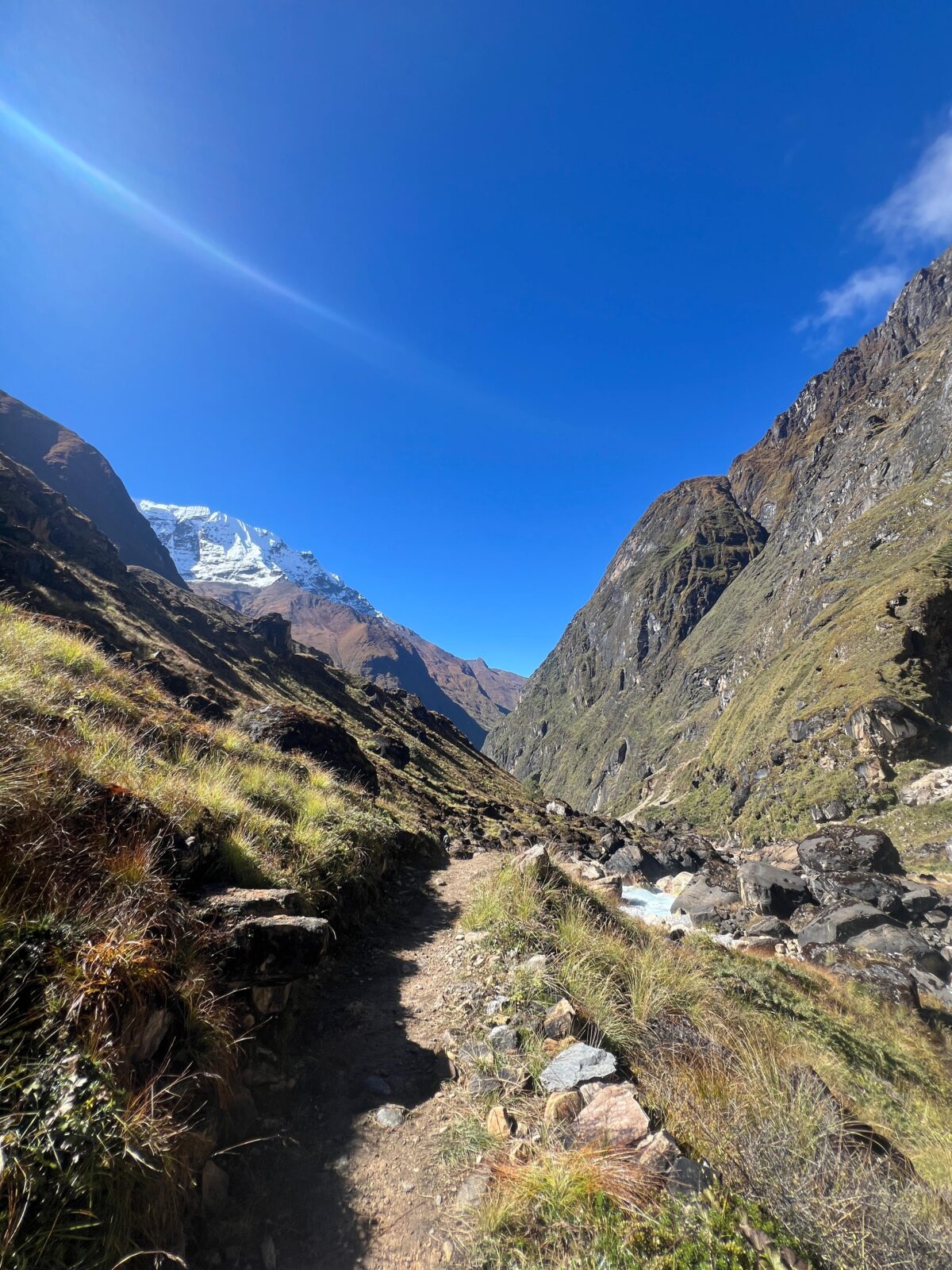
Way to North ABC
Price starts from
US$ 1140
For group of minimum 3 Pax
Group Discount Price
- 1 personUS$ 1200
- 2 - 5 personUS$ 1140
- 6 - 8 personUS$ 1080
- 9 - 14 personUS$ 1020
- 15 over 9999 US$ 920
US$ 1200
Need Help? 
Managing Director Saroj (+977-9806627713)

Duration
9 Days

Trip Difficulty
Moderate

Max Altitude
4,190m / 13,747ft

Activity
Trekking & Sightseeing

Destination
Nepal

Group Size
1-16 People

Accommodation
Tourist Standard

Meals
Breakfast, Lunch and Dinner

Transportation
Private Vehicle / Tourist Bus
Highlights of Annapurna North Base Camp Trek– 9 Days
- Breathtaking panoramas of Annapurna I, Machhapuchhre (Fishtail), and Dhaulagiri from the trail
- Authentic campsite near alpine lakes and forests on the Annapurna North Base Camp Trek
- Natural attractions: waterfalls, lush forests, and sacred Panchakunda Lake on the North ABC trek route
- Thermal hot springs at Tatopani for soothing tired muscles after camping
- Rich Himalayan wildlife and biodiversity (musk deer, langur monkeys, and birdlife)
- Cultural experience with Magar and Thakali village encounters along the way
- Less crowded, off-the-beaten Annapurna North Base Camp Trek route – far from tourist trails
Trip Overview of Annapurna North Base Camp Trek– 9 Days
Annapurna North Base Camp Trek 9 Days is a brief, serene, and fulfilling adventure for trekkers seeking a less noisy path in the Himalayas. This journey takes you over the old Maurice Herzog path to the north of Annapurna I, rather than following the footpath across the south.
The trip has some of the most lovely forest areas, silent valleys of rivers, meadowlands of the Alps, and a remote base camp experience. It has only five days in the trail; this is ideal when a traveler wants to enjoy a scenic camping adventure and can see the clear mountain view with fewer crowds.
This is an itinerary that the Glory Adventure will arrange for your trip with a friendly crew that will include an experienced guide and assisting porters. That starts with a picturesque tour between Pokhara and the mountains through green hills, deep gorges of Rivers, and the traditional villages until you arrive at Humkhola. It is the start of the Annapurna North Base Camp Trek, this way.
You spend every day on peaceful nature trails, over little streams, and among forests with pine and rhododendron trees in them. On the way, you have smooth ascending trails that elevate you further to the alpine region.
The trail is associated with its serene camping areas and scenic beauty. You camp in cozy tents, which are placed close to rivers, open fields, and the holy Panchakunda Lake at an approximate altitude of 4,050 meters.
This lake, which is turquoise in color, is considered to be one of the most beautiful things about the trek to the Annapurna North Base Camp, and a clear reflection of the surrounding peaks is also seen with a complete sense of total silence.
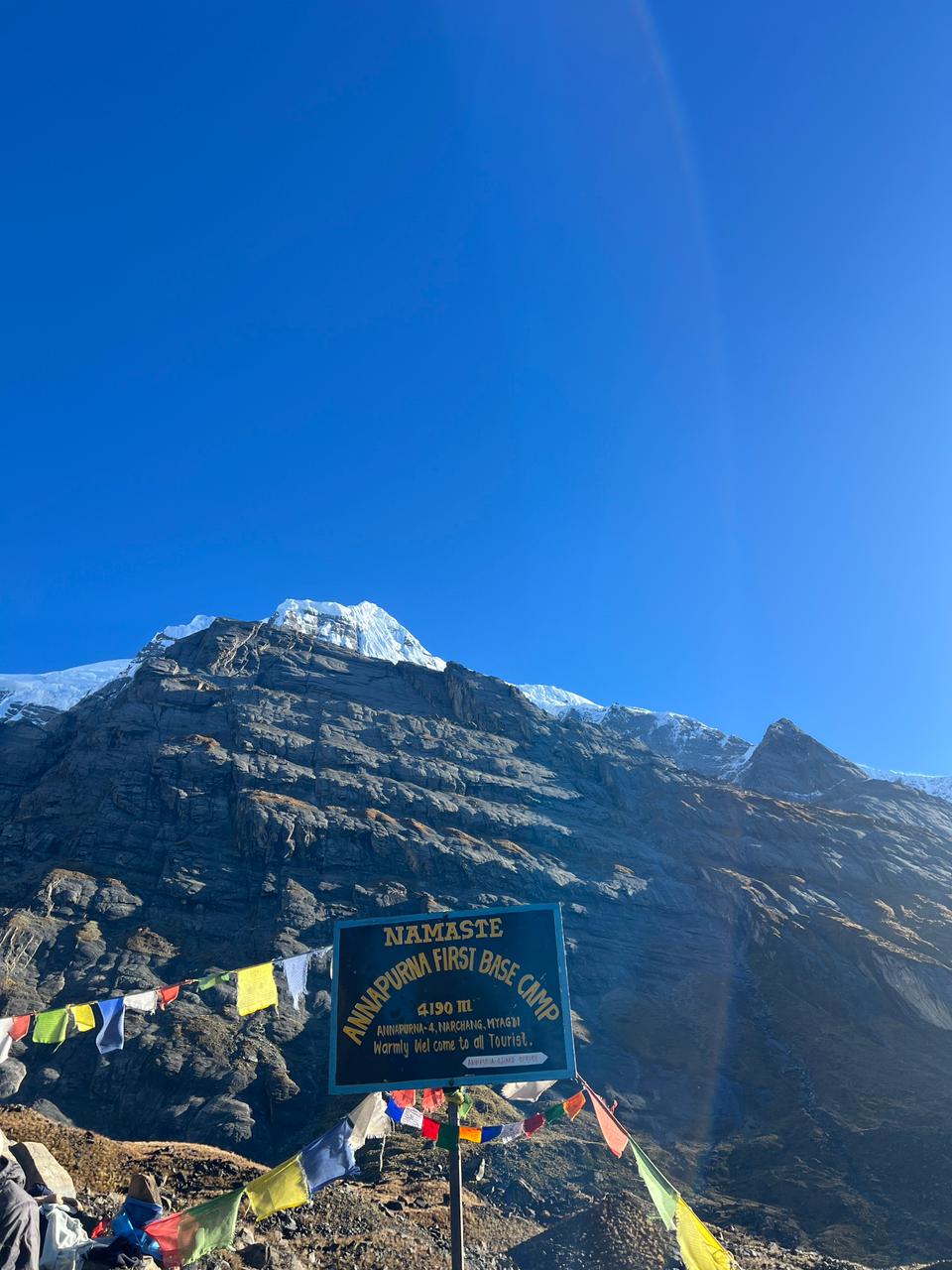
The peak spot of the trip is the North Annapurna Base Camp at 4,190 meters, where you are at the foot of the great north face of Annapurna I, and you see Nilgiri and other snowy mountains.
Nighttime in this walk is peaceful and pleasant, and your tent is warmed with dinner and hot cocoa, and the skies above you are filled with stars. After returning from the base camp and reaching Tatopani, you can visit the natural hot springs to relax your muscles before driving back to Pokhara.
Annapurna North Base Camp Trek is the most suitable one when one is in need of a short off-the-beaten-path adventure with impressive scenery, untampered mountain air, and a serene atmosphere. It also has the ideal combination of difficulty, beauty, and calmness within the heart of the Annapurna territory, and a well-planned path and relaxed camping make it the best choice.
Itinerary of Annapurna North Base Camp Trek– 9 Days
Day 01: Arrival at kathmandu
Your itinerary for this journey of Short Annapurna Base Camp Trek begins after you arrive at the airport of TIA ( Tribhuvan International Airport ) in Kathmandu. You will have a pick service from our staff Glory Adventure or one of our representatives from the office. You will be picked up and taken to the Hotel to check-in. After the check-in for the hotel stay you can have your refreshment time with stuff you can do within the hotel.
Or you can also have some roaming time there in the street cafes and restaurants trying new and unique local foods and dishes. The hunting for local foods will be interesting for you to have during this journey. You will get other several chances during the journey in different villages.
Your accommodation is managed in a hotel in Kathmandu.

Activity & Duration
30 mins Drive to Hotel
Highest Altitude
1400m / 4,593ft (Kathmandu)
Meals
-
Accommodation
three Star Hotel In KathmanduDay 02: Drive To Pokhara 7-8 hours of drive
Today in the morning, you will get your breakfast and get ready for the road trip to Pokhara. It will take us the drive duration of 6 hours through the terrain highway of mid-hill Nepal. So, it is going to be A scenic drive as well as a very mesmerizing journey throughout the driven hill of mid-hill terrain.
After you arrive at Pokhara, you will witness the magical beauty of nature in a modern city. This lakeside city can be regarded as the best example of a Himalayan city with the lake on its side with a massive view of Macchapuchre( Mt. Fishtail ). You can thereafter hang out around the lakeside trying for new foods and cuisines.
Your accommodation is managed in a hotel in Pokhara.
Activity & Duration
Drive to pokhara by tourist busHighest Altitude
822m / 2,697ft (Pokhara)Meals
BreakfastAccommodation
Three Satr Hotel in PokharaDay 03: Pokhara to Tatopani to Humkhola
Your Annapurna North Base Camp Trek starts with a beautiful morning ride from Pokhara. Leaving the city, you will cross through the countryside of Parbat and Baglung districts through terraced fields, hanging bridges, and deserted villages of the mountains.
The highway ascends slowly up into a greater elevation, with panoramic vistas of deep ravines and valleys of rivers. We have a warm and simple lunch between Tatopani, a popular village with natural hot springs.
The road is rugged after Tatopani, and it has narrow tracks along the river. You will have the beauty of the landscape, and the vehicle will be slowly headed to Humkhola.
Later in the afternoon, you will arrive at the campsite on the banks of the rivers at Humkhola, two thousand eight hundred ninety meters.
Our crew will pitch your tents and serve you a hot meal. You will get time to have leisure by the Hum Khola river and have a serene mountain environment.
During the night, the sky is usually quite clear, and you can sleep under a blanket of shining stars.
Activity & Duration
Pokhara to Tatopani to Humkhola 6-7hrs driveHighest Altitude
2890m / 9,482ft (Humkhola)Meals
Lunch & DinnerAccommodation
Tea HouseDay 04: Humkhola to Busket Mela (3650 m)
You will depart the first full day of trekking on the Annapurna North Base Camp Trek after breakfast. The road leads along the Hum Khola river and then ascends slowly up through the heavy pine and rhododendron woods.
The new smell of the trees, the rush of water, and the fresh air in the mountains make it very nice in this section of the walk.
Some of the places to visit along the way include the beautiful Phut waterfall, which is a popular photography point among many trekkers.
The trail further leads to Sandikharka, which is a viewpoint that overlooks expansive mountainous terrain. You may have breaks for short periods to appreciate the quiet environment.
By afternoon, you will be in Busket Mela, a large open meadow, bordered by forest and low swellings. It is an awesome place to enjoy a peaceful night in the wild.
You will have a warm dinner under the open sky as our team will put up the tents. During the night, the mountains are frequently flushed with sunset tints of gold and pink.
Activity & Duration
Trek Humkhola to Busket Mela 5-6hrs trekHighest Altitude
3650m / 11,975ft (Busket Mela)Meals
Breakfast, Lunch and DinnerAccommodation
Tea HouseDay 05: Busket Mela to High Campsite near Panchakunda Lake
You will go further into the high alpine area of the Annapurna North Base Camp Trek today. The path runs next to the river Sun Khola, which has minerals of gold flashing in the sun.
The landscape is opened up, and there are grassy slopes and rocky routes. You will go slowly, because with a higher altitude, it will be more difficult, and gradual walking will get your body accustomed.
You will come to the high campsite in the Panchakunda Lake in several hours. Local people believe that this lake is sacred, and it has a blue sky with its reflection on the clear and calm water.
You will have enough time to wander around the lakeside, do photography, or even take a rest and feast in the serene beauty of this place.
We will cook a cozy dinner, and you will sleep in tents in the silence of the alpine world. The sky at night here is so clear, and you can see the stars very well.
Activity & Duration
Busket Mela to High Campsite near Panchakunda Lake 4-5hrs trekHighest Altitude
4050m / 13,287ft (Panchakunda Lake )Meals
Breakfast, Lunch and DinnerAccommodation
Tea HouseDay 06: Trek to North Annapurna Base Camp (4190 m) and Return to Tatopani
This morning, you will be off early to get to the summit of the Annapurna North Base Camp Trek. A morning walk will enable you to watch the gentle morning sun as it is reflected on the mountains. The path ascends somewhat to the base camp view at four thousand one hundred ninety meters.
Once up there, you will see the great north faces of Annapurna and Nilgiri soaring high over the valley. This moment is even more significant because of the small mountain shrine and still Narchyang Lake.
You will get a chance to relax, take photographs, and get to admire the serene mountain air.
You will now use the same route back down to Humkhola, having visited the base camp.
A personal vehicle will pick you up there and take you back to Tatopani. The river has beautiful views of deep valleys and village life that can be seen on the drive.
In Tatopani, you will stay at a plain lodge. You can also have a chance to relax your muscles by visiting the natural hot springs, in case you want to have some rest after hiking in the cold high-altitude area. This is one of the most refreshing aspects of the trip that is enjoyed by many trekkers.
Activity & Duration
Trek to North Annapurna Base Camp and Return to Tatopani 6hrs trek & 2hrs driveHighest Altitude
4190m / 13,747ft (Tatopani)Meals
Breakfast, Lunch and DinnerAccommodation
Tea HouseDay 07: Tatopani to Pokhara
After breakfast, you will begin the drive back toward Pokhara. The road is traced through the quiet country lanes with traditional villages, farm lands, and rivers on the way.
When you get to Pokhara, you will have the last sight of the hills around this area. You will reach the Lakeside area of Pokhara visit at evening for night life be side the fewa lake and shop over night at pokhara .
Activity & Duration
Tatopani to Pokhara 4-5hrs driveHighest Altitude
822m / 2,697ft (Pokhara)Meals
BreakfastAccommodation
Three star Hotel in pokharaDay 08: Drive Back To Kathmandu
You will get your delicious morning breakfast at the hotel in Pokhara and we will get our drive which will drive us back to Kathmandu. You will go through the diversity and the beautiful terrains of mid-hill. It will take you through the several rivers and the villages surrounded by the farming terrace. The experience of having snacks at roadside stalls small hotels and cafes will be a very unique experience to have during this journey from Pokhara to Kathmandu.
After arrival in Kathmandu, you will get your refreshment time in your hotel booking. There you can also have some time roaming outside the hotel in the streets trying for food hunts. There is a massive range of choices in foods that will amaze you with their unique tastes.
Your accommodation is managed in Kathmandu
Activity & Duration
Drive Back To Kathmandu 6/7 hrsHighest Altitude
1400m / 4,593ft (Kathmandu)Meals
BreakfastAccommodation
Three star Hotel In KathmanduDay 09: Departure from Kathmandu
You will get your departure from Kathmandu on the tenth day of your itinerary of Short Annapurna Base Camp. You will get your delicious breakfast in the morning at the hotel and get your pick service up to the TIA ( Tribhuvan International Airport ). From there you will be officially ending your trekking journey of 10 day itinerary
Activity & Duration
Drop to HotelHighest Altitude
1400m / 4,593ft (Home)Meals
BreakfastIncludes / Excludes of Annapurna North Base Camp Trek– 9 Days
What is included?
- All ground transportation in a private vehicle (Pokhara–Humkhola and return)
- Experienced English-speaking guide (licensed, with insurance and salary)
- Camping equipment (tents, sleeping mats, dining tent, kitchen)
- All meals during the trek (breakfast, lunch, dinner) at campsites
- Porters to carry group camping gear and supplies (one porter per two trekkers)
- Accommodation in basic guesthouses before and after trek (Pokhara and Tatopani)
- Sleeping bag and down jacket rental for the trek (if needed)
- Annapurna Conservation Area Permit (ACAP) and TIMS card fees
- First-aid kit and oxygen canister for emergencies
- Government taxes and tourism service fees
- Certificate of Completion for the Annapurna North Base Camp Trek
What is excluded?
- International airfare to Kathmandu or Pokhara
- Nepal entry visa fee (currently free for many countries, around US$30 for others)
- Travel insurance (medical and emergency evacuation) – mandatory for trekking
- Personal gear (sleeping bag, trekking pole) – available to rent on request
- Lunch and dinner in Pokhara or Kathmandu before/after trek
- Hot shower fees and laundry on trek (paid at lodges or camps)
- Alcoholic drinks, energy drinks, and snacks at camps
- Tips for guides, porters, and drivers (customary 10–15% of total trip cost)
- Any extra activities or permits not specified in the itinerary
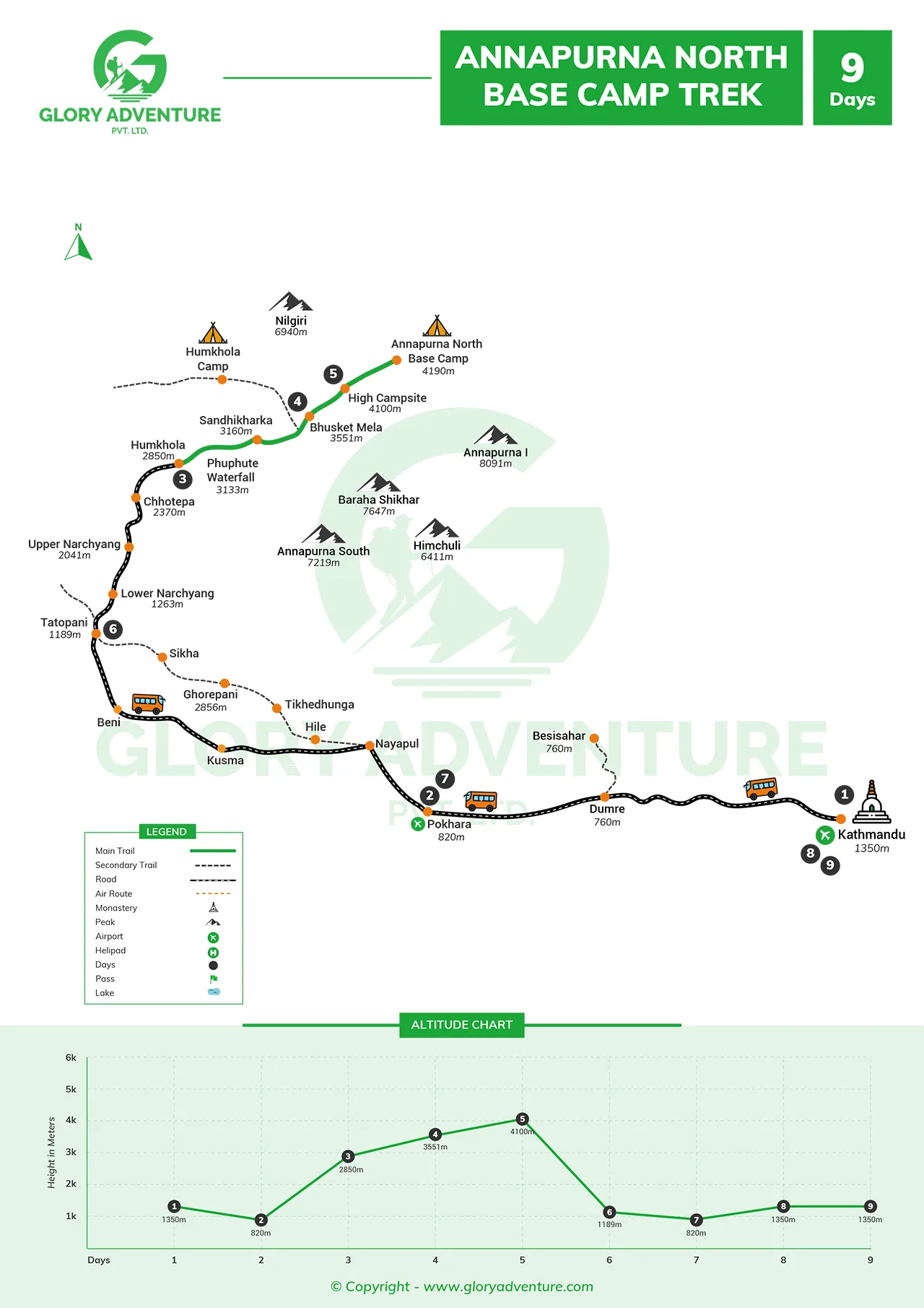
Route Map & Altitude Chart
Essential Information of Annapurna North Base Camp Trek– 9 Days
Weather and Best Season
The most comfortable months to undertake the Annapurna North Base Camp Trek are during the spring and autumn seasons. These are the seasons that are normally characterized by clear blue skies, hot sunshine, and agreeable temperatures for walking.
The days are still pleasant, and evenings in the higher camps may be very chilly, as near as to zero degrees. Monsoon season is not advisable as it is the summer from June to August, and rain is common, the skies are cloudy, and the paths are slippery.
The months between December and February are beautiful but very cold, and there may be snow covering the upper portions of the trail. From December to February, the route is mainly suitable for well-prepared and experienced trekkers with proper winter equipment. To the majority of travelers, March to May is spring and September to November is fall, which is the most comfortable, safe, and breathtaking mountain scenery.
Trek Difficulty
The Annapurna North Base Camp Trek is regarded as a medium-level trek. The days tend to have four or seven hours of continuous walking on mountain trails, which could be rocky, uneven, or steep at certain places. The trekkers should carry a light day bag, and heavy items are carried by porters, thus making it a little easier to walk.
Good stamina, comfortable walking shoes, and simple leg strength are quite useful and particularly when the altitude increases. It does not have any technical climbing parts, and the use of ropes is not necessary. Most first-time trekkers have no trouble with this route with the mere preparation of regular walking, light cardio exercise, and practice hikes in preparation before the actual trip.
A slow pace, explicit guidelines, and guidance throughout the way are guaranteed by our itinerary and our team of experts. This trek is an extremely delightful and fulfilling undertaking with patience and a positive attitude.
Health and Safety, Altitude Sickness
North Annapurna Base Camp is the peak of the trek, and it is located at four thousand one hundred and ninety meters. Since the altitude is rising day by day, it is important to have the body gradually get used to it to be safe. We will have a gradual climb, frequent rest intervals, and check in on your health during the trip.
In case anybody has a headache, nausea, fatigue, or feels dizzy, we take a break to see how they are. Other tourists opt to carry altitude medication since they might have consulted with their physician before going to Nepal. Our guides bring a first aid kit, a pulse oximeter to measure oxygen levels, and oxygen in case of emergency.
The sun is intense in the mountains, and thus, sunscreen, sunglasses, and a hat are necessary. The nights are also frosty, and warm clothes will keep you comfortable. Electrolyte-enriched water intake also helps in keeping the occurrence of altitude sickness at bay. Most people adapt and enjoy the experience of walking at a relaxed pace and taking the advice of their guide.
Visa, Permits, and Insurance
All foreigners should have a valid passport and a Nepal tourist visa. Most visitors can get a Nepal visa on arrival at Kathmandu airport and some designated land border points. In the case of the Annapurna North Base Camp Trek, there are two official permits that are needed. These are the Annapurna Conservation Area Permit, commonly known as ACAP, and the Trekkers Information Management System card, commonly known as TIMS.
These permits are included in our package, and we do the paperwork in Pokhara. Be sure to carry two passport-size photographs and a duplicate of your passport page with your photo.
Travel insurance is highly essential and should include trekking up to four thousand five hundred meters, medical treatment, and emergency helicopter rescue. It is also important to have a printed copy of your insurance details in case of the trek.
Language and Communication
The primary language of the Annapurna region is Nepali. Certain villagers of the area might also speak the local languages, like Magar or Thakali. Most of the guides, lodge owners, and many youths speak English, and therefore it is easy to communicate with our team. Local people are always pleased by a warm greeting of Namaste.
On the higher parts of the trek, the signal of the mobile phone becomes poor or vanishes. Due to this reason, there are travelers who carry an offline translation application or a small phrasebook. Our porters and guides are willing to help all the time with translations and help you communicate with the villagers in a friendly and respectful manner.
Charging Facilities, Internet, and Mobile Network
At Pokhara and Tatopani, there are good mobile network signals, and there may be a weak signal around Humkhola at the start of the trek. After Tatopani, the mobile network becomes very limited or completely unavailable in many places. Internet access is extremely rare on this route, and higher camps have no wifi at all, so it is best to expect almost no connectivity in the mountains.
It can also be hard to charge your electronic devices, since only a few lower lodges have solar panels or small solar generators, which can power you up briefly. Charging phones or cameras may come with a small fee.
In order not to be inconvenienced, it is advisable to carry a power bank or a small solar charger. Limited connectivity and experiencing the quietness of the mountains is best expected.
Training and Preparation
The trek to the Annapurna North Base Camp Trek will be much easier and pleasant when you prepare your body a couple of weeks before your journey. Light jogging, cycling, swimming, or walking are the gentle exercises that would enhance your overall stamina.
Stair climbing or hiking on small hills will make the legs stronger and will prepare you for the long uphill parts of the trail. The other one is to walk on an uneven surface with a lighter-weight backpack, as this develops balance, stability, and confidence.
Attempt to exercise at least half an hour to forty-five minutes per day, four or five days per week. Pay attention to the slow and gradual breathing and slow rather than fast and intense walking.
Flexibility is achieved by stretching your muscles after exercise, and you are less likely to be sore. In case you can, take a few longer walks on other days, but in a row, and you will know how your body will react to repeated trekking.
The Annapurna North Base Camp Trek is enjoyable and can be achieved by most trekkers who adhere to a simple fitness program, diet, and hydration. When you are in a positive state of mind and have prepared frequently, you will be more prepared and confident on the trail.
Group Size and Trekking Style
The group size during the Annapurna North Base Camp Trek is kept small since it will provide a more comfortable and enjoyable trekking experience. Fewer people also means that the guide will be able to draw individual attention to every traveler, answer questions, and address their specific needs on the way. It also enhances security, particularly in the more isolated places where they are to camp, since the guide is in a position to keep a close eye on everyone.
Smaller groups are walking freely, pausing and having a break with each other, and they will be walking slowly without stress. The eco-friendly nature of this type of trekking is also increased because it creates less impact on the natural environment and campsites. In the case of travelers who would like more privacy or a more tailored experience, it is possible to organize private departures at any time.
Food Safety and Hygiene
In the Annapurna North Base Camp Trek, meals are well-cooked and clean by our trekking cook and kitchen crew. Where possible, fresh ingredients are used, and vegetables are washed with clean water and then cooked. Meals are properly cooked so that they are warm, safe, and nourishing. We carry boiled or filtered water during the trek, and you can keep on filling your bottle along the way.
Raw salads and raw foods should be avoided at high altitudes to avoid stomach discomfort. Poor hygiene can also be avoided by washing your hands before meals, applying hand sanitizer, and cleaning your water bottle. These few precautions and our kitchen team make most of the trekkers healthy and happy during their meals as they travel.
Flexibility and Weather Changes
The weather in the mountains may shift rapidly even during the best trekking seasons in the Annapurna North Base Camp Trek. A bright morning can gradually change to be cloudy, and light rain, wind, or some snow may manifest without much notice. Such changes in weather are a natural aspect of the high Himalayas, and getting your daily plans flexible can make you enjoy the trek without any problem.
It might happen on certain days that we will change the speed of walking, have additional rest breaks, or decide to stop at another camping place under different circumstances. The guide will never ignore the weather and will at all times make good decisions to ensure that the group is safe and comfortable.
It can be wiser to set out earlier in the morning or wait a little more before walking so as to make the trip easier. Being open-minded, patient, and having a positive attitude enables you to enjoy the mountains in every mood. To numerous travelers, such minor shifts in the surroundings are an experience worth remembering and appreciating the adventure.
Trip Extension Options
There are a lot of tourists who spend more days in Nepal after completing the Annapurna North Base Camp Trek. Pokhara has numerous activities that are very nice, like scenic flights to mountain peaks, a quiet visit to the lake, paragliding, or short hikes to the viewpoints like Poon Hill.
Others still head up the traditional south to the Annapurna Base Camp road or venture up the remote paths of Mustang or Nar Phu valley. There are also cultural tours that are a lot of fun to attend, such as the Lumbini, which is the birthplace of lord Buddha, or the heritage sites of the Kathmandu Valley.
Jungles and wildlife, nature-loving tourists can also visit Chitwan or Bardia National Park to view wildlife. There are also adventure sports like rafting on the Trisuli or Seti Rivers. Our team will be pleased to assist you in putting together any mix of activities based on your interests and time.
First Time Traveler Tips to Nepal
It is also useful to bring enough Nepali cash because there are a few small shops along the trail that take cards, and there are only a few ATMs in the big cities, which include Pokhara and Kathmandu. Removing your shoes prior to entering homes or temples, and requesting prior to taking photos of villagers are all polite customs in that area.
It is good to label your bags and a little personal first aid kit. The trek is made comfortable by the use of sunscreen, lip balm, energy snacks, and reusable water bottles. Raw or uncooked food should be avoided to avoid a stomachache. Consume only boiled or purified water and take purification tablets when necessary. In Nepal, it is a nice and welcome gesture to tip the guides, porters, and drivers.
Above all, attempt to be open and patient. The culture of the place and the wonderful scenery will help you to enjoy every moment, as things might be slower than at home. Through proper planning, your Annapurna North Base Camp hiking adventure will make your trip a very memorable and significant one.
Frequently Asked Question (FAQ’s)
The Annapurna North Base Camp Trek is a five-day journey in the Annapurna region that follows the historic Maurice Herzog route toward North Annapurna Base Camp at 4190 meters. The adventure walk comprises some quiet forest walks, mountain camping, and a scenic drive back to Pokhara. It is also commonly referred to locally as the North ABC trek.
This journey takes five days with aspects of driving. The total walking distance is about 20–25 km over 3 trekking days, with 4–6 hours of walking per day. This is a consistent and relaxed pace.
Yes, this trek can be enjoyed by beginners of moderate fitness. The journey is easier when people walk slowly, take breaks, and are hydrated. It has been successfully completed by many first-time trekkers and older adults.
The highest of them is the North Annapurna Base Camp at 4190 meters. The climb is progressive, and this assists in acclimatization. The majority of trekkers adapt to a relaxed and gradual speed.
Yes, there is a relaxing visit to the Tatopani hot springs. Many trekkers enjoy soaking in the warm pools to relax their muscles after the trek and warm up after the cold mountain nights. It is a highlight of the trip for many people.
You will spend the night in plain guesthouses in Pokhara and Tatopani, and in pleasant tents in the more challenging parts of the trek. We do all camping arrangements. This combination is quite cozy and close to nature.
It has tea houses in the lower villages only. Further up, it is a more isolated path, and we have to camp. This ensures the experience is less noisy and peaceful.
We also serve three meals daily, including the Nepali food Dal Bhat, simple curries, soups, and a breakfast meal. There is also tea, snacks, and fruits served. Dietary needs are available on special request.
It is advisable to hire a guide and a porter because the path is remote. They assist in navigation, protection, and transportation of your baggage to allow you to walk comfortably. The package incorporates these services.
The Nepalese Rupee is required to fund small trial expenditures. There are also ATM machines in Pokhara in case you require additional cash. Money is best stored in a pouch or a money belt.
Mobile signal is available till Tatopani, but weak or unavailable above. Limited connectivity of the trek is to be anticipated. Communication gadgets in case of emergency are carried by our guides.
Simple fitness and exercise are beneficial. Light cardio and some practice hikes are good to prepare your body for daily walking. Technical skills are not necessary.
One should not drink tap water without treatment. We have the boiled or filtered water, and you can use purification pills. It is relevant to remain hydrated during the trek.
The trail may have Himalayan birds, langur monkeys, or small deer. The larger animals are not easily noticed. We see the animals in the wild in the most non-invasive manner.
Tipping is not required, but rather a good and welcome gesture. Various trekkers pay insignificant sums of money to the guides and porters after the trek. Rupees and US dollars are both accepted.
Nay, it is a very quiet and little-travelled path. You can see not many trekkers a day. One of the beautiful characteristics of this journey is its peaceful environment.
The classic ABC trek is based on the use of the southern lodges, and the North ABC trek is more isolated and is mostly camping-based. It has an alternative perspective of the Annapurna range and much less traffic. Its more natural and adventurous feel is enjoyed by many people.
Trip Reviews on Annapurna North Base Camp Trek– 9 Days

Price starts from
US$ 1140
For group of minimum 3 Pax
US$ 1200
Need Help?
Managing Director Saroj (+977-9806627713)
Related Trips


Saroj Sunar Travel Consultant
Looking for a Private Trip?
Say Hello to Your Travel Consultant
Planning your next getaway? Our travel specialists are ready to design a fully customized package tailored to your interests. If you need help or have any questions, feel free to connect with us—we’re here to guide you from start to finish.
Price starts
US$ 2140
✖
Free Trip Planner Talk to Mr. Saroj Sunar