Talk to Mr. Saroj
- Home
- Destination
- Nepal Trekking
- Annapurna Region
- Short Poon Hill Trek 3 Days
- Ghorepani Poon Hill Trek 4 Days
- Ghorepani Poon Hill Trek – 8 Days
- Annapurna Base Camp Heli Trek
- Short Annapurna Base Camp Trek- 6 Days
- Annapurna Base Camp Trek – 10 Days
- Annapurna Base Camp Trek Via poon Hill
- Short Mardi Himal Trek
- Mardi Himal Trek – 10 Days
- Ghorepani Poon Hill with Mardi Himal Trek
- Short Annapurna Circuit Trek
- Annapurna Circuit Trek with Tilicho Lake
- Annapurna North Base Camp Trek– 9 Days
- Khopra Ridge Trek
- Mohare Danda Trek – 9 Days
- Kori Himal Trek -10 Days
- Nar Phu Valley Trek with Kang La and Thorong La Pass- 17 Days
- Annapurna Region
- Travel Info
- Company
- Contact
 English
 Malay
Malay Dutch
Dutch Japanese
 Hindi
Hindi Italian
 Spanish
 French
 German
 Chinese
 Korean
 Arabic
 Hebrew
 Russian
 Portuguese
 Danish
 Czech
Czech Polish
 Swedish
 Plan Your Trip
 Bookings open for the 2026-2027 season! Start planning your dream journey.
Annapurna Base Camp Trek Via poon Hill

Finally Photo
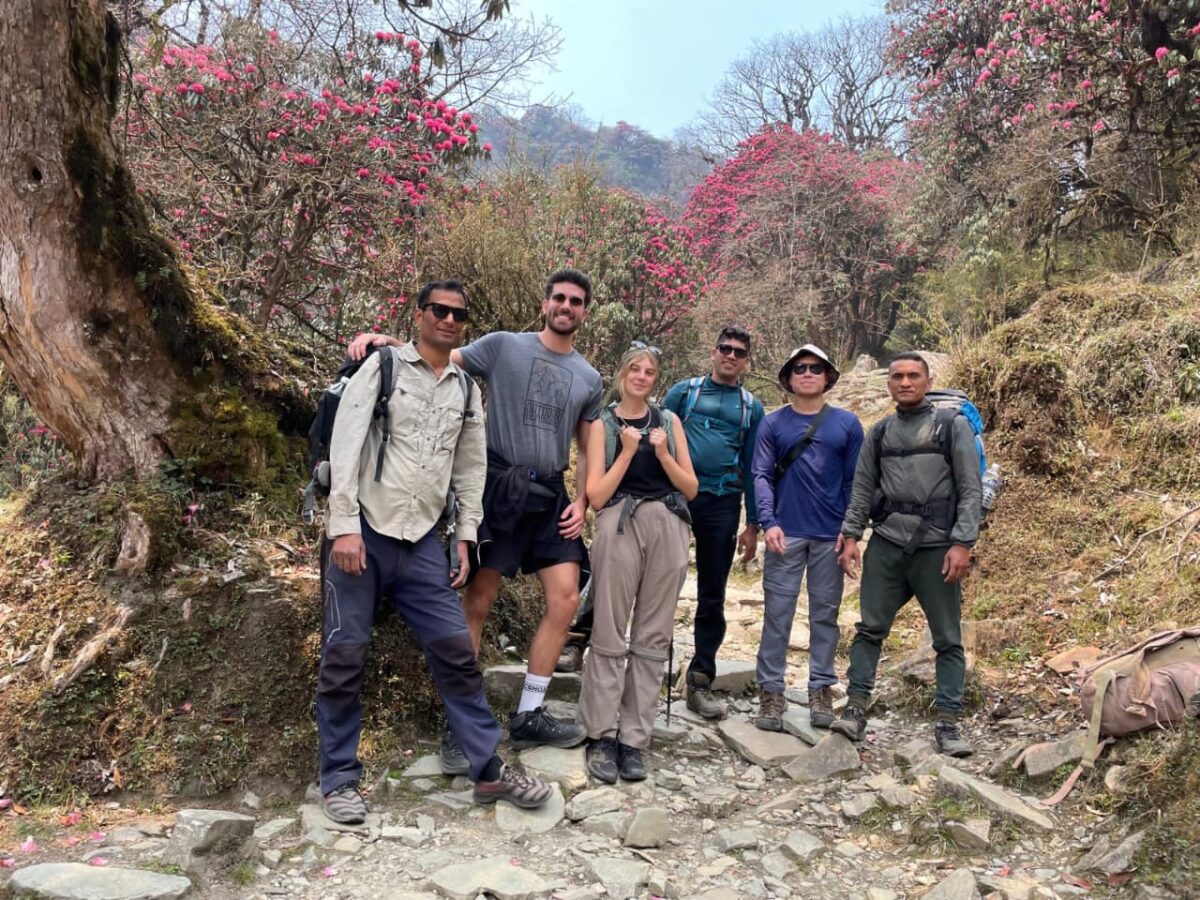
On the way to ghorepani picture
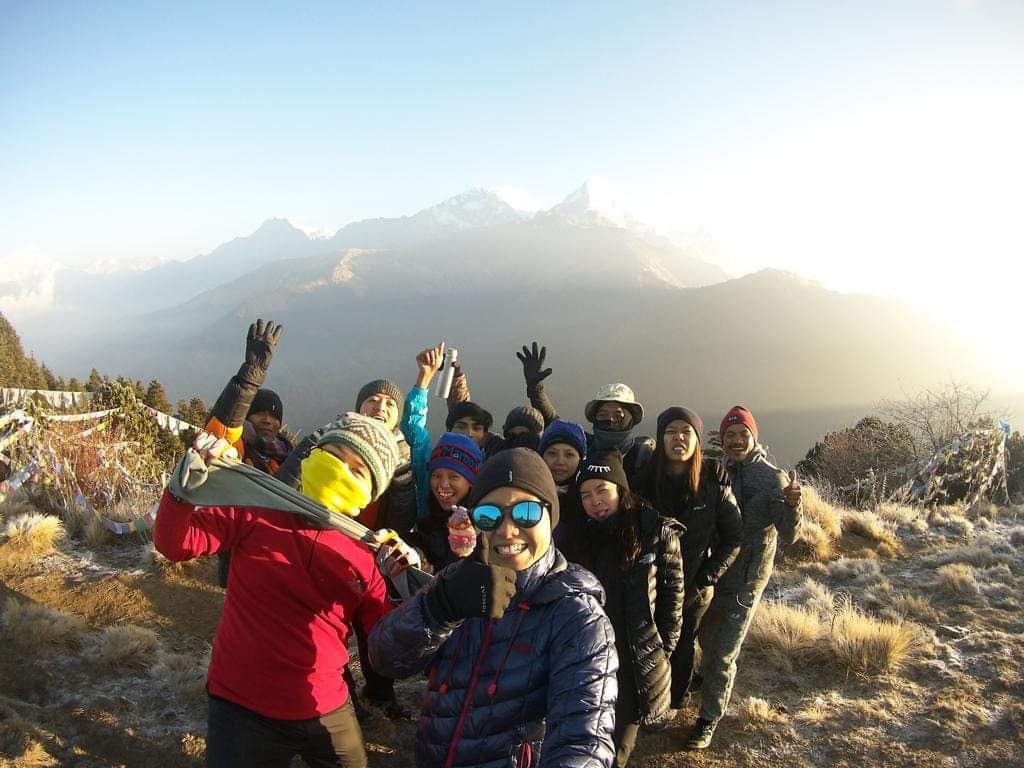
Group photo on View point
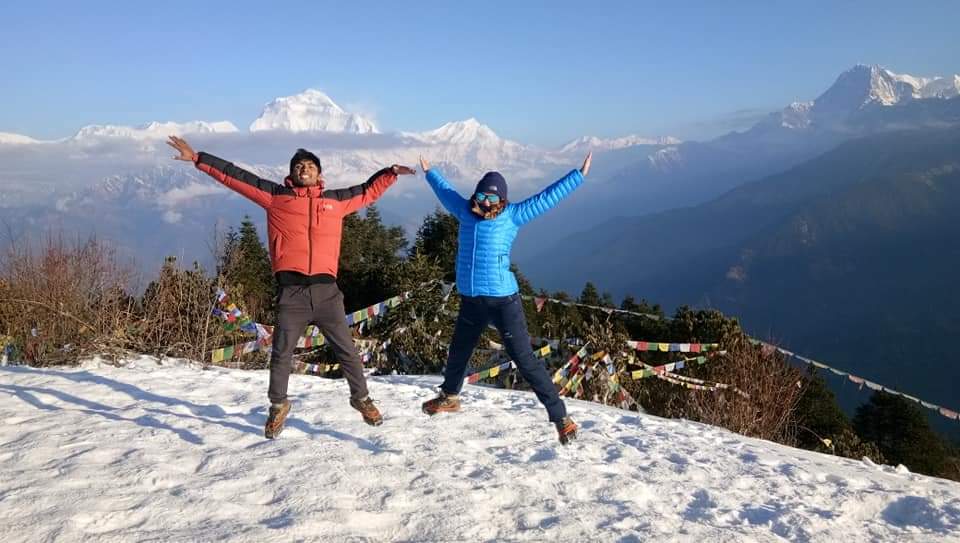
jumping poach
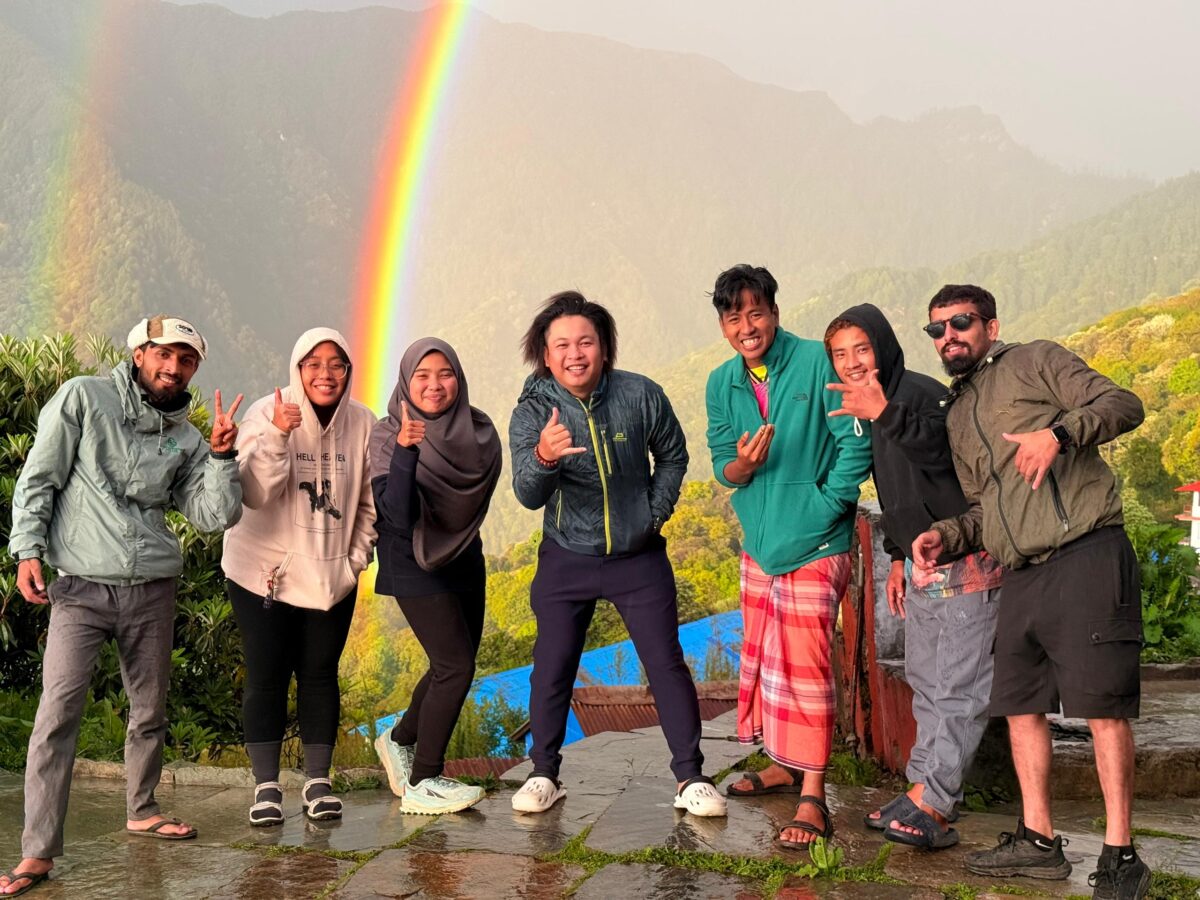
Rainbow picture
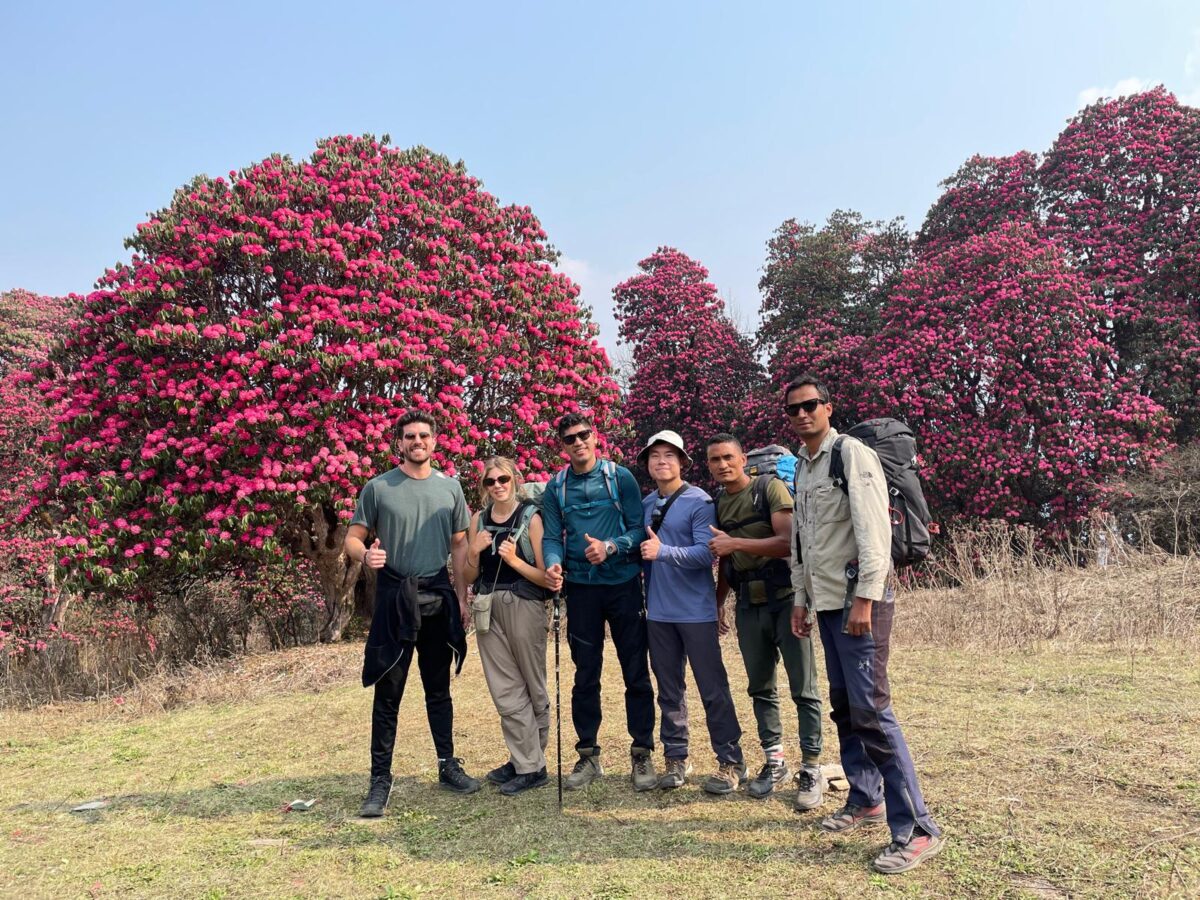
Beautiful flower background Picture
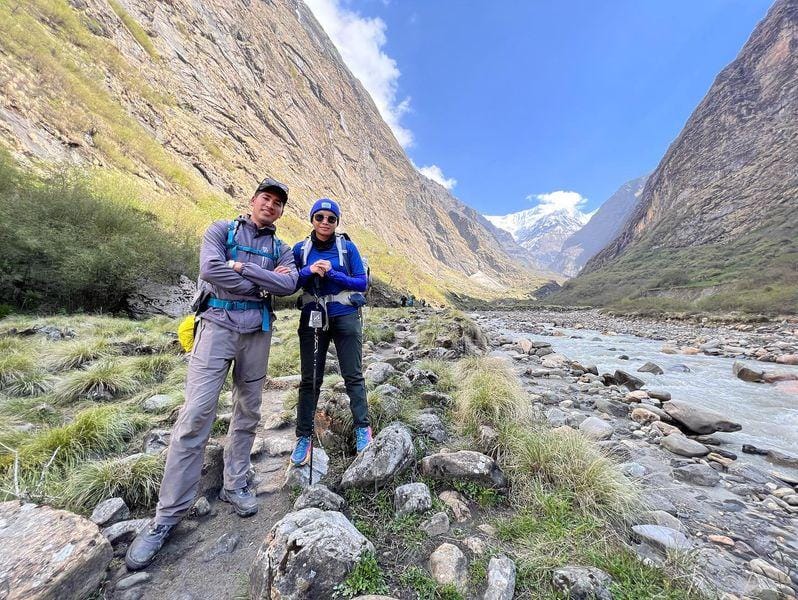
View from on the way
On the way selfish photo with selfish
poon hill via abc trek
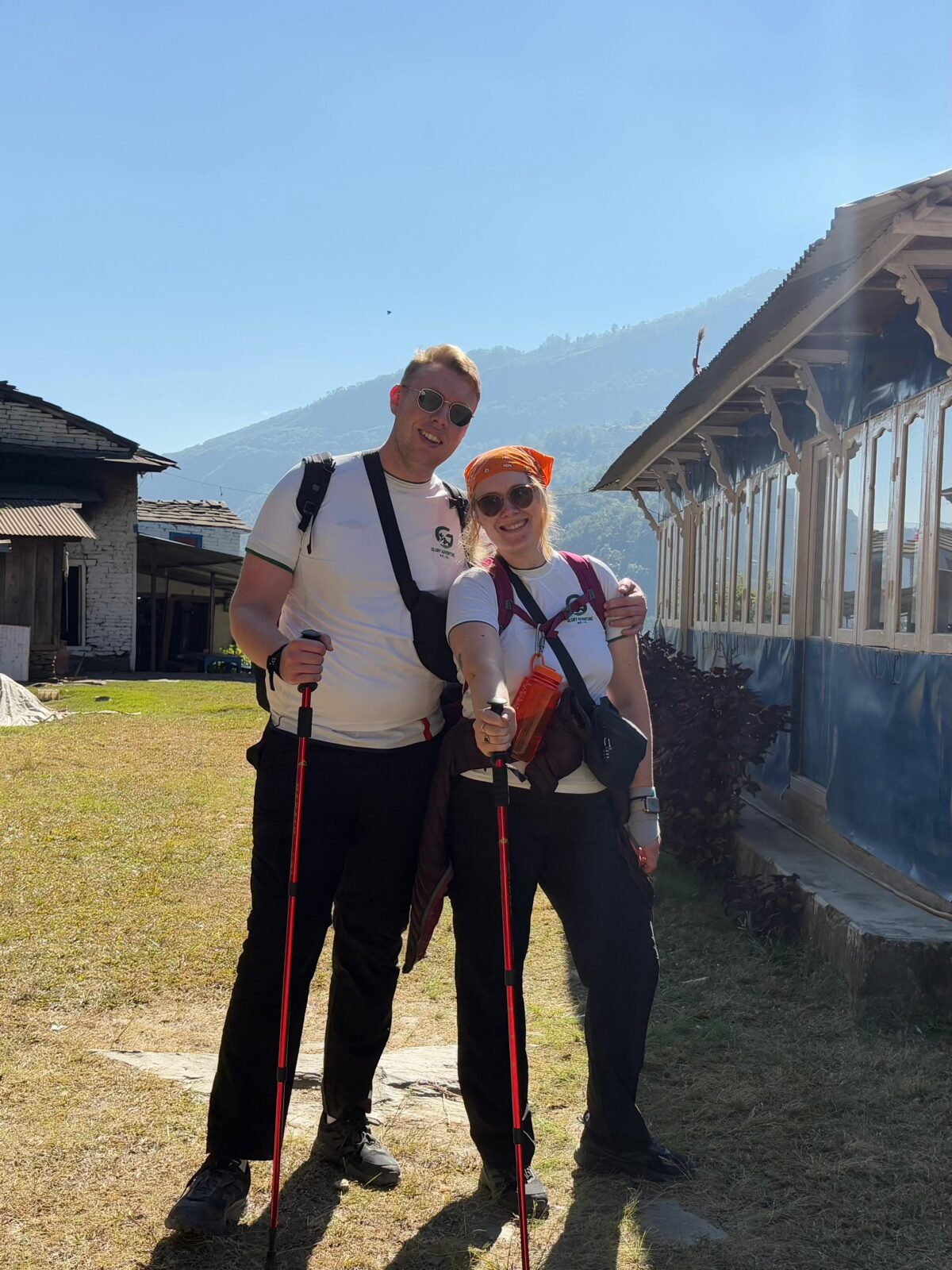
on the way to tikhedhuga
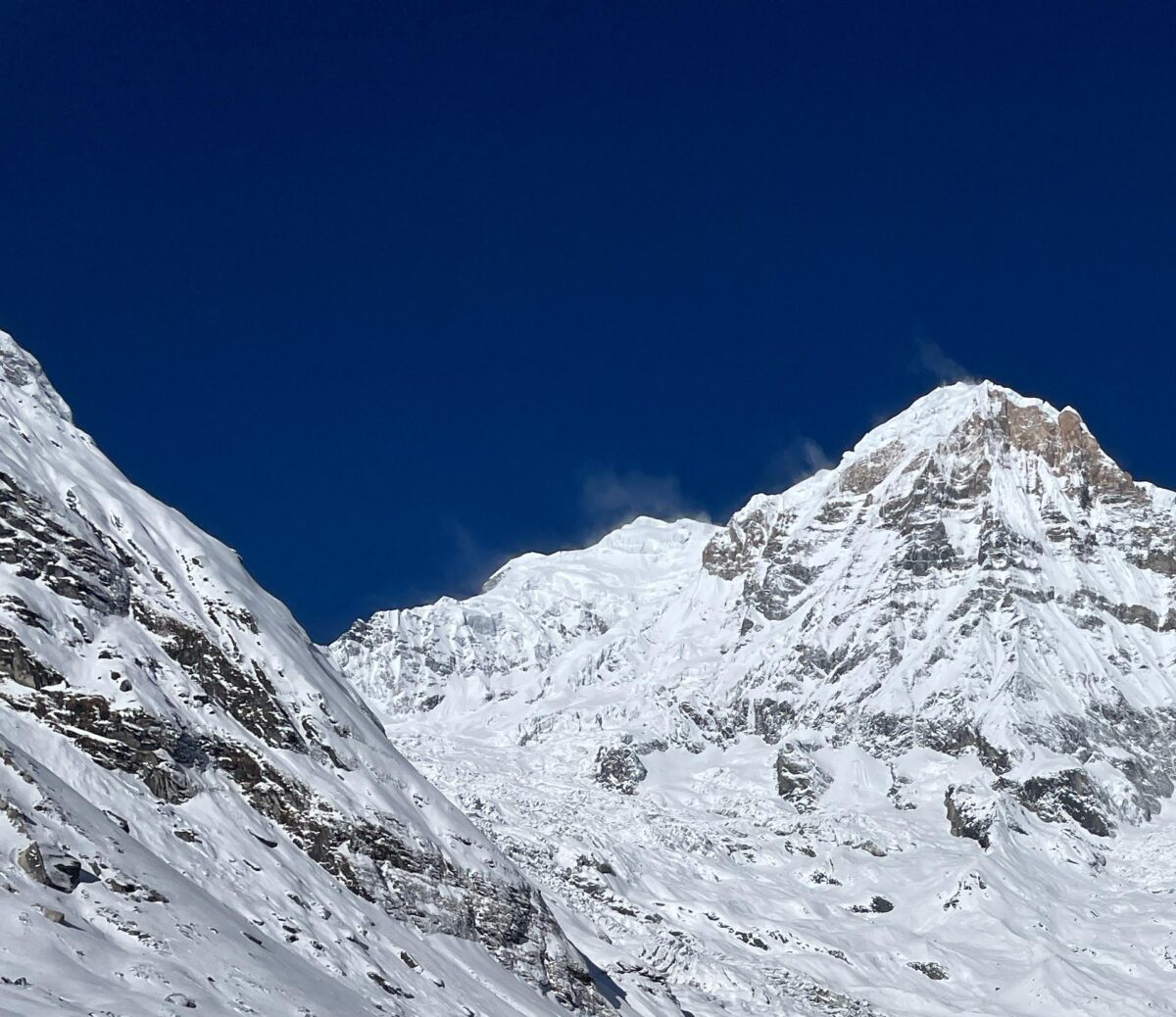
Annapurna sanctuary Photo
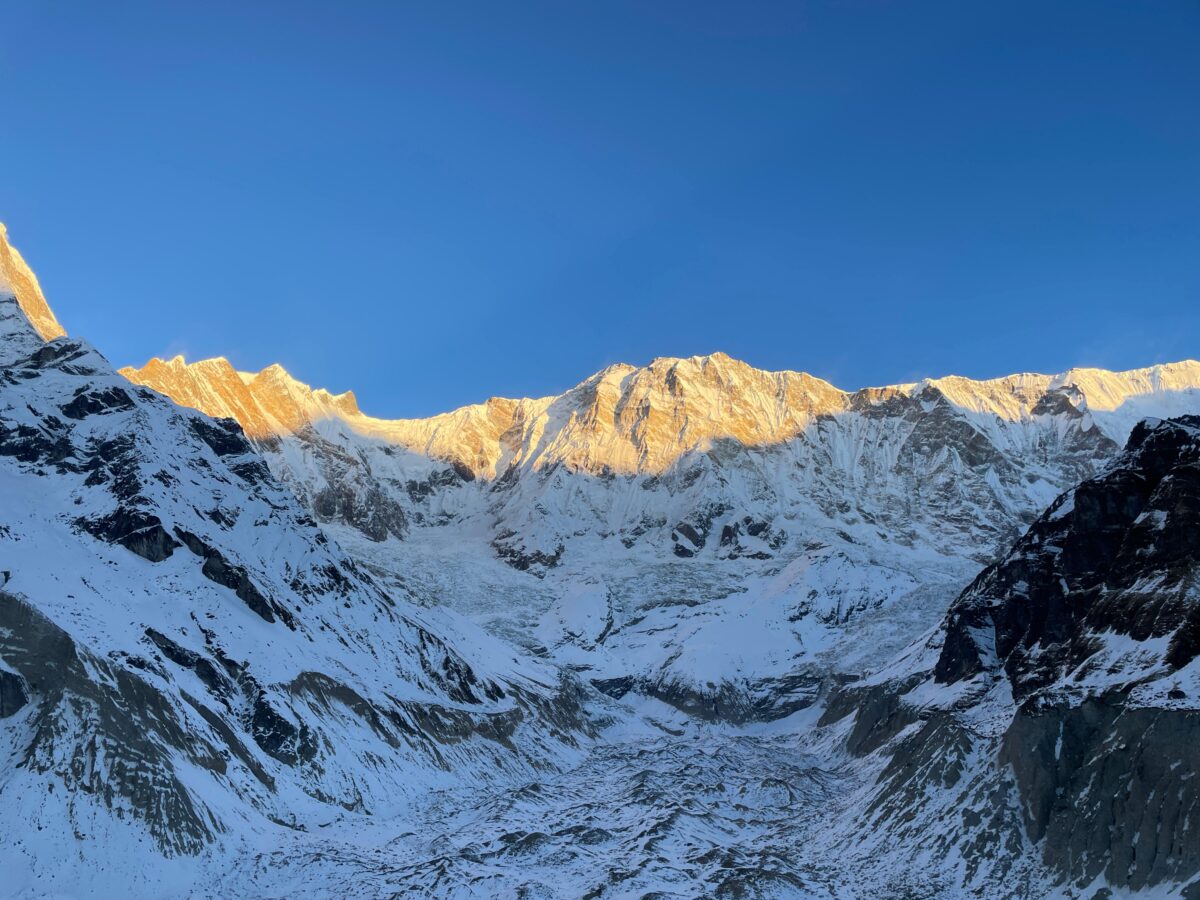
ANNAPURNA I MOUNTAIN
Price starts from
US$ 902
For group of minimum 3 Pax
Group Discount Price
- 1 personUS$ 950
- 2 - 5 personUS$ 902
- 6 - 8 personUS$ 855
- 9 - 14 personUS$ 807
- 15 over 9999 US$ 760
US$ 950
Need Help? 
Managing Director Saroj (+977-9806627713)

Duration
14 Days

Trip Difficulty
Easy

Max Altitude
4,130m / 13,550ft

Activity
Adventure Trekking

Destination
Nepal

Group Size
2-16 People

Accommodation
Tea House

Meals
Breakfast, Lunch and Dinner

Transportation
Tourist Bus/Private
Highlights of Annapurna Base Camp Trek Via poon Hill
- Visit the Machhapuchhre Base Camp and Annapurna Base Camp.
- Witness one-of-a-kind scenes of the Nepalese Himalayas.
- Visit the scenic viewpoint of Ghorepani Poonhill.
- Enjoy a relaxing bath at the Jhinu Danda hot springs.
- Walk through the protected area of Annapurna Conservation Area full of Himalayan wonders and greens.
Trip Overview of Annapurna Base Camp Trek Via poon Hill
The Annapurna region is undoubtedly the most sought-after Trekking destination in Nepal and also one of the most scenic destinations in the world. Last year, in 2023, the Annapurna region attracted a whopping 191,558 out of the million tourists that visited Nepal. The Annapurna Base Camp Trek Via poon Hill starts and ends within the Annapurna region and goes mostly through the Annapurna Conservation Area (ACA).
This hilly region is highly sought-after for its views and scenes. What your eyes will see during the Annapurna Base Camp Trek is simply too raw and beautiful, to say the least. The Annapurna Himalayan range, the massive green hills, and the protected area of the Annapurna Conservation Area make up for the great views. Along the way, you will enter the ACA which is naturally rich in flora and fauna.
With destinations like Poonhill, Tadapani, Machhapuchhre Base Camp, Annapurna Base Camp, and more, integrated into the itinerary, this journey is more than just a trek experience. All of these destinations are great for an expansive view of the Annapurna region.
Another great thing about the Annapurna Base Camp Trek Via poon Hill is the welcoming locals. When we say they are friendly, we mean it. The locals will offer you help in any way they can and they will always offer tourists tea or meals and a visit to their house if you’re lucky enough.
The Annapurna Base Camp Trek is truly a remote experience away from the crowd of the city, the modernity, and the bustling streets. At some places during the trek, you will not receive any network at all, and some accommodations do not have WIFI. Despite the physical hardships and lack of amenities, this trek is worth every penny you spend and every step you take forward.
After you’ve reached the final destination of the trek, you will forget all the huffing and puffing you might have done on the way top. It is truly a once-in-a-lifetime experience. With all that being said, here’s a detailed breakdown of the Annapurna Base Camp Trek package.
Itinerary of Annapurna Base Camp Trek Via poon Hill
Day 01: Arrival at Kathmandu and Transfer to Hotel
On this is first day of the Annapurna Base Camp trek begins in Kathmandu, the capital city of Nepal, and the city of temples. There are over 3000 temples within Kathmandu Valley gaining it the aforementioned nickname. In addition, Kathmandu is historically rich and traditionally driven, you might just find festivals happening on the streets. If you are up for it, you might as well take part in the event.
As your flight gets close to the Kathmandu Valley, you can actually see a bunch of peaks up north. Peaks such as Manaslu, Langtang, Sisa Pangma, Himal Chuli, Ganesh II, Gang Chenpo, Ganesh V, Jugal, Pabil GIV, and more can be seen from your flight window.
After your flight lands at the Kathmandu airport, you will be directed to the immigration desk for your tourist visa approval. For this, you must have your passport, 2 passport-sized photos, bank receipt of visa fees, and a correctly filled visa application. You can ask for a visa application form at the immigration booth and you can pay the fees at a nearby bank counter within the terminal.
The bank counter accepts international modes of payment such as VISA, MasterCard, and others but sometimes technical issues might hold you from making the payment. It’s better to be ready for the unforeseen hurdles, so, we recommend you bring some cash with you.

Activity & Duration
30 Mins drive to hotel thamel
Highest Altitude
1350m / 4,429ft (Kathmandu)
Meals
-
Accommodation
3 Star Hotel in katmanduDay 02: Drive from Kathmandu to Pokhara, Drive: 7-8 Hours
On the second day of the Annapurna Base Camp Trek, we will get you on a bus to the most beautiful city of the country, Pokhara. The city in itself is a destination to be explored, if you wish so, we can arrange a couple of days of exploration. From Kathmandu, we will get on a morning tourist bus to Pokhara since the ride takes around 7 to 8 hours to complete.
The highway to Pokhara follows the Trishuli River with green hills on both sides making for a scenic ride. On the way, we will stop for lunch and bathroom breaks and the ride itself will be comfortable as we will be traveling by a tourist bus that is spacious and sofa-seated.
After we reach Pokhara, we will first get to our hotel and organize our bags. You can stroll around the lake at night as we will be staying at Lakeside, the tourist center of the city. The nightlife there is vibrant and lively, if you have no idea where to start, you can ask the guide for recommendations. We recommend not buying souvenirs and street food from random vendors on the street as you can be charged double or triple the actual price.
You are free to enjoy the night but be sure that you get enough sleep as being well-rested is important for the Annapurna Base Camp Trek.
Activity & Duration
7-8 HoursHighest Altitude
820m / 2,690ft (Pokhara)Meals
BreakfastAccommodation
3 Star Hotel in pokharaDay 03: Drive from Pokhara to Nayapul, Drive: 4-5 Hours | Trek to Tikhedhunga
On the third day of the trek, we will get on a ride to Tikhedhunga from Pokhara. We will move after lunch as today’s ride lasts for only 4 to 5 hours. With a lovely breakfast by the lake, you can explore the morning view of Lakeside before having lunch and getting on the road. We will travel on a jeep as tourist buses are not available to the countryside of Nepal.
After about 5 hours of Jeep ride, we will finally arrive at Nayapul after which our trekking starts. From Nayapul, it takes about 3 hours to reach the village of Tikhedhunga. Once we reach our destination of the day, we will first check-in at our lodge before heading out to check out the village. From this day forward, we will be staying in lodges, inns, and homestays since hotels are not a thing in the countryside.
Activity & Duration
Drive: 4-5 HoursHighest Altitude
1480m / 4,856ft (Tikedunga)Meals
Breakfast, Lunch and DinnerAccommodation
Tea HouseDay 04: Trek from Tikhedhunga to Ghorepani, Time: 7 Hours
On this four day is the beginning of the highgland trekking days for our Annapurna Base Camp Trek. On this day, we will begin our trek from Tikhedhunga to Ghorepani following a tasty and locally sourced breakfast. From Tikhedhunga, we will first reach the beautiful Magar village of Ulleri which is well-known for its stone steps. It’s one of the difficult parts of the trek but you will certainly be refreshed by the views of the Himalayas on the way up.
From Ulleri, we will next reach the village of Banthanti which is located at an altitude of 2210 meters above sea level. Banthanti is known as a charming and peaceful village with captivating views of the high Himalayas, hills, and the river basin below. Continuing the trek, we will follow the Bhurungdi River to reach Nangge Thanti. Located 2430 meters above sea level, this village can get quite chilly so be prepared when the cold wind blows.
From Nangge Thanti, it will take us about an hour and a half to reach Ghorepani, our final destination of the day. This village is one of the most popular destinations in the Annapurna region, sitting at 2860 meters of altitude, Ghorepani is famous for its one-of-a-kind wide view of the Annapurna region.
Today’s trek is about 13 kilometers long but since we will be trekking uphill most of the time, it will take us about 7 hours to call it a day.
Activity & Duration
Trek to Ghorepani 6-7 HoursHighest Altitude
2874m / 9,429ft (Ghorepani)Meals
Breakfast, Lunch and DinnerAccommodation
Tea HouseDay 05: Morning hike to Poonhill and trek to Tadapani, Time: 7 Hours
on this day 5 of the Annapurna Base Camp Trek is one of the major days of the journey as we will be hiking to Poonhill, a great viewpoint from which you can see the surreal beauty of the Annapurna hills and Himalayas. From Ghorepani, our last night stay, Poonhill is just an hour of slight uphill hiking.
We will begin our hike before the break of dawn to see the majestic sunrise which is sure to leave you stunned. When the first rays of the sun hit the snow-covered Himalayas, the radiant glow of the peaks is worth every step you have taken up to that point. After enjoying the ethereal beauty, we will slowly make our way to Ghorepani for a meal. After that, we will get on the trail to Tadapani.
From Ghorepani, we will cover around 10 kilometers of distance to reach Tadapani which will take us about 6 hours since the route is rugged.
Activity & Duration
Hike to poon hills and trek to tada pani7 HoursHighest Altitude
2630m / 8,629ft (Tada pani)Meals
Breakfast, Lunch and DinnerAccommodation
Tea HouseDay 06: Trek from Tadapani to Chhomrong, Time: 5 Hours
Tadapani is the starting point of the Annapurna Sanctuary trek, this charming little village is culturally rich and you will see a lot of Gurung culture during your stay there. Starting off, the route leads ur down the valley and to a suspension bridge. You will come across many of these during your Annapurna Base Camp Trek. You will also go through sets of stone steps like you did in Ulleri.
The total distance of today’s trek is 8.7 kilometers but since we will be trekking uphill through stone steps, it will take a toll on our thighs. Passing Chuile, Siprong, and Gurjung, we will reach the village of Taulung, the final village before Chhomrong. As you reach Chhomrong, you will find that this village is a bit more modern than the others and has a couple of bakeries, cafes, and restaurants.
Chhomrong is the perfect village to explore, as it sits on a slope and there are interesting things on every level. Before you begin your strolling, we will check in at a local lodge first.
Activity & Duration
Trek to chhomrang5 HoursHighest Altitude
2170m / 7,119ft (Chhomrong)Meals
Breakfast, Lunch and DinnerAccommodation
Tea HouseDay 07: Trek from Chhomrong to Dovan, Time: 6 Hours
From Chhomrong to Dovan, we will trek a total of 10 kilometers over a period of 6 hours. Following the Chhomrong River, we will begin our day trek after breakfast at our last night’s accommodation. Walking downhill on stone steps, we will make it to a suspension bridge that leads us to the river bed. Following the trial, we will reach Tilche and make our way up to Bhanuwa village which is yet another great viewpoint.
From there, we will make our way to Sinuwa, and eventually reach Bamboo following a forested downhill section. We will take a short lunch break there before heading deep into the valley. Walking alongside the Modi Khola, we will reach Dovan in about an hour and a half from Bamboo.
The village of Dovan houses the Modi River and is located at the bottom of the valley which makes it a pretty cold place, thanks to the breeze from the river and hills. Since it’s cold there, you can just spend the evening in the communal kitchen by the fireplace, talking with other trekkers and/or the lodge owners.
Activity & Duration
Trek to dovan 6 HoursHighest Altitude
2505m / 8,219ft (Dovan)Meals
Breakfast, Lunch and DinnerAccommodation
Tea HouseDay 08: Dovan to Deurali, Time: 5 Hours
On the 8th day of the Annapurna Base Camp Trek, we will leave the low-level forest behind and enter the high Himalayas region. On today’s trek, you will be able to see Mt. Fishtail for the most part. Covering a little over 6 kilometers, today’s trek will be anything but dull given the views you will be rewarded with.
You will also pass through a couple of avalanche-prone area so it’s always best to know what season is ideal for any trek you are eyeing. For this Annapurna Base Camp Trek, you can hit the road around the year, but we recommend you avoid winter and monsoon.
Even if you do not see avalanches with your own eyes, you might just be able to see the damages it brings to the trekking trail as every year, the trail gets covered by avalanches and have to be dug through.
Once you reach Deurali, the tiny bit of cell network you had will perish as we are now at the Himalayan level. WiFi connectivity is not available as well since no service providers cater to such high and remote area.
Activity & Duration
Trek to Deurali 5 HoursHighest Altitude
3200m / 10,499ft (Deurali)Meals
Breakfast, Lunch and DinnerAccommodation
Tea HouseDay 09: Trek to Machhapuchhre Base Camp and Annapurna Base Camp, Time: 6 Hours
After spending a chilly night at Deurali, the following day is the climax of the Annapurna Base Camp Trek. You might have to pass through some temporary bridges and walkways if damages have been caused by an avalanche prior to your visit. From Deurali we will first visit the Hinko cave. The name Hinko Cave might have you expecting to see a Himalayan cave but in reality, it is just a massive rock on the foot of a steep slope.
Slowing proceeding on the trail, you will definitely feel the decrement in oxygen level which is why the guides always carry an oxygen meter to check up on trekkers in the group. As the oxygen level goes down, breathing becomes heavy and more frequent as you have to take in more breaths to replenish your blood of oxygen. Once you make it to the Machhapuchhre Base Camp, you will be rewarded with a panoramic view of Mt. Fishtail (Machhapuchhre) itself along with Mt. Fang and Mt. Gangapurna.
From the Machhapuchhre Base Camp, our ultimate destination is almost 3 kilometers away, which should take about 3 hours to reach. If it was plain land, it would take an hour to cover but since we are walking on snow-covered tracks and extremely cold climate with decreased oxygen content, it will take us a minimum of 3 hours.
This is also the part where trekkers are prone to altitude sickness; we recommend you drink plenty of water and do not rush to higher elevations, follow the pace of the guide.
The closer we get to the Annapurna Base Camp, the views become more apparent and the peaks grow in size with every step. Mt. Fishtail also looks impressive from the Annapurna Base Camp. From the base camp, you will see the entire Annapurna Himalayan range including peaks like Fishtail, Lamjung Himal, Annapurna I, Annapurna South, Annapurna South, Barah Shikhar, and Hiunchuli Peak.
You can spend the rest of the day exploring the base camp, enjoying the views while it lasts as afternoon winds bring in clouds that completely cover the sky.
Activity & Duration
Trek to Annapurna base camp6 HoursHighest Altitude
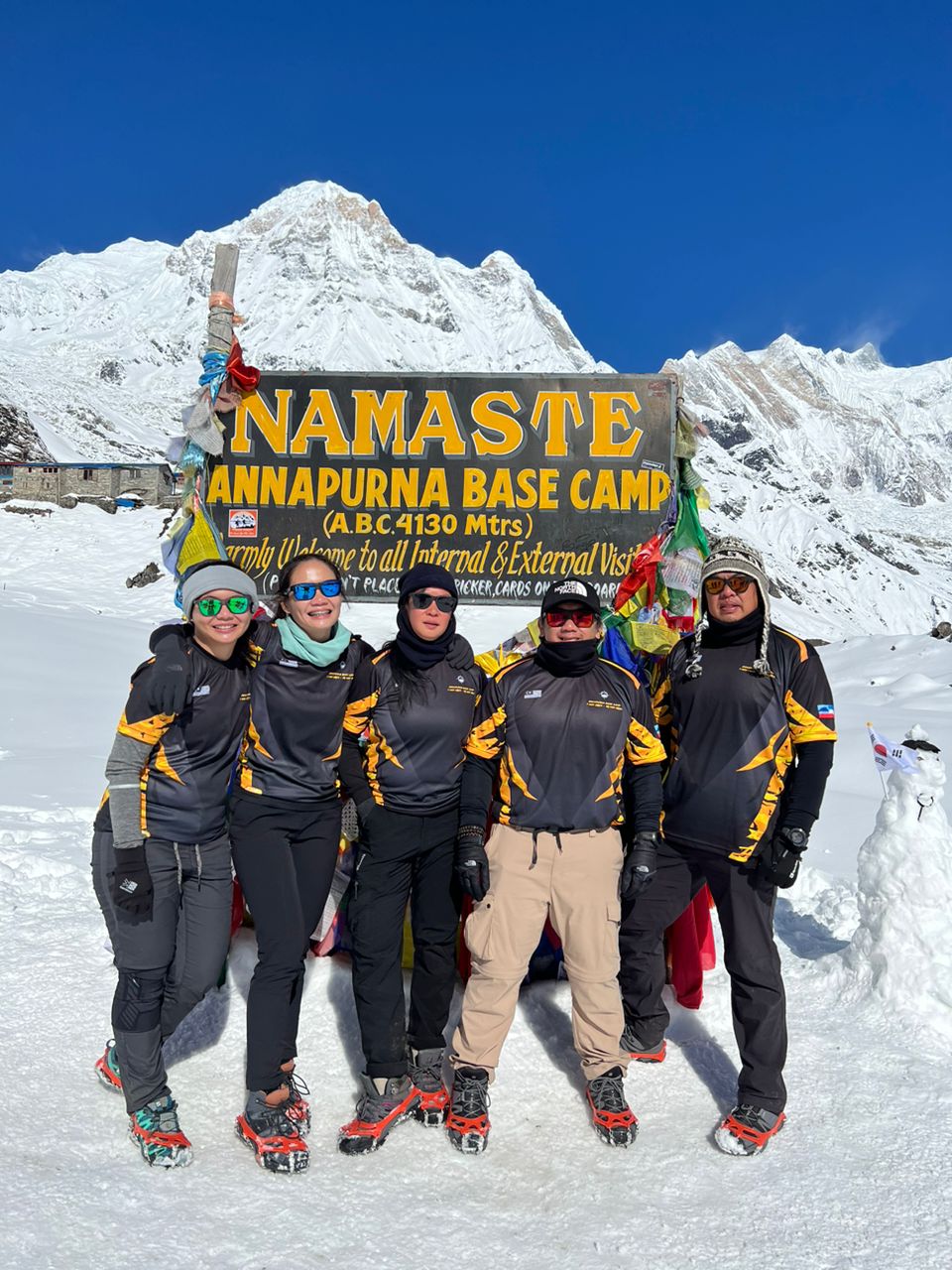
4130m / 13,550ft (Annapurna base camp)Meals
Breakfast, Lunch and DinnerAccommodation
Tea HouseDay 10: Trek down to Bamboo, Time: 7 Hours
The 10th day of the Annapurna Base Camp Trek will drop us down to 2500 meters altitude from over 4000 meters altitude at Annapurna Base Camp. Since it’s mostly downhill trek today, we will be able to cover a lot more distance compared to the uphill days of the trek. On the way, you will cross an old suspension bridge which is not a welcoming sight for people with a fear of heights.
Once you reach Bamboo, you might be able to get a couple of lines of network on your cellular device. You will finally be able to enjoy uniterrupted the internet connection! Trekking downhill might sound like a piece of cake but you have to be really careful as you can slip or place your foot on loose rock.
Activity & Duration
Trek to bamboo 7 HoursHighest Altitude
2145m / 7,037ft (Bamboo)Meals
Breakfast, Lunch and DinnerAccommodation
Tea HouseDay 11: Trek down to Jhinu Danda, Time: 6 Hours
Since you are returning from experiencing the climax of the Annapurna Base Camp Trek, you might be somewhat unmotivated for the rest of the way back but the hot springs at Jhinu Danda are worth the walk down. Basically, it’s a big natural hot spring that can fit in 20 people at once. There are 2 hot springs in the village which is enough to accommodate the number of daily trekkers.
Activity & Duration
Trek to jhinu dada 6 HoursHighest Altitude
1780m / 5,840ft (Jhinu dada)Meals
Breakfast, Lunch and DinnerAccommodation
Tea HouseDay 12: Trek from Jhinu Danda to Pokhara, Time: 4 Hours of walk and 2 Hours of drive
Spending the night in Jinhu Danda will be the last night in the hills of Annapurna. Following a delicious morning meal, we will shortly begin our trek to Naya Pul. We will hike down along the Modi Khola River to reach Landruk, Siwai, and ultimately Naya Pul via Birethanti. This section of the journey will take us about 4 hours and it’s a relatively easy walk.
From Naya Pul, we will get on a jeep to Pokhara which should take around 2 hours. After you reach Pokhara, you once again have plenty of time to explore the amazing city.
Activity & Duration
Trek to samrung jeep station and drive to pokhara2 Hours of driveHighest Altitude
820m / 2,690ft (Pokhara)Meals
Breakfast, Lunch and DinnerAccommodation
Tea HouseDay 13: Back to Kathmandu, Time: 7 Hours
The following morning, we will prepare to leave for Kathmandu, you will have your last breakfast in Pokhara, taking in the breeze of the lake for one last time before leaving the city. We will arrange a tourist bus for transportation as they are the best bus you can get.
Activity & Duration
Drive back to kathmandu by tourist bus7 HoursHighest Altitude
1350m / 4,429ft (Kathmandu)Meals
Breakfast, Lunch and DinnerAccommodation
Tea HouseDay 14: Departure
Day 14 is the final day of the Annapurna Base Camp Trek. We will sort out all the things that have to be done before we drop you off at the international airport as per you flight schedule.
Activity & Duration
Drop to airport send your homeMeals
BreakfastAccommodation
-Includes / Excludes of Annapurna Base Camp Trek Via poon Hill
What is included?
- All airport pickup and drop by private vehicles.
- Pokhara to Nayapul and Jhinu dada to Pokhara by private vehicles.
- Two night’s three star twin-sharing basis hotel with breakfast in Kathmandu.
- Two night’s three star twin-sharing basis hotel with breakfast in Pokhara.
- Full broad meals tea/coffee (Breakfast, Lunch ,Dinner) during the trek.
- Best available twin-sharing (Tea House) Accommodation during the trek.
- English-speaking experience Knowledgeable government license holder guide (1 Porter: 2 Trekker’s) all his salary, food , dink , accommodation and insurance included.
- All necessary paper works (Annapurna conservation area project entry permit) and trekking information management system TIMS,
- First aid medical box
- Sleeping bags and duffle bags ( Returned back after trip completed).
- Arrangement of Emergency Helicopter service (paid by your Travel Insurance Company).
- Glory Adventure t-shirt.
- All government tax and local tax official expenses,
- Noted: Arrangement of Emergency Helicopter service (paid by your Travel Insurance Company).
What is excluded?
- International airfare and Nepal entry visa fees.
- Extra night hotel in Kathmandu and Pokhara.
- Meals whilst you are in Kathmandu and Pokhara (Lunch and Dinner).
- Extra activities in Kathmandu and Pokhara.
- Your Personal Expenses.
- All the alcoholic and non-alcoholic cold and hot drinks on trek.
- All desserts sweet things like chocolate, cake, pie, pudding.
- Hot shower and battery charging on the tea houses.
- Tips for guide(s) porter (s) driver (s)
Route Map & Altitude Chart
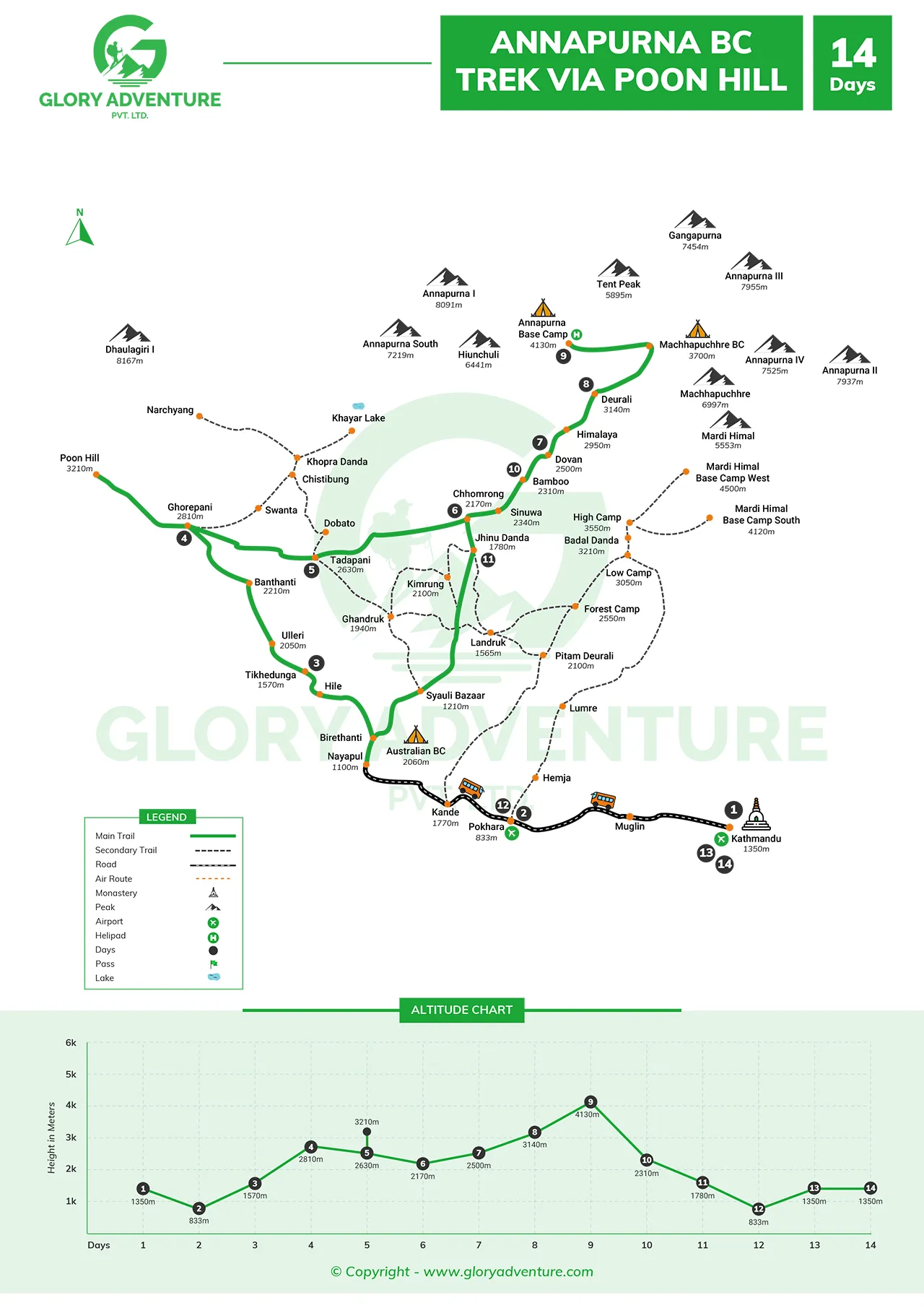
Essential Information of Annapurna Base Camp Trek Via poon Hill
Difficulty
The Annapurna Base Camp Trek is one of the most accessible highland destinations in the country. The trek is categorized as a moderately difficult trek given the uphill sections through stone steps and avalanche-prone areas but other than that, the trail is not very difficult. On a scale of 1 to 10, our guides rate this trek a solid 7.
Some other aspects that make it a bit difficult is the cold temperature of the high Himalayas and the decreased oxygen content in the air.
Best seasons
You can basically do the Annapurna Base Camp (ABC) trek at any time of the year but there are favorites. In general, you should not undertake the trek in monsoon and winter season, unless you fully know what you are getting yourself into.
The optimal seasons for the Annapurna Base Camp trek are summer, spring, and autumn. These three seasons are the best for views and overall trekking conditions. However, summer can bring in a bit more rain than spring and autumn but the views in summer days are the best you can get.
Altitude Sickness
Altitude Sickness is a major problem at altitudes above 4500 meters since that is where you really start to feel the effects of altitude and thin air. But since we will not reach such a high altitude we should be fine. However, this does not mean that you are completely safe from the effects of altitude sickness.
Some trekkers might feel slight effects of altitude sickness from 3500 meters. The effects are not grave at that level of altitude but it sure is an inconvenience. Trekkers might feel slight headaches and nausea which can be cured by going down a couple hundred meters or taking a pill.
Accommodation, Food, and Drink
Accommodations during the Annapurna Base Camp Trek are limited to lodges, inns, and homestays which are not a luxury but rather a necessity amenity. These establishments are comfy and cozy and run by the local families. Staying at these accommodations helps the locals of the village who do not have many sources of income.
Food and drinks in the Annapurna region are based on the 4 main seasons of the region. Different seasons call for different vegetables that are locally grown, and importing mass-produced foods to such remote areas is not a viable option for the villagers. So the majority of the items a that you eat are locally produced.
However, you will find Rice and lentils, Dhindo, toast and eggs for breakfast, pancakes, noodles, pasta, etc. whole year round.
Transportation
Your transportation from Kathmandu to Pokhara and back and Pokhara to Nayapul and back are a part of the Annapurna Base Camp Trek package. This means that trekkers do not have to finance them separately. This trek package does not cover any other transportation expenses including any of the flight you have to make to attend this trek.
Permit
The Annapurna Base Camp Trek necessitates the Trekkers’ Information Management System (TIMS) and Annapurna Conservation Area Project (ACAP) Permit. Both of these permits are covered by the trek package and the guide will help you get these permits at the right time.
Though most part of the Annapurna Base Camp trek are relatively easy, there are some portions that are taxing on the body. For this, you have to be well-prepared. We recommend you work out for at least 3 days a week for 6 weeks before your scheduled start of the trek. If you are someone who is overweight, you must be very careful on selecting this trek as it can prove to be a wrong decision.
Going on short hill hikes is the best way to prepare for any trek but if that is not an option you can simply focus on cardio exercises.
Cost & Budget
The cost of the Annapurna Base Camp Trek is fairly priced at USD $: 950 per head. We have come up with this number after reviewing the amount of services we provide and the convenience we offer. We recommend carrying some cash with you as well since the remote Himalayan region does not have ATM outlets and digital payments are available but can’t be very reliable where network connections are minimal.
Gadgets charging & Internet
The Annapurna region is one of the most developed and well-maintained trekking routes in Nepal which makes it a very facilitate hilly region. But you might face power outages at times which can keep you from charging your gadgets. These power outages last for a couple of hours or some minutes. Internet services are hard to come by at high altitudes but you will find plenty of stable Wi-Fi networks at lodges in lower regions.
Your Extra expense
Additional (extra) meals except for breakfast, lunch, and dinner, are considered your extra expense along with Wi-Fi charges, hot shower fee, travel and medical insurance, flight expenses, personal trekking equipment, visa fees upon arrival, personal trekking equipment, tips for the guides, and any other aspects not mentioned as inclusive.
Frequently Asked Question (FAQ’s)
Yes, a beginner can join this trip but they have to be very well-prepared for the trek. The Annapurna Base Camp Trek is mostly walking plain uphill trails but stone steps sections can prove to be very tiring for beginners who are not physically active as much. We recommend beginners train their legs and core to strengthen their leg muscles and stamina. Another aspect beginners have to beware of is altitude sickness. Beginners should research about it before setting off for their trek.
The Annapurna Base Camp trek is 14 days long, starting and ending at Kathmandu. During your 2 weeks so trip, you will cover a distance of 110 kilometers walking along the hilly trails of the Annapurna region. You can also choose to shorten the trek if you are experienced enough to cover more distance in a single day than recommended. Beginners can also choose to extend the trek to allow for acclimatization or rest days.
The months March, April, and May are definitely the best time for the Annapurna Base Camp trek. During these months, rainfall is less, the clouds steer clear, and the views are more vibrant with new leaves on trees and flowers on plants.
The Everest Base Camp trek is definitely the difficult one as it requires more days, reaches a maximum elevation of 5,643 meters and requires staying in extreme climate conditions. In comparison, the Annapurna Base Camp Trek is not as difficult but that does not mean that it is a walk in the park. You must be physically ready for the trek and mentally prepared as well.
Yes, there are a couple of warm and cozy accommodations at the Annapurna Base Camp. These lodges are not fancy at all, they are there to provide you shelter from the extreme cold of the Himalayas. The rooms are not heated but they do provide enough blankets to keep you warm through the night. If you want to get some warmth by the fire, you can visit the communal kitchen/hall.
It is not a sense of which trek is better but rather a matter of interest and compatibility. If you are a beginner you should definitely stick to the Annapurna Base Camp Trek and if you are a well-experienced trekker you can go for the EBC trek. But that does not mean that the Annapurna Base Camp Trek is only for beginners, seasoned veterans should also do the ABC trek to experience the beauty of the Annapurna region.
Trip Reviews on Annapurna Base Camp Trek Via poon Hill

Price starts from
US$ 902
For group of minimum 3 Pax
US$ 950
Need Help?
Managing Director Saroj (+977-9806627713)
Related Trips

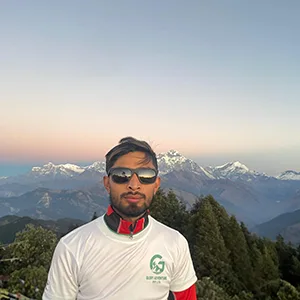
Saroj Sunar Travel Consultant
Looking for a Private Trip?
Say Hello to Your Travel Consultant
Planning your next getaway? Our travel specialists are ready to design a fully customized package tailored to your interests. If you need help or have any questions, feel free to connect with us—we’re here to guide you from start to finish.
Price starts
US$ 760
✖
Free Trip Planner Talk to Mr. Saroj Sunar