
 Talk to Mr. Saroj
 English
 Malay
Malay Dutch
Dutch Japanese
 Hindi
Hindi Italian
 Spanish
 French
 German
 Chinese
 Korean
 Arabic
 Hebrew
 Russian
 Portuguese
 Danish
 Czech
Czech Polish
 Swedish
 Plan Your Trip
Mardi Himal Trek: Solo vs Guided Which One Suits You?
Best known for its multitude of things to do, Mardi Himal in Nepal’s Annapurna region is not short of amazing natural beauty, cultural diversity, and tranquility. While the trek is not as busy as the Annapurna Base Camp or Everest Base Camp routes, it still has thrilling attractions. The trek can be described as a hidden gem which is fantastically suitable for trekkers wishing to experience a Himalayan adventure without crowds.
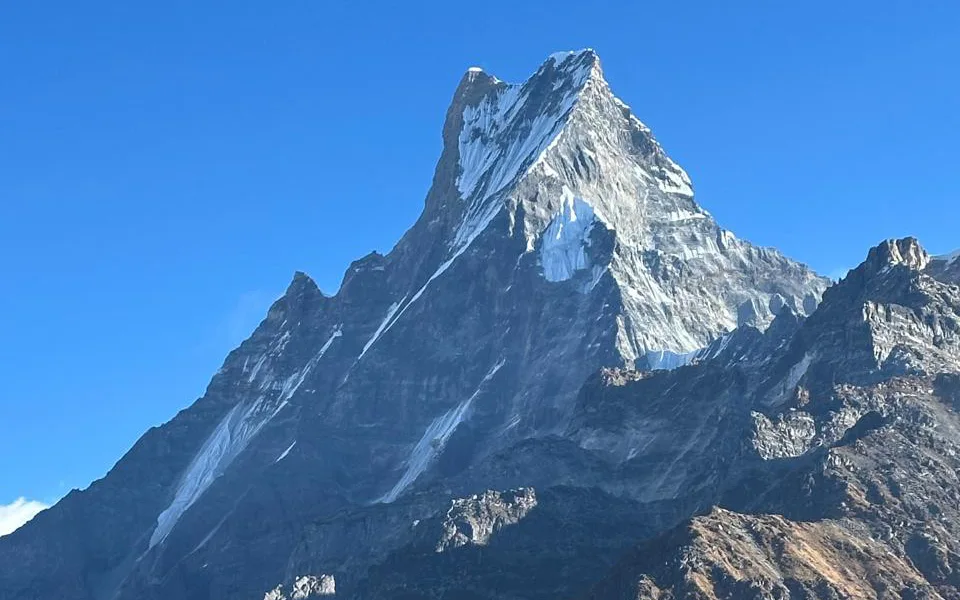
The trek is beautifully scenic itself, revealing sight of some of the world’s most iconic peaks like Machapuchare (Fishtail Mountain), Annapurna South, Hiunchuli, and even Mardi Himal. The route is dotted with Gurung villages, breathtaking mountains, alpine meadows, and enchanting rhododendron forests.
A standout perk of the Mardi Himal Trek is its customization to personal preferences. If you’re short on time or want to fully dive into the stunning formations of the Himalayas, there’s an itinerary for you. Here at Glory Adventure, we provide two options:
- Adventure Short Mardi Himal Trek 5 Days: Fulfills the requirements for those who are seeking adventure in a time crunch. This route is compressed yet covers all the highlights without missing any views or experiences.
- Classic Mardi Himal Trek 10 Days: Tailored for travelers wishing for in-depth cultural experience with opportunities to explore more side trails, high camps, and everyday local life.
Due to its moderate level of difficulty, Mardi Himal is accessible for both novice and experienced trekkers. The trail does not require any expert mountaineering techniques, making it a relatively easy yet rewarding trek, especially for first-time trekkers in Nepal.
Do you want to consider trekking Mardi Himal by yourself or with the assistance of a professional trekking guide?
This choice will influence your entire trekking experience. Solo trekking allows one to fully experience freedom, and is kinder on the wallet, while guided treks offer safety, expert logistical support, and local knowledge of the area. In this detailed blog, we will discuss each option’s advantages and disadvantages, use case scenarios including cost, safety, level of difficulty, and provide helpful recommendations on how best to prepare for your adventure.
Mardi Himal does not disappoint whether for locals seeking the sun, or people wanting to immerse themselves and experience the local culture, it surely delivers spectacular views over the Annapurna mountain range.
Quick overview of Mardi Himal Trek
No matter if you opt for a short adventure or longer immersion trek, the majestic views coupled with rewarding experiences are unparalleled. Here is a summary based on our two most popular itineraries.
Trek Duration
- 5 Day Short Mardi Himal Trek – This is a fast paced scenic ordeal for those pressed on time.
- 10-Day Classic Mardi Himal Trek – Relaxed pace itinerary for acclimatization, cultural stops, and leisurely exploration.
Maximum Elevation: 4,500 meters (Mardi Himal Base Camp)
Trek Difficulty Level: Moderate – Great for beginners with a reasonable level of fitness, warm weather, and for seasoned hikers looking to avoid crowds.
Where the Journey Starts: Kande or Phedi (about 1.5 hours from Pokhara by car)
Peak Visiting Times:
- Sep to Nov: Perfect conditions with little to no rain, ideal temperatures, and visibility
- March to May: Increase in temperatures, clearer skies, blooming vegetation and rhododendrons.
Solo Mardi Himal Trek:
For those looking to explore themselves Mardi Himal offers stunning views paired with an inspirational setting and solitude. Undoubtedly the first outside perspective will be intriguing. But venturing solo comes with its risks of getting lost and injured that make the adventure feel even more exciting.
Pros:
Flexibility and Freedom
Being able to take breaks and set your own personal guides offers the ability to personalize the trek with your own goals and opens more opportunities for relaxed exploration.
Cost-Effective Exploration
Going solo will help you cut costs if you are trekking on a tight budget. Assigning a guide or a porter won’t be an additional expense, allowing you to have complete discretion on how your finances are spent. A large number of independent travelers complete the Mardi Himal Trek for approximately $250–$300, depending on the duration and season.
Deep and Transformational Learning
You will be able to deeply understand and feel the journey when it comes to solo trekking in Nepal. Self-dependency, intuitive navigation over unknown lands, overcoming ways of immersion with nature, and many more skills can be achieved one step at a time. Many solo trekkers reflect over their experiences and struggle to put their thoughts into words as it’s difficult to explain how life changing the whole process was.
Cons:
With and Without Maps
Although Mardi Himal content has increasingly better wayfinding systems, you can still get lost outside during fog, snow, or poor visibility. GPS applications such as Maps.me are helpful, but in addition to them, having a paper map and inquiring assistance from locals is a must.
Danger to Person and Medical Challenges
Injury, exhaustion, altitude sickness and other issues can prove to be deadly for solo trekkers. If any of these issues arise without a guide, the chances of getting help during these stretches becomes quite bleak delaying assistance which can prove dire.
Language and Cultural Barriers
During lower elevations, English is widely spoken. However, at higher elevations, use of the language is limited. If you lack proficiency in Nepali, communicating your needs at teahouses or during emergencies may impede your experience and compromise your safety.
In conclusion, the freedom and adventure of solo trekking Mardi Himal are perhaps unrivaled, but as with everything rewarding, they come with responsibilities and risks that shouldn’t be taken lightly. For a successful solo trek, planning, having adequate gear, and awareness of the current environment is crucial.
Guided Mardi Himal Trek: Benefits and Drawbacks
For a number of hikers, securing a guide for the Mardi Himal Trek is not just an added luxury, but a means to ensure safety, cultural insight, and ease logistics around hiking in the region. While incurring additional expenses toward a guide may not align with the budget of many, the advantages offered to the experience are likely to offset the cost, particularly for those new to Nepal or seeking a more streamlined escapade.
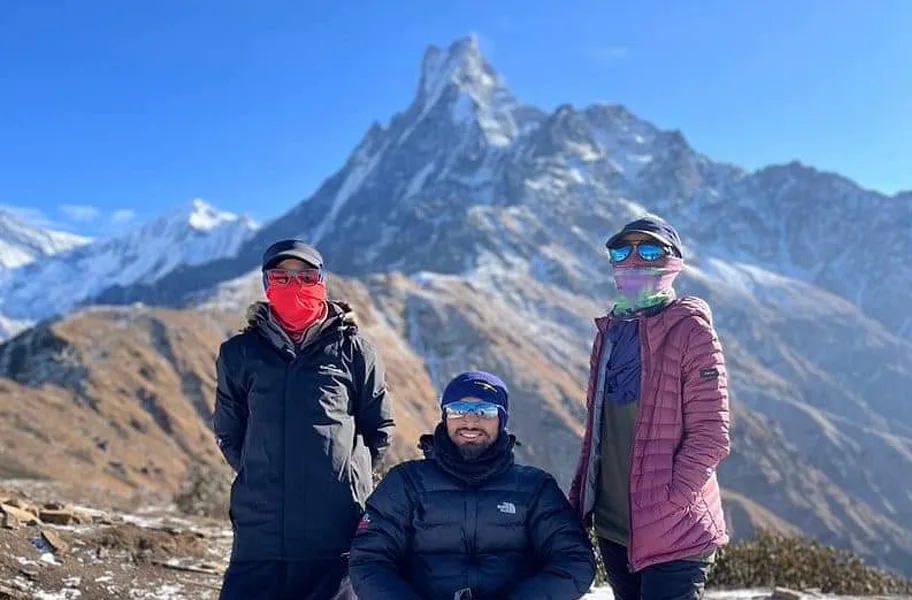
Now, we will briefly discuss the pros and cons of doing the Mardi Himal Trek with a guide.
Pros of Hiring a Guide
Invaluable Local Knowledge
Trekking certified guides provide more than just navigational services. They are the living library of captivating traditions including the flora, fauna, and historical anecdotes of the Himalayas. A decent guide will tell you the cultural stories and the significances temples hold, point national flags, and tell you local practices which you will miss during casual treks. It’s a walk transformed into a wholesome expedition.
Enhanced Safety and Support
Altitude sickness and unforeseen weather are some difficulties of higher elevations. Professional guides undergo training in first aid, mountain safety, and altitude awareness. Monitoring health and pace and emergency decision making are crucial aspects in trekking that professional guides outline. If you become unwell or require a rest, a guide has the capacity to arrange support or helicopter admission far quicker than if you were on your own.
Stress Free Logistics
Guides deal with everything, along with arranging the transport TIMS and ACAP permits, reputed teahouses, and tracking schedules. This becomes especially handy during busier trekking periods when availability becomes limited or bureaucratic conditions become overly complicated.
Cultural Tie and Linguistic Link
An area professional enables authentic relations with villagers, lodge owners, and other trekkers. She translates in cases where English is not common. She helps out with food and traditional ceremonies, increasing her understanding of the culture.
Cons of Getting a Guide
Increased Payments
A guide will lift the trekking expenditures. A licensed guide costs approximately $25 to $35 dollars per day (not including tips). For cash strapped wanderers, this could pose a problem, but many people do believe the services are worthwhile spending the money on.
Less Freedom
Most guides are flexible, but for some travelers, their guide’s pre-booked accommodation alongside check-in points makes the entire trip feel like a race.
To conclude, selecting an escorted Mardi Himal Trek features reassurance, enriched culture, and simplified logistics, which make it an ideal option for novices, unsupported solo travelers, or anyone who wishes to immerse themselves in Nepal more fully. If safety is your primary concern, convenience, and meaningful engagement during the trek, then traveling with a guide is best.
???? Tip: Looking for the best of both worlds? Hiring a porter-guide is the answer; a local who carries your bag and provides guidance making it a balanced affordable choice.
Permit Prerequisites for Mardi Himal Trek
If you intend on either guiding or being guided when trekking Mardi Himal, preparation must be made beforehand to ensure all required permits are obtained. Such permits serve to facilitate legal compliance for protected areas as well as safety and conservation measures. The following is a compilation of your requirements:
TIMS Card (Trekkers’ Information Management System)
The TIMS card is required for every Nepal Trek and assists with government safety tracking measures. The additional charge, irrespective of solo or guided treks, is approximately $20 or roughly NPR 2,000.
- Solo Trekkers: TIMS cards can be purchased from either NTB located in Pokhara or Kathmandu.
- Group Trekkers: For group or guided treks, guides usually take the responsibility of purchasing TIMS cards.
ACAP Permit (Annapurna Conservation Area Permit)
To trek within the Annapurna region, including the Mardi Himal Trek, the Annapurna Conservation Area Permit (ACAP) is a prerequisite. The ACAP permit plays a vital role in the upkeep of the conservation area as well as the local inhabitants.
- Solo Trekkers: You may collect this permit from the Nepal Tourism Board office at Pokhara or Kathmandu.
- Trekking Agencies: In case you make a booking through a trekking agency, usually the charge of TIMS card and ACAP are covered in the trek package.
Important Note on Permits:
Irrespective of being easy to obtain, the permits are important to have organized before starting the trek. If trekking with a guide, the majority of the time the guide takes care of this aspect. If you are trekking solo, you need to make a stop at the Nepal Tourism Board office in Pokhara or Kathmandu and also bring a passport-sized photograph.
At What Time Should One Trek Mardi Himal
Selecting the appropriate season for your Mardi Himal Trek is very crucial if you want to have a relaxed and enjoyable experience. Here’s a summary of what each season brings:
Spring (March-May)
- Highlights: An abundance of blooming rhododendron forests, moderate temperatures, and clear skies. This period is one of the best for visiting because the trail is absolutely vibrant and the weather is stable.
Autumn (September-November)
- Highlights: Crisp air, perfect visibility with fresh and pristine air, great views of Annapurna as well as Mardi Himal ranges. Draped with mild temperatures and dry conditions, the autumn season is one of the best times for trekking.
Winter (December-February)
- Highlights: Tranquil trails with fewer crowds. Snow and freezing temperatures can make it more challenging. It becomes necessary to be well-prepared with additional gear and warm clothing.
Monsoon (June-August)
- Highlights: Heavy rainfall with slippery trails and increased leech activity. The season is mostly not recommended for unaccompanied trekkers as weather conditions can become wildly inconsistent and dangerous.
When selecting between a solo trek and a guided trek, the factors that need consideration include personal experience, budget, and the type of adventure one seeks. Check the table for reference:
| Criteria | Go Solo If… | Hire a Guide If… |
|---|---|---|
| Experience Level | You’ve trekked in Nepal or similar terrains before. | You’re new to high-altitude trekking or Nepal’s trails. |
| Budget | You’re on a tight budget and can manage independently. | You can invest in a safer, enriched experience with support. |
| Language Skills | You’re comfortable with basic Nepali or phrasebooks. | You prefer smooth communication in English and local languages. |
| Adventure Preference | You enjoy solitude and the challenge of self-reliance. | You value cultural exchange, safety, and support throughout your journey. |
For certain trekkers, a combination of both guided and solo treks is the ideal solution. You are free to set out on your own and thus have the freedom to plan your trek; you can set out on your own and plan your route, and then decide to book a guide just for specific sections of the trail (for example – challenging or high-altitude sections) so that you receive assistance for the hardest parts of the journey while still having the freedom for the rest of the trek.
Important Checklist for Mardi Himal Trek
Regardless of whether you intend to ride solo or with a trekker, smart packing is a must. Here is what you need to prepare for:
Clothing and Equipment
- Waterproofs and down jacket with base layers
- Trekking boots specialized made to increase comfort while walking.
- A Power bank ready to charge devices like phones and cameras.
- A headlamp for use at night.
- Sunglasses, sunscreen, and lip balm for sun protection.
Health and Safety
- Basic first-aid kit consisting of bandages and antiseptics, headache and pain relievers.
- Altitude Sickness medication (Diamox).
- Water purification tablets or a filter.
- Snacks, trail mix, and energy bars.
Note: You can visit our detailed guide for the full Mardi Himal trek packing checklist for all your needs.
To Wrap Up
Every person stands to gain several advantages whether they decide to embark on solo or guided treks.
- With Adequate Experience: Solo treks are ideal for budget-cutters and highly independent people.
- Advance Purchase: Consider hiring a guide if you want a more relaxed journey, hassle-free assistance, safety, and deep cultural immersion.
Pro Tip: Whatever the case, beauty and tranquility will reward every effort on the Mardi Himal trek.
Frequently Asked Questions
These are some of the most common queries trekkers have when they plan their Mardi Himal Trek:
- Is the Mardi Himal Trek beginner-friendly?
Yes, the Mardi Himal Trek is regarded as one of Nepal’s easier treks. Some fitness preparation is advisable, but overall it is a moderate trek and does not require any prior trekking experience.
- Is travel insurance necessary for this trek?
Yes, having travel insurance that covers high-altitude trekking (up to 4,500 meters) along with emergency evacuation, such as by helicopter, in case of sickness or injury is highly recommended.
- Is there access to ATM along the route?
No, there is no access to ATM machines along the Mardi Himal trek route. Ensure to change your currency in Pokhara before embarking on your journey.
- Is there a possibility to rent trekking equipment in Pokhara?
Of course! In Pokhara, you can rent all kinds of trekking equipment, including sleeping bags and trekking shoes, which makes it really convenient for you. We recommend looking for trekking gear at the rental shop or local shops as they offer really competitive prices.
- What is the level of difficulty of Mardi Himal Trek?
Mardi Himal Trek is of moderate difficulty. It does have some steep climbs and gains a good altitude, especially around the base camp. It isn’t the most difficult trek in the World, but some degree of physical fitness is encouraged.
- Is Mardi Himal trek suitable for child aged lower than 10 years?
Definitely, as long the child is of a reasonable age where he or she can walk a good distance. Remember to check how children respond to walking the distance and pace and take on the trek ensuring it is manageable for them.
- Is it possible to trek to Mardi Himal in the winter?
Though not very populated with tourists, December – February offer a good view with limited trekking conditions due to snow and cold weather. If you wish to trek during the winter, be ready for the cold and pack wearable gear along with extra equipment as you will encounter difficult conditions.
- What is the best way to prepare for the Mardi Himal Trek ?
Your fitness level plays the most important role. Body gets into shape and builds stamina through regular cardio, which can involve hiking or walking on inclined surfaces. For the trek, it is helpful to practice walking with a backpack balanced with weights.

