
 Talk to Mr. Saroj
 English
 Malay
Malay Dutch
Dutch Japanese
 Hindi
Hindi Italian
 Spanish
 French
 German
 Chinese
 Korean
 Arabic
 Hebrew
 Russian
 Portuguese
 Danish
 Czech
Czech Polish
 Swedish
 Plan Your Trip
Koshi Tappu Wildlife Reserve : A Complete Travel Guide for First-Time Visitors
Koshi Tappu Wildlife Reserve is one of Nepal’s most unique and beautiful natural destinations. It is a protected wetland situated in the east of the Terai plains, and it is known for its good birdlife, rare wildlife, and serene river scenery. If this is your first visit to Nepal, this Koshi Tappu wildlife reserve guide will enable you to know what makes this place special and how you can prepare your trip.
Koshi Tappu Wildlife Reserve was established in 1976 AD to preserve the endangered species of Arna, also called the Asiatic wild water buffalo. It is the only location in Nepal where you can find these rare buffalo roaming about in their natural habitat.
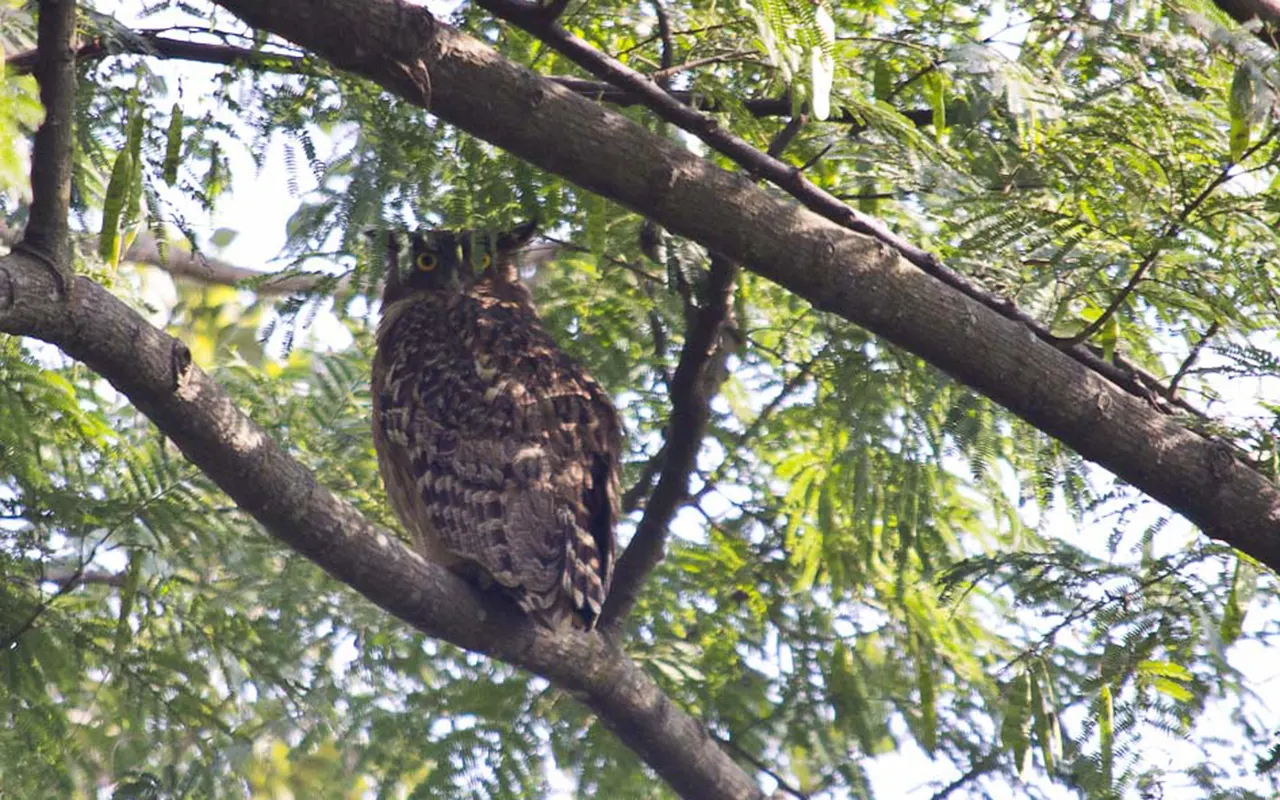
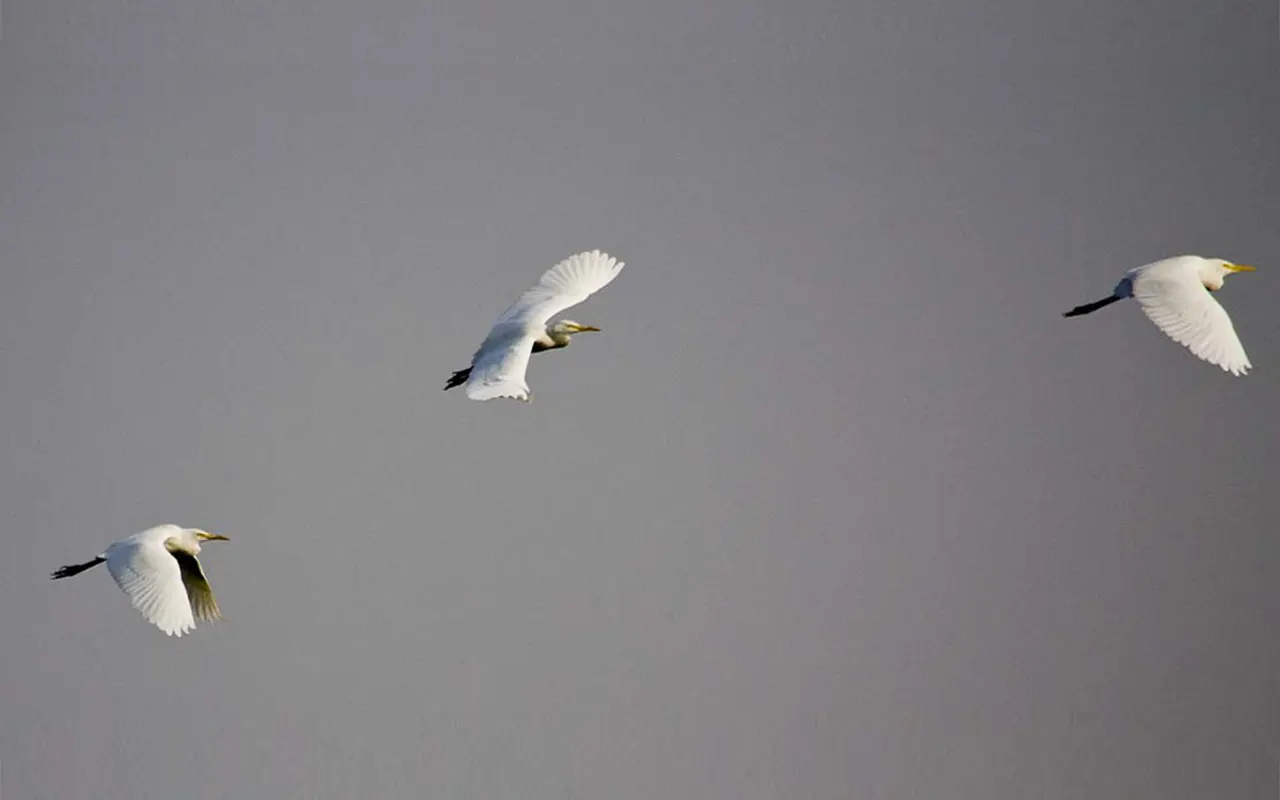
This reserve is also a haven for birds. The wetlands are visited by hundreds of bird species, comprising a significant number of migratory birds in Siberia and other areas of Asia. The place is crowded with ducks, cranes, storks, and other colorful water birds in winter.
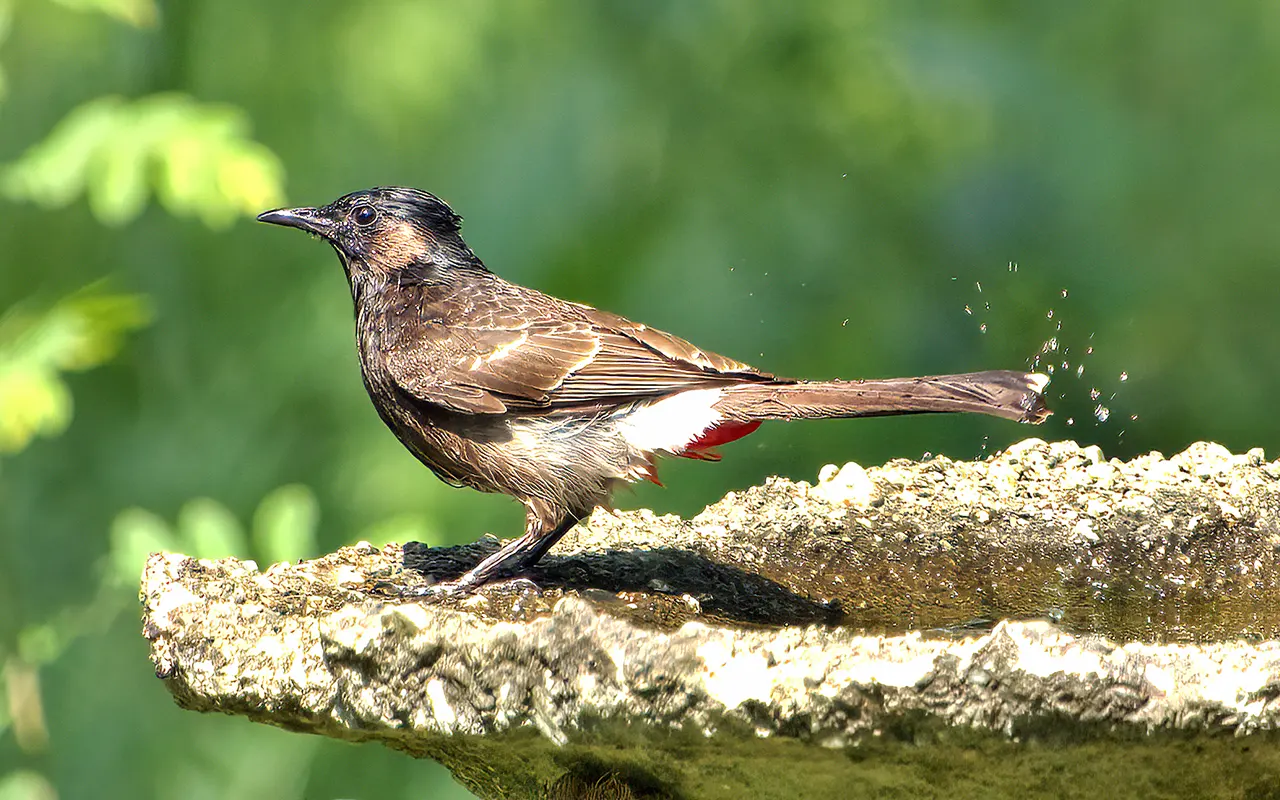
The Koshi Tappu Wildlife Reserve consists of broad grasslands, marshes, river beds, and reed beds on the Sapta Koshi River. It is a natural landscape that sustains a large population of animals, which includes deer, wild boar, crocodiles, and even river dolphins. In addition to the wildlife, there are also Tharu villages that tourists can visit and discover the local culture.
Birdwatching, jeep safaris, boating, or photography are all great activities to do in the Koshi Tappu Wildlife Reserve, which makes the place a quiet and rewarding place to visit.
This complete Koshi Tappu wildlife reserve guide will walk you through everything you need to know before you go.
Geography and Ecology
The Koshi Tappu Wildlife Reserve is located on a broad bank of the Sapta Koshi River on the eastern Terai in Nepal. It is a generally flat land, and in the case of the monsoon, the river is dispersed and covers huge territories. It is a seasonal flooding that determines the appearance of the reserve and makes it marshes, ponds, sandbars, and meandering river channels. If you are reading a Koshi Tappu wildlife reserve guide for the first time, think of this place as a living wetland that changes with the water level.
There are tall reeds and grass-grown reserves with lotus and water lilies, as well as areas of riverine forest. These plants serve to feed and shelter a number of animals. You can see deer, wild boar, otters, and jackals, and even at times some elephants traversing through the grasslands.
The best known of these animals is the Arna, the Asiatic wild water buffalo. Koshi Tappu Wildlife Reserve is the only place in Nepal where this endangered buffalo still lives in the wild. The river is also the habitat of the crocodiles, and on good days, you can even see a Gangetic dolphin coming out of the water.
One of the largest reasons why people come to visit is the birdlife. During winter, the migratory birds are attracted in large numbers, making the wetlands a well-trodden feeding and resting paradise. This reserve is a unique place of river, grassland, and wetland with birds, which nature lovers would like to visit.
Getting There: Air, Road, and Local Transport
Koshi Tappu Wildlife Reserve is not as difficult to reach as most mountain parks, but much further to the east, so it is easier to plan. First-time visitors usually start their trip with the big city closest to their destination, Biratnagar, the travel hub. Kathmandu-Biratnagar domestic flights are used by a large number of people as they are time-saving and do not involve a long road journey. The reserve area is approximately 2 hours’ drive away, based on road and weather from Biratnagar.
You use the East-West Highway, traveling by bus or by private vehicle, from Kathmandu to Biratnagar, in case you want to go by road. The route is very extensive and, thus, it is ideal among travelers who wish to explore more of the Terai or even those who are on a stricter budget. Once at Biratnagar, you can choose to go to the reserve by the local buses, shared jeeps, or by taxis.
An efficient Koshi Tappu wildlife reserve guide usually suggests that you arrange transportation in advance, in case you would like to be comfortable and make random stops to take photos or to take rest.
During rainy seasons, it is convenient to use private jeeps because the roads may be in poor condition. Some lodges and camps can also organize pick-up, which is helpful if you are carrying camera gear or traveling in a small group.
Due to the proximity of the reserve to the border areas, some of the travelers arrive in Nepal towns through the east, but accessing the reserve is most convenient through the Nepal side, with Biratnagar or Itahari as a base.
Entry Permits and Fees
Any visitor must have an official entry permit to enter the Koshi Tappu Wildlife Reserve. This ticket is available at the reserve gate or the park. The permit is examined in the reserve; carry it everywhere you go on safaris, boat trips, or on guided walks.
The permit fees are based on nationality. The lowest rate is paid by Nepali citizens, the middle rate by the visitors of SAARC, and the highest rate is paid by international visitors. Since the permit is mostly issued as a daily pass, you will be required to pay every day that you stay. Most counters accept cash in Nepalese rupees, so carrying small notes makes the process easier.
This Koshi Tappu wildlife reserve guide is also a reminder to visitors that special permission might be required in order to film or take commercial photographs. It is okay with normal travel photos; however, where a professional shoot is concerned, it is always better to ask permission first through the relevant authorities.
Koshi Tappu Wildlife Reserve also does not need trekking documents such as the TIMS due to the flatness of the terrain and the short walks taken. Nevertheless, the reserve has a rigorous conservation policy: no plant picking, no disturbing of animals, or littering. By observing these regulations, one will help preserve a wetland where endangered animals live, and many migratory birds can be found annually.
When to Visit and What to Pack
Koshi Tappu Wildlife Reserve is mostly visited during October and March. These months are cooler and drier, and hence, the travel is easy, and the wildlife viewing is more comfortable.
It is also the best season to watch birds during winter, as most of the migratory birds come and form large masses along the wetlands. The mornings are cold, particularly in the period between December and February; however, daytime temperatures are favorable.
The Terai is quite hot between April and June, and extended outdoor exercise can be tiring in the afternoon. The flooding and heavy rainfall are caused by the monsoon season, which occurs mainly between July and September. The wetlands are also active and green, though some areas at this time may be muddy and inaccessible.
The Koshi Tappu wildlife reserve guide often suggests avoiding monsoon travel unless you are prepared for delays and changing river conditions.
The process of packing is easy if you are keen on comfort and protection. Wear casual clothes during the day, and warm ones during early mornings and evenings. Walking shoes that are comfortable on rough or wet roads.
Insect repellent comes in handy, and sunscreen and a hat save you on open grassland roads. Binoculars are very handy if you are birdwatching, and a zoom lens on a camera is helpful when dealing with wildlife at a safe distance.
Bring clean drinking water and some snacks, because sometimes there may be nothing close to the reserve. Carrying cash in small bits is also useful for permits, transport, and tips.
Wildlife and Activities
Koshi Tappu Wildlife Reserve is known as a place of quiet and nature-oriented experiences, as opposed to adventure-oriented ones. Birdwatching is the most significant attraction. The wetlands support hundreds of species throughout the year, and at times in winter, the bird population can be overwhelming in a good sense. Whether it is ducks and geese or storks and eagles, the reserve offers bird lovers numerous opportunities to see some of the rare and beautiful species.
Another most significant activity is the jeep safari since the grasslands are expansive and the animals tend to keep away. During one of your drives, you will come across the Arna, the Asiatic water buffalo. You may also see deer, wild boar, jackals, and, with some luck, elephants traversing the area. Wildlife movement and less harsh heat are best in the early mornings and late afternoons.
Another sightseeing experience is the boat tours around the river channels in the reserve. Birds feeding along the banks and occasionally crocodiles resting on sandbars are just some things that one can see from the water. Visitors witness a Gangetic dolphin surface on rare occasions. This peaceful river viewing is one of the major activities on the itinerary of the Koshi Tappu Wildlife Reserve.
Cultural visits are also meaningful. Villages close to the wetlands, such as Tharu communities, provide tourists with an opportunity to understand the local life, food, and traditions that coexist with the wetlands. To the photographers, the combination of river, reeds, birds, and village makes them have numerous good photo opportunities, especially at sunrise.
Park Rules and Practicalities
Following the rules is important within Koshi Tappu Wildlife Reserve since the wetland ecosystem is delicate, and animals require proper space. A majority of the tourists go on tours led by a professional guide or driver, particularly on a jeep safari and off-road tours. Guides assist in safety, animal behavior, and finding birds that are easy to miss without local knowledge.
Walking is usually limited, and certain times of day may have restrictions, especially after dark. This is not only to ensure the safety of visitors but also to minimize disruption to the animals. Always maintain a respectful distance from the wildlife. The Arna might appear composed as it grazes, but it is a wild creature and is likely to act erratically should one sneak too near it. The best way to have a pleasant view is to use binoculars and remain silent.
A reliable Koshi Tappu wildlife reserve guide also recommends a “leave no trace” mindset. Take your rubbish away, do not use plastic waste, and keep within the permitted tracks. The reserve has community-based conservation around the buffer zone, and visitors contribute towards the maintenance of the area by cleaning it.
Not all areas of the reserve have a strong mobile signal, and thus should not rely on a cell phone when it comes to navigation or emergencies. Do give your lodge a notion of what you intend, and have simple things with you, water, and personal medicine.
The Terai is also exposed to mosquitoes, particularly during warmer seasons. Wear repellent, use long sleeves in the evening, and consume safe water. Koshi Tappu Wildlife Reserve is a simple and gratifying place to spend some time with only some basic preparations.
Accommodations Near the Reserve
Locating accommodation close to the Koshi Tappu Wildlife Reserve is not a problem, and one can find simple camps, as well as nice hotels in the city. In case you need to be close to nature, there are camp sites within or close to the buffer zone of the reserve.
A popular option is the Koshi Tappu Wildlife Camp that has tented rooms equipped with good beds, basic bathrooms, and a dining hall that serves Nepalese and international food. Being here means being able to access birdwatching sites and safari trails in a matter of minutes.
Tourists who want to enjoy greater comfort can find mid-range hotels and eco-resorts in nearby towns such as Itahari. These locations offer personal rooms, attached bathrooms, and contemporary amenities without moving too far away from the Koshi Tappu Wildlife Reserve. One to one and a half hours further is Biratnagar, which has bigger hotels with more services like air conditioning and restaurants.
The major suggestion would be to select the type of accommodation depending on your style of travel. When you are interested in watching birds and early morning safaris, it is time-saving to stay close to the reserve. In case you love the comforts of a city, it might be better to stay in Itahari or Biratnagar. Although the park does not have luxury lodges within, the ones available are clean, friendly, and fit the majority of travelers.
Nearby Attractions and Itinerary Ideas
Koshi Tappu Wildlife Reserve can easily be part of a longer trip in eastern Nepal. Most tourists mix the cultural and natural sites with wildlife tours.
The Koshi Barrage, which is just north of the reserve, is one of the nearest highlights. Thousands of water birds are attracted to this large dam area, and the views in the river are beautiful at sunrise. People have boat trips starting here, and thus it is something that must be included in any Koshi Tappu wildlife reserve guide.
It is a short drive to Baraha Kshetra, which is a sacred Hindu temple at the point of congruence of three rivers. It is a sacred location where pilgrims can visit to gain insight into the religious practices in the area. This attraction is usually a cultural destination among the tourist visiting the area.
Dharan is an hour-long distance nearby city that offers a combination of temples, small markets, and natural sites such as waterfalls. It is an ideal location to live an everyday life in eastern Nepal. Another convenient base is Itahari, which is nearer to the reserve and has shops and restaurants.
The usual first-time visitors spend two to three days in Koshi Tappu Wildlife reserve, where they have fun viewing birds and wildlife safari, and visit some of the culture and towns nearby. This kind of tour enables tourists to enjoy both the nature and the local culture.
Cultural and Environmental Significance
Koshi Tappu Wildlife Reserve is not only important in terms of wildlife but also conservation and local culture. The reserve exists to conserve the wetlands and threatened species, most notably the Asiatic wild water buffalo. It is known in the world as a wetland habitat, hence demonstrating its international importance.
There are numerous Tharu villages around the Koshi Tappu Wildlife Reserve area. These local inhabitants have a long tradition, their own festivals, and traditional agricultural activities in the Terai. A part of tourism in the region is usually a visit to the village or homestay, where travelers can get an opportunity to get to know local traditions and the way people live.
The Koshi Tappu wildlife reserve guide also explains how the park works together with nearby communities. The local people aid in conservation and enjoy the incomes of tourism. To defend their environment, some of the villages are environmentally conscious, like the minimization of plastic waste.
The wetland itself is also significant in regulating the floods as it absorbs the surplus water of the Koshi River. It helps in research, education, and environmental awareness as well. By doing so, Koshi Tappu Wildlife Reserve is more of a wildlife sanctuary and a living classroom, where nature and community coexist.

Practical Recommendations
The following tips will enable you to have a nice time in Koshi Tappu Wildlife Reserve without any pressure.
The accommodation and guides may be booked in a short time, especially during the winter season when they are very busy. It is a good move to book your lodge and safari events ahead of time, especially if you are traveling in a group.
The Koshi Tappu Wildlife Reserve tour or safari can be significantly enhanced by the hiring of a licensed guide. Guides are aware of the locations of birds and other wildlife, and they can provide an account of the value of the wetlands and local culture. It is suggested to employ the services of local guides who have experience in the area in order to ensure your safety and increased chances of sighting wildlife.
Carrying enough cash is very important as there are no ATM services close to the reserve. Carry enough Nepalese rupees to take permits, transport, food, and make a few purchases. Always carry your entry permit with you when you are in the park.
Respect for nature and people is essential. Remain on established routes, maintain a safe distance from animals, and do not litter. When you are in the local villages, do not take pictures without asking and politely greet people.
With these few tips, you will have a safe, enjoyable, and respectful time at the Koshi Tappu Wildlife Reserve.
Conclusion
Koshi Tappu Wildlife Reserve is an enjoyable and relaxing place to visit in the eastern Terai region of Nepal. It is home to wetlands, rare wild buffalo, and a high population of bird species, which makes the nature lovers of the world. With easy access from Biratnagar and accommodation options ranging from simple camps to city hotels, the reserve is suitable for different types of travelers.
This Koshi Tappu wildlife reserve guide shows that the area is more than just a wildlife destination. Tourists will have an opportunity to go on a jeep safari, take a boat ride, go bird watching, and visit the surrounding Tharu villages. It is ideal to visit during colder months, as the climate is favorable and the migratory birds come.
In addition to tourism, Koshi Tappu Wildlife Reserve is significant in conservation, flood control, and community development. Travelers can preserve this valuable wetland, leaving a legacy to the future, by visiting responsibly and using the local services to sustain the wetland.
Koshi Tappu is a place recommended to every tourist who wants to spend some time in eastern Nepal, enjoying photography, watching birds, or having some peaceful moments with nature.

