
 Talk to Mr. Saroj
 English
 Malay
Malay Dutch
Dutch Japanese
 Hindi
Hindi Italian
 Spanish
 French
 German
 Chinese
 Korean
 Arabic
 Hebrew
 Russian
 Portuguese
 Danish
 Czech
Czech Polish
 Swedish
 Plan Your Trip
How Hard Is It to Climb Everest?
Climbing Everest is one of the biggest physical, mental, and financial challenges in the world. It is a very high mountain, the air is very thin, and the weather may readily change. Climbers are forced to endure negative temperatures, unsafe icy areas, gusts and the chances of being affected by altitude sickness. They also require weeks of training, the right equipment, professional assistance and a huge budget prior to the climb.
Although modern gears, fixed ropes, and advanced weather predictions have enhanced success in summits, Everest remains a serious and dangerous venture. Not everyone should try to climb the highest mountain in the world. Only people who have strong preparation, proper experience, and good physical endurance should attempt it.
This guide will illustrate the difficulty of climbing Everest, why it is hard, and what is supposed to be known by the climbers before attempting it.
Success and Mortality Rates
Climbing Everest has become safer in recent years, and the death rate shows that the mountain is safer than it was in the past. Today, over two-thirds of climbers who go above Base Camp can reach the summit.
This is a large step in the right direction compared to older decades, largely due to improved equipment, predetermined ropes, oxygen supply, weather predictions and guided tours.
Nevertheless, approximately 1% to 1.2 percent of climbers die on Everest and thus, the danger has not been underestimated.
Success and Mortality Rates
Traffic and route success also play a big role. The Nepal side is much more congested and receives a lot higher number of climbers compared to the Tibet side. The success rates on the south col route are approximately 60-70%, and the North Ridge is occasionally higher.
The season of the main climbing is spring, and the autumn climbs are less successful because of unstable weather.
Causes of death are often different from what people expect. A vast majority of death does not occur due to avalanches or falls, but due to altitude sickness, exhaustion, extreme cold, and health issues during the descent.
All in all, climbing Everest is difficult not only due to climbing skill but also due to altitude, the weather, protracted logistics, congestion, and the continuous danger.
Physiological Challenges: Altitude and Acclimatization
Climbing Everest is not just a matter of technical ability. The most difficult one is the human body’s response to low oxygen and high altitude. It is necessary that climbers prepare their bodies well so that they can survive in such conditions.
Extreme altitude (hypoxia)
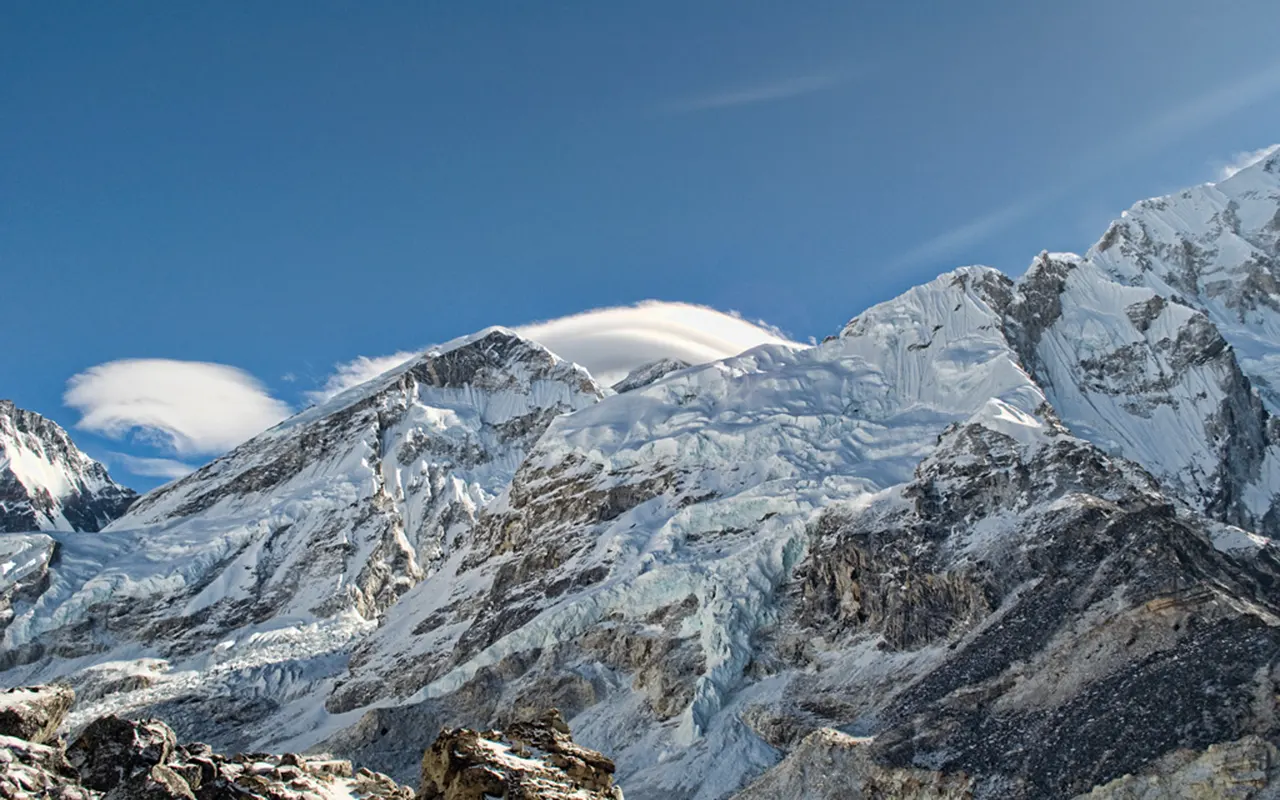
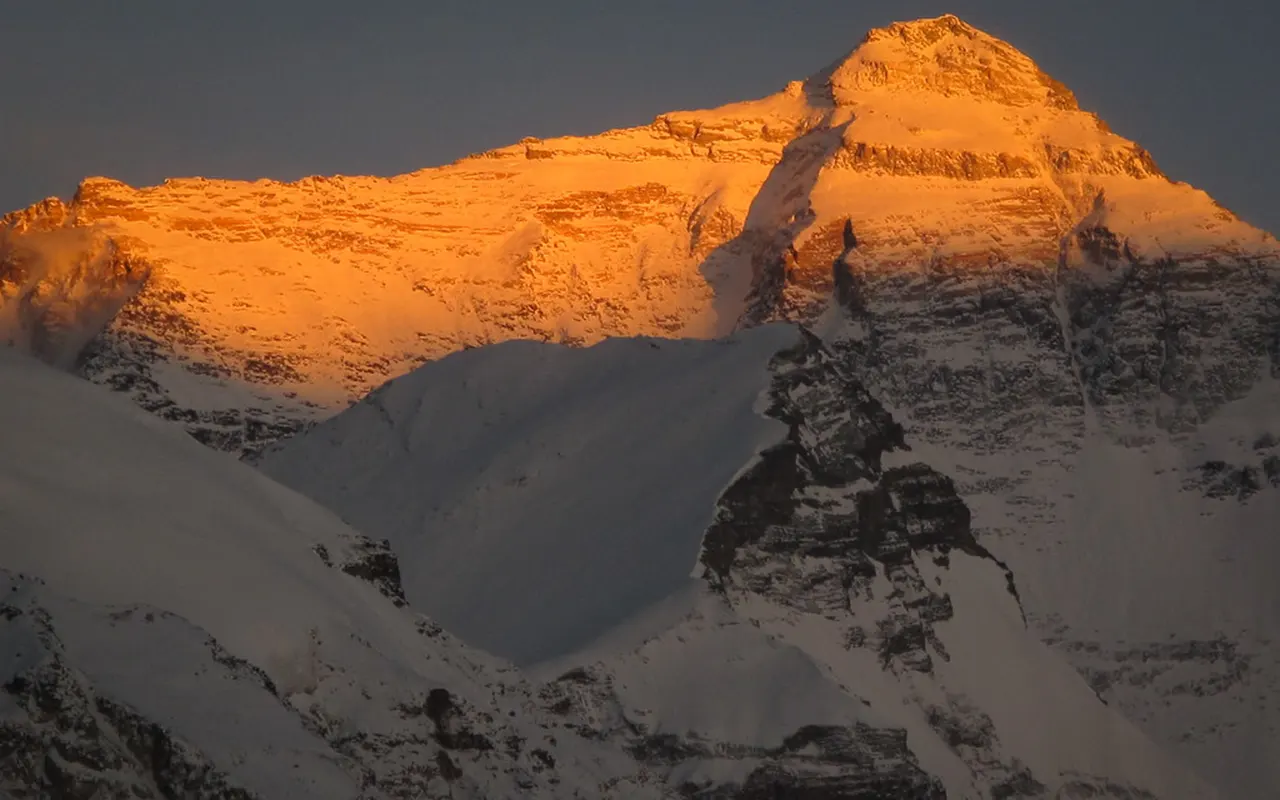
The Everest peak measures 8,849 meters in height and is in the death zone, which has very low oxygen content. The air pressure at this height is approximately a third of the sea level, and therefore breathing is extremely hard.
Climbers are likely to develop Acute Mountain Sickness (AMS) without proper acclimatization, leading to headache, nausea, dizziness, and even fatigue.
In case the condition develops severely, it may cause HAPE (fluid in the lungs) or HACE (swelling in the brain), which are life-threatening.
Climbers who are not very strong experience feelings of weakness, confusion, and exhaustion at this altitude.
Acclimatization schedules
To mitigate the risks of altitude, the climbers stick to a progressive acclimatization program that typically takes 6-8 weeks. They ascend to higher camps and then go down to lower camps to rest.
This climb-high and sleep-low technique assists the body in adapting to the thin air before the final summit.
Fitness and training
The Everest ascent needs high fitness, stamina, and psychological stamina. The majority of the climbers take 6-12 months of training and become used to other high mountains before climbing Everest.
Age and health considerations
Success is also influenced by age and health. Climbers above 50 are more or less prone to risk, hence good fitness and medical clearance are a must-have before they set foot on Everest.
Technical Climbing Challenges
Everest is not the most technical mountain on the planet, but it does have several challenging and hazardous aspects. Climbers have to cross steep snow, ice slopes, and rocky ridges with gear at exceptionally high altitudes, and with dehydration.
South Col Route (Nepal side)
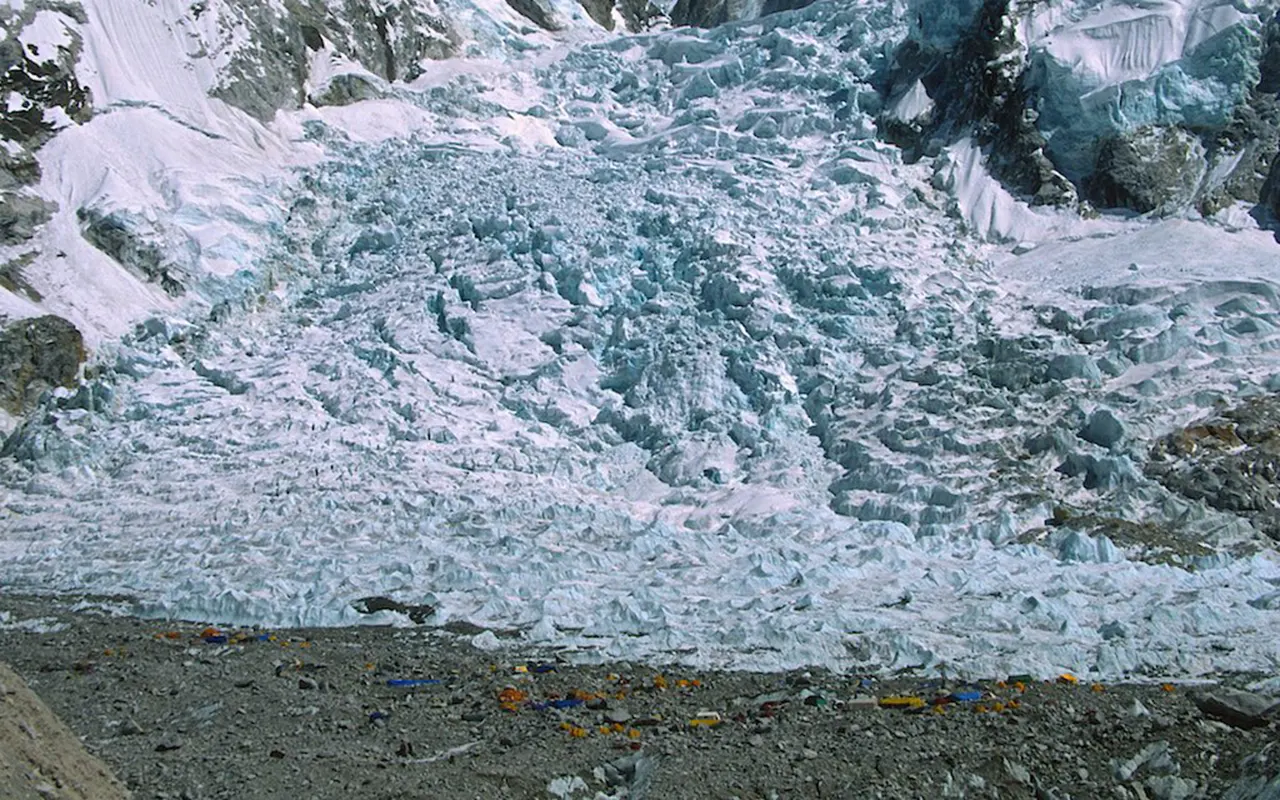
The most popular route to the summit is the South Col route. The Khumbu Icefall is one of the most hazardous aspects and is an ever-changing glacier consisting of deep crevasses and massive blocks of ice. Ladders and fixed ropes set by the Sherpa teams are used by climbers to cross.
Then they go to Lhotse Face to get above the camps. The last summit thrust begins with ridges and bare areas such as the Cornice Traverse and the Hillary Step region. It has superior rescue and medical support at base camps; however, this is extremely crowded.
Northeast Ridge Road (Tibet side)
There is no Icefall on the North route, and the route has steep rock known as the First and Second Steps. To traverse such areas in thin air, climbers have to use fixed ropes and ladders.
This is a path that is not as busy and is filled with more extreme winds, and no helicopter rescue above the base camp.
Weather and wind
The weather in Everest is highly erratic. The wind is strong enough at 8,000 m, maybe more than 100 mph, and the temperature may decrease to -40 °C. Climbers usually wait for short periods of good weather in spring before making their summit attempt.
Logistics and Costs
Not only is climbing Mount Everest physically demanding, but it is also time-consuming, needs to be well planned, and requires a huge budget. Each of the expeditions comes with a set of permits, guides, special equipment, and weeks of training before a person climbs the mountain.
Permits and fees
Everest climbing is strictly regulated by governments. The climbing permit in Nepal costs approximately $ 11,000, as well as a $4,000refundable garbage deposit in case the climbers bring back their waste.
On the Tibet side, permits are generally between $ 16,000 and $ 18,000 dollars. Many hundreds of permits are issued annually, generating millions of dollars in income.
Because of increasing crowding on the mountain, there are growing discussions about reducing the number of climbing permits in the future.
Guides and support
The majority of the climbers who participate in commercial expeditions are guided by professionals. Every climber typically employs at least one Sherpa or high-altitude porter who is used to carry supplies, to set up ropes, and to assist in the summit push.
An average Everest trip costs $ 30,000- $ 50,000 with guides, oxygen, food, and logistics, and luxury expeditions cost more than $ 100,000.
Equipment
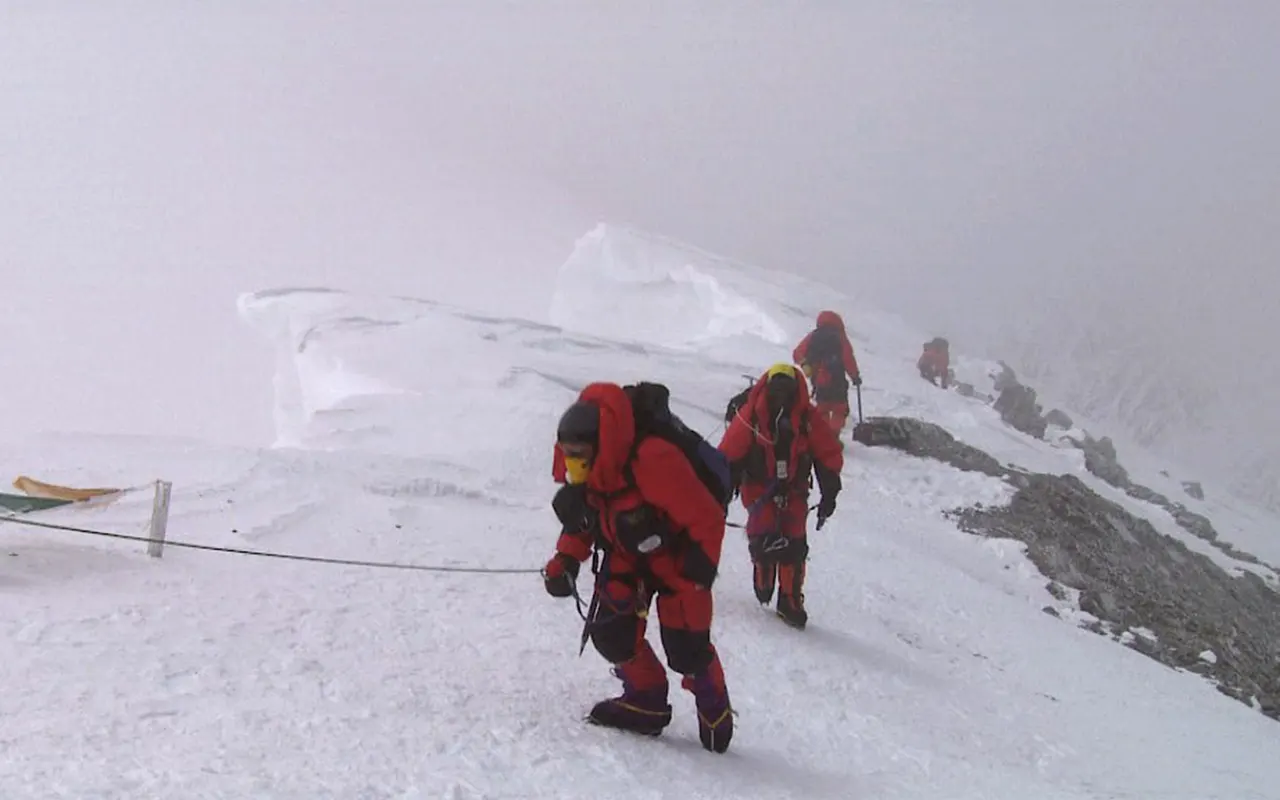
Climbers require special high-altitude equipment that includes a down suit, insulated boots, crampons, a harness, a helmet, goggles, and an extreme cold sleeping bag. They also need oxygen system and mask, regulators, tents, GPS, and a medical kit. Even most teams have satellite phones and portable pressure chambers in case of an emergency.
Expedition timeline
The time spent on a complete trip to Everest is normally 6-8 weeks. It is initiated with the preparation in Kathmandu, and then a 10-12-day trek to Base Camp.
Climbers then undergo some weeks on acclimatization rotations between camps. The last summit attempt is made after a lead time of 4-6 days, when the weather is clear, and then the descent is undertaken and the walk to Lukla and fly to Kathmandu.
Weather and Objective Hazards
Mount Everest is not just challenging due to altitude, but it is also challenging due to the hostile weather and natural hazards. The best climbing season is in the spring, from mid-April to late May, when the winds is less powerful. Even in this season, there may be sudden storms, blizzards, and freezing of the temperature.
Summit nights are very cold and can be as low as -40°C and the winds may make it very hard to climb. Mountaineers closely monitor weather conditions, and they await brief weather windows to make the peak attempt.
The Khumbu Icefall can be considered one of the most hazardous areas on the Nepal side. It is a glacier that is in motion and contains deep crevasses and unstable ice towers. Climbers go over it early in the morning when the ice is more stable, although it is still unpredictable and dangerous.
Other dangerous hazards are avalanches and falling ice. The southern col and the slopes around the col may have avalanches, particularly following heavy snowfalls. Falling ice and rockfall may also take place with the increase in temperature during the day.
Climbers need to be alert at all times due to these dangers. Everest is also hard to rescue. The helicopters are only able to access a limited number of high heights, and beyond high camps, climbers will usually seek the assistance of their teammates or Sherpa guides.
Human Factors: Crowding and Decision-Making
Climbing Everest is not a simple task; physical factors are not only challenging, but human factors like crowding and decision-making also contribute to a large extent.
Over the past few years, the number of climbers has suddenly grown exponentially. When the mountain is crowded, hundreds of climbers may try to reach the summit on the same day. Almost 400 climbers were standing in the queue close to the summit in 2019. Such traffic may cause climbers to wait up to hours in the death zone, where the oxygen level is extremely low, and the temperatures are freezing. This makes it more exhausting and dangerous.
The mountain is also very important in decision-making. Numerous accidents occur due to a lack of attention to warning signals like poor weather, exhaustion, or altitude sickness. Strict turnaround time is typically established by experienced guides to ensure that there is a safe recovery of climbers before the conditions get dangerous. The decision to return may save lives.
Safety is also influenced by commercial expeditions and the level of experience. Since the Everest expeditions are costly but available, some of the climbers climb the mountain without the high-altitude experience. This may amplify the risks of the whole team.
Another issue is the safety of Sherpas and porters. Sherpas bear heavy loads, install fixed ropes and work in the most hazardous parts of the mountain. Several people have died in the process of supporting expeditions and this has brought up issues surrounding safety and treatment.
Training and Preparation
There should be serious training and preparation before climbing the mountain Everest. Due to the fact that the mountain is so great and dangerous, climbers should train their bodies and minds months prior to the expedition. It is normally advised that the minimum time needed to attempt Everest is 6-9 months of structured training.
One of the most significant components of training is aerobic endurance. They are used to stamina building by having 4-8 hour-long hikes, running, or stair climbing. This assists them in walking several hours steadily on the summit day.
There is also a need to do strength training. Squats, lunges, and core exercises assist in enhancing stability and balance during climbing up steep snow and ice. The heavy backpacks are also used by many climbers as a way of training to carry the gear.
Another important step is altitude training. Climbers usually train on smaller mountains, of around 6,000-7,000 meters, and are assisted by special tents that are designed for altitude so that their bodies may adapt to low oxygen.
There is also the technical aspect of the skills like use of crampons, ice axes, and fixed ropes that have to be practiced prior to the expedition.
Lastly, psychological preparation is equally necessary. Everest climbing may require weeks; thus, the climbers must be patient, disciplined, and have the capacity of remaining calm and focused even in extremely hard circumstances.
Risk Mitigation and Emergencies
Climbing Everest is risky; there are various strategies adopted by climbers to minimize risks as well as deal with emergencies. Planning, technology, and collaboration contribute to enhancing safety in the mountains.
One of the most significant safety aid tools is supplemental oxygen. At altitudes above 8,000 meters, most of the climbers utilize bottled oxygen since the air at these altitudes is very thin. Oxygen makes breathing easier for the climbers and minimizes exhaustion in the death zone.
Weather forecasting is also important. The satellite forecasts that are constantly taken by the teams can be used to forecast short durations of steady weather, also known as the weather windows. Climbers wait for these safe windows before they can make an attempt to reach the summit.
Climbing becomes safer through the use of fixed ropes and route systems. Ladders, ropes and waymarked trails are installed on the mountain by Sherpa teams. These fixed lines are used by climbers to keep out of the way of hazardous spots and minimize the chances of falling.
Another rule of safety is time management. Guides will put very rigid turnaround schedules in place to ensure that climbers reach the summit before weather or fatigue takes its toll.
Rescue and medical support are limited but can still help climbers in emergencies. The Nepal side has capable of rescuing climbers in helicopters from some of the high camps, and Base Camp has a medical clinic to treat altitude sickness.
Despite the measures, there is still a possibility of an emergency, and, in this case, teamwork, communication devices, and good preparation are the only things that can help climbers.
Route Comparison: South Col vs. North Ridge
There are two principal climbing routes of Mount Everest: The South Col route in Nepal and the North Ridge route in Tibet (China). The two are both regarded as normal pathways to the summit, yet they vary in terms of difficulty, safety, number of people, and logistics.
| Attribute | South Col (Nepal/SE Ridge) | North Col (Tibet/NE Ridge) |
| Summits (2025) | 731 total (clients & Sherpas) | 120 total (Chinese nationals only) |
| Success Rate (members) | 63% (spring 2025) | 86% (spring 2025) |
| Death Rate | 1.1–1.2% | 1.0–1.1% |
| Approach & Base Camp | 10-day trek (Lukla flight) to BC at 5364 m | Jeep/4×4 to BC at 5150 m |
| High Camps (m) | Camp1: 6065, Camp2: 6400, Camp3: 7200, Camp4 (South Col): 7900 | Camp1: 6100, Camp2 (North Col): 7000, Camp3: 7600 (approx) |
| Major Hazards | Khumbu Icefall and seracs (Camp 1); Hillary/Cornice traverse (8840m); crevasses on glacier | First/Second Steps (rock at 8000–8600m); high winds on ridge; No rescue access above BC |
| Fixed Ropes/Ladders | Yes on Icefall ladders and upper ridges | Yes on Second Step ladder and ridge lines |
| Helicopter Rescue | Available up to Camp III (23,500′) | None above Base Camp (no helicopter use) |
| Crowding | Very high (hundreds on summit nights) | Moderate (fewer climbers; no foreign Spring 2023 aside from Chinese crews) |
| Weather/Season | Pre-monsoon (Apr–May) is main window; base camp warmer, more afternoon snow | Similar season; base camp colder (higher lat) and winds stronger but route shorter summit night |
| Logistics/Cost | Permit $11K (Nepal), $4K deposit; Sagarmatha NP fees; Sherpa guide essential; BC camping gear vs tea lodges up to Tengboche | Permit $18K+ (China); mandatory Chinese liaison officer; simpler logistics to BC; fewer locals hired |
| Popularity | By far the most climbed route (96% of modern summits) | Less traffic; appeals to seasoned alpinists, often climbs without crowds (2/3rds of summits on Nepal side historically) |
Generally, the two paths are difficult in one way or another. The Nepal side is more active and well-undertaken, whereas the Tibet side is not as active, but rough and isolated.
Ethical and Environmental Considerations
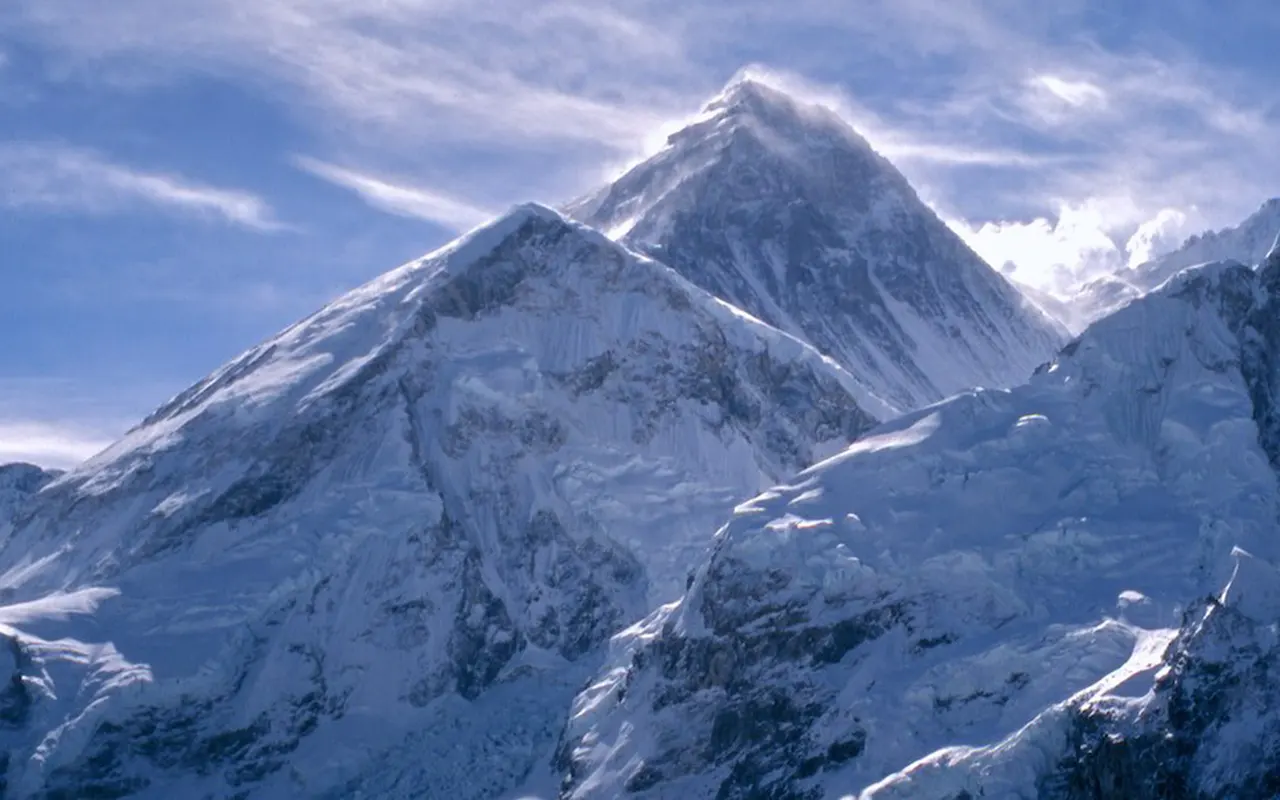
Mount Everest has become an important environmental and ethical issue because of its growing popularity. The effects of the mountain and the local populations are further growing as more and more climbers strive to reach the peak every year.
Environmental impact and waste
Waste abandoned on the mountain is one of the issues. Every member of the expedition will be able to generate several kilograms of waste, including empty oxygen bottles, food wrapping, torn tents, and human waste. This rubbish has accumulated over the years on the slopes of Everest.
To help solve this problem, Nepal introduced a garbage deposit, costing climbers $ 4000, and only then can they get the money back in case they carry down their garbage. Tons of garbage have been cleared through cleanup campaigns in the mountain, yet actions of environmental concern are still felt.
Crowding and permit policies
Everest may get so congested due to the fact that there is no rigid control on climbing permits at present. This poses safety hazards and brings up the issue of tourism income versus climber safety and environmental conservation.
Sherpa welfare
The Sherpa guides are essential in the Everest expeditions. They have a heavy load, repair ropes, and they can work on the most hazardous parts of the mountain. Over the past few years, there has been more consciousness regarding their safety, good compensation, insurance, and good working conditions.
Practical Advice for Prospective Climbers
Mount Everest is a mountain that involves serious challenges that cannot be undertaken without proper preparation and planning. Anybody eager for this objective must carefully analyse their intentions prior to joining an expedition.
Prior experience and fitness
The climbers must have experience with other high mountains, preferably mountains exceeding 7,000 meters. The process of training must start 6-12 months before, with emphasis made on endurance, strength, and long hikes with heavy backpacks to develop stamina for the summit day.
Medical and physical preparation
The medical check-up is necessary prior to the expedition. Climbers need to take care that they are fit to face the high altitude and abnormal weather. Personal medication and vaccinations are also to be prepared.
Gear and equipment
The special equipment required by climbers includes a down suit, insulated boots, crampons, an ice axe, a helmet, gloves, goggles, and a sleeping bag with a rating of -40 °C. There is also a need for oxygen systems, spare masks, and high-energy food. It is necessary to test every gear when training.
Logistics and planning
It is important to find a stable guiding company. Before the trip, climbers should know the plan of their expedition, safety measures, and possible rescue.
Mental readiness and safety
Everest needs patience, discipline, and proper decision-making. Climbers should be prepared to return in case the situation becomes unsafe, and safety should always remain the number one priority.
Conclusion
Climbing Mount Everest is considered one of the most difficult tasks in the world. It is not only a climbing test but also a physical fitness test, mental strength test, planning, and decision-making test.
Everest is a very risky mountain because of its extreme altitude, freezing temperatures, strong winds, and risky terrain. The climb is still demanding in terms of preparation and reverence in the mountain despite the use of modern equipment, fixed ropes, weather forecasts, and professional guides.
People who successfully climb the mountain usually spend months training, gaining high-altitude experience, and preparing the right equipment before starting the expedition. They should also be aware of the hazards, observe safety regulations, and also make wise judgments during ascent. Teamwork, acclimatization, and patience are a formula that would see the top being achieved safely.
Everest is not a weak and uncontrollable mountain. To people who have been ready, trained and who respect nature, being on the summit of the world can be a memorable accomplishment. Nevertheless, the first things to be when trying this legendary climb are safety, responsibility and concern for the environment and the Sherpa community.

