
 Talk to Mr. Saroj
 English
 Malay
Malay Dutch
Dutch Japanese
 Hindi
Hindi Italian
 Spanish
 French
 German
 Chinese
 Korean
 Arabic
 Hebrew
 Russian
 Portuguese
 Danish
 Czech
Czech Polish
 Swedish
 Plan Your Trip
Holy Places in Nepal: A Blend of Hinduism and Buddhism
Nepal is a land of spirituality and devotion beyond borders, and holy places speak about the rich cultural and religious heritage found across the country. People come to visit these holy places in Nepal as pilgrims or attractors of serene environments, history and sacred atmospheres.
The soothing rituals of Buddhism and the vibrant celebration of the festivals of Hinduism-Nepal present a fine blend of the greatness of these two major religions in its most sacred sites. These are not only religiously holy places but also have symbolized peace and unity to people from all walks of life.
These are the holy sites in Nepal where Buddha’s preaching and the beliefs in Hindu gods come together in almost tangible harmony to create a very unique spiritual landscape. Each site offers the visitor the chance to delve into the essence of Nepal’s ancient traditions, where belief systems and rituals are so intertwined.
These holy places in Nepal harbor tales from several hundred years ago and tend to possess their particular charm and atmosphere, appealing to those in search of peace, spirituality or even adventure. The connection between Hinduism and Buddhism is poignantly brought out through these awesome places of worship.
Most of the holy places in Nepal are situated amidst various breathtaking landscapes, allowing visitors not only to connect with their spirituality but also with nature. Temples, stupas and monasteries have always been found in quiet environs, which offer just the right setting for meditation, prayer and reflection.
The peace in the surroundings makes these sites holy and unforgettable. Whether placed atop a mountain or amidst bustling valleys, holy sites in Nepal call upon all to participate in the serenity that none others can offer.
A visit to Nepal’s holy places does more than hint at its religious heritage; rather it offers the chance to feel firsthand the interlaced ways of both Hinduism and Buddhism. These are sites that are central in the lives of millions, which mold cultural identities and breed deep-seated senses of devotion and reverence.
As you start on your journey to uncover these spiritual treasures, you will encounter not only profound spiritual practices but also the very essence of Nepalese culture. Even today, these holy places in Nepal inspire a sense of awe and reverence in every traveling tourist and pilgrim who visits them from different parts of the world.
Lumbini
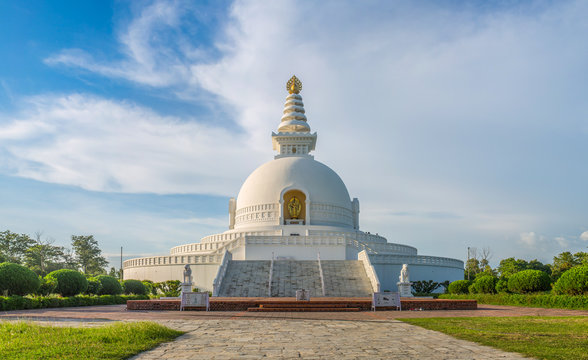
Lumbini is one of the holy places in Nepal, considered to be the birthplace of Lord Buddha. Situated in the Terai plains of southern Nepal, it attracts Buddhist pilgrims from all over the world. The Sacred Garden with the Mayadevi Temple marking the exact birthplace of Buddha is the heart of this holy place.
On entering, one is struck by the spiritual atmosphere that pervades it and provides space for reflection, meditation, and enlightenment.
Lumbini is no doubt an important site for Buddhists but is of immense consequence to Hindus as well. According to Hindu beliefs, Lumbini is a holy place because Queen Mayadevi gave birth to Siddhartha Gautama, later called Buddha and he is considered as an incarnation of Lord Vishnu by Hindu.
This linkage joins Hinduism with Buddhism in the holy places of Nepal on the common ground of Lumbini. It reflects how these two faiths share one cultural and spiritual heritage.
The holy places in Nepal act like a bridge that connects Hinduism and Buddhism, as reflected by Lumbini itself, where these two religions are combined and enrich each other.
Lumbini is also a unique incorporation of beliefs with Buddhist monasteries and Hindu traditions. The tranquility in the environment automatically creates a great sense of spiritual harmoniousness, where the followers of both religions come together to pay their due respects.
This significance of Lumbini speaks volumes of Nepal being the frontline of spiritual harmony and shared devotion.
Muktinath Temple
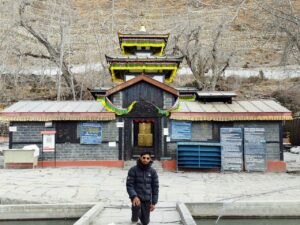
Muktinath Temple is one of the holy places in Nepal located in the Mustang region at an altitude of 3,710 meters above sea level. Regarded as a sacred temple by Lord Vishnu, this is the center of pilgrimage and was believed by Hindus to be a place of divine grace.
According to belief, the 108 sacred water spouts around the temple clean the devotees of their sins, which makes it one of the must-visit holy places in Nepal for people seeking spiritual purification. It is symbolic of a junction of faith and devotion in Nepal.
What makes Muktinath special is its dual importance to Hindus and Buddhists. While Hindus come to honor Lord Vishnu, to Buddhists, it is a place of liberation. The shared importance of the temple reflects the harmonious mixture that the holy places in Nepal have enjoyed throughout different religious traditions.
People of both faiths come here to offer prayers and seek spiritual fulfillment, creating a unique atmosphere of coexistence and reverence.
The journey into Muktinath is more a spiritual journey, yet an adventure. The temple lies on the routes of Annapurna Circuit and Upper Mustang Trek, and it is reached by a difficult trek offering mesmerizing views of the Annapurna Range.
This high-altitude trek in Nepal has become a once-in-a-lifetime experience where travelers witness not only natural beauty but also the deep spiritual aura of the area, one of the holy places in Nepal. The journey to Muktinath is a triumph both physically and spiritually.
A visit to Muktinath Temple is an experience that comes with the blend of adventure with devotion, making it one of the most holy places in Nepal. This temple is not only a big religious site but also a landmark where Hinduism and Buddhism blend in complete harmony.
Whether it be trekking around the Annapurna Circuit or exploring Upper Mustang, Muktinath remains one of the holy places in Nepal and the destination that one should not miss during a spiritual tour of Nepal.
Gosaikunda Lake

Gosaikunda Lake is among the sacred places in Nepal, within the beautiful Langtang National Park, which lies at an altitude of 4,380 m. It is one of the most important spiritual destinations for Hindus, who believe it was created by Lord Shiva himself.
During the festival of Janai Purnima, a thousand of Hindu pilgrims come to visit Gosaikunda each year to purify themselves in these sacred waters. The combination, adding to natural beauty and spiritual significance, will make it one of the must-visit destinations for seekers of holy places in Nepal.
Not only the Hindus, but Buddhist pilgrims also crowd here for meditation and contemplation in its quiet atmosphere. This serene environment of the lake itself presents a perfect site for spiritual performances while the towering peaks of the Langtang range from an awe-inspiring backdrop.
Gosaikunda has also been a common site of shared devotion that underlines its position as one of the most culturally significant holy places in Nepal.
The trek to Gosaikunda is equally challenging and rewarding. The place is very unique for those seeking physical and spiritual rejuvenation. The trail leads the trekkers up through snow-capped peaks, thick forests, and alpine meadows with breathtaking views.
Actually, reaching the lake is an achievement in itself; thus, the peaceful ambiance promises the pilgrims a possibility of fully blending in with the sacredness of the surroundings. Gosaikunda is one of the high-altitude holy places in Nepal, and it offers an unbeatable experience.
Gosaikunda is best perceived with the Langtang Valley Trek and the Langtang Gosaikunda Trek, both of which offer breathtaking views and access to this sacred site. A trek to Gosaikunda is not just a trek; it is a kind of spiritual pilgrimage where the traveler is connected with the rich religious heritage of Nepal.
Visiting Gosaikunda is an enriching experience that represents the harmony of nature and devotion found in the holy places in Nepal.
Halesi Maratika Cave

Halesi Maratika Cave is one of Nepal’s most sacred holy places in Nepal, situated in the eastern part. This cave has a great spiritual significance for both Hindus and Buddhists.
According to Hindu legend, the sage Maratika meditated in this cave and achieved enlightenment. For the Buddhists, Halesi Maratika is of equal importance since it is the belief that this was one of the sites where Padmasambhava, the founder of Tibetan Buddhism, meditated. The diverse spiritual history of this cave makes it an important place to visit among those interested in holy places in Nepal.
The peaceful surroundings at Haleshi Maratika Cave have the potential to present the perfect spiritual enlightenment and meditation. The tall green hills surround the cave, turning it into a peaceful getaway from the hustle and bustle of life.
It’s a perfect place to find calm and inner peace. People visit this sacred place to deeply connect with their religion and feel the depth of peace surrounding it. It is among the holy places in Nepal and attracts thousands of devotees who come for spiritual rejuvenation and enlightenment every year.
Halesi Maratika Cave has a unique heritage of both Hindu and Buddhist beliefs, with both traditions honoring the spiritual power of the site. It signifies different meanings, to the Hindus, a cave of divine transformation and to Buddhists, a place of sacred meditation and wisdom.
It is thus an important pilgrimage site for adherents of both faiths in view of this shared reverence, further underlining how peacefully the two major religions of Hinduism and Buddhism coexist in Nepal. In fact, the combination of natural beauty and spiritual importance makes this cave really something special among the holy places in Nepal.
Halesi Maratika Cave, located in eastern Nepal, is one of the major pilgrimage tours that also permit travelers to visit this sacred place and feel the deep spiritual energy inside. A unique excursion will provide one with more than a visit: it will be a journey to one of the most significant holy places of Nepal.
Budanilkantha Temple
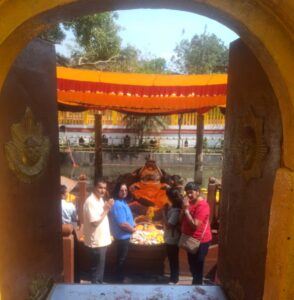
Temple, situated at the foot of Shivapuri hills, is among the most sacred places of Nepal. This is a temple dedicated to Lord Vishnu, with the biggest stone statue in the country showing Vishnu reclining on the Sheshnag, a serpent.
Its serene setting makes it an important place of pilgrimage for Hindus, who visit to pay homage to this divine place. It is one of the few holy places in Nepal, built in a serene atmosphere for spiritual contemplation.
What makes Budhanilkantha different from other holy places in Nepal is the presence of the rare merger of Hinduism and Buddhism at the temple. While the temple is devoted to Vishnu, it also shows the subtle influence of Buddhism, as Buddha images have been integrated into the surroundings of the place.
This blend of religious traditions makes Budhanilkantha Temple an important spiritual retreat for both Hindus and Buddhists in their quest for comfort and inspiration. To add a unique spiritual dimension to this site, there has been harmonious coexistence between these faiths.
It is easily accessible from Kathmandu-once again, a very reasonable stop on a cultural tour of the city. Visiting the temple includes an added attraction of a small, refreshing hike to Shivapuri National Park, where the beauty of nature is serenely tranquil and adds to the spirituality.
Budhanilkantha can also be visited on a longer trek, such as the Shivapuri to Nagarkot or Chisapani trek, for those who want to experience nature and religion together.
Budhanilkantha Temple has a unique religious importance and its surroundings have kept it one of the most sacred holy places of Nepal till today. Budhanilkantha welcomes its pilgrims and travelers to browse through its rich spiritual heritage with all the charm of the natural landscape.
Swayambhu Stupa
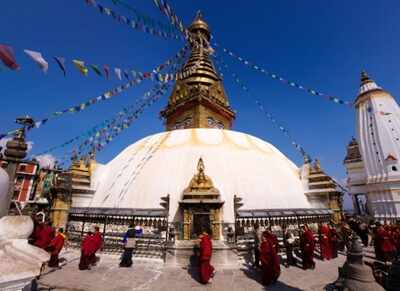
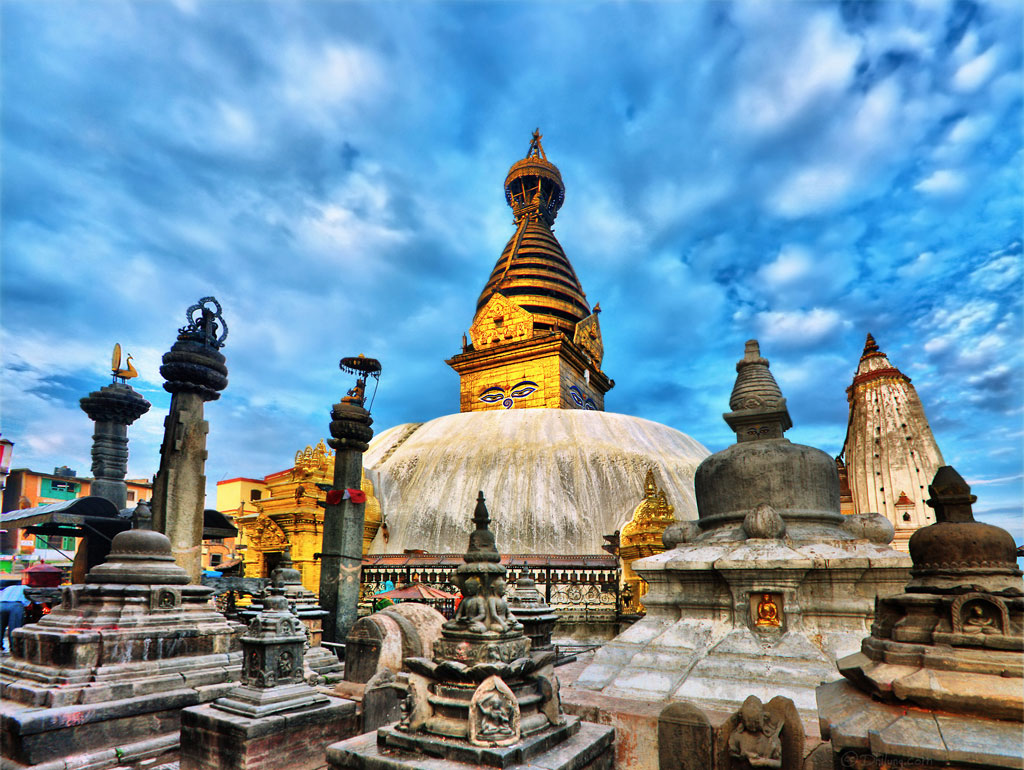
Swayambhu Stupa, popularly known as the Monkey Temple, occupies the top of a hill in Kathmandu and is one of the most famous holy places in Nepal. The stupa has the all-seeing eyes of Buddha that symbolize insight into wisdom and compassion, and views of the Kathmandu Valley are beautiful from here.
This ancient site is one of the most important centers of Buddhist devotion and at the same time bears great significance for the Hindus, reflecting Nepal’s harmonious religious combination. Visitors find it a peaceful escape amid the city’s vibrant energy.
Thus, Swayambhu represents the epitome of a holy place in Nepal, where Buddhist and Hindu traditions merge into one. The immediate area around the stupa contains various Tibetan monasteries, prayer wheels, and shrines dedicated to various Hindu deities, all of which add to the spiritual experience of the place.
The sacred atmosphere, with chants by monks and fluttering prayer flags, gives solace to both pilgrims and travelers. This is a place where cultures and faiths beautifully meet.
Swayambhu can easily be included in a city or cultural tour to Kathmandu. It is equally accessible for domestic and international travelers. This quiet retreat is also a favorite among tourists interested in Nepal’s spiritual diversity.
Among the holy places in Nepal, Swayambhu stands out because of its peculiar atmosphere, religious importance and the striking views it offers. This holy site should be a must-see, whether for spiritual contemplation or cultural study and is situated right in the heart of Kathmandu.
Boudha Stupa
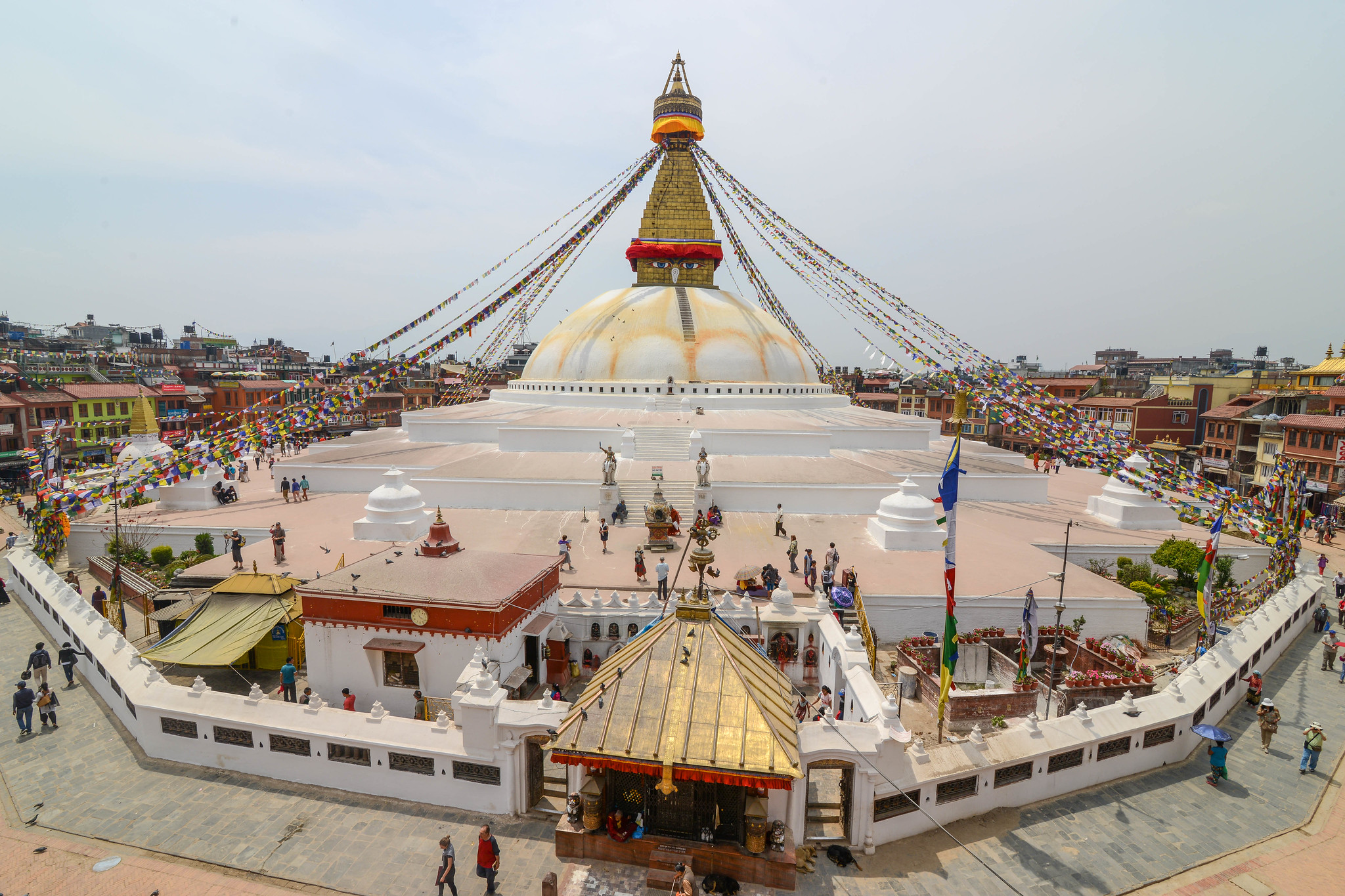
Among the plethora of holy places in Nepal, Boudha Stupa is counted among the largest stupas in the world. Pretty front-and-center within Kathmandu, the monument symbolizes the path to enlightenment in Buddhist philosophy via a large mandala design of its area.
Thousands of pilgrims walk clockwise around the stupa, spinning big prayer wheels and chanting mantras, creating an air of reverence and peace. Its timeless charm draws visitors seeking spiritual insight and tranquility.
Known for its Tibetan Buddhist heritage, Boudha has lots of monasteries in the surroundings, making it a very important pilgrim destination among the holy places in Nepal. Rhythmic chanting by monks and fluttering colorful prayer flags create a holy atmosphere at the location.
Its major importance is to Buddhists; Hindus also visit the stupa, reflecting Nepal’s harmonious culture and religions. The serene environment fosters introspection and unity, appealing to all who come.
Aside from its spiritual importance, Boudha has a plethora of cultural experiences surrounding the stupa with teahouses, traditional shops, and local handicrafts. You can have Tibetan-style meals, watch rituals or simply feel the peculiar combination of faith and custom.
Being among the most-visited holy places in Nepal, Boudha is a place not to be missed on either a city or cultural tour of Kathmandu. Its majestic presence and profound serenity make it a treasure of Nepal’s spiritual heritage.
These holy places in Nepal carry the very meaning of shared history, philosophy, and devotion that unites the two religions, making the country a real sanctuary for spiritual awakening and cultural exploration.

