
 Talk to Mr. Saroj
 English
 Malay
Malay Dutch
Dutch Japanese
 Hindi
Hindi Italian
 Spanish
 French
 German
 Chinese
 Korean
 Arabic
 Hebrew
 Russian
 Portuguese
 Danish
 Czech
Czech Polish
 Swedish
 Plan Your Trip
Food and Accommodation on the Annapurna Base Camp Trek: What to Expect
The Annapurna Base Camp trek is one of the most popular treks in Nepal’s Annapurna region, where thousands of trekkers visit each year. Annapurna Base Camp trek is a 6 to 12-day-long trek that involves walking in varied landscapes before reaching a maximum of 4,130 meters. This trek is moderately difficult and offers amazing Himalayan scenery, which provides a sense of achievement to every trekker.
If you are planning to go to Annapurna Base Camp Trek, then it is important to know the reality of the trek in terms of food and accommodation to have a safe and joyful trek. During the trek, you have to walk for 5 to 7 hours, which requires good nutrition and sleep to maintain your energy.
Knowing the reality of this area on food and accommodation will help you with planning, keeping comfortable, and staying safe for the entire trek. Through out the trekking routes, you will find teahouses that serve food options and have accommodation.
Food options are simple yet fulfilling, with teahouses serving traditional Nepali meals like dal bhat, and others offering international options such as pasta and pizza, or more. Accommodation options like basic teahouses usually offer shared rooms with others and a communal eating area in the teahouse, which is nice to enjoy after a long day trekking.
Accommodation on the Annapurna Base Camp Trek
a. Types of Accommodation
Accommodation is primarily in the form of teahouses and guesthouses during the Annapurna Base Camp Trek 10 Days, all managed by local families. These teahouses typically provide nutritious food, which is mainly composed of carbohydrates, and a warm place to sleep. You can get an opportunity to enjoy communal dining, allowing you to relax and enjoy the evening with fellow travelers.
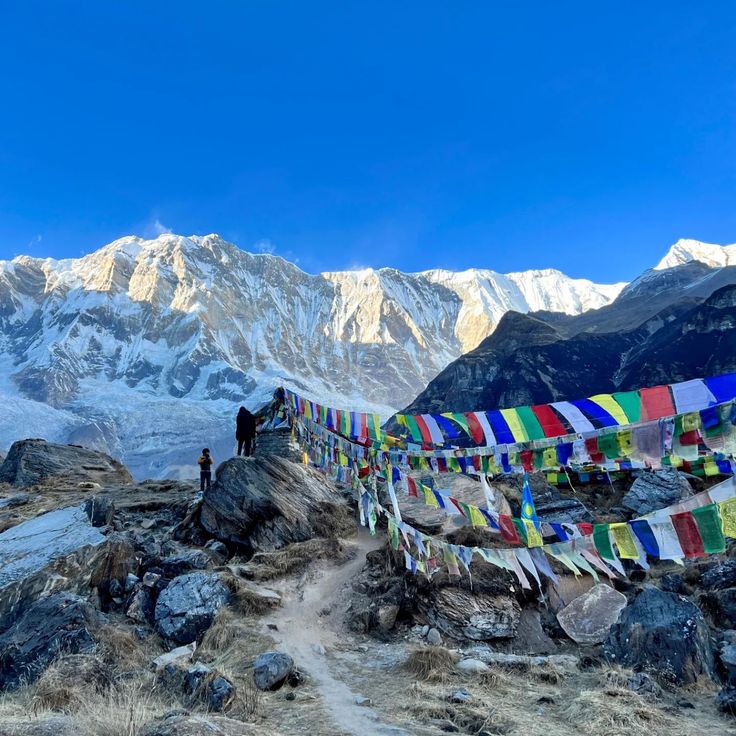
b. Room Facilities
Facilities on the Annapurna Base Camp Trek will feature twin-sharing beds with basic mattresses, pillows, and blankets, allowing trekkers some basic comfort at the end of a long trek. In some teahouses, the common areas are heated by a burner.
Bathroom facilities will vary by place and lodge standard. When trekking at lower altitudes or in slightly more “developed” villages, you will get lodge rooms with attached bathrooms. However, only some lower-altitude lodges will have Western-style bathrooms.
You will have access to hot showers most days in teahouses, but they typically cost extra, around $2 to $5 per shower at higher altitudes; the cost will likely increase. There may be restricted hot water use in some areas, so it is recommended to plan ahead and bring a towel that dries quickly.
Charging electronic outlets and Wi-Fi access would be available in teahouses, particularly at lower-altitude teahouses. You will see charging and Wi-Fi prices increase as you go higher, and they may be completely unavailable at higher altitudes. Additionally, Wi-Fi can be slow or not work at all in the more remote areas of the trek.
c. Heating and Comfort
The dining rooms of Teahouses on the Annapurna Base Camp trek are warmed by a central heater, usually a wood burner. This is where all the trekkers enjoy eating meals together and resting from the long hiking day. The warmth provides a companionable spot to gather while mitigating the fatigue of a long day’s walk in the Himalayas.
The majority of teahouses offer basic facilities which don’t include heating, so you must rely on blankets and sleeping bags for warmth. The nighttime temperatures can drop dramatically, especially at elevations, so it is not practical or feasible to install heating when you are this remote.
To maximize comfort and safety, it is highly recommended that trekkers bring a good-quality sleeping bag rated for cold temperatures. A sleeping bag’s important function is that it may keep you isolated and warmer. Restful sleep is particularly important for the recovery of energy and acclimatization during the intensive trek.
d. Cost of Accommodation
Prices for accommodation on the Annapurna Base Camp Trek will generally range from NPR 700 – 1,500 per night, and this depends on the region you are in and how luxurious the lodge is. There are simple tea houses at the lower end of this range and then more comfortable lodges at the higher end.
Prices can vary depending on the trekking season. In peak trekking season, during the spring (March-May) or autumn (September–November), when many people go trekking in Nepal, prices will likely go up due to the high demand for accommodation. In the off-season, during the winter and especially the monsoon season, prices are likely to be lower; however, many lodges are not open, and several lodges limit their services.
Trekkers need to budget and plan accordingly, including the understanding that higher altitude lodges may have fewer amenities and that sometimes demand a higher price because of limited logistical options.
Planning and booking for the trekking season may require more planning. Trekkers have the option of trekking in the off-season at a relatively lower cost, but at the expense of accommodation comfort and access.
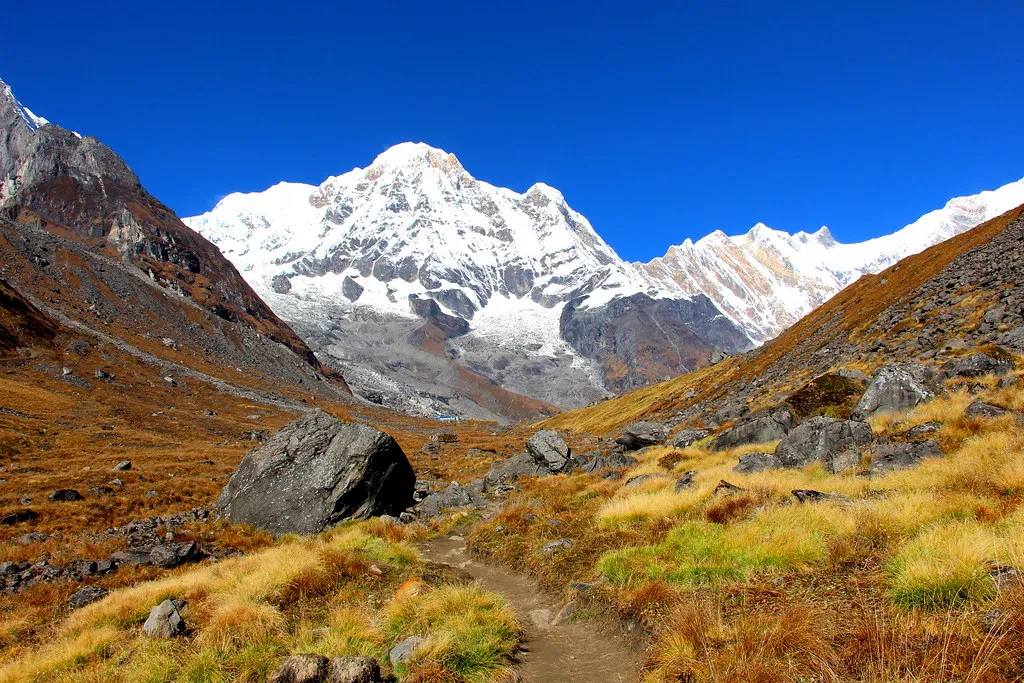
Food on the Annapurna Base Camp Trek
a. Typical Meals Available
Typical meals on the Annapurna Base Camp Trek consist of the Nepali Dal Bhat set, which contains steamed rice, lentil soup, and vegetable curry – it is a wholesome meal that is sometimes accompanied by pickles and, occasionally, meat, providing all the energy that trekkers need.
In addition to Dal Bhat, there is a variety of food for trekkers to enjoy as well, such as Tibetan bread, noodles, pasta, rice with curry, soup, momos, and pancakes. There is a cultural mix between local and Western-influenced foods suited to enough people and tastes.
Breakfast usually provides eggs in many styles to choose from, porridge with many toppings, pancakes, and Tibetan bread. Hot drinks are always available, e.g., tea, coffee, and hot chocolate, to help start your day off warm and energetic.
b. Dietary Options
The Annapurna Base Camp Trek has vegetarian, vegan, and plenty of meal options, with dal bhat being the most common. There are vegetable momos, noodles, and curries available on the way, allowing vegans and vegetarians to have healthy and more options throughout the trek.
There are very few gluten-free options on the trek and usually need advance notice to the teahouse owner or a trekking agency. Trekkers with gluten intolerance must inform their guide as far in advance as they can, but it is also advisable to bring a few of your own gluten-free snacks just in case you don’t arrive at a teahouse with gluten-free options available.
Overall, food hygiene at the teahouse on the trek is generally good, where trekkers primarily eat freshly made meals, and they usually drink boiled or filtered water. It is great to ask the teahouse about what ingredients they use or how they prepare their food because that can sometimes avoid allergies or contamination of the food being served.
c. Drinks and Water
During the trek to Annapurna Base Camp, you can get plenty of hot drinks on the way, including black tea, coffee, Milk tea, Ginger tea, Tibetan tea, and hot chocolate. Having these drinks, especially at a higher altitude, will keep you warm and provide energy.
Filtered or boiled water is preferable to drinking from local sources like rivers, taps, or streams. Bottled water is available but will be at a premium price and increasingly less environmentally friendly. Boiled water is available in all teahouses along the way; however, it is advisable to bring a purification tablet for cleaning the water properly.
Trekkers should always boil any water they drink or use purification systems to eliminate all waterborne contaminants. Your chances of contracting an illness are significantly lower if you avoid drinking untreated water. Safe water will assist with hydration while trekking and can help you acclimate to the altitude.
d. Meal Costs
Meals on the Annapurna Base Camp Trek normally range from $5-$10 USD per meal. Breakfasts are generally lower, while lunches and dinners are higher. Dal bhat is the normal meal and is nutritious and cheap, so many people only eat dal bhat for the entire trek.
With altitude, food prices increase because transportation is more difficult and there are fewer supplies available. Meals and drinks in the teahouses at higher elevations are generally going to cost you twice what they do in the lower villages. These costs are justified, though, as fresh produce and food items have to find their way through a number of villages to get to the teahouse in the higher elevations.
To have a more effective meal budget, trekkers should plan to consume their meals with local foods like dal bhat. The more local foods you consume, the less your meal budget will be.
It is also a good idea to carry some snacks from the lower altitudes because they will save you money. Trekkers may also book specific accommodations to include meals to help lower their overall food costs. Group trekking options may also include meals as an alternative to traditional meals.
What to Bring: Food & Accommodation Tips
It is highly recommended to bring light snacks while on the trek, such as dried nuts and fruits, protein bars, and chocolates. Additionally, electrolytes or oral hydration is also advisable as they help to replace the lost minerals and keep the energy level stable.
You must have bring power banks and spare batteries because it is difficult to find a place to charge, and if found, you have to pay extra. These items help to keep your phone, camera, and other electronics charged in places and on long hiking days where finding electricity is difficult.
A good sleeping bag for sub-zero temperatures is also essential because you will be sleeping in unheated teahouse rooms most of the time, and it can get very cold at night, especially at higher altitudes. A good quality sleeping bag ensures you have insulation and comfort, which will help with rest and recovery for the next day’s hike.
As most teahouses won’t supply hand-washing wipes, tissues, and personal toiletries, you need to pack these hygiene items for your trek. Packing your own hygiene supplies will ensure cleanliness and comfort on the trek, because toilet paper, soap, and other items can be very limited along the trail.
Best Places to Stay on the Route
Ghorepani boasts more than 40 tea houses with warm dining rooms and spectacular Annapurna and Dhaulagiri views. There are comfortable lodges at Chhomrong with gorgeous views of Machhapuchhre Mountain. At Dovan, Mountain View Lodge has comfortable rooms and tranquil views of the valleys.
The Machhapuchhre Base Camp lodges are basic, yet offer spectacular mountain views and a place to relax before the final ascent. The Annapurna Base Camp tea houses are basic but comfortable, with higher total peaks than you can imagine. These lodges are combined with nature and a friendly personal touch that makes it a memorable trek.
Tips for a Better Experience
Reaching teahouses early is important, especially during the busy spring and autumn seasons, to get good rooms, as good lodgings fill quickly when it’s a popular stopping point. If you start your day on the trail a little earlier, you can generally choose more preferred accommodation and will avoid feeling as tired after a long day hiking day when you can find a more comfortable place to rest.
Placing food orders early in higher altitude locations is important because service takes longer due to limited kitchen equipment and staff. It’s a good idea to think about the time you need to order, so you don’t wait too long for food to arrive and still get hot, freshly prepared food, vitally important for energy and recovery.
Respecting the lodge owners and adhering to local customs and rules will really help make your trek enjoyable and help the local community. Being courteous, patient, and aware of local and cultural practices creates goodwill and enhances your experience. If you want to book ahead, this is entirely optional, but during peak seasons, we would recommend booking in advance for availability issues.
Conclusion
On the Annapurna Base Camp Trek, you will be accommodated in tea houses and can expect basic but comfortable accommodation. Meals will be basic but satisfactory, with simple meals consisting of local dishes and the staple dal bhat.
There may be hot showers, battery charging opportunities, and Wi-Fi, but expect to pay a little more, and very limited. If you plan for the ultimate experience, you should keep the above in mind.
To improve your comfort level on your trek, try to arrive early each day and reserve a better room. Order meals as soon as you can and be courteous in all of your interactions with locals. Bring a warm sleeping bag, a few snacks, and power banks. If you plan, be patient, and follow these simple tips, you will have a great, memorable, and rewarding trekking experience.

